Support our educational content for free when you purchase through links on our site. Learn more
🌊 7 Proven Benefits of Beach Activities for Health (2026)

You can slash stress, boost your mood, and tone your muscles in just 20 minutes by simply walking on the sand. The benefits of beach activities for health extend far beyond a nice tan, offering a unique combination of negative ions, resistance training, and mental restoration that you simply can’t get in a gym.
Imagine this: you’re stuck in a traffic jam, your heart rate is spiking, and then you step onto the cool, damp sand. Within minutes, the rhythmic crash of waves acts as nature’s white noise, instantly lowering your blood pressure. It’s not magic; it’s science. Research suggests that people who live near the coast report significantly lower levels of stress and anxiety compared to those in urban centers.
But why does the ocean feel so different from a lake or a pool? It comes down to the “Blue Mind” effect, where the specific sensory inputs of the sea—salt air, shifting light, and unpredictable waves—trigger a meditative state. Whether you are surfing, building sandcastles, or just sunbathing, your body and brain are working together to heal.
Key Takeaways
- Mental Reset: Just 20 minutes of beach exposure can significantly lower cortisol levels and induce a meditative “Blue Mind” state.
- Superior Workout: Walking or running on sand burns up to 40% more calories than on pavement while being gentler on your joints.
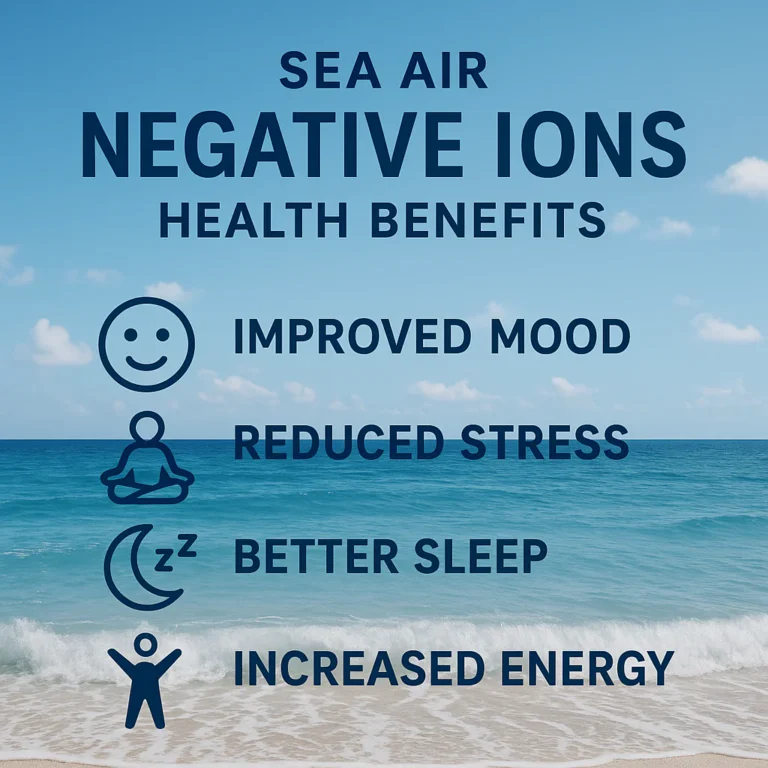
- Nature’s Medicine: Sea air rich in negative ions improves oxygen flow to the brain, boosting alertness and mood.
- Skin & Immunity: Salt water and sunlight (with protection) can soothe skin conditions like eczema and boost Vitamin D production.
- Social Connection: Coastal activities naturally foster community and reduce feelings of isolation through shared, unstructured play.
Table of Contents
- ⚡️ Quick Tips and Facts
- 🌊 From Ancient Tides to Modern Wellness: A Brief History of Beach Therapy
- 🧠 The Brain-Boosting Power of Salt Air and Sunlight
- 💪 Physical Fitness on the Sand: Why Walking the Shore Beats the Treadmill
- 🏊 ♀️ 7 Ways Swimming and Water Sports Transform Your Cardio Health
- 🧘 ♂️ 5 Essential Beach Yoga Poses to Master the Art of Relaxation
- 🌞 Sun Safety 101: Balancing Vitamin D Production with Skin Protection
- 🧂 The Healing Magic of Thalassotherapy and Sea Salt
- 🧠 Beyond the Waves: How Coastal Living Cures Anxiety and Depression
- 👨 👩 👧 👦 Family Fun and Social Connection: Building Bonds by the Sea
- 🚫 When the Beach Isn’t Perfect: Navigating Crowds, Pollution, and Safety Risks
- 🎒 The Ultimate Beach Gear Checklist for a Healthy Day Out
- 🥗 What to Eat and Drink for Peak Performance at the Shore
- 🌅 Conclusion
- 🔗 Recommended Links
- ❓ FAQ
- 📚 Reference Links
⚡️ Quick Tips and Facts
Before we dive into the deep end of the science, let’s hit the shore with some rapid-fire truths that might just change how you pack your beach bag.
- The 20-Minute Rule: You don’t need a week-long vacation to feel the shift. Studies suggest that just 20 minutes of walking along the shoreline can significantly lower cortisol levels and boost your mood.
- Negative Ions are Real: The crashing waves generate negative ions, which are believed to increase oxygen flow to the brain, reduce mental fatigue, and improve alertness. It’s nature’s own energy drink!
- Sand is a Natural Toner: Walking on sand requires 40% more energy than walking on a firm surface, making it a secret weapon for toning calves and glutes without you even realizing it.
- Salt Water Magic: Salt water is rich in minerals like magnesium, calcium, and potassium, which can help soothe skin conditions and reduce inflammation.
- Sun Safety is Non-Negotiable: While Vitamin D is a superstar, UV exposure is the leading cause of skin cancer. Always balance sun time with protection.
For a deeper dive into the specific health facts about going to the beach, check out our comprehensive guide: Health Facts About Going to the Beach.
🌊 From Ancient Tides to Modern Wellness: A Brief History of Beach Therapy

You might think “beach therapy” is a trendy buzzword coined by Instagram influencers, but the concept is as old as the tides themselves. Long before we had yoga mats and SPF 50, ancient civilizations were already figuring out that the ocean had healing powers.
The 18th-Century Prescription
In the 170s, European doctors were practically obsessed with the sea. They prescribed beach visits for everything from tuberculosis to leprosy. The logic? The mineral-rich sea water and the rhythmic sound of crashing waves were believed to have restorative properties. While the idea of drinking seawater (a common practice back then) was eventually debunked as a terrible idea for hydration, the core concept of “thalassotherapy” (using seawater for health) stuck around.
The Evolution of “Blue Space” Research
Fast forward to modern environmental psychology, and we have a term for it: Blue Space. This refers to visible bodies of water like oceans, lakes, and rivers. A landmark 1984 study revealed that hospital patients with views of natural spaces had shorter, more pleasant stays than those staring at brick walls.
More recently, a 2010 study by Mat White and colleagues analyzed over 4,0 respondents in England. The result? Coastal environments rated slightly higher for mental restoration than woodlands or mountains. Why? Because the beach offers a unique combination of soft fascination—the waves move, but they don’t demand your full attention, allowing your brain to rest.
“We’re invited in a kind of effortless way to bring our attention to the horizon. There’s this sense of awe, where we get perspective on our problems and feel part of something bigger than ourselves.” — Catherine Kelly, author of Blue Spaces
Why the Beach Fels Different
Unlike a forest where you have to navigate uneven terrain and dense foliage, the beach offers a vast, open horizon. This triggers a sense of awe, a psychological state that reduces stress and promotes selfless behavior. It’s not just about the water; it’s about the perspective the ocean gives you.
🧠 The Brain-Boosting Power of Salt Air and Sunlight
Ever notice how your thoughts seem to clear up the moment you step out of the car and onto the sand? That’s not just a placebo effect; it’s biology.
The Negative Ion Effect
When waves crash, they break water molecules, releasing negative ions into the air. These ions are thought to bind with pollutants and allergens, cleaning the air you breathe. But they also interact with your body. Some research suggests that negative ions can increase the flow of oxygen to the brain, leading to:
- Increased alertness
- Reduced drowsiness
- Enhanced mental clarity
Sunlight and Serotonin
Sunlight exposure triggers the production of serotonin, the neurotransmitter associated with mood regulation and feelings of well-being. This is why we often feel happier on sunny days. However, there’s a catch: too much sun can lead to dehydration and heat exhaustion, which can actually lower your mood.
The Balance:
- ✅ Do: Get 15-20 minutes of morning or late afternoon sun to boost Vitamin D and serotonin.
- ❌ Don’t: Stay out during peak UV hours (10 AM – 4 PM) without protection.
The Sound of Waves
The rhythmic sound of crashing waves acts as a natural white noise machine. This predictable, repetitive sound can lower heart rate and blood pressure, inducing a state of relaxation. It’s the ultimate “do not disturb” sign for your nervous system.
💪 Physical Fitness on the Sand: Why Walking the Shore Beats the Treadmill
If you’ve ever tried to jog on the beach, you know it feels like running through molasses. That’s the point! The sand is an unstable surface that forces your muscles to work harder to maintain balance.
The Mechanics of Sand Walking
Walking on sand requires 40% more energy than walking on a firm surface. This is because your foot sinks slightly with every step, and your muscles (especially in the calves, hamstrings, and glutes) have to exert extra force to push off.
Benefits of Sand Walking:
- Low Impact: Unlike concrete, sand absorbs shock, making it gentler on your joints.
- Core Engagement: The instability forces your core muscles to fire constantly to keep you upright.
- Calorie Burn: You burn more calories per mile on sand than on pavement.
Barefoot vs. Shoes
There’s a growing movement advocating for barefoot walking on the beach. Proponents argue that it strengthens the intrinsic muscles of the feet and improves balance. However, if you have plantar fascitis or weak arches, you might want to stick to supportive beach shoes.
Our Take:
- ✅ Try: Walking barefoot for short intervals to strengthen foot muscles.
- ❌ Avoid: Running long distances barefoot if you aren’t used to it, as it can lead to blisters or strain.
🏊 ♀️ 7 Ways Swimming and Water Sports Transform Your Cardio Health
Swimming is often called the “perfect workout,” and for good reason. It engages almost every muscle group while being incredibly gentle on the joints. But swimming in the ocean adds a whole new layer of benefits.
1. Resistance Training
Water is 80 times denser than air. Every movement you make in the water is a form of resistance training. Whether you’re doing laps or just treading water, you’re building muscle strength.
2. Cardiovascular Endurance
Swimming increases your heart rate and improves lung capacity. The ocean’s waves add an extra challenge, forcing you to adjust your breathing and stroke rhythm constantly.
3. Full-Body Engagement
Unlike running, which primarily targets the lower body, swimming engages your arms, legs, core, and back simultaneously.
4. Temperature Regulation
The cooler temperature of the ocean helps regulate your body temperature during intense exercise, preventing overheating.
5. Balance and Coordination
Navigating waves requires constant adjustments to your balance and coordination, improving your proprioception (your body’s awareness of its position in space).
6. Stress Relief
The combination of physical exertion and the soothing sound of the ocean creates a powerful stress-relief mechanism.
7. Social Connection
Water sports like surfing, paddleboarding, or beach volleyball often involve group activities, fostering social bonds and accountability.
Comparison: Pool vs. Ocean Swimming
| Feature | Pool Swimming | Ocean Swimming |
|---|---|---|
| Environment | Controlled, predictable | Dynamic, unpredictable |
| Resistance | Consistent | Variable (waves, currents) |
| Temperature | Usually cooler | Varies by location/season |
| Safety | Lifeguards, clear visibility | Rip currents, marine life |
| Mental Benefit | Repetitive, meditative | Awe-inspiring, adventurous |
Safety First: Always check local conditions for rip currents and marine life before diving in. If you’re new to ocean swimming, stick to areas with lifeguards.
🧘 ♂️ 5 Essential Beach Yoga Poses to Master the Art of Relaxation
Yoga on the beach is a game-changer. The unstable sand surface challenges your balance, while the ocean breeze and sounds enhance the meditative aspect. Here are five poses to try:
1. Mountain Pose (Tadasana)
- Why: Ground yourself and find your center.
- How: Stand barefoot on the sand, feet hip-width apart. Feel the sand beneath your toes. Breathe deeply.
2. Warrior II (Virabhadrasana II)
- Why: Builds leg strength and stability.
- How: Step one foot back, bend the front knee, and extend your arms. Focus on a point on the horizon to maintain balance.
3. Tree Pose (Vrksasana)
- Why: Improves balance and concentration.
- How: Stand one leg, place the other foot on your inner thigh or calf. Use the ocean breeze as a distraction to test your focus.
4. Downward Dog (Adho Mukha Svanasana)
- Why: Stretches the entire back of the body.
- How: Form an inverted V shape. Feel the sand supporting your hands and feet.
5. Child’s Pose (Balasana)
- Why: Deep relaxation and stress relief.
- How: Knel on the sand, sit back on your heels, and stretch your arms forward. Let the sound of the waves wash over you.
Pro Tip: Practice these poses during sunrise or sunset when the sand is cooler and the light is softer.
🌞 Sun Safety 101: Balancing Vitamin D Production with Skin Protection
We love the sun, but we also know it can be dangerous. The key is finding the sweet spot where you get enough Vitamin D without risking skin damage.
The Vitamin D Connection
Vitamin D is crucial for bone health, immune function, and mood regulation. Your body produces it when your skin is exposed to UVB rays.
The Risk: Skin Cancer
Overexposure to UV rays is the leading cause of skin cancer, including melanoma, which can be deadly.
How to Balance It
- Timing: Get sun exposure in the early morning or late afternoon when UV rays are less intense.
- Duration: 10-15 minutes of direct sun on your arms and legs a few times a week is usually enough for most people.
- Protection: Use broad-spectrum sunscreen with an SPF of 30 or higher. Reapply every two hours, or after swimming.
- Clothing: Wear a hat, sunglasses, and UV-protective clothing.
Myth Busting:
- Myth: You need to burn to get Vitamin D.
- Fact: You can get enough Vitamin D without burning. In fact, burning damages your skin and increases cancer risk.
🧂 The Healing Magic of Thalassotherapy and Sea Salt
Thalassotherapy, the use of seawater for therapeutic purposes, has been practiced for centuries. It involves using seawater, sea mud, and algae to treat various conditions.
How It Works
Seawater is rich in minerals like magnesium, calcium, potassium, and iodine. These minerals can be absorbed through the skin, helping to:
- Reduce inflammation
- Sothe skin conditions like eczema and psoriasis
- Improve circulation
- Relax muscles
DIY Thalassotherapy at Home
You don’t need a fancy spa to enjoy the benefits.
- Sea Salt Soak: Add a cup of Dead Sea salt or Epsom salt to a warm bath. Soak for 20 minutes.
- Sea Mud Mask: Apply a thin layer of sea mud to your face or body, let it dry, and rinse off.
Recommended Products:
- Dead Sea Salt: Known for its high mineral content.
- Epsom Salt: Great for muscle relaxation.
Where to Buy:
- Dead Sea Salt: Amazon Search | Brand Official
- Epsom Salt: Amazon Search | Brand Official
🧠 Beyond the Waves: How Coastal Living Cures Anxiety and Depression
Living near the coast isn’t just a lifestyle choice; it’s a mental health strategy. Studies have shown that people who live near the sea report lower levels of stress and anxiety.
The “Blue Mind” Theory
Marine biologist Wallace J. Nichols coined the term “Blue Mind” to describe the meditative state we enter when we are near, in, on, or under water. This state is characterized by:
- Calmness
- Peace
- Unity
- A sense of general happiness
Why It Works
- Attention Restoration: The beach offers a “softly fascinating” environment that allows your brain to rest and recover from mental fatigue.
- Social Connection: Coastal communities often have a strong sense of community, reducing feelings of isolation.
- Physical Activity: The beach encourages outdoor activities, which are known to boost mood.
Who Benefits Most?
- People with ADD/ADHD often feel calmer near the water.
- Those with anxiety and depression may find relief in the rhythmic sounds of the waves.
- Men have been found to experience greater mental health benefits from beach visits than women in some studies, though everyone can benefit.
Important Note: If you don’t enjoy the beach, forcing yourself to go won’t help. The benefits are linked to enjoyment and comfort.
👨 👩 👧 👦 Family Fun and Social Connection: Building Bonds by the Sea
The beach is the ultimate family bonding spot. It provides a space for shared play, exploration, and relaxation.
Why the Beach is Great for Families
- Unstructured Play: Kids can run, jump, and build sandcastles without the constraints of a playground.
- Shared Experiences: Building a sandcastle or surfing together creates lasting memories.
- Reduced Screen Time: The beach naturally encourages kids to put down their devices and engage with the real world.
Tips for a Successful Family Beach Day
- Pack Plenty of Snacks: Keep everyone fueled and happy.
- Bring Water Toys: Buckets, shovels, and floaties keep kids entertained.
- Set Boundaries: Establish clear rules about water safety and staying within sight.
Research Insight: A 2013 study found that coastal visits significantly enhanced family social bonds by providing space for shared play.
🚫 When the Beach Isn’t Perfect: Navigating Crowds, Pollution, and Safety Risks
Let’s be real: the beach isn’t always a paradise. Sometimes it’s crowded, polluted, or dangerous. Here’s how to handle the downsides.
Crowds
- Problem: Too many people can ruin the peaceful vibe.
- Solution: Visit during off-peak hours (early morning or weekdays) or find a less popular beach.
Pollution
- Problem: Litter, plastic, and runoff can contaminate the water.
- Solution: Check local water quality reports before swimming. Participate in beach cleanups to help keep the environment clean.
Safety Risks
- Problem: Rip currents, jellyfish, and sharks are real threats.
- Solution: Always swim near a lifeguard, learn how to identify rip currents, and respect marine life.
Environmental Stewardship
- Reciprocity: If the beach makes us feel well, it’s our job to make sure it feels well too. Practice Leave No Trace principles and support local conservation efforts.
🎒 The Ultimate Beach Gear Checklist for a Healthy Day Out
Packing the right gear can make or break your beach day. Here’s our essential checklist:
Essentials
- Sunscreen: Broad-spectrum, SPF 30+
- Hat: Wide-brimed for face protection
- Sunglasses: UV-protective lenses
- Water Bottle: Reusable, insulated
- Towel: Quick-dry, sand-resistant
- Beach Bag: Large enough for all your gear
Comfort & Safety
- Beach Umbrella or Tent: For shade
- First Aid Kit: Band-aids, antiseptic, pain relievers
- Water Shoes: For rocky shores or hot sand
- Snorkel Gear: For exploring underwater life
Fun & Games
- Beach Ball: For group games
- Frisbee: Classic beach fun
- Books or E-reader: For relaxation
- Portable Speaker: For music (keep it low!)
Recommended Brands:
- Sunscreen: Neutrogena | Brand Official
- Beach Umbrella: Amazon Search | Brand Official
- Water Bottle: Hydro Flask | Brand Official
🥗 What to Eat and Drink for Peak Performance at the Shore
What you eat and drink at the beach can affect your energy levels and hydration status. Here’s what to pack:
Hydration is Key
- Water: The best choice. Bring plenty of it.
- Coconut Water: A natural source of electrolytes.
- Avoid: Sugary drinks and excessive caffeine, which can dehydrate you.
Healthy Snacks
- Fresh Fruit: Watermelon, grapes, and berries are hydrating and refreshing.
- Nuts and Seeds: Provide protein and healthy fats.
- Veggies and Humus: Crunchy and satisfying.
- Whole Grain Sandwiches: For sustained energy.
Foods to Avoid
- Heavy, Greasy Foods: Can make you feel sluggish.
- Excessive Salt: Can increase thirst and dehydration.
Pro Tip: Pack a cooler with ice packs to keep your food and drinks fresh.
🌅 Conclusion

So, is the beach the ultimate health hack? Absolutely. From the negative ions generated by crashing waves to the full-body workout of walking on sand, the beach offers a unique combination of physical and mental benefits that are hard to replicate anywhere else.
We’ve explored everything from the ancient history of thalassotherapy to the modern science of “blue spaces.” We’ve seen how the beach can boost your mood, reduce stress, and even improve your sleep. But remember, the beach isn’t a magic cure-all. It’s a tool, and like any tool, it needs to be used wisely.
Key Takeaways:
- Balance is crucial: Enjoy the sun, but protect your skin.
- Safety first: Be aware of rip currents and marine life.
- Enjoyment matters: If you don’t like the beach, don’t force it. Find other ways to connect with nature.
- Stewardship: Protect the beach so it can continue to heal us.
Whether you’re a seasoned surfer, a casual walker, or just someone looking for a moment of peace, the beach has something to offer. So pack your bag, grab your sunscreen, and head to the shore. Your body and mind will thank you.
Final Thought:
As we mentioned earlier, the beach can be a source of motivation and healing. But it’s not just about the destination; it’s about the journey. Every step on the sand, every breath of salt air, and every wave that crashes is a reminder of the power of nature to heal and restore.
🔗 Recommended Links
Essential Beach Gear
- Sunscreen: Neutrogena Ultra Sher Dry-Touch Sunscreen | Brand Official
- Beach Umbrella: EcoSmart Portable Beach Umbrella | Brand Official
- Water Bottle: Hydro Flask 32 oz Wide Mouth | Brand Official
- Beach Towel: Coyuchi Organic Cotton Beach Towel | Brand Official
Books on Beach Wellness
- “Blue Spaces: How and Why Water Can Make You Feel Better” by Catherine Kelly: Amazon Link
- “The Healing Power of the Sea” by Wallace J. Nichols: Amazon Link
❓ FAQ

Are beach activities effective for improving overall fitness?
Yes, beach activities like walking, running, and swimming on sand or in water provide a unique form of resistance training that can improve overall fitness. The unstable surface of the sand engages more muscles, while the water adds resistance, making these activities highly effective for building strength and endurance.
Read more about “🏖️ Sand Walking: The 5-Step Fitness Hack for 2026?”
How does spending time at the beach reduce stress and anxiety?
Spending time at the beach reduces stress and anxiety through several mechanisms:
- Negative Ions: Generated by crashing waves, these ions can improve mood and reduce stress.
- Blue Space Effect: The visual and auditory stimuli of the ocean promote relaxation and mental restoration.
- Physical Activity: Exercise releases endorphins, which are natural mood lifters.
- Mindfulness: The rhythmic sounds of the waves encourage a meditative state.
Read more about “🌙 12 Surprising Benefits of Going to the Beach at Night (2026)”
What are the cardiovascular benefits of beach workouts?
Beach workouts, such as walking, running, or swimming, provide excellent cardiovascular benefits. The resistance of the sand and water increases heart rate and improves circulation, leading to better cardiovascular health. Additionally, the cooler temperatures of the ocean can help regulate body temperature during intense exercise.
Read more about “10 Beach Exercise Routines for Fitness That Actually Work! 🌊 (2025)”
How does exposure to sunlight at the beach boost vitamin D levels?
Exposure to sunlight triggers the production of Vitamin D in the skin. UVB rays interact with a protein in the skin called 7-dehydrocholesterol, converting it into Vitamin D3. This process is essential for bone health, immune function, and mood regulation. However, it’s important to balance sun exposure with protection to avoid skin damage.
Read more about “🧠 How the Beach Benefits Your Brain: 8 Science-Backed Secrets (2026)”
Can walking on sand help with joint pain relief?
Yes, walking on sand can help with joint pain relief. The soft, unstable surface of the sand absorbs shock, reducing the impact on joints compared to walking on hard surfaces like concrete. This makes it a low-impact exercise option for people with joint pain or arthritis.
What are the physical health benefits of swimming at the beach?
Swimming at the beach offers numerous physical health benefits, including:
- Full-Body Workout: Engages all major muscle groups.
- Cardiovascular Health: Improves heart and lung function.
- Joint-Friendly: Low-impact exercise that is gentle on the joints.
- Balance and Coordination: Navigating waves improves proprioception.
Read more about “🌊 10 Beach Safety Tips for a Healthy Summer (2026)”
How do beach activities improve mental health?
Beach activities improve mental health by:
- Reducing Stress: The calming effect of the ocean and negative ions.
- Boosting Mood: Sunlight exposure increases serotonin levels.
- Promoting Mindfulness: The rhythmic sounds of the waves encourage a meditative state.
- Enhancing Social Connection: Group activities foster a sense of community.
Read more about “12 Essential Tips to Beat Beach Heat & Stay Hydrated (2026) 🌊”
How does walking on sand improve balance and muscle strength?
Walking on sand improves balance and muscle strength because the unstable surface forces your muscles to work harder to maintain stability. This engages the core, legs, and feet, leading to improved balance and muscle tone.
What are the mental health benefits of listening to ocean waves?
Listening to ocean waves can have several mental health benefits:
- Stress Reduction: The rhythmic sound of waves acts as natural white noise, lowering heart rate and blood pressure.
- Improved Sleep: The calming effect of waves can help improve sleep quality.
- Enhanced Focus: The predictable, repetitive sound can help improve concentration and reduce mental fatigue.
Read more about “🌊 10 Science-Backed Health Benefits of the Beach (2026)”
Does swimming in salt water help with skin conditions like eczema?
Yes, swimming in salt water can help with skin conditions like eczema. Salt water is rich in minerals like magnesium, calcium, and potassium, which can help soothe skin, reduce inflammation, and promote healing. However, it’s important to rinse off with fresh water after swimming to remove any salt residue that could irritate the skin.
Read more about “Why Your Skin LOVES the Beach 🌊 …”
How does sunlight exposure at the beach boost vitamin D levels?
Sunlight exposure at the beach boosts vitamin D levels by triggering the production of Vitamin D in the skin. UVB rays interact with a protein in the skin called 7-dehydrocholesterol, converting it into Vitamin D3. This process is essential for bone health, immune function, and mood regulation.
Read more about “☀️ 7 Sun Secrets: What Vitamins You *Really* Get at the Beach (2026)”
Can beach yoga reduce stress more effectively than indoor exercise?
Beach yoga can reduce stress more effectively than indoor exercise for many people due to the combination of physical activity, natural surroundings, and the calming effect of the ocean. The “blue space” environment enhances the meditative aspect of yoga, leading to greater stress reduction.
What are the respiratory benefits of breathing sea air?
Breathing sea air can have several respiratory benefits:
- Negative Ions: Generated by crashing waves, these ions can improve lung function and reduce respiratory symptoms.
- Clean Air: The ocean breeze helps clear pollutants and allergens from the air.
- Moisture: The humidity of the sea air can help soothe dry airways and reduce respiratory irritation.
Read more about “🌊 7 Proven Respiratory Benefits of Sea Air Aerosols (2026)”
How does the sound of crashing waves affect sleep quality?
The sound of crashing waves can improve sleep quality by acting as natural white noise. The rhythmic, predictable sound helps mask other noises, promotes relaxation, and induces a meditative state, leading to deeper, more restful sleep.
📚 Reference Links
- WebMD: Benefits of the Beach for Mental Health
- National Geographic: Beach, Ocean, and Mental Health
- CDC: About Water and Healthier Drinks | Healthy Weight and Growth
- Mat White et al. (2010): Coastal environments and mental health
- Catherine Kelly: Blue Spaces: How and Why Water Can Make You Feel Better
- Wallace J. Nichols: The Healing Power of the Sea
- Sabine Pahl: Virtual Reality and Pain Management
- Easkey Briton: Marine Social Ecology and Surf Therapy
- Health Facts™: Environmental Health
- Health Facts™: Chronic Diseases
- Health Facts™: Children’s Health
- Health Facts™: Allergies and Immunity
- Health Facts™: Digital Health