Support our educational content for free when you purchase through links on our site. Learn more
🏖️ Sand Walking: The 5-Step Fitness Hack for 2026?


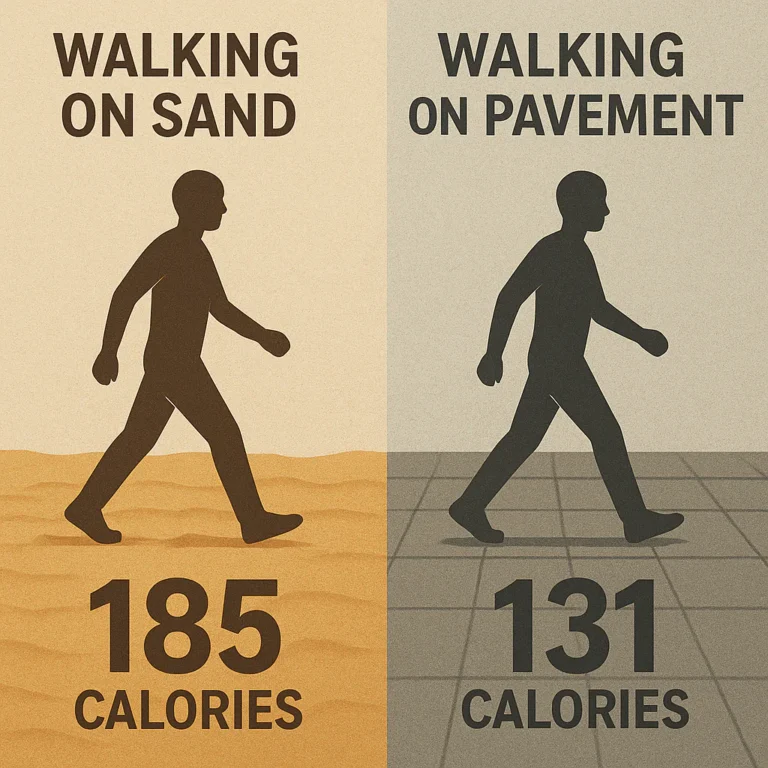
Ever feel like your treadmill routine has hit a wall, burning the same calories with the same bored expression? We’ve been there too, until we traded the rubber belt for the shifting grains of the shoreline. Here’s a mind-bending fact: walking on soft sand can burn up to 50% more calories than walking on pavement, all while your joints thank you for the low-impact cushion. But is this “free” workout actually a hidden trap for your ankles, or the ultimate secret weapon for a stronger core?
In this deep dive, we’re stripping away the myths to reveal exactly how the physics of sand transforms your gait, torches fat, and builds muscle in ways concrete never could. We’ll also uncover the three hidden downsides that could sideline you if you aren’t careful, and share our expert-tested strategy to walk the beach without ending up in a cast. Whether you’re a barefoot purist or a sneaker-wearing skeptic, the answer to “How does walking on sand impact physical fitness?” might just change your entire workout routine.
Key Takeaways
- 🔥 Massive Calorie Burn: Walking on soft sand increases energy expenditure by 20% to 50% compared to hard surfaces due to the instability and energy absorption.
- 🦵 Full-Body Sculpting: The shifting terrain forces your calves, glutes, hamstrings, and core to work harder, providing a superior strength-building workout.
- ⚠️ Injury Awareness: While low-impact on joints, the uneven surface poses risks for ankle sprains and shin splints, requiring proper footwear and gradual progression.
- 🧘 Mental & Physical Boost: Beyond fitness, beach walking reduces cortisol levels and improves balance through enhanced proprioception.
- 👟 Gear Matters: Choosing the right footwear (or going barefoot safely) is critical to maximizing benefits and minimizing the risk of cuts or strains.
Table of Contents
- ⚡️ Quick Tips and Facts
- 🏖️ From Ancient Strolls to Modern Science: The History of Sand Walking
- 🏃 ♂️ The Physics of Shifting Ground: How Sand Changes Your Gait
- 🔥 The Calorie Burn Breakdown: Why Sand Walking torches Fat Faster
- 🦵 Muscle Activation Deep Dive: Engaging Your Calves, Glutes, and Core
- 🦶 Barefoot vs. Shoes: The Great Footwear Debate on Soft Surfaces
- 🩹 Injury Risks Uncovered: Ankle Sprains, Shin Splints, and Overuse
- 🌞 Sun Safety and Hydration: Navigating the Elements While Walking
- 🧘 ♀️ Mental Health Boost: How the Beach Reduces Stress and Anxiety
- 🌅 Timing Your Tides: When to Walk for Maximum Fitness Gains
- 📊 The 5 Major Benefits of Walking on Sand for Physical Fitness
- ⚠️ The 3 Hidden Downsides You Need to Know Before You Go
- 🏆 Curated, Quality Products to Get You Moving Again
- 🏃 ♀️ Make the Most of Your Walks Along the Beach
- 👣 Enjoy Long Walks on the Beach (and Everywhere Else!) with OrthoSouth
- 🏁 Conclusion
- 🔗 Recommended Links
- ❓ FAQ
- 📚 Reference Links
⚡️ Quick Tips and Facts
Before you lace up (or kick off those shoes) and hit the shoreline, let’s drop some rapid-fire knowledge that will change how you view your next beach stroll. Did you know that walking on sand isn’t just a leisurely activity; it’s a full-body resistance workout disguised as a vacation?
Here is the lowdown from our team at Health Facts™:
- 🔥 The Calorie Crunch: Walking on soft sand can burn up to 50% more calories than walking on a firm, paved surface. Why? Because your muscles are constantly fighting gravity and instability.
- 🦵 The Muscle Map: It’s not just your legs! Sand walking engages your calves, glutes, hamstrings, quadriceps, and even your core to a much higher degree than treadmill walking.
- 🦶 The Barefoot Bonus: Going barefoot stimulates thousands of nerve endings, improving proprioception (your body’s awareness of its position in space) and acting as a natural foot massage.
- ⚠️ The “Sneaker” Warning: Be careful of “sneaker waves” that can knock you off balance, and always watch out for sharp shells or debris.
- ☀️ The Vitamin D Boost: A beach walk is a triple threat: exercise, fresh air, and Vitamin D synthesis (50–90% of our daily intake comes from the sun!).
For more on how the environment affects your well-being, check out our deep dive on Health Facts About going to the beach.
But here is the million-dollar question: Is the extra burn worth the extra strain on your joints? We’ll uncover the answer as we dig deeper into the science of shifting sands.
🏖️ From Ancient Strolls to Modern Science: The History of Sand Walking

You might think walking on the beach is a modern wellness trend, but humans have been strolling on sand since the dawn of time! While we don’t have ancient texts titled “The 10 Best Sand Walking Routines,” history tells us that coastal living has always been linked to longevity and vitality.
The Evolution of the Beach Walk
- Ancient Times: Early civilizations used the shoreline for travel and trade. The rhythmic motion of walking on sand was simply a necessity, not a workout. However, the low-impact nature of the surface likely spared our ancestors from the joint degeneration seen in those who walked exclusively on rocky or hard-packed earth.
- The 19th Century: The concept of “sea bathing” and coastal walking became a prescribed therapy for respiratory issues and general debility. Doctors began to recognize the therapeutic benefits of the sea air and the unique terrain.
- Modern Era: Today, sports scientists and physical therapists have quantified what our ancestors felt intuitively. Studies now confirm that the unstable surface of sand forces the body to recruit more muscle fibers, making it a superior conditioning tool.
As we explore the physics of this ancient practice, you might wonder: How exactly does a pile of tiny rocks turn into a gym? Let’s break down the mechanics.
🏃 ♂️ The Physics of Shifting Ground: How Sand Changes Your Gait
When you walk on pavement, the ground is a static partner. It doesn’t move. When you walk on sand, the ground is a dynamic opponent. Every step is a negotiation.
The Mechanics of Instability
- Energy Absorption: Unlike concrete, which reflects energy back to your body (propelling you forward), sand absorbs energy. Your foot sinks in, and the sand shifts. To move forward, you must exert extra force to push off.
- The “Sinking” Effect: On soft sand, your heel sinks deeper than your toe, altering your natural gait. This forces your calf muscles to work overtime to stabilize the ankle.
- The Slope Factor: As noted in a popular fitness video on this topic, “The slope of the beach” creates an uneven plane. “So keep that in mind,” the video advises, because walking on a slope can lead to muscle imbalances if you don’t adjust your stride.
Gait Alterations
| Feature | Walking on Pavement | Walking on Soft Sand |
|---|---|---|
| Surface Stability | High (Static) | Low (Dynamic) |
| Energy Return | High (Bouncy) | Low (Sinking) |
| Muscle Recruitment | Moderate | High (Full Body) |
| Impact Force | High | Low (Shock Absorbing) |
| Stride Length | Consistent | Variable (Shorter) |
This constant adjustment is why you feel more fatigued after 20 minutes on the beach than an hour on the treadmill. But is this fatigue a sign of a good workout or a warning sign? We’ll discuss the risks in a moment.
🔥 The Calorie Burn Breakdown: Why Sand Walking Torches Fat Faster
Let’s get to the numbers, because we know you’re here for the results. If you are looking to shed pounds, the beach is your secret weapon.
The Math of the Burn
Research indicates that walking on soft sand can increase caloric expenditure by 20% to 50% compared to walking on a firm surface at the same speed.
- Why? Your body has to stabilize itself against the shifting surface. This requires isometric contractions in your stabilizer muscles, which burn calories even when you aren’t moving forward.
- The “Push” Factor: You are essentially pushing against a surface that gives way. This is similar to resistance training.
Fun Fact: A 2020 study found that participants who walked on sand saw a more significant reduction in waist circumference compared to those walking on pavement, even with similar calorie intake.
Is it Sustainable?
While the burn is higher, the pace is slower. You can’t sprint on soft sand without risking injury. Therefore, the total calories burned per minute might be comparable to a brisk walk on pavement, but the intensity (heart rate) is often higher due to the effort required.
🦵 Muscle Activation Deep Dive: Engaging Your Calves, Glutes, and Core
If you thought sand walking was just a leg day, think again. It’s a full-body sculpting session.
Targeted Muscle Groups
- Calves (Gastrocnemius & Soleus): These are the MVPs of sand walking. They work double-time to stabilize the ankle and push off the sinking surface.
- Glutes (Maximus & Medius): The instability forces your glutes to fire constantly to keep your pelvis level.
- Quadriceps: They engage deeply to control the descent of your foot into the sand.
- Core (Abs & Obliques): Your torso must twist and stabilize to maintain balance on the uneven ground.
- Foot Intrinsics: The tiny muscles inside your feet work to grip the sand, strengthening the arch.
The “Barefoot” Advantage
Walking barefoot allows for a more natural range of motion. As noted by experts at The Jackson Clinics, “Thick-soled shoes can dull this sense, but sand revitalizes it, enhancing your overall body awareness.” This natural movement strengthens the plantar fascia and improves foot mechanics.
🦶 Barefoot vs. Shoes: The Great Footwear Debate on Soft Surfaces
This is the most contentious topic in beach fitness. Should you go barefoot or wear shoes? The answer depends on your goals and your foot health.
Barefoot Walking
- Pros:
Proprioception: Enhances balance and body awareness.
Natural Exfoliation: Sand acts as a gentle scrub for dead skin.
Muscle Strengthening: Forces foot muscles to work harder.
Grounding: Some studies suggest a connection to reduced inflammation (though more research is needed). - Cons:
Injury Risk: Sharp shells, glass, and hot sand can cause cuts or burns.
Diabetes Warning: Individuals with diabetes must wear shoes to prevent unnoticed cuts and infections.
Walking with Shoes
- Pros:
Protection: Shields feet from debris and extreme heat.
Support: Good for those with flat feet or existing ankle instability.
Endurance: Allows for longer walks without foot fatigue. - Cons:
Dulled Sensation: Thick soles reduce the sensory feedback from the ground.
Sand Ingress: Sand can get inside shoes, causing blisters.
Our Verdict: Start with supportive sandals or water shoes for longer distances. If you want the barefoot benefits, start with short intervals (5-10 minutes) on clean, cool sand.
🩹 Injury Risks Uncovered: Ankle Sprains, Shin Splints, and Overuse
We promised to balance the enthusiasm with reality. While sand walking is low-impact, it is not low-risk if you overdo it.
Common Injuries
- Ankle Sprains: The uneven surface is a recipe for rolling ankle.
- Shin Splints: The increased demand on the calf and tibialis anterior muscles can lead to inflammation.
- Achilles Tendinitis: The constant stretching and pushing can aggravate the Achilles tendon.
- Plantar Fascitis: For those with weak arches, the lack of support can trigger pain.
Who Should Avoid It?
According to OrthoSouth, physical therapists advise avoiding beach walks if you have:
- Current knee pain.
- Recent surgery.
- A limp or gait abnormality.
- Severe arthritis in the feet or ankles.
Quote: “The unpredictable surface can put extra strain and stress on your joints.”
Pro Tip: Always warm up on a solid surface (like a boardwalk) before stepping onto the soft sand.
🌞 Sun Safety and Hydration: Navigating the Elements While Walking
You can’t talk about beach fitness without talking about the sun. The beach environment is a triple threat: Sun, Wind, and Salt.
Sun Protection
- SPF 30+: Apply broad-spectrum sunscreen 15 minutes before walking. Reapply every 2 hours.
- UV Index: Even on cloudy days, UV rays can burn. Check the local UV index.
- Gear: Wear a wide-brimed hat, UV-protective sunglasses, and lightweight, long-sleeved shirts.
Hydration
- The Wind Factor: The ocean breeze can make you feel cooler, masking sweat loss. You can become dehydrated without realizing it.
- Water Intake: Bring a water bottle for any walk exceeding 30 minutes.
- Electrolytes: If you are sweating heavily, consider an electrolyte drink to replace lost salts.
🧘 ♀️ Mental Health Boost: How the Beach Reduces Stress and Anxiety
It’s not just about muscles; it’s about the mind. The beach is a natural stress-buster.
The Science of “Blue Mind”
A 2019 study indicated that spending at least two hours in nature per week significantly lowers cortisol (the stress hormone) levels. The rhythmic sound of waves, the visual expanse of the horizon, and the fresh air create a meditative state.
Grounding and Mindfulness
Focusing on the sensation of the sand beneath your feet adds a meditative quality to your walk. This mindfulness practice helps disconnect from digital stressors and reconnect with the present moment.
🌅 Timing Your Tides: When to Walk for Maximum Fitness Gains
Not all beach walks are created equal. The tide and the time of day play a massive role in your workout quality.
The Tide Factor
- Low Tide: Exposes more soft, deep sand. Great for high-intensity resistance training, but harder on the feet.
- High Tide: Exposes hard-packed, wet sand near the waterline. This is easier on the joints and allows for a faster pace, making it ideal for cardio.
- Strategy: Walk on the hard-packed sand for a warm-up, then venture into the soft sand for intervals.
Time of Day
- Early Morning: Cooler temperatures, fewer crowds, and softer sand (less baked by the sun).
- Late Afternoon: Beautiful light, but watch out for the “golden hour” heat if you are sensitive.
📊 The 5 Major Benefits of Walking on Sand for Physical Fitness
Let’s recap the top reasons to make sand walking a staple in your routine.
- Increased Caloric Burn: Burn up to 50% more calories due to instability.
- Muscle Strengthening: Targets calves, glutes, quads, and core more effectively than pavement.
- Low-Impact Conditioning: The sand absorbs shock, reducing stress on knees and hips.
- Improved Balance & Proprioception: Enhances stability and coordination.
- Mental Well-being: Reduces cortisol and boosts Vitamin D.
⚠️ The 3 Hidden Downsides You Need to Know Before You Go
We’ve highlighted the pros, but let’s be real about the cons.
- Injury Potential: The uneven terrain can worsen existing back, ankle, or knee pain if you aren’t careful.
- Lack of Foot Support: Walking barefoot or in flimsy flip-flops increases the risk of cuts, burns, and strain.
- Environmental Hazards: Sharp objects, “sneaker” waves, and extreme sun exposure are real dangers.
🏆 Curated, Quality Products to Get You Moving Again
Ready to hit the beach? You need the right gear. Here are our top picks for footwear and accessories that balance support with the freedom of sand walking.
Top Footwear Picks
| Product | Design (1-10) | Functionality (1-10) | Durability (1-10) | Best For |
|---|---|---|---|---|
| Teva Hurricane XLT2 | 9 | 10 | 9 | All-day support & drainage |
| Chaco Z/Cloud 2 | 8 | 9 | 10 | Arch support & rugged terrain |
| Merell Hydro Moc | 7 | 8 | 8 | Quick-dry & casual comfort |
| Birkenstock Arizona Soft Footbed | 9 | 7 | 9 | Casual walking & style |
Detailed Analysis
Teva Hurricane XLT2
- Why we love it: These sandals are the gold standard for beach walking. They feature a quick-dry webing upper and a shock-absorbing EVA midsole.
- Functionality: The adjustable straps ensure a custom fit, preventing sand from getting in. The outsole provides excellent traction on wet rocks and soft sand.
- Verdict: Perfect for those who want the barefoot feel with maximum protection.
👉 Shop Teva on:
- Amazon: Teva Hurricane XLT2 Search
- Teva Official: Teva Website
Chaco Z/Cloud 2
- Why we love it: Known for their LUVSEAT™ footbed, these offer incredible arch support, which is crucial for sand walking.
- Functionality: The durable rubber outsole handles rough terrain, and the adjustable strap system keeps the foot secure.
- Verdict: Ideal for long-distance walkers with flat feet or high arches.
👉 Shop Chaco on:
- Amazon: Chaco Z/Cloud 2 Search
- Chaco Official: Chaco Website
Merell Hydro Moc
- Why we love it: A modern, lightweight option that dries instantly.
- Functionality: Great for water activities and short beach walks. Less structured than Tevas or Chacos, but very comfortable.
- Verdict: Best for casual strolls and water play.
👉 Shop Merell on:
- Amazon: Merell Hydro Moc Search
- Merell Official: Merell Website
🏃 ♀️ Make the Most of Your Walks Along the Beach
Now that you have the gear, let’s talk strategy. How do you maximize your workout without burning out?
The Progressive Training Plan
- Week 1: Walk on hard-packed sand for 15 minutes. Focus on form.
- Week 2: Add 5 minutes of soft sand walking.
- Week 3: Introduce intervals: 2 minutes soft sand, 3 minutes hard sand.
- Week 4: Increase soft sand duration to 10-15 minutes.
The “Zig-Zag” Technique
As mentioned by OrthoSouth, the beach often slopes. To avoid muscle imbalances, walk a quarter of your distance, turn around, and repeat. This ensures both sides of your body get equal work.
Wind Strategy
Walk into the wind while you are fresh. Let the wind push you on the way back when you are tired. It’s a natural way to vary intensity.
👣 Enjoy Long Walks on the Beach (and Everywhere Else!) with OrthoSouth
If you are experiencing pain, don’t push through it. OrthoSouth specializes in sports medicine and physical therapy to help you get back to your active lifestyle. Whether you need an MRI, a consultation for a sprained ankle, or a custom rehabilitation plan, their team of experts is ready to help.
Remember: The goal is a healthy, active life. If the beach is causing pain, it’s time to consult a professional.
Learn more about OrthoSouth services:
- OrthoSouth Official: OrthoSouth Website
- Patient Education: The Pros & Cons of Walking on the Beach
🏁 Conclusion

So, does walking on sand impact physical fitness? Absolutely. It is a potent, low-impact workout that torches calories, strengthens muscles, and boosts mental health. However, it comes with a caveat: respect the terrain.
The shifting sands demand more from your body, which is why you burn more calories and build more strength. But this same instability can lead to injuries if you aren’t prepared. The key is progression. Start slow, wear the right shoes (or go barefoot safely), and listen to your body.
The Verdict:
- ✅ Do: Warm up, hydrate, use sunscreen, and alternate between hard and soft sand.
- ❌ Don’t: Ignore pain, walk barefoot on hot or debris-filled sand, or push through existing joint issues.
By balancing the benefits of increased muscle activation and calorie burn with the risks of instability and sun exposure, you can turn your beach walk into a powerful fitness tool. Whether you are a seasoned runner or a casual stroller, the beach offers a unique environment that no treadmill can replicate.
Ready to take the plunge? Grab your water bottle, check the tide, and hit the sand. Your body (and your mind) will thank you.
🔗 Recommended Links
Here are some essential resources to help you get started on your beach fitness journey:
- Footwear:
- Teva Sandals on Amazon
- Chaco Sandals on Amazon
- Merell Water Shoes on Amazon
- Sun Protection:
- SPF 50+ Sunscreen on Amazon
- UV Protective Clothing on Amazon
- Books:
- The Barefoot Running Book on Amazon
- Beach Fitness Workouts on Amazon
❓ FAQ

How often should you walk on sand to see fitness improvements?
To see noticeable improvements in strength and endurance, aim for 3 to 4 sessions per week. Start with 15-20 minutes and gradually increase to 45-60 minutes. Consistency is key, but allow your body 48 hours to recover between intense sand sessions to prevent overuse injuries.
What are the challenges of walking on sand for beginners?
Beginers often struggle with balance and fatigue. The unstable surface can feel disorienting, and the increased muscle demand can lead to soreness in the calves and feet. It is crucial to start on hard-packed sand and wear supportive footwear until your body adapts.
How does walking on sand influence cardiovascular fitness?
Walking on sand increases the heart rate more than walking on pavement at the same speed due to the extra effort required to stabilize and push off. This makes it an effective cardiovascular workout that can improve heart health and stamina.
Read more about “10 Beach Exercise Routines for Fitness That Actually Work! 🌊 (2025)”
Is walking on sand better for joint health than walking on hard surfaces?
Yes, generally. The sand acts as a natural shock absorber, reducing the impact force on the knees, hips, and spine. This makes it an excellent option for individuals with arthritis or joint pain. However, the instability can be risky for those with existing ankle or knee instability.
Read more about “🏖️ Sand vs. Pavement: The Shocking Calorie Burn Truth (2026)”
Can walking on sand improve balance and stability?
Absolutely. The uneven surface forces your body to constantly adjust, engaging stabilizer muscles and improving proprioception. This enhanced balance can reduce the risk of falls in daily life.
How does walking on sand affect calorie burning compared to walking on pavement?
Walking on soft sand can burn 20% to 50% more calories than walking on pavement. The increased energy expenditure is due to the body’s need to stabilize itself against the shifting surface.
What are the benefits of walking on sand for muscle strength?
Sand walking targets the calves, glutes, quadriceps, hamstrings, and core more intensely than hard surfaces. The instability requires greater muscle recruitment, leading to improved strength and tone.
Does walking on sand burn more calories than walking on pavement?
Yes. Studies show that the energy cost of walking on sand is significantly higher. A 150-pound person can burn an extra 10-150 calories per hour walking on soft sand compared to pavement.
What are the benefits of walking barefoot on sand for muscle strength?
Walking barefoot allows for a more natural foot strike, strengthening the intrinsic foot muscles and improving arch support. It also enhances proprioception, leading to better overall balance and coordination.
How does walking on soft sand affect knee and ankle joints?
While the impact is lower, the instability is higher. This can beneficial for reducing joint pain but risky for those with weak ankles or previous injuries. Proper footwear and gradual progression are essential.
Is walking on the beach good for improving balance and stability?
Yes. The uneven terrain challenges your balance system, forcing your body to adapt and strengthen the muscles responsible for stability. This is particularly beneficial for older adults looking to prevent falls.
What is the best time of day to walk on sand for maximum fitness results?
Early morning is often ideal. The sand is cooler, the crowds are fewer, and the air is fresh. However, low tide provides the best mix of hard-packed and soft sand for a varied workout.
Can walking on sand help reduce lower back pain?
For some, yes. The low-impact nature of sand walking can reduce strain on the lower back. However, the instability can aggravate pain in others. It is recommended to consult a physical therapist before starting if you have chronic back issues.
Read more about “15 Daily Facts on Posture and Spinal Health You Can’t Ignore 🦴 (2026)”
How long should I walk on sand to see fitness improvements?
Aim for at least 30 minutes per session, 3-4 times a week. Consistency and gradual progression are more important than duration. Start with shorter walks and build up as your strength and endurance improve.
📚 Reference Links
- University of Maryland Medical Center: Taking Fitness to the Beach – Walking on Sand
- OrthoSouth: The Pros & Cons of Walking on the Beach
- The Jackson Clinics: Walking Barefoot
- Teva: Official Website
- Chaco: Official Website
- Merell: Official Website
- Health Facts™ Environmental Health: Environmental Health Category
- Health Facts™ Chronic Diseases: Chronic Diseases Category
- Health Facts™ Children’s Health: Children’s Health Category
- Health Facts™ Allergies and Immunity: Allergies and Immunity Category
- Health Facts™ Digital Health: Digital Health Category