Support our educational content for free when you purchase through links on our site. Learn more
Health Psychology: How Your Mind Shapes Your Health 🧠

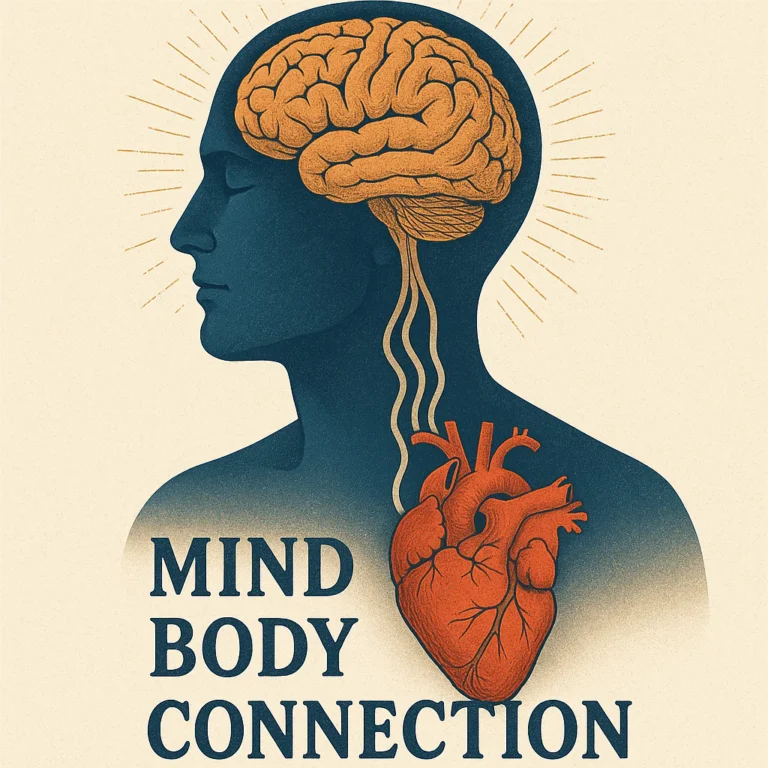
Health psychology explains how our thoughts, behavior, biology, and surroundings interact to influence health and illness. It can help us understand health habits, cope with long-term conditions, improve communication with healthcare professionals, and make care more responsive to real life.
Picture someone who wants to follow a treatment plan but keeps missing doses because the instructions are confusing and their work schedule changes every week. Health psychology looks beyond “try harder” to ask what’s getting in the way—and how the plan could fit the person’s life better.
That whole-person perspective is useful for prevention, pain management, recovery, and day-to-day well-being. It doesn’t mean illness is “all in your head” or replace medical care; it helps explain how psychological and social factors interact with physical health.
Key Takeaways
- Health psychology studies how biological, psychological, behavioral, and social factors interact to shape health, illness, and healthcare.
- It is broader than therapy: health psychologists may provide clinical support, conduct research, teach, or help improve healthcare services and public-health programs.
- Health behavior is shaped by circumstances, not willpower alone. Stress, symptoms, culture, finances, work, and access to care can all affect what feels possible.
- Practical, supportive changes beat blame. Clear goals, manageable steps, and plans tailored to everyday life can support healthier habits.
- Psychological care can complement medical treatment for coping, pain, treatment participation, and quality of life—it does not replace medical diagnosis or care.
Table of Contents
- ⚡ Quick Tips and Facts
- 🧠 What Is Health Psychology?
- How Health Psychology Differs from Related Fields
- The Biopsychosocial Model of Health and Illness
- 📜 How Health Psychology Developed
- Key Milestones in the Field
- Health Psychology Around the World
- 🎯 Goals and Core Principles of Health Psychology
- 🔍 How Thoughts, Behaviors, and Environments Shape Health
- Stress, Emotions, and Physical Health
- Health Beliefs, Motivation, and Behavior Change
- Social, Cultural, and Economic Influences on Health
- 🩺 What Health Psychologists Do
- Clinical Care and Patient Support
- Research, Teaching, and Health Communication
- Health Policy and Systems Improvement
- 🏥 Major Areas of Health Psychology
- Clinical Health Psychology
- Public Health Psychology
- Community Health Psychology
- Critical Health Psychology
- Occupational Health Psychology
- 💪 Health Psychology in Prevention and Everyday Life
- Building Healthy Habits and Changing Risky Behaviors
- Sleep, Exercise, Nutrition, and Substance Use
- Preventing Illness and Supporting Health Promotion
- ❤️ Living with Illness, Disability, and Long-Term Conditions
- Chronic Illness, Coping, and Quality of Life
- Pain Management and Rehabilitation
- Mental Health and Physical Health Together
- Palliative Care, Serious Illness, and Bereavement
- 🤝 Better Healthcare Through Psychology
- Improving Doctor–Patient Communication
- Supporting Treatment Adherence and Shared Decisions
- Culturally Responsive and Patient-Centered Care
- 🧪 Health Psychology Research and Evidence
- Common Research Methods and Study Designs
- Health Measures, Surveys, and Behavioral Data
- MIDUS: The Midlife in the United States Study
- Uses of MIDUS Data in Health Psychology
- Current Research Trends and New Technologies
- 🎓 Becoming a Health Psychologist
- Education, Training, and Licensure
- Career Settings and Specializations
- Health Psychology Careers in the United States, United Kingdom, and Beyond
- ⚖️ Health Psychology, Ethics, and Health Equity
- Research Ethics, Privacy, and Informed Consent
- Health Inequities and Social Justice
- Critical Analysis of Health Policy
- ❓ Frequently Asked Questions About Health Psychology
- ✅ Conclusion
- 🔗 Recommended Links
- 📚 Reference Links
⚡ Quick Tips and Facts
Health psychology explores how thoughts, emotions, behavior, biology, and social conditions interact to shape health and illness. For a quick companion read, see psychology facts about health.
| Quick fact | What it means for you |
|---|---|
| Mind and body influence each other | Stress, beliefs, habits, symptoms, and medical conditions can affect one another. That does not mean symptoms are “all in your head.” |
| Health psychology is broader than therapy | Health psychologists may provide clinical support, conduct research, improve health communication, or help design prevention programs. |
| Context matters | Money, work, culture, family support, access to care, and neighborhood conditions can make healthy choices easier—or much harder. |
| Behavior change is a process | Small, realistic steps and supportive environments tend to be more useful than shame, blame, or an all-or-nothing plan. |
| It can complement medical care | Psychological approaches can support coping, pain management, treatment participation, and quality of life. They do not replace needed medical diagnosis or treatment. |
✅ A practical starting point: Pick one health goal, notice what helps or gets in the way, and discuss persistent symptoms or treatment concerns with a qualified healthcare professional. For more on how surroundings shape well-being, explore Environmental Health.
🧠 What Is Health Psychology?
Health psychology is the scientific study of how psychological and behavioral processes relate to health, illness, and healthcare. It asks questions like: Why is it difficult to follow a treatment plan even when we want to? How does chronic stress affect well-being? What makes health information understandable and useful?
The American Psychological Association describes health psychology as a field concerned with how biological, social, and psychological factors influence health and illness. In practice, this means looking beyond a diagnosis to understand the person living with it.
How Health Psychology Differs from Related Fields
These specialties overlap, but their main focus can differ:
| Field | Primary focus | Example |
|---|---|---|
| Health psychology | Psychological, behavioral, and social influences on physical health and healthcare | Studying why patients struggle with a prescribed routine and helping make it more workable |
| Clinical psychology | Assessment and treatment of mental, emotional, and behavioral difficulties | Treating depression or anxiety, which may occur with or without a physical health condition |
| Behavioral medicine | Interdisciplinary application of behavioral and biomedical knowledge | A team combining medical care with behavior-change support |
| Public health | Health patterns and prevention across populations | Designing a vaccination campaign or community screening program |
| Psychiatry | Medical assessment and treatment of mental health conditions | A psychiatrist assessing whether medication may be appropriate |
A health psychologist may work clinically, but not every health psychologist is a therapist. Some specialize in research, teaching, workplace well-being, or public-health program design. Training, professional titles, and scope of practice vary by country and role.
The Biopsychosocial Model of Health and Illness
The biopsychosocial model treats health as the result of interacting influences, rather than a simple contest between “physical” and “mental.”
| Influence | Examples | How it may matter |
|---|---|---|
| Biological | Genes, infection, hormones, injury, medication | Shapes physical vulnerability, symptoms, and treatment options |
| Psychological | Beliefs, mood, attention, coping, expectations | Can influence distress, health decisions, and responses to symptoms |
| Behavioral | Sleep, movement, eating, smoking, medication routines | Can affect risk, recovery, and day-to-day functioning |
| Social and environmental | Family, culture, income, work, housing, access to care | Can shape exposure to risk and the practical ability to seek support |
The model does not say that a person caused their illness by thinking incorrectly. It helps clinicians ask a fuller set of questions: What is happening biologically? How is the person coping? What support and barriers exist around them?
📜 How Health Psychology Developed
Health psychology grew as healthcare increasingly recognized that disease, behavior, emotion, and social conditions interact. Biomedical care remains essential, but a purely biological explanation may not answer every practical question about prevention, coping, or treatment participation.
The field now connects psychological science with medicine, public health, rehabilitation, and health communication. The APA’s Society for Health Psychology describes a profession spanning research, education, and clinical practice.
Key Milestones in the Field
Rather than a single discovery, health psychology developed through several shifts:
- From symptoms alone to the whole person: Researchers and clinicians began examining how social context and behavior relate to illness and care.
- From treating illness to preventing it: Health behavior research expanded into areas such as smoking cessation, physical activity, screening, and adherence.
- From one-way instructions to collaboration: Patient-centered communication and shared decisions became increasingly important topics.
- From individual responsibility to wider context: Contemporary approaches examine how workplaces, communities, policies, and unequal access shape health.
The World Health Organization’s Constitution defines health broadly, including physical, mental, and social well-being. That broad view aligns with health psychology’s interest in more than disease alone.
Health Psychology Around the World
Health psychology is an international field, but professional pathways differ. In the United States, psychologists’ clinical practice generally requires meeting state licensing requirements. In the United Kingdom, health psychology training and professional recognition are associated with the British Psychological Society. The European Health Psychology Society supports research and collaboration across countries.
In Australia, the Australian Psychological Society provides information about psychology and professional pathways. Do not assume that a job title means the same thing everywhere: check local registration, training, and scope-of-practice rules.
🎯 Goals and Core Principles of Health Psychology
Health psychology aims to improve health and well-being by understanding how people and systems affect one another. Its work commonly includes:
- Promoting health and preventing illness
- Supporting people living with illness, pain, disability, or treatment demands
- Improving communication between patients and healthcare teams
- Studying barriers to care and effective interventions
- Helping organizations create healthier services and environments
A central principle is that advice only helps when it can be used in real life. A plan that ignores shift work, caregiving, medication side effects, transport, cost, cultural preferences, or symptoms may look tidy on paper and fail at the kitchen table.
🔍 How Thoughts, Behaviors, and Environments Shape Health
Health is not controlled by willpower alone. Our habits are influenced by routines, resources, relationships, symptoms, culture, stress, and the choices available around us. Health psychologists study these influences to identify support that is practical rather than preachy.
Stress, Emotions, and Physical Health
Stress is a normal response to demands. The body’s stress systems can be useful in the short term, but prolonged or repeated stress may affect sleep, mood, concentration, and health-related behavior. The National Institute of Mental Health explains common stress responses and when support may be helpful.
Stress does not explain every symptom, and a symptom should not be dismissed as psychological without appropriate assessment. Headaches, stomach symptoms, pain, and fatigue can have many causes. If symptoms are new, severe, worsening, or concerning, seek medical advice.
Useful coping supports may include:
- Breaking a problem into manageable steps
- Practicing relaxation or paced breathing
- Seeking social support
- Improving sleep routines where possible
- Asking a clinician about persistent symptoms or treatment effects
Health Beliefs, Motivation, and Behavior Change
People make health decisions based on what they believe, what they value, what they fear, and what feels possible. Someone may understand that movement is beneficial yet avoid it because of pain, unsafe surroundings, low energy, or a previous discouraging experience.
A practical behavior-change sequence looks like this:
- Choose one specific behavior. “Walk for ten minutes after lunch twice this week” is clearer than “get healthier.”
- Find the friction. What could interrupt the plan: time, symptoms, weather, cost, confidence, or caregiving?
- Make the first step easier. Prepare shoes, ask a friend, adapt the activity, or choose an indoor option.
- Track what you learn. A missed day is information about the plan, not proof of personal failure.
- Review and adjust. Keep what works; change what does not.
- Ask for professional support when needed. A clinician can help adapt a goal to your health circumstances.
For general activity guidance, the CDC’s physical activity recommendations offer evidence-based targets, while recognizing that individual needs vary.
Social, Cultural, and Economic Influences on Health
Health choices happen within real-world conditions. Reliable transport, stable housing, time off work, safe places to exercise, affordable food, language access, and respectful care can all affect health. The CDC’s social determinants of health resources explain how the conditions in which people live and work shape health outcomes.
This perspective changes the question from “Why didn’t the person follow the plan?” to “What made the plan difficult, and what could make it more achievable?” That shift matters for individuals, clinicians, employers, and policymakers.
🩺 What Health Psychologists Do
Health psychologists may work with individuals, families, clinical teams, communities, organizations. Their responsibilities depend on training and setting, but may include:
- Assessing how illness, stress, behavior, or treatment affects a person
- Supporting coping and adjustment to diagnosis or disability
- Helping with health-related behavior change
- Researching health risks, care experiences, and interventions
- Improving patient education and clinician communication
- Advising on prevention programs, service design, or health policy
They often collaborate with physicians, nurses, social workers, dietitians, pharmacists, and other professionals. A health psychologist does not replace a physician for medical diagnosis or treatment.
Clinical Care and Patient Support
In a clinic or hospital, support might involve coping with a new diagnosis, managing distress during treatment, adapting to long-term symptoms, or building strategies for pain and rehabilitation. Depending on the person’s needs and the practitioner’s qualifications, care may include assessment, psychological therapy, education, or referral to another specialist.
The NHS overview of clinical health psychology describes how psychological support can be part of care for people with physical health problems. Availability and referral routes vary by location.
Research, Teaching, and Health Communication
Researchers study how health behaviors develop, why people experience barriers to care, and whether interventions work. Methods may include interviews, surveys, observational studies, longitudinal research, experiments, and randomized trials.
Health psychologists may also teach clinicians how to communicate clearly, explain difficult information, and support behavior change. This work matters because medical instructions are only useful when patients can understand and act on them.
Health Policy and Systems Improvement
Health psychologists can help evaluate services and identify where systems create unnecessary barriers. For example, research might test whether appointment reminders improve attendance, whether a translated resource is understandable, or whether a workplace change reduces stress.
A policy-focused approach considers both individual experience and population-level patterns. The WHO’s social determinants framework provides useful context for understanding why health opportunities are not evenly distributed.
🏥 Major Areas of Health Psychology
The field includes overlapping specialties. Labels may differ among universities, professional organizations, and countries, but these broad areas help explain the range of work.
| Area | Main level of focus | Example questions |
|---|---|---|
| Clinical health psychology | Individual care and clinical teams | How can a patient cope with treatment or persistent pain? |
| Public health psychology | Populations and prevention | Which communication strategy supports screening? |
| Community health psychology | Communities and local systems | How can residents shape a useful health program? |
| Critical health psychology | Power, inequality, and policy | Who benefits from a health policy, and who faces barriers? |
| Occupational health psychology | Work and employee well-being | How do job demands and control affect health? |
Clinical Health Psychology
Clinical health psychology applies psychological knowledge to physical health and healthcare. Practitioners may support people with cancer, cardiovascular conditions, chronic pain, neurological conditions, or recovery after injury. The aim is not to suggest that illness is caused by a person’s mindset; it is to support coping, functioning, communication, and care alongside medical treatment.
Public Health Psychology
Public health psychology studies psychological and social influences on health at the population level. It may inform prevention campaigns, screening programs, vaccination communication, or strategies to reduce tobacco use. A good program considers the audience’s concerns and circumstances rather than assuming that more information automatically changes behavior.
For public-health context and guidance, see the WHO health topics directory.
Community Health Psychology
Community health psychology works with communities to understand local needs and develop relevant interventions. Community members are partners, not simply recipients of a program. Projects may focus on access to care, maternal and child health, social support, or local health education.
Issues affecting children and families may also connect with Children’s Health resources.
Critical Health Psychology
Critical health psychology examines how power, inequality, identity, and policy shape health and healthcare. It asks whether services are accessible, whose experiences are represented in research, and how social conditions affect health opportunities.
This lens helps balance personal-level recommendations with structural realities. Telling someone to reduce stress is not enough if the main stressor is unsafe housing, discrimination, or an inflexible job.
Occupational Health Psychology
Occupational health psychology studies how work affects health and how workplaces can support well-being. Topics include job demands, decision-making control, workplace relationships, fatigue, burnout, and safety.
Potential supports include clearer expectations, reasonable workloads, employee participation, adequate rest, and access to appropriate occupational health resources. Individual coping skills can help, but they should not be used as a substitute for addressing harmful working conditions.
💪 Health Psychology in Prevention and Everyday Life
Prevention is more than knowing what is healthy. It involves creating routines and environments that make beneficial actions doable, while recognizing that illness risk is influenced by factors beyond personal choice.
Building Healthy Habits and Changing Risky Behaviors
Health psychologists may use goal-setting, problem-solving, motivational approaches, cognitive-behavioral strategies, and environmental cues to support behavior change. The right approach depends on the person and behavior; there is no universal trick that works for everyone.
| Common barrier | More useful response than “try harder” |
|---|---|
| Forgeting a routine | Pair it with an existing habit or use a reminder |
| Low confidence | Start with a smaller step and build gradually |
| Pain or fatigue | Ask a healthcare professional about safe adaptations |
| Lack of time | Find a brief, realistic option that fits the day |
| Cost or access | Identify community resources or lower-barier alternatives |
| Setbacks | Review the plan and restart without treating one missed day as failure |
For tobacco cessation, support can include counseling and approved treatments; the CDC’s quit-smoking resources outline options. If alcohol or substance use is a concern, a clinician can help assess risk and discuss appropriate support.
Sleep, Exercise, Nutrition, and Substance Use
Everyday health behaviors are linked to physical and mental well-being, but they are not simple measures of character. Illness, medications, shift work, caregiving, stress, and financial access can all affect routines.
- Sleep: Persistent sleep problems can affect mood, concentration, and daily functioning. The CDC sleep guidance offers general information; ongoing insomnia or severe daytime sleepiness deserves professional assessment.
- Physical activity: Choose movement that fits ability, health needs, and access. The CDC activity guidelines provide general recommendations.
- Nutrition: Food choices are shaped by health needs, culture, time, access, and affordability. For tailored nutrition advice, consult a registered dietitian or healthcare professional.
- Smoking and alcohol: Risk reduction may require behavioral, social, and medical support. Avoid abrupt changes to prescribed medicines or substance use without professional guidance when withdrawal or other risks may apply.
Preventing Illness and Supporting Health Promotion
Health psychology contributes to prevention by studying what helps people take part in screening, vaccination, safer behaviors, and routine care. Effective communication is clear, culturally appropriate, and honest about benefits and risks.
Prevention also depends on access: reminders cannot solve a transport barrier, and a health campaign cannot replace accessible services. For immune health topics, visit Allergies and Immunity; for broader disease information, see Chronic Diseases.
❤️ Living with Illness, Disability, and Long-Term Conditions
A health condition can affect more than symptoms. It may disrupt work, family roles, finances, identity, independence, and plans for the future. Health psychology recognizes these effects while respecting that each person’s experience is different.
Chronic Illness, Coping, and Quality of Life
For people living with a long-term condition, support may focus on adapting routines, communicating with clinicians, managing distress, and protecting activities that matter. “Coping well” does not mean staying cheerful or accepting every limitation without question. It means finding workable support while acknowledging real difficulties.
Self-management should be collaborative. If a plan is too burdensome, symptoms change, or treatment feels unmanageable, discuss it with the care team rather than silently abandoning it.
Pain Management and Rehabilitation
Pain is influenced by biological processes as well as attention, emotion, prior experiences, and context. That does not mean pain is imaginary. Psychological approaches such as cognitive-behavioral therapy, relaxation, pacing, and biofeedback may help some people manage pain and function, often alongside medical care and rehabilitation.
The National Institute of Neurological Disorders and Stroke provides information about pain and its treatment. An individualized assessment is essential, especially for new, severe, or changing pain.
Mental Health and Physical Health Together
Physical illness can contribute to anxiety, low mood, or grief; mental health difficulties can also make routines and healthcare access harder. These relationships are complex and do not mean one condition is “just” the other.
Tell a healthcare professional if emotional distress is interfering with sleep, relationships, daily activities, or treatment. If there is immediate danger or a mental health emergency, contact local emergency services or a crisis service in your country.
Palliative Care, Serious Illness, and Bereavement
Psychological support can be valuable during serious illness, palliative care, and bereavement. It may help people and families discuss fears, cope with uncertainty, make care decisions, and preserve meaningful connection. Palliative care can accompany other medical treatments; it is not limited to the final days of life. The WHO palliative care overview explains its role in improving quality of life.
🤝 Better Healthcare Through Psychology
Healthcare works best when people can understand their options, ask questions, and participate in decisions. Health psychologists study how to make communication and care more accessible, respectful, and practical.
Improving Doctor–Patient Communication
Medical language can be unfamiliar, and appointments may feel rushed. Helpful communication includes listening, plain-language explanations, checking understanding, and making room for the patient’s priorities.
You can prepare for an appointment by writing down:
- Your main concern and when it began
- Symptoms, changes, and relevant medicines
- Questions about options, benefits, and risks
- Any practical barrier that could affect the plan
The AHRQ Questions Are the Answer resource offers prompts patients can use to prepare for healthcare conversations.
Supporting Treatment Adherence and Shared Decisions
“Nonadherence” can hide many different problems: side effects, confusing instructions, cost, forgetfulness, doubts, competing demands, or a plan that does not fit daily life. Instead of blaming, a clinician can ask what is getting in the way and work with the patient to adjust the approach where medically appropriate.
Shared decision-making means discussing reasonable options and considering the patient’s values and circumstances. It does not mean patients must make complex decisions alone; clinicians remain responsible for providing clear, evidence-based guidance.
Culturally Responsive and Patient-Centered Care
Patient-centered care respects a person’s language, culture, identity, lived experience, and preferences. It also recognizes that trust can be shaped by previous experiences with healthcare and by broader inequities.
Useful practice includes asking rather than assuming, arranging qualified interpretation when needed, and checking whether recommendations are feasible. The National CLAS Standards provide guidance for culturally and linguistically appropriate services in the United States.
🧪 Health Psychology Research and Evidence
Health psychology uses different research methods because health questions vary. A survey may describe experiences; a longitudinal study can track change over time; an experiment may test an intervention. Each method has strengths and limitations, so one study rarely settles a complicated health question.
Common Research Methods and Study Designs
| Method | What it can help answer | Important limitation |
|---|---|---|
| Cross-sectional survey | What patterns or associations exist now? | Cannot usually establish which factor came first |
| Longitudinal study | How do experiences change over time? | Follow-up loss and other influences can affect results |
| Randomized trial | Does an intervention cause a measurable difference under study conditions? | Results may not generalize to every setting or person |
| Qualitative interview | How do people experience a health issue or service? | Does not estimate population prevalence by itself |
| Observational study | How are real-world exposures and outcomes related? | Association alone does not prove causation |
Researchers may combine approaches to understand both measurable outcomes and the reasons behind them. For help interpreting research claims, the NIH guide to understanding clinical studies is a useful starting point.
Health Measures, Surveys, and Behavioral Data
Researchers may use self-report questionnaires, interviews, clinical records, activity or sleep measures, biomarkers, and daily diaries. Each captures a different part of the picture. Self-report can reveal someone’s experience, while a device may record movement—but neither automatically explains why a pattern occurred.
Digital tracking tools may be useful for some goals, but they can also create privacy concerns or unnecessary stress. Explore related discussions in Digital Health.
MIDUS: The Midlife in the United States Study
MIDUS is a long-running U.S. study of health and well-being across adulthood. It examines how psychological, social, behavioral, and biological factors relate to aging and health. The MIDUS project site provides study information and research resources.
Uses of MIDUS Data in Health Psychology
Researchers use MIDUS data to investigate questions such as how stress and social relationships relate to well-being over time, and how health varies across life circumstances. Large longitudinal datasets can reveal patterns that a single snapshot misses.
However, observational findings should be interpreted carefully: an association between two measures does not prove that one caused the other. Researchers must consider alternative explanations, study design, and whether results apply beyond the participants studied.
Current Research Trends and New Technologies
Current areas of interest include digital interventions, health misinformation, health equity, long-term condition self-management, stress, sleep, and how healthcare systems can support behavior change. Digital tools may increase access for some people but exclude others if they lack devices, connectivity, privacy, or accessible design.
For technology-related health topics, browse Digital Health. A useful question to ask about any new intervention is: Does it help the people it is meant to serve, in the setting where they actually live?
🎓 Becoming a Health Psychologist
Training depends on the country and whether a role involves independent clinical practice, research, teaching, or consultancy. A psychology degree alone does not automatically qualify someone to provide regulated psychological services.
Education, Training, and Licensure
A typical path may include undergraduate psychology study, postgraduate training, supervised experience, and registration or licensure where required. Clinical roles often have additional requirements. Check the relevant regulator or professional body in your location rather than relying on a generic online checklist.
- In the United States, review state requirements and the APA’s career information.
- In the United Kingdom, consult the British Psychological Society and the Health and Care Professions Council.
- For international professional resources, see the European Health Psychology Society.
Career Settings and Specializations
Health psychologists may work in hospitals, primary care, rehabilitation, universities, public-health agencies, research organizations, government, or workplace health programs. Special interests can include pain, oncology, cardiovascular health, disability, health behavior, or communication.
Some roles are primarily clinical, while others emphasize research or service improvement. Before choosing a program, check its accreditation, supervised practice opportunities, graduate outcomes, and fit with your intended career.
Health Psychology Careers in the United States, United Kingdom, and Beyond
Professional titles and permitted activities differ across regions. The same job title may not indicate identical training or legal authority everywhere. Confirm local registration and ask employers or professional bodies what qualifications are required for the specific role.
⚖️ Health Psychology, Ethics, and Health Equity
Health-related research and care involve sensitive information, unequal power, and decisions that can affect people’s lives. Ethical practice requires respect, privacy, informed consent, and transparency about what an intervention can and cannot do.
Research Ethics, Privacy, and Informed Consent
Participants should understand what a study involves, how data will be used, and what risks or benefits may apply. Digital health data can be especially sensitive: location, sleep, activity, or symptom records may reveal more than users expect.
Ask how information is stored, who can access it, and whether participation is optional. The U.S. Office for Human Research Protections provides information on research protections in the United States; laws and oversight differ internationally.
Health Inequities and Social Justice
Health equity means that everyone has a fair opportunity to attain their best possible health. It requires attention to avoidable barriers and unequal conditions, not simply identical advice for everyone.
A health psychologist may ask whether an intervention is accessible to people with disabilities, available in relevant languages, affordable, and appropriate to the community. The WHO health equity resources offer broader context.
Critical Analysis of Health Policy
Health policies can affect access to treatment, workplace conditions, public-health programs, and the distribution of resources. Critical analysis asks:
- Who helped design the policy?
- Which groups may benefit, and which may be overlooked?
- Is the policy supported by evidence?
- Can people realistically access the services it promises?
- Are outcomes being measured fairly?
These questions keep health psychology grounded in both individual experience and the systems that shape it.