Support our educational content for free when you purchase through links on our site. Learn more
🌊 10 Science-Backed Health Benefits of the Beach (2026)


You know that feeling when you step onto the warm sand, the salty breeze hits your face, and suddenly, the weight of the world just… dissolves? It’s not just in your head; it’s actually happening in your brain. While many assume a beach day is merely a treat for the soul, emerging research confirms it’s a potent prescription for your physical and mental well-being. From the “Blue Mind” effect that calms anxiety to the invisible negative ions acting as natural antidepressants, the ocean is a giant, open-air pharmacy we’ve been ignoring for too long.
In this comprehensive guide, we dive deep into the 10 science-backed ways the beach heals your body and mind, debunking myths and revealing hidden perks you won’t find in a standard travel brochure. We’ll explore how walking on sand can be a superior workout to the gym, why the sound of waves is nature’s best white noise machine, and how to maximize these benefits without risking sunburn or dehydration. Whether you’re planning a quick weekend getaway or dreaming of a coastal lifestyle, you’ll discover exactly how to harness the power of the sea for better health.
Key Takeaways
- The “Blue Mind” Effect: Being near water induces a meditative state that lowers blood pressure and boosts creativity.
- Natural Mood Boosters: Ocean spray releases negative ions that increase serotonin, acting as a natural antidepressant.
- Superior Low-Impact Exercise: Walking or running on sand burns up to 2.5 times more calories than hard surfaces while protecting your joints.
- Respiratory & Skin Relief: Saline sea air and mineral-rich water can alleviate symptoms of asthma, eczema, and psoriasis.
- Sleep Optimization: Natural sunlight and the rhythmic sound of waves help reset your circadian rhythm for deeper, restorative sleep.
Table of Contents
- ⚡️ Quick Tips and Facts
- 🌊 From Ancient Seaside Rituals to Modern Wellness: A Brief History of Beach Therapy
- 🧠 10 Science-Backed Ways the Ocean Heals Your Brain and Body
- 1. The Blue Mind Effect: Why Water Makes You Smarter
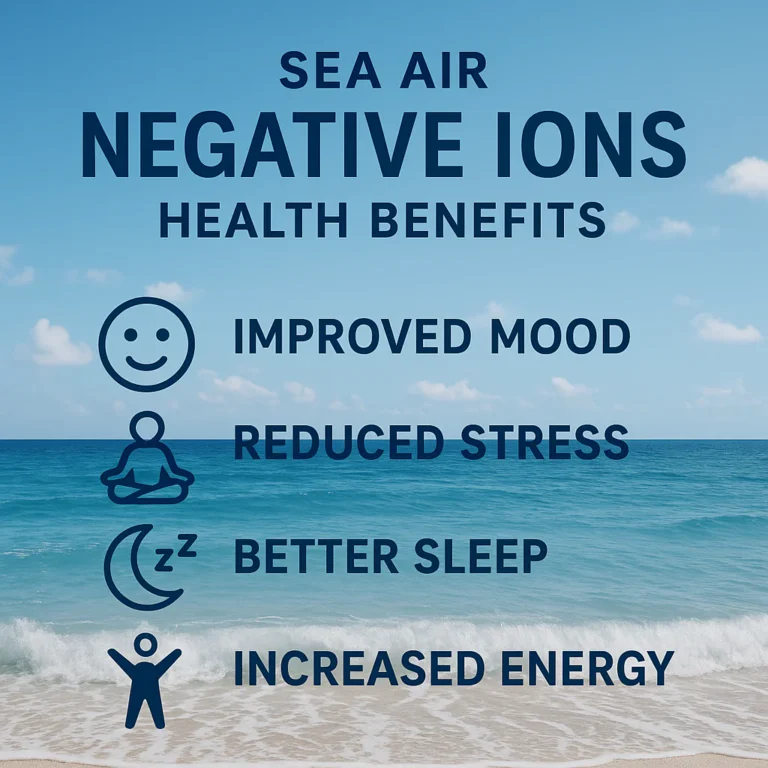
- 2. Negative Ions: The Ocean’s Invisible Mood Booster
- 3. Sunlight and Vitamin D: More Than Just a Tan
- 4. Salt Water: Nature’s Ancient Antiseptic and Sinus Sother
- 5. The Sound of Waves: A Natural White Noise Machine for Anxiety
- 6. Barefoot Walking: The Surprising Power of Earthing
- 7. Breathing the Sea Air: How Saline Inhalation Clears Lungs
- 8. Physical Activity in Sand: The Ultimate Low-Impact Workout
- 9. Social Connection: Why Beach Communities Reduce Loneliness
- 10. Sleep Optimization: How the Beach Resets Your Circadian Rhythm
- 🏖️ Beyond the Water: Hidden Health Perks of Coastal Living
- 🧴 Beach Safety 101: Protecting Your Skin, Eyes, and Ears
- 🚫 Common Myths About Beach Health Benefits Debunked
- 👨 👩 👧 👦 Family Health: Making the Most of Your Beach Day with Kids and Seniors
- 🎒 The Ultimate Beach Wellness Packing List
- 🌍 Best Beaches Around the World for Specific Health Goals
- 💡 Quick Tips and Facts
- Conclusion
- Recommended Links
- FAQ
- Reference Links
⚡️ Quick Tips and Facts
Before we dive into the deep end of the science, let’s hit the shallow end with some rapid-fire truths that might just change how you pack your next beach bag. Did you know that the ocean isn’t just a body of water; it’s a giant, natural pharmacy?
- The 20-Minute Rule: You don’t need a week-long vacation to feel the shift. Studies suggest that just 20 minutes of walking along the shoreline can significantly lower cortisol levels and boost your mood. 🕒
- Negative Ions are Real: The crashing waves create an abundance of negative ions, which act as natural antidepressants by increasing serotonin levels in the brain. It’s like a free, invisible energy drink for your neurons! ⚡️
- Sand is a Workout: Walking on sand burns up to 2.5 times more calories than walking on a hard surface because your feet sink, requiring more muscle engagement to stabilize. 🏃 ♀️
- The “Blue Mind” Phenomenon: Being near water shifts your brain waves into a meditative state, similar to light meditation, reducing anxiety almost instantly. 🧠🌊
- Salt Water Magic: A dip in the ocean can act as a natural antiseptic for minor cuts and scrapes, thanks to the high salinity and mineral content. 🩹
If you’re wondering, “Are there health benefits to going to the beach? 🌊 Discover 10 Surprising Perks (2026),” you are in the right place. We’ve compiled the ultimate guide to why your body and mind are screaming for a beach day.
🌊 From Ancient Seaside Rituals to Modern Wellness: A Brief History of Beach Therapy

You might think “beach therapy” is a trendy 21st-century invention, but the ocean has been a healer for millennia. In the 18th century, doctors in Europe actually prescribed “sea bathing” for everything from tuberculosis to leprosy. Patients were instructed to drink seawater and immerse themselves in the brine, believing the mineral-rich environment could purge the body of toxins. 🏥🌊
While we’ve moved away from drinking ocean water (please don’t do that unless you want a very upset stomach), the core concept remains valid. The National Geographic highlights how modern environmental psychology has validated these ancient practices. The shift from viewing the beach as a place of danger to a place of restoration began in earnest in the 1980s, with landmark studies showing that patients with views of nature recovered faster than those facing brick walls.
Today, we understand the mechanism: it’s not magic; it’s biology. The combination of fractal patterns in the waves, the negative ions in the air, and the grounding effect of the sand creates a unique therapeutic cocktail that our ancestors intuitively understood.
🧠 10 Science-Backed Ways the Ocean Heals Your Brain and Body
We’ve all heard that the beach is “good for you,” but why exactly does it feel like a reset button for your entire system? Is it just the ice cream? (Okay, maybe a little). No, it’s a complex interplay of sensory inputs that trigger profound physiological changes. Let’s break down the 10 specific mechanisms that make the beach a powerhouse for health.
1. The Blue Mind Effect: Why Water Makes You Smarter
Marine biologist Wallace J. Nichols coined the term “Blue Mind” to describe the mildly meditative state people enter when near, in, on, or under water.
- The Science: Being near water lowers blood pressure, slows heart rate, and reduces stress hormones. It creates a state of calm and connection.
- The Benefit: This state enhances creativity and problem-solving skills. It’s why you often have your best ideas in the shower or by the ocean.
- The Catch: It requires presence. If you’re scrolling through Instagram while staring at the waves, you miss the “Blue Mind” effect. 📵
2. Negative Ions: The Ocean’s Invisible Mood Booster
Ever notice how the air feels “crisper” at the beach? That’s because of negative ions.
- How it Works: When ocean waves crash, they break water molecules, releasing negatively charged ions into the air.
- The Impact: These ions attach to serotonin (a mood-regulating neurotransmitter), helping to regulate it and reduce symptoms of depression and anxiety.
- Comparison: A study published in the Journal of Alternative and Complementary Medicine found that negative ion therapy can be as effective as some antidepressants for mild to moderate depression.
3. Sunlight and Vitamin D: More Than Just a Tan
We’ve all been told to wear sunscreen, but let’s not throw the baby out with the bathwater.
- The Mechanism: UVB rays trigger the production of Vitamin D in the skin, which is crucial for bone health, immune function, and mood regulation.
- The Balance: You need sun, but not too much. The goal is safe exposure.
- Deficiency Risks: Low Vitamin D is linked to heart disease, osteoporosis, and even seasonal affective disorder (SAD).
- Pro Tip: Aim for 10–15 minutes of miday sun on your arms and legs a few times a week, then cover up.
4. Salt Water: Nature’s Ancient Antiseptic and Sinus Sother
Swimming in the ocean isn’t just fun; it’s a spa treatment.
- Skin Health: The salt helps exfoliate dead skin cells and can reduce inflammation in conditions like eczema and psoriasis.
- Respiratory Relief: Inhaling saline mist helps clear mucus from the lungs and sinuses, making it beneficial for those with asthma or chronic bronchitis.
- Wound Care: Historically used to clean wounds, salt water draws out bacteria and promotes healing.
5. The Sound of Waves: A Natural White Noise Machine for Anxiety
The rhythmic sound of crashing waves is a form of natural white noise.
- Brain Waves: The repetitive, predictable pattern of waves (fractals) encourages alpha brain waves, associated with relaxation and wakeful rest.
- Stress Reduction: Unlike the chaotic noise of a city, the ocean sound is “softly fascinating,” allowing the brain to rest from constant vigilance.
- Sleep Aid: Many people find the sound of waves helps them fall asleep faster and stay asleep longer.
6. Barefoot Walking: The Surprising Power of Earthing
Taking off your shoes and walking on the sand is more than just a sensory delight; it’s Earthing (or grounding).
- The Theory: The Earth has a negative electrical charge. When you touch the ground, electrons transfer to your body, neutralizing free radicals and reducing inflammation.
- Nerve Stimulation: The soles of your feet have thousands of nerve endings. Walking on uneven sand stimulates these nerves, improving circulation and balance.
- The Feeling: It feels like a natural foot massage that resets your nervous system.
7. Breathing the Sea Air: How Saline Inhalation Clears Lungs
The air at the beach is often cleaner and richer in minerals than inland air.
- Aerosolized Minerals: The sea spray contains magnesium, calcium, and potassium, which can be inhaled deep into the lungs.
- Mucus Clearance: The saline content helps thin mucus, making it easier to expel.
- Allergy Relief: For some, the ocean air can reduce the severity of allergic reactions by flushing out irritants.
8. Physical Activity in Sand: The Ultimate Low-Impact Workout
Running or walking on sand is a high-intensity, low-impact workout.
- Calorie Burn: You burn significantly more calories on sand than on pavement because the surface is unstable.
- Joint Friendly: The soft surface absorbs shock, making it ideal for people with knee pain or arthritis.
- Muscle Engagement: It engages the calves, glutes, and core muscles more intensely than hard surfaces.
9. Social Connection: Why Beach Communities Reduce Loneliness
The beach is a social equalizer.
- Community: It’s a place where people from all walks of life gather, fostering a sense of belonging.
- Family Bonding: Studies show that coastal visits significantly increase feelings of social bonding within families.
- Reduced Isolation: The open space encourages interaction, whether it’s a game of frisbee or a chat with a neighbor.
10. Sleep Optimization: How the Beach Resets Your Circadian Rhythm
A beach vacation often leads to better sleep, and there’s a scientific reason for it.
- Light Exposure: Natural sunlight during the day helps regulate your circadian rhythm, making it easier to fall asleep at night.
- Physical Exhaustion: The combination of swimming, walking, and playing tires you out in a healthy way.
- Mental Detox: Reducing stress and anxiety before bed leads to deeper, more restorative sleep.
🏖️ Beyond the Water: Hidden Health Perks of Coastal Living
Living near the coast offers benefits that go beyond a weekend trip. A 2020 study analyzing data from over 48 million people in England found that those living closer to the coast generally reported better overall health.
- Active Lifestyle: Coastal residents tend to be more active, engaging in walking, swimming, and water sports more frequently.
- Stress Buffer: The mere view of the ocean from your window can lower stress levels.
- Air Quality: Coastal areas often have better air quality due to ocean breezes that disperse pollutants.
- Longevity: Some studies suggest a correlation between coastal living and increased life expectancy, though this is likely due to a combination of factors including lifestyle and environment.
🧴 Beach Safety 101: Protecting Your Skin, Eyes, and Ears
While the beach is a healer, it can also be a hazard if you’re not prepared. We want you to enjoy the benefits without the burn.
Sun Safety: The Non-Negotiables
- SPF is Your Best Friend: Use a broad-spectrum sunscreen with SPF 30 or higher. Reapply every two hours, or immediately after swimming.
- Timing Matters: Avoid the sun between 10 AM and 4 PM when UV rays are strongest.
- Clothing: Wear UV-protective clothing, hats, and sunglasses.
- Brand Recommendation: Look for reef-safe sunscreens like Blue Lizard or All Good to protect both your skin and the marine ecosystem.
Eye and Ear Protection
- Sunglasses: UV rays can damage your eyes, leading to cataracts. Wear sunglasses that block 9-10% of UVA and UVB rays. Brands like Ray-Ban or Oakley offer excellent protection.
- Ear Care: Salt water can lead to “swimmer’s ear.” Dry your ears thoroughly after swimming. If you’re prone to infections, consider using earplugs designed for swimming.
Water Safety
- Rip Currents: Learn how to spot and escape rip currents. If caught, swim parallel to the shore, not against the current.
- Jellyfish and Marine Life: Be aware of local warnings. If stung, rinse with vinegar (not fresh water) for jellyfish stings.
🚫 Common Myths About Beach Health Benefits Debunked
Let’s clear up some confusion. Not everything you hear about the beach is true.
| Myth | Reality |
|---|---|
| “Drinking seawater is healthy.” | ❌ False. Seawater is high in salt and can lead to severe dehydration and kidney failure. |
| “You need to get sunburned to get Vitamin D.” | ❌ False. You can get enough Vitamin D with short, unprotected exposure. Sunburn damages skin and increases cancer risk. |
| “All beaches are safe for swimming.” | ❌ False. Pollution, bacteria, and harmful algae blooms can make some beaches unsafe. Always check local water quality reports. |
| “The ocean cures all diseases.” | ❌ False. While it has therapeutic benefits, it is not a cure-all. It should complement, not replace, medical treatment. |
| “Negative ions are just a marketing gimmick.” | ✅ True. Scientific studies confirm that negative ions have measurable effects on mood and respiratory health. |
👨 👩 👧 👦 Family Health: Making the Most of Your Beach Day with Kids and Seniors
The beach is a fantastic environment for families, but it requires a bit of extra planning to ensure everyone stays safe and healthy.
For Kids
- Hydration: Kids lose fluids faster. Bring plenty of water and limit sugary drinks.
- Sun Protection: Use kid-friendly, water-resistant sunscreen. Consider rash guards for extra protection.
- Supervision: Always keep an eye on children near the water. Rip currents can be dangerous even for strong swimmers.
- Fun & Learning: Teach them about marine life and the importance of keeping the beach clean.
For Seniors
- Comfort: Bring a comfortable chair and shade. Seniors are more susceptible to heat exhaustion.
- Mobility: Sand can be difficult to walk on. Consider using a beach wheelchair or walking on the hard-packed sand near the water.
- Hydration: Seniors often have a reduced sense of thirst. Encourage regular water intake.
- Medication: Keep medications in a cool, dry place. Some medications can increase sun sensitivity.
🎒 The Ultimate Beach Wellness Packing List
To maximize the health benefits, you need the right gear. Here’s our expert-recommended packing list:
- Sunscreen: Broad-spectrum, SPF 30+, reef-safe.
- Sunglasses: UV40 protection.
- Hat: Wide-brimed for face and neck protection.
- Water Bottle: Reusable, insulated to keep water cool.
- Beach Towel: Quick-dry and sand-resistant.
- Snacks: Healthy options like fruit, nuts, and protein bars.
- First Aid Kit: Band-aids, antiseptic wipes, and pain relievers.
- Earplugs: For swimming or noise sensitivity.
- Beach Umbrella or Tent: For shade.
- Flip-Flops: To protect feet from hot sand.
👉 Shop Beach Essentials on:
- Amazon: Beach Gear Search
- Walmart: Beach Supplies
- REI Official: Outdoor Beach Gear
🌍 Best Beaches Around the World for Specific Health Goals
Not all beaches are created equal. Depending on your health goals, some destinations might better than others.
| Health Goal | Recommended Destination | Why It’s Great |
|---|---|---|
| Respiratory Health | Canary Islands, Spain | Known for clean air and mineral-rich sea spray, beneficial for asthma. |
| Skin Conditions | Dead Sea, Israel/Jordan | Extremely high salt and mineral content, famous for treating psoriasis and eczema. |
| Mental Restoration | Maldives | Pristine, quiet waters and minimal light pollution for deep relaxation. |
| Active Lifestyle | Gold Coast, Australia | Great for surfing, running, and water sports with a strong fitness culture. |
| Family Bonding | Cape Cod, USA | Gentle waves, safe swimming areas, and plenty of family-friendly activities. |
💡 Quick Tips and Facts (Recap & Pro Secrets)
We promised you more secrets, and here they are:
- The “Sandwich” Method: Eat a healthy meal before hitting the beach to avoid energy crashes.
- Hydration Hack: Add a pinch of sea salt to your water bottle to replenish electrolytes lost through sweat.
- Mindful Moment: Spend 5 minutes just listening to the waves with your eyes closed. It’s a mini-meditation.
- Post-Beach Ritual: Rinse off with fresh water to remove salt and sand, then moisturize to lock in hydration.
Conclusion

So, is the beach really a miracle cure? While it won’t replace your doctor or your medication, the evidence is overwhelming: the beach is a powerful tool for holistic health. From the negative ions that boost your mood to the fractal patterns of the waves that calm your mind, the ocean offers a unique combination of benefits that are hard to replicate anywhere else.
We’ve explored the science, debunked the myths, and provided you with a roadmap to maximize your beach experience. Whether you’re looking to reduce stress, boost your immune system, or simply connect with your family, a trip to the beach is a prescription worth following.
Our Confident Recommendation:
Make the beach a regular part of your wellness routine. Even a short visit can provide significant benefits. Remember to protect your skin, stay hydrated, and immerse yourself fully in the experience. Don’t just watch the ocean; be part of it.
Key Takeaways:
- ✅ Blue Mind: Water induces a meditative state.
- ✅ Negative Ions: Natural mood boosters.
- ✅ Earthing: Grounding reduces inflammation.
- ✅ Social Connection: Beaches foster community.
- ✅ Safety First: Always use sun protection and stay aware of water conditions.
Recommended Links
Ready to gear up for your next beach wellness adventure? Here are some top-rated products and resources to get you started:
- Ref-Safe Sunscreen:
Blue Lizard: Amazon Search | Official Site
All Good: Amazon Search | Official Site - UV Protection Sunglasses:
Ray-Ban: Amazon Search | Official Site
Oakley: Amazon Search | Official Site - Beach Gear & Accessories:
Beach Umbrellas: Amazon Search
Waterproof Phone Pouch: Amazon Search - Books on Beach Wellness:
Blue Spaces: How and Why Water Can Make You Feel Better by Catherine Kelly: Amazon Link
The Blue Mind: The Surprising Science That Shows How Being Near, In, On, or Under Water Can Make You Happier, Healthier, More Connected, and Better at What You Do by Wallace J. Nichols: Amazon Link
FAQ

How does exposure to the beach environment boost overall immune function?
Exposure to the beach environment boosts the immune system primarily through the inhalation of negative ions and aerosolized minerals (like magnesium and iodine) found in sea spray. These elements can help reduce inflammation and improve the function of immune cells. Additionally, the stress-reducing effects of the beach lower cortisol levels, which, when chronically elevated, can suppress the immune system.
Read more about “🧠 How the Beach Benefits Your Brain: 8 Science-Backed Secrets (2026)”
Are there stress-reducing effects of listening to ocean waves?
Yes. The rhythmic, predictable sound of ocean waves acts as a natural white noise that promotes alpha brain waves, associated with relaxation. This “soft fascination” allows the brain to rest from constant vigilance, significantly lowering stress hormone levels and reducing anxiety.
How does swimming in the ocean benefit cardiovascular health?
Swimming in the ocean provides a low-impact, full-body workout that strengthens the heart and improves circulation. The resistance of the water, combined with the cooling effect of the ocean, helps regulate blood pressure. Furthermore, the stress reduction associated with being in the water contributes to overall cardiovascular health.
Read more about “🌙 12 Surprising Benefits of Going to the Beach at Night (2026)”
What role does sunlight at the beach play in vitamin D production?
Sunlight, specifically UVB rays, triggers the synthesis of Vitamin D in the skin. This vitamin is essential for calcium absorption, bone health, and immune function. However, it’s crucial to balance sun exposure with protection to avoid skin damage.
Read more about “☀️ 7 Sun Secrets: What Vitamins You *Really* Get at the Beach (2026)”
Can walking on sand help with muscle strength and joint health?
Absolutely. Walking on sand is a high-intensity, low-impact exercise that engages more muscles (calves, glutes, core) than walking on hard surfaces. The soft surface absorbs shock, making it ideal for people with joint pain or arthritis, while still providing a challenging workout.
Read more about “🌊 Beach Pros & Cons: 10 Advantages vs Disadvantages (2026)”
What is the relationship between the beach environment and the gut microbiome, and are there any potential health benefits to spending time at the beach for individuals with digestive issues?
While direct research on the beach and the gut microbiome is emerging, the stress-reducing effects of the beach can positively impact gut health. Chronic stress is a known trigger for digestive issues like IBS. By lowering stress, the beach environment may indirectly support a healthier gut microbiome. Additionally, the mineral-rich sea water and air may have anti-inflammatory effects that benefit the digestive system.
Can the beach be a beneficial environment for individuals with anxiety or depression, and if so, what are some strategies for maximizing therapeutic benefits?
Yes. The beach is highly beneficial for anxiety and depression due to the Blue Mind effect, negative ions, and stress reduction. Strategies include:
- Mindful walking: Focus on the sensations of the sand and sound of the waves.
- Sun exposure: Get safe sunlight to boost Vitamin D and mood.
- Social connection: Engage with others or join beach communities.
- Digital detox: Disconnect from screens to fully immerse in the environment.
Are there any specific health risks or precautions to be aware of when spending time at the beach, such as rip currents, jellyfish stings, or excessive sun exposure?
Yes. Key risks include:
- Rip currents: Learn to swim parallel to the shore if caught.
- Sun exposure: Use SPF 30+ sunscreen, wear protective clothing, and avoid peak sun hours.
- Marine life: Be aware of jellyfish and other stinging creatures; rinse with vinegar for stings.
- Dehydration: Drink plenty of water and avoid excessive alcohol.
How can the beach environment, including the sand and ocean water, be used as a form of therapy for individuals with disabilities or chronic illnesses?
The beach offers accessible therapy through:
- Hydrotherapy: The buoyancy of water reduces joint stress, making it ideal for mobility issues.
- Sensory stimulation: The texture of sand and sound of waves can be therapeutic for sensory processing disorders.
- Adaptive equipment: Beach wheelchairs and specialized flotation devices make the beach accessible for many.
What are some of the key nutrients and minerals found in seawater that can have health benefits when absorbed through the skin or ingested in small amounts?
Seawater contains magnesium, calcium, potassium, and iodine. These minerals can help:
- Magnesium: Reduce muscle cramps and improve sleep.
- Calcium: Support bone health.
- Potassium: Regulate fluid balance and blood pressure.
- Iodine: Support thyroid function.
Note: Do not drink seawater; it is too salty and can be harmful.
Can spending time at the beach have a positive impact on sleep quality and duration, and if so, what are the underlying mechanisms?
Yes. The beach improves sleep through:
- Circadian rhythm regulation: Natural sunlight during the day helps reset the internal clock.
- Physical exertion: Swimming and walking tire the body out.
- Stress reduction: Lower cortisol levels promote deeper sleep.
- White noise: The sound of waves can help mask disruptive noises.
How can the smell of saltwater and the ocean air contribute to improved respiratory health and reduced symptoms of asthma?
The saline mist in ocean air helps clear mucus from the lungs and sinuses, reducing congestion. The negative ions and mineral content can also reduce inflammation in the airways, making it easier to breathe for those with asthma or chronic bronchitis.
Are there any specific health benefits to swimming in the ocean, such as reduced inflammation or improved circulation?
Yes. Swimming in the ocean can:
- Reduce inflammation: Due to the anti-inflammatory properties of salt water and minerals.
- Improve circulation: The resistance of water and the cooling effect stimulate blood flow.
- Strengthen muscles: The full-body workout enhances muscle tone and endurance.
What role does vitamin D from sunlight play in boosting the immune system and overall health?
Vitamin D is crucial for:
- Immune function: It helps activate immune cells that fight infections.
- Bone health: It aids in calcium absorption.
- Mood regulation: It influences serotonin levels, affecting mood and mental health.
Can walking on the beach improve physical health and reduce the risk of chronic diseases?
Yes. Walking on sand is a low-impact, high-intensity exercise that improves cardiovascular health, strengthens muscles, and aids in weight management. These factors contribute to a reduced risk of chronic diseases like heart disease, diabetes, and obesity.
How does the sound of ocean waves impact stress levels and overall well-being?
The sound of ocean waves induces alpha brain waves, promoting relaxation and reducing stress. This “soft fascination” allows the brain to rest, lowering cortisol levels and improving overall well-being.
Is living by the beach good for your health?
Generally, yes. Studies suggest that living near the coast is associated with better mental health, higher physical activity levels, and lower stress. However, individual preferences and access to safe beach environments play a role.
Read more about “🌊 12 Surprising Benefits of the Beach for Skin (2026)”
Reference Links
- National Geographic: Going to the beach is good for your brain, according to science
- WebMD: Mental Health Benefits of the Beach
- UPMC: Health Benefits of the Beach
- Journal of Alternative and Complementary Medicine: Negative Ion Therapy for Depression
- Environmental Research: Exercise in Blue Gyms
- Nature Communications: fMRI Study on Pain Perception and Nature
- Health Facts™ – Environmental Health: Environmental Health Category
- Health Facts™ – Chronic Diseases: Chronic Diseases Category
- Health Facts™ – Children’s Health: Children’s Health Category
- Health Facts™ – Allergies and Immunity: Allergies and Immunity Category
- Health Facts™ – Digital Health: Digital Health Category
- Health Facts™ – Are There Health Benefits to Going to the Beach? 🌊 Discover 10 Surprising Perks (2026): Full Article