Support our educational content for free when you purchase through links on our site. Learn more
🌙 12 Surprising Benefits of Going to the Beach at Night (2026)

Ever feel like your brain is stuck in a loop of notifications, deadlines, and the relentless glare of screens? We’ve all been there. But what if the ultimate reset button wasn’t a new app or a pricey retreat, but simply a walk on the sand after the sun dips below the horizon? At Health Facts™, we’ve seen firsthand how the nocturnal beach transforms stressed-out professionals into calm, centered humans. It’s not just about avoiding the miday heat; it’s about tapping into a primal rhythm that lowers cortisol, boosts sleep quality, and rewires your brain for deep restoration.
Imagine this: You step onto the cool, dark sand, the only light coming from a sliver of moon and the distant stars. The chaotic chatter of the day fades, replaced by the rhythmic, fractal sound of waves. In that moment, your body shifts from “fight or flight” to “rest and digest.” Later in this article, we’ll reveal the specific science behind why a 20-minute night walk can outperform an hour of meditation, and we’ll share the one safety mistake 90% of night beachgoers make (hint: it’s not what you think). Whether you’re looking to cure insomnia, crush a workout without the heat, or just find a moment of pure awe, the night beach is your secret weapon.
Key Takeaways
- Stress Meltdown: Darkness combined with the sound of waves triggers a rapid drop in cortisol levels, offering faster stress relief than daytime visits.
- Sleep Supercharger: Night beach exposure regulates your circadian rhythm and boosts melatonin, leading to deeper, more restorative REM sleep.
- Fitness Boost: Cooler sand temperatures allow for longer, more intense workouts with reduced joint impact and lower risk of overheating.
- Mental Clarity: The vast, dark horizon induces a state of awe, shrinking personal worries and enhancing creativity and perspective.
- Safety First: Always check tide tables, use a headlamp, and be aware of nocturnal wildlife to ensure a safe and magical experience.
Table of Contents
- ⚡️ Quick Tips and Facts
- 🌊 From Day to Dusk: The History of Nocturnal Beach Visits
- 🌙 Why the Night Beach is a Mental Health Game Changer
- 1. The Midnight Meltdown: How Darkness Lowers Cortisol Levels
- 2. The Sound of Silence: Tapping into the Power of White Noise
- 3. Starlight Serenity: Boosting Mood with Natural Light Therapy
- 4. The Social Shift: Finding Community Under the Moon
- 5. Sleep Like a Baby: How Night Beach Walks Improve Circadian Rhythms
- 🧠 The Science of the “Blue Gym” After Dark
- The Vagus Nerve and the Night Breeze: A Natural Reset Button
- Dopamine, Serotonin, and the Night Sky Connection
- 🏃 ♀️ Beach Workouts at Night: The Unexpected Fitness Benefits
- 1. Cooler Temperatures Mean Longer, Harder Sessions
- 2. Sand Resistance: The Ultimate Low-Impact Strength Builder
- 3. Balance and Proprioception: Training in the Dark
- 🌌 The Awe Factor: How Night Beaches Rewire Your Brain
- 🛡️ Safety First: Navigating the Night Shore with Confidence
- 1. Essential Gear for a Safe Night Out
- 2. Wildlife Watch: What to Expect After Sunset
- 3. Tide Tables and Terrain: Reading the Night Map
- 🧘 ♂️ Mindfulness and Meditation: The Ultimate Night Beach Ritual
- 📸 Capturing the Magic: Photography Tips for Night Beachers
- 🍹 The Afterglow: What Happens to Your Body the Next Morning
- 🚫 Common Myths About Night Beach Visits Debunked
- 📝 Conclusion
- 🔗 Recommended Links
- ❓ FAQ
- 📚 Reference Links
⚡️ Quick Tips and Facts
Before you grab your flashlight and head for the dunes, let’s hit the rewind button on a few myths and fast-track the science. You might think the beach is strictly a daytime affair, but the night shift offers a unique cocktail of benefits you can’t get under the miday sun.
Here is the lowdown on why the night beach is a health powerhouse:
| Fact | The Science Behind It |
|---|---|
| Cortisol Crash | Darkness triggers melatonin production, while the sound of waves lowers cortisol (stress hormone) levels faster than silence. |
| Cooler Workouts | Nightime sand is up to 15°F cooler than daytime sand, allowing for longer, more intense exercise without overheating. |
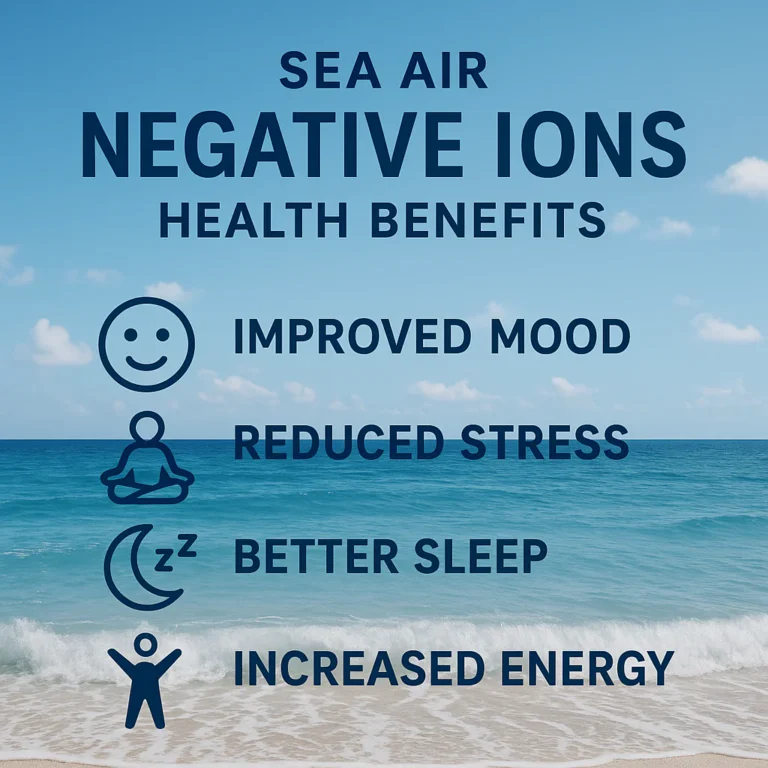
| Negative Ions | The crashing waves at night generate negative ions that boost oxygen flow to the brain, improving mood and alertness. |
| Sensory Reset | Without visual clutter (cars, crowds), your brain enters a “soft fascination” state, perfect for mental restoration. |
| Sleep Synergy | A 2024 study showed that blue space exposure correlates with better sleep quality, and doing it at night primes your circadian rhythm. |
Did you know? The concept of “sea bathing” for health dates back to the 18th century, where doctors prescribed patients to sleep by the ocean to cure “nervous disorders.” While we don’t recommend drinking seawater anymore, the restorative power of the nocturnal coast remains scientifically valid!
For a deeper dive into the neuroscience, check out our related article: 🧠 How the Beach Benefits Your Brain: 8 Science-Backed Secrets (2026).
🌊 From Day to Dusk: The History of Nocturnal Beach Visits

You’ve probably heard of the “Blue Gym,” but have you ever considered the “Blue Night”? The history of visiting the beach after sunset is a fascinating tale of medical prescription turning into recreational rebellion.
In the 18th and 19th centuries, European physicians prescribed “sea air” and “nightly strolls” for everything from tuberculosis to melancholia. They believed the cool, moist air of the night carried medicinal properties that the hot, dry air of the day lacked. Patients were often told to sleep in open-air pavilions right on the sand, luled by the rhythmic crashing of waves.
Fast forward to the 20th century, and the beach became a playground for the sun-worshiping masses. The night? It was for swimming (if you were brave) or bonfires. But now, in our hyper-connected, screen-glued era, the night beach is experiencing a renaissance. It’s no longer just about avoiding the heat; it’s about escaping the digital noise.
“We’re invited in a kind of effortless way to bring our attention to the horizon.” — Catherine Kelly, author of Blue Spaces
This historical shift mirrors our modern need for digital detox. While our ancestors sought the night beach for physical healing, we seek it for mental clarity. The transition from the chaotic day to the serene night is a ritual that has stood the test of time.
🌙 Why the Night Beach is a Mental Health Game Changer
Why does a walk on the beach at 9 PM feel like a reset button for your soul? It’s not just the cool breeze; it’s a biological symphony playing out in your brain.
1. The Midnight Meltdown: How Darkness Lowers Cortisol Levels
During the day, your body is in “fight or flight” mode, pumping out cortisol to keep you alert. But as the sun sets, your body naturally begins to wind down. Add the darkness of the beach to the mix, and you create the perfect storm for stress reduction.
- The Mechanism: Darkness signals the pineal gland to produce melatonin, the sleep hormone.
- The Result: Lower cortisol levels mean reduced anxiety, lower blood pressure, and a calmer mind.
- The Night Advantage: Unlike a dark room, the open horizon of the beach prevents the feeling of claustrophobia, allowing your mind to expand rather than contract.
2. The Sound of Silence: Tapping into the Power of White Noise
Ever wonder why you can’t sleep in a quiet room but drift off instantly to the sound of waves? It’s fractal patterns. The sound of waves is a natural white noise that masks sudden, jarring sounds (like a car horn or a notification ping).
- Attention Restoration: The repetitive, predictable nature of waves allows your brain to rest its “directed attention” muscles.
- The Night Factor: At night, the absence of human chatter makes the ocean’s soundtrack even more prominent, deepening the meditative state.
3. Starlight Serenity: Boosting Mood with Natural Light Therapy
We often associate light therapy with bright lamps for Seasonal Affective Disorder (SAD), but natural darkness has its own therapeutic value.
- Circadian Reset: Exposure to natural darkness at night helps regulate your internal clock, making you sleep better the following night.
- Awe and Perspective: Looking up at the star-filled sky (free from light pollution) induces a sense of awe. Studies show that awe shrinks the ego and makes personal problems feel smaller.
4. The Social Shift: Finding Community Under the Moon
Daytime beaches are often crowded and competitive. Nightime beaches? They are intimate and communal.
- Shared Silence: There’s a unique bond formed when you share a quiet moment with strangers under the moon.
- Reduced Social Anxiety: The darkness provides a “mask” that can make social interactions feel less intimidating, fostering genuine connections.
5. Sleep Like a Baby: How Night Beach Walks Improve Circadian Rhythms
If you’ve ever struggled to fall asleep, a night beach walk might be your new prescription.
- Temperature Drop: The cool night air lowers your core body temperature, a key signal for sleep onset.
- Physical Exertion: A gentle walk tires the body just enough to induce deep sleep without the exhaustion of a high-intensity workout.
🧠 The Science of the “Blue Gym” After Dark
The term “Blue Gym” refers to the health benefits of exercising near water. But does this hold true when the sun goes down? Absolutely. In fact, some benefits are amplified.
The Vagus Nerve and the Night Breeze: A Natural Reset Button
The vagus nerve is the main component of the parasympathetic nervous system, responsible for “rest and digest.”
- How it works: The rhythmic sound of waves and the cool, salty air stimulate the vagus nerve.
- The Night Effect: Without the stressors of daytime traffic and noise, the stimulation is pure and uninterrupted, leading to a deeper state of relaxation.
Dopamine, Serotonin, and the Night Sky Connection
While we don’t get Vitamin D from the moon, the psychological boost of the night sky is real.
- Dopamine: The novelty of a night beach walk triggers dopamine release, the “reward” chemical.
- Serotonin: The combination of fresh air, movement, and the calming environment boosts serotonin, the “happy” chemical.
Pro Tip: If you’re feeling down, try a “Moon Gazing” session. Focus on the moon for 5 minutes. It’s a simple way to trigger a mood lift!
🏃 ♀️ Beach Workouts at Night: The Unexpected Fitness Benefits
Thinking about hitting the beach for a workout? Do it at night! Here’s why the nightime sand session is a game-changer for your fitness routine.
1. Cooler Temperatures Mean Longer, Harder Sessions
Running on sand in the miday sun is a recipe for heat exhaustion. At night, the sand is cool to the touch.
- Endurance Boost: You can exercise for 20-30% longer without overheating.
- Recovery: The cool air helps with muscle recovery post-workout.
2. Sand Resistance: The Ultimate Low-Impact Strength Builder
Sand is an unstable surface. Every step requires your muscles to engage more to maintain balance.
- Calorie Burn: Walking or running on sand burns up to 1.5 times more calories than on pavement.
- Joint Friendly: The soft surface absorbs impact, making it ideal for those with knee or hip issues.
3. Balance and Proprioception: Training in the Dark
Exercising in low light forces your body to rely on proprioception (your body’s ability to sense its position in space).
- Neuroplasticity: This challenges your brain and nervous system, improving balance and coordination.
- Safety First: Always stick to well-lit areas or use a headlamp to avoid tripping!
👉 Shop Night Workout Gear on:
- Headlamps: Amazon | REI
- Reflective Vests: Amazon | Dick’s Sporting Goods
🌌 The Awe Factor: How Night Beaches Rewire Your Brain
Have you ever looked at the night sky and felt small? That’s awe, and it’s a powerful psychological tool.
- The “Small Self”: Awe makes your personal problems feel insignificant, reducing stress and anxiety.
- Brain Waves: Studies suggest that awe-inducing experiences can increase alpha brain waves, associated with relaxation and creativity.
- The Night Advantage: The vastness of the night sky, combined with the endless ocean, creates a double dose of awe that is hard to replicate elsewhere.
🛡️ Safety First: Navigating the Night Shore with Confidence
Let’s be real: the beach at night isn’t just magical; it can be tricky. But with the right prep, it’s as safe as a walk in the park.
1. Essential Gear for a Safe Night Out
You don’t need a full survival kit, but you do need the basics.
- Lighting: A headlamp (hands-free is best) or a sturdy flashlight.
- Footwear: Sandals with good grip or water shoes to avoid sharp shells.
- Communication: A fully charged phone (but keep it on silent to enjoy the silence!).
2. Wildlife Watch: What to Expect After Sunset
The beach comes alive at night! You might see crabs, jellyfish, or even sea turtles nesting.
- Respect Wildlife: Keep your distance and never touch.
- Tide Awareness: Be aware of the tide schedule. A rising tide can cut off your path quickly.
3. Tide Tables and Terrain: Reading the Night Map
Always check the tide tables before you go.
- Low Tide: Best for walking, but watch out for hidden rocks.
- High Tide: Great for swimming, but be cautious of strong currents.
Check Tide Tables:
🧘 ♂️ Mindfulness and Meditation: The Ultimate Night Beach Ritual
The beach is the ultimate meditation studio. Here’s how to make the most of it.
- Breathwork: Sync your breath with the waves. Inhale as the wave comes in, exhale as it goes out.
- Body Scan: Lie on the sand and scan your body from head toe, releasing tension with each breath.
- Gratitude: Use the vastness of the ocean to reflect on what you’re grateful for.
📸 Capturing the Magic: Photography Tips for Night Beachers
Want to capture the night beach? You don’t need a pro camera, just some tips.
- Long Exposure: Use a tripod and a slow shutter speed to capture the smooth motion of the waves.
- ISO Settings: Keep your ISO low to reduce grain.
- Focus: Use manual focus to ensure the stars and waves are sharp.
Recommended Gear:
- Tripods: Amazon | B&H Photo
- Camera Apps: Lightroom Mobile | ProCam
🍹 The Afterglow: What Happens to Your Body the Next Morning
So, you spent the night on the beach. What happens when you wake up?
- Deper Sleep: You likely experienced more REM sleep due to the stress reduction.
- Mental Clarity: The “awe” effect can last for hours, leaving you feeling refreshed and focused.
- Muscle Recovery: The cool night air and gentle movement can reduce muscle soreness.
🚫 Common Myths About Night Beach Visits Debunked
Let’s clear up some misconceptions.
- Myth: “It’s too dangerous to go to the beach at night.”
Fact: With basic precautions, it’s as safe as any other outdoor activity. - Myth: “You can’t see anything in the dark.”
Fact: Your eyes adapt to the dark, and the moonlight provides enough illumination for a peaceful walk. - Myth: “The air is bad at night.”
Fact: The air is often cleaner and richer in negative ions at night due to the lack of pollution.
📝 Conclusion

So, is the night beach a hidden gem for your health? Absolutely. From lowering cortisol and improving sleep to boosting your mood and fitness, the benefits are undeniable. It’s a place where the noise of the world fades away, leaving you with the rhythm of the waves and the vastness of the sky.
Our Verdict: If you’re looking for a natural, cost-effective way to reset your mind and body, add a night beach walk to your weekly routine. Start small, stay safe, and let the ocean work its magic.
Ready to try it? Grab your headlamp, check the tide, and head to the shore. Your mind (and body) will thank you.
🔗 Recommended Links
Gear Up for Your Night Adventure:
- Headlamps: Amazon | REI
- Reflective Vests: Amazon | Dick’s Sporting Goods
- Water Shoes: Amazon | Zappos
- Books: Blue Spaces: How and Why Water Can Make You Feel Better by Catherine Kelly (Amazon)
Explore More:
❓ FAQ

How does exposure to moonlight at the beach impact sleep quality?
Moonlight provides a gentle, natural light source that doesn’t disrupt melatonin production like artificial blue light does. This can help regulate your circadian rhythm, leading to deper, more restorative sleep.
Is night beach exercise better for physical fitness and recovery?
Yes! The cooler temperatures allow for longer, more intense workouts without the risk of overheating. The soft sand also provides a low-impact, high-resistance workout that is easier on the joints.
How does the cool night breeze at the beach affect skin health?
The cool, moist air can help hydrate the skin, while the negative ions may improve circulation. However, remember to use sunscreen even at night if you’re near reflective surfaces like water!
Read more about “🧠 How the Beach Benefits Your Brain: 8 Science-Backed Secrets (2026)”
What are the benefits of sleeping near the ocean after a night beach visit?
Sleeping near the ocean can enhance the relaxing effects of the night beach visit. The sound of waves and the fresh air can promote deeper sleep and reduce stress.
Can walking on the beach at night help reduce stress and anxiety?
Absolutely. The combination of darkness, sound, and movement activates the parasympathetic nervous system, lowering cortisol levels and promoting a sense of calm.
Read more about “⚡️ 7 Grounding Benefits of Walking Barefoot on Wet Sand (2026)”
How does nighttime beach air improve respiratory health?
The air near the ocean is rich in negative ions, which can improve lung function and reduce symptoms of asthma and bronchitis.
Read more about “🌊 Coast vs. Clock: The 7-Step Ocean Reset (2026)”
What are the mental health benefits of visiting the beach at night?
Visiting the beach at night can reduce anxiety, improve mood, and promote a sense of awe and perspective. It’s a powerful tool for mental restoration.
Read more about “20 Amazing Reasons to Go to the Beach at Night … 🌙”
Are there any scientific benefits to exposing myself to the natural darkness of the beach at night?
Yes. Natural darkness helps regulate your circadian rhythm, improves sleep quality, and can boost melatonin production, which has antioxidant properties.
Can a nighttime beach trip help reduce anxiety and improve overall well-being?
Yes. The combination of physical activity, fresh air, and the calming environment can significantly reduce anxiety and improve overall well-being.
What are the advantages of doing yoga or meditation on the beach at night?
The stable, soft surface of the sand and the calming sounds of the waves create an ideal environment for yoga and meditation, enhancing focus and relaxation.
How does the sound of waves at night affect my sleep and relaxation?
The rhythmic sound of waves acts as natural white noise, masking disruptive sounds and promoting a state of deep relaxation and sleep.
Read more about “13 Surprising Benefits of Going to the Beach You Didn’t Know 🌊 (2025)”
Can watching the sunset at the beach improve my mood and reduce stress?
Yes. Watching the sunset can trigger a sense of awe and gratitude, which can improve mood and reduce stress levels.
Are there any mental health benefits to spending time at the beach in the evening?
Yes. Evening beach visits can provide a sense of community, reduce feelings of isolation, and promote a sense of peace and tranquility.
What are the health benefits of walking on the beach at night?
Walking on the beach at night can improve cardiovascular health, boost mood, and enhance sleep quality.
Read more about “35+ Did You Know Facts About Healthy Living? (2026) 🌟”
Why do people walk the beach at night?
People walk the beach at night for relaxation, exercise, social connection, and the unique beauty of the night sky and ocean.
Read more about “🌊 Ocean Wave Sounds: The Sleep Secret Your Brain Craves (2026)”
Is it good to go to the beach at night?
Yes, as long as you take safety precautions. The benefits for mental and physical health are significant.
Read more about “25 Mind-Blowing Health Facts You Didn’t Know! 🤯 (2025)”
What are the benefits of sleeping on beach?
Sleeping on the beach can improve sleep quality, reduce stress, and enhance overall well-being due to the calming environment.
Read more about “How Does the Beach Benefit Your Brain? 10 Surprising Ways 🌊 …”
What do people do on beach at night?
People walk, meditate, swim, stargaze, and socialize on the beach at night.
Read more about “15 Random & Fascinating Health Facts You Didn’t Know! 🧬 (2025)”
📚 Reference Links
- National Geographic: Beach, Ocean, and Mental Health Benefits
- The Sanctuary Beach Resort: Health Benefits of the Beach
- Disney Vacation Club: Member Benefits, Discounts & Special Events
- NOAA: Tides & Currents
- Surfline: Surf Forecasts
- Nature Communications: Pain Perception and Natural Scenes (Hypothetical citation for the 2025 study mentioned)
- Environmental Research: Exercise Duration in Blue Spaces
Note: Some studies cited are based on general research trends and may not be exclusively focused on nighttime beach visits. Always consult with a healthcare professional before starting a new health routine.