Support our educational content for free when you purchase through links on our site. Learn more
12 Benefits of Natural Light Exposure at Work ☀️


The benefits of natural light exposure at the workplace include helping your body keep a steadier day-night rhythm, supporting daytime alertness, and making indoor spaces feel brighter and more comfortable. A morning daylight break is a sensible place to start—but sunlight through a window is not a reliable source of vitamin D, and more sun is not always better.
We’ve all seen it: one coworker gravitates toward the window, while another is busy adjusting the blinds to stop the screen glare. Both have a point. Daylight can be a welcome cue that it’s daytime, but comfortable lighting also means managing reflections and protecting your skin outdoors.
The trick is getting useful daylight without treating sun exposure as a cure-all. Timing, your work schedule, eye comfort, and UV safety all matter. 🌤️
Key Takeaways
- Try daylight earlier in your waking day to help reinforce your body’s circadian rhythm and regular sleep-wake timing.
- Step outside when practical: outdoor light is generally brighter than typical indoor lighting, even on cloudy days.
- Natural light may support alertness, mood, and workplace comfort, but evidence differs by outcome and does not mean daylight treats every health problem.
- Window sunlight is not a dependable way to get vitamin D because ordinary glass blocks most UVB.
- Enjoy daylight safely: manage glare indoors and use sensible sun protection outdoors.
- Ask a healthcare professional before using bright-light therapy if you have bipolar disorder, migraines, an eye condition, or strong light sensitivity.
Table of Contents
- ⚡ Quick Tips and Facts
- ☀️ Natural Light at the Workplace: What It Means
- Natural light, daylight, and sunlight: what’s the difference?
- How daylight reaches your eyes and affects your body
- 🌿 12 Benefits of Natural Light Exposure at the Workplace
- 1. Supports your circadian rhythm and sleep-wake cycle
- 2. May improve sleep quality
- 3. Helps regulate daytime alertness
- 4. Can support mood and emotional well-being
- 5. May ease symptoms of seasonal affective disorder
- 6. Supports healthy vitamin D production when skin is exposed
- 7. May reduce eye strain from poorly lit spaces
- 8. Can make it easier to see colors and details
- 9. May support concentration and cognitive performance
- 10. Can make indoor spaces feel more comfortable
- 11. Encourages movement and breaks outdoors
- 12. May reduce reliance on electric lighting
- 🧠 How Natural Light Affects Circadian Rhythm, Melatonin, and Mood
- 🌤️ How Much Daylight Do You Need at Work?
- Timing: why morning light matters
- Duration, brightness, and distance from windows
- Indoor daylight versus going outside
- 🏢 Natural Light at Work: Office Design and Desk Placement
- Best desk position for daylight and screen comfort
- Window access, glare, and reflections
- Practical ways to bring more daylight into a workspace
- 💡 Natural Light Compared with Artificial Lighting and Light Therapy
- Daylight versus standard office lighting
- Bright-light therapy: who may benefit
- Blue-light glasses, screens, and workplace lighting
- 🛡️ Sunlight Safety: UV Exposure, Skin, and Eye Protection
- Window glass and ultraviolet rays
- Sunscreen, clothing, and safe outdoor breaks
- Natural light and vitamin D: what to know
- ⚠️ When to Be Cautious About Bright Light
- Light sensitivity, migraines, and eye conditions
- Bipolar disorder and bright-light therapy
- Shift work, jet lag, and unusual sleep schedules
- 🌧️ Making Daylight Work in Dark, Cloudy, or Windowless Offices
- Cloudy weather and seasonal changes
- Windowless workspaces and indoor alternatives
- A simple daylight routine for the workday
- 📊 What Research Says About Daylight and Workplace Health
- ✅ Quick Tips for Getting More Natural Light Safely
- ❓ FAQ About Natural Light Exposure at Work
- Can natural light through a window improve sleep?
- Is sunlight through glass enough for vitamin D?
- How long should I sit near a sunny window?
- Can too much daylight cause headaches or eye strain?
- Are daylight lamps as effective as natural light?
- What can I do if my office has no windows?
- Conclusion
- Recommended Links
- FAQ
- Reference Links
⚡️ Quick Tips and Facts
- Get outdoor light early in your day when practical. Morning light helps set the timing of your body clock; it does not need to mean staring at the sun. The CDC explains how light affects the circadian system.
- Take daylight breaks outdoors if your workday keeps you inside. Outdoor light is generally much brighter than typical indoor lighting, even when the sky is cloudy.
- Daylight can support alertness, sleep timing, and mood, but it is not a treatment for every sleep or mental-health concern. Evidence varies by outcome, and many studies are observational.
- Natural light through a window can brighten your workspace, but it generally does not provide the UVB needed for skin vitamin D production. The NIH Office of Dietary Supplements explains that UVB exposure drives vitamin D synthesis in skin.
- Protect your skin and eyes outdoors. Use the UV Index to guide sun protection; getting more daylight does not require getting sunburned.
- If you have seasonal depression, bipolar disorder, migraines, an eye condition, or strong light sensitivity, check with a clinician before using a bright-light therapy device. NIMH describes light therapy as a treatment option for seasonal affective disorder (SAD), with precautions for some people.
- One easy experiment: take a brief outdoor break in the morning, then notice whether your daytime alertness or evening sleepiness changes over a couple of weeks. Keep expectations realistic; light is one part of the health picture.
- If a sunny outdoor break sounds tempting, our guide to health facts about going to the beach covers the joys—and the sun-safety basics.
| At a glance | What to remember |
|---|---|
| Best everyday starting point | Get some daylight outdoors earlier in the day |
| Main potential benefits | Circadian timing, alertness, sleep-wake rhythm, and mood support |
| What daylight through glass can do | Brighten your environment and expose your eyes to daytime light |
| What it generally cannot do | Reliably trigger vitamin D production through window glass |
| Main outdoor risk | UV damage from too much unprotected exposure |
| When to seek advice | Persistent sleep or mood problems, severe light sensitivity, or questions about vitamin D |
☀️ Natural Light at the Workplace: What It Means
We spend a surprising amount of the workday under electric lights, often with a screen inches from our face and a window somewhere across the building—like a tiny rectangle of daylight we’re not allowed to visit. Natural light exposure at work means getting daytime light from the outdoors, whether directly outside or entering through windows. The health effects depend on the light’s timing, brightness, duration, and whether it reaches your eyes or your skin.
In a UCLA Health overview, researchers and clinicians describe natural light as having “a powerful, and often positive, effect” on well-being. That’s a useful summary, not a promise that a sunny desk will cure insomnia or fix a rough Tuesday. We need to separate daylight’s effects on the body clock from UV’s effects on skin, because they are not the same thing.
Natural light, daylight, and sunlight: what’s the difference?
- Daylight is visible light from the sun present outdoors, including on overcast days.
- Sunlight often refers to the sun’s rays reaching a place; it can include visible light and ultraviolet (UV) radiation.
- Natural light indoors is daylight that enters through a window or skylight. Glass changes the light that gets through, especially by filtering much of UVB.
- Artificial bright light comes from electric sources, including office lighting and dedicated light-therapy devices.
For circadian timing, the relevant light signal is received through the eyes. For vitamin D production, UVB must reach exposed skin. Sitting beside a bright window may help you experience daytime light, but it is not a reliable substitute for UVB exposure or a vitamin D supplement prescribed for a deficiency. The NIH vitamin D fact sheet explains the role of sunlight and the limits of obtaining vitamin D safely.
How daylight reaches your eyes and affects your body
Specialized light-sensitive cells in the eye send signals to brain systems involved in circadian timing. These signals help coordinate daily patterns in sleepiness, alertness, and hormone rhythms. The National Institute of General Medical Sciences describes circadian rhythms as internal cycles shaped by environmental cues, particularly light and darkness.
Here’s the practical version:
- Daytime light reaches the eyes.
- The brain uses that information as a time cue.
- The body adjusts its internal rhythm, including when it tends to feel alert or sleepy.
- Light exposure at the wrong time—especially bright light late at night—can shift or disrupt that rhythm.
This is why the same bright light can be helpful in the morning and inconvenient near bedtime. Timing matters; “more light” is not a universal prescription.
🌿 12 Benefits of Natural Light Exposure at the Workplace
Natural light is a workplace feature people often value, but evidence for individual health outcomes ranges from well-established biological mechanisms to promising associations that still need more research. A survey cited by UCLA Health found that workers ranked access to natural light and outdoor views highly. That tells us people notice the difference; it does not prove every reported benefit is caused by daylight alone.
| Potential benefit | What daylight may contribute | Evidence perspective |
|---|---|---|
| Circadian rhythm | Provides a time cue to the body clock | Strong biological rationale |
| Sleep timing | Daytime light can help reinforce day-night patterns | Supported, but effects vary |
| Alertness | Bright daytime conditions may help people feel more awake | Plausible; context matters |
| Mood | Outdoor light exposure is associated with better mood in some studies | Association is not proof of cause |
| Seasonal depression | Bright-light treatment can help some people with SAD | Clinical option with precautions |
| Vitamin D | UVB on skin enables production | Window light is not a dependable source |
| Visual comfort | Daylight can improve visibility when glare is controlled | Depends on workspace design |
| Concentration | Better light and views may support comfort and task engagement | Research is mixed |
| Outdoor movement | Daylight breaks can make walking easier to fit in | Benefit includes movement |
| Reduced electric-light use | Daylight can lower lighting needs in some spaces | Depends on design and energy systems |
1. Supports your circadian rhythm and sleep-wake cycle
Daylight is a key environmental cue for your internal clock. Getting light earlier in the day can help anchor a regular sleep-wake schedule, especially when paired with dimer evenings and consistent bed and wake times. The CDC’s circadian rhythm guidance discusses light as an important influence on the body’s timing system.
That doesn’t mean you need to chase a specific number of minutes outdoors. Individual response depends on your routine, season, latitude, sleep schedule, and the brightness of the light. If you work nights or have an irregular schedule, the right timing may differ.
2. May improve sleep quality
Daylight exposure during the day is associated with better sleep patterns in some studies. For example, a small study office workers found an association between greater daylight exposure and improved sleep-related outcomes; it does not establish that daylight alone caused the changes. See the study details summarized by UCLA Health.
A practical pairing is brighter days and darker nights:
- Get outdoor light earlier in your waking day.
- Keep a reasonably consistent wake time.
- Reduce bright, stimulating light close to bedtime.
- Make the bedroom dark, quiet, and comfortable.
If sleep problems persist, daylight is a helpful habit to consider—not a substitute for evaluation of chronic insomnia, sleep apnea, medication effects, or other causes.
3. Helps regulate daytime alertness
A bright daytime environment gives your brain a clearer “it’s daytime” signal. That may help you feel more alert, particularly if you spend long stretches in dim indoor conditions. Natural light can also make it easier to take an outdoor walking break, which adds movement and a change of scene.
If you’re fighting a strong afternoon slump, try a short outdoor break before reaching for another coffee. The walk and daylight may both help, while the coffee might simply negotiate a later bedtime on your behalf.
4. Can support mood and emotional well-being
Research links time outdoors and daylight exposure with mood and well-being, but observational findings can be influenced by exercise, social contact, health, work conditions, and income. A large UK cohort described by UCLA Health found that more time outdoors was associated with better mood measures and lower depression-related outcomes. Association is encouraging, but it doesn’t prove that daylight alone prevents depression.
A daylight break may still be worth trying as one small part of a broader routine that includes sleep, activity, social connection, and appropriate mental-health care. For more on conditions that affect mood and health, visit our Chronic Diseases category.
5. May ease symptoms of seasonal affective disorder
Seasonal affective disorder is a form of depression with a seasonal pattern. Bright-light therapy is an established treatment option for some people with winter-pattern SAD, but using a therapy lamp is not identical to sitting by an ordinary window. The National Institute of Mental Health outlines treatment options and emphasizes speaking with a health professional about care.
If you think you may have SAD:
- Track seasonal changes in mood, energy, sleep, and appetite.
- Talk with a healthcare professional about diagnosis and treatment.
- Ask before using bright-light therapy if you have bipolar disorder, eye disease, or medications that increase light sensitivity.
- Don’t delay care for severe depression, suicidal thoughts, or symptoms that interfere with daily life.
6. Supports healthy vitamin D production when skin is exposed
UVB radiation helps the skin produce vitamin D. Vitamin D supports calcium absorption and bone health, but there is no single safe sun-exposure duration that works for everyone. Skin pigmentation, clothing, season, latitude, time of day, and UV intensity all affect production and risk.
The NIH Office of Dietary Supplements advises that vitamin D can come from food, supplements, and skin synthesis. The older review “Benefits of Sunlight: A Bright Spot for Human Health” discusses potential benefits and risks of sunlight, but its exposure estimates should not be treated as a universal prescription. Longer exposure is not automatically better, because UV damage accumulates.
7. May reduce eye strain from poorly lit spaces
A well-lit room can make it easier to see printed materials and move between tasks. But daylight itself is not a guaranteed eye-strain treatment: glare, screen reflections, dry eyes, uncorrected vision, and long periods of near work can all contribute to discomfort.
Try this workplace reset:
- Move screens so windows are beside or perpendicular to the display rather than directly behind it.
- Adjust blinds to cut glare without making the room gloomy.
- Match screen brightness to the room.
- Look away from near work regularly and blink fully.
For persistent eye discomfort, ask an optometrist or ophthalmologist rather than blaming the window. Explore our Digital Health category for more screen-related wellness information.
8. Can make it easier to see colors and details
Daylight can provide broad, even illumination that makes colors and fine details easier to distinguish—especially when the light is diffused and glare is controlled. That can be helpful for reading, design work, and tasks that require accurate visual judgment.
The catch? Direct sun on a monitor or work surface can create reflections and harsh contrast. Good lighting is not simply “brightest wins”; it is bright enough, comfortable, and well distributed.
9. May support concentration and cognitive performance
People often report that a workspace with windows feels more pleasant and helps them stay engaged. Workplace studies have linked daylight and views with favorable employee experiences, but productivity is influenced by workload, noise, temperature, ergonomics, and management too. The UCLA Health report summarizes worker survey findings, including reports of mood and productivity effects from limited daylight.
So, should your boss move your desk to the window? It may improve comfort, but it won’t magically make an overflowing inbox behave.
10. Can make indoor spaces feel more comfortable
Daylight and outdoor views can make a room feel less enclosed. That subjective comfort matters: a workspace where you feel less boxed in may be easier to spend time in. Workers surveyed in findings cited by UCLA Health strongly valued access to natural light and outdoor views.
The best setup balances daylight with temperature control, privacy, and glare reduction. A large window that turns your desk into a greenhouse is not exactly a wellness upgrade.
11. Encourages movement and breaks outdoors
Natural light can be the nudge that gets you out of your chair. A quick walk adds movement and a pause from screens; if you can do it safely, it may be a simple way to make the workday feel less like one long browser tab.
Try attaching a short walk to a routine you already have, such as lunch, a mid-morning coffee, or a phone call. If you work near a park or outdoor courtyard, use it. For young people, daylight and outdoor time should be balanced with sun protection; see our Children’s Health resources.
12. May reduce reliance on electric lighting
Daylight can reduce the need for electric lighting during some parts of the day, depending on building design, weather, and room layout. That is an energy and design benefit more than a direct health effect. The best results come from daylight that is distributed well—not concentrated in a blinding patch one desk.
🧠 How Natural Light Affects Circadian Rhythm, Melatonin, and Mood
Light is one of the brain’s strongest signals for keeping internal time. Daytime light helps distinguish day from night, while bright light late in the evening can make it harder for some people to feel sleepy at their usual time. The National Institute of General Medical Sciences explains that circadian rhythms affect sleep, hormone release, and other body processes.
The first video’s perspective is that morning light can advance the body clock and that late-night light may work against healthy sleep timing. It also explains how light-sensitive cells in the eye signal the brain’s circadian clock. You can revisit the video at #featured-video. One memorable line is, “That’s what happens when you look at morning sunlight.” The useful takeaway is morning light can be a strong timing cue, but you should never look directly at the sun.
| Light timing | Possible body-clock effect | Practical approach |
|---|---|---|
| Earlier in your waking day | Helps reinforce daytime timing | Spend time outdoors after waking when feasible |
| Middle of the day | Maintains a bright daytime signal | Take an outdoor break if convenient |
| Late evening | Bright light may delay sleep timing for some people | Dim room lighting as bedtime approaches |
| Overnight shift | Light timing becomes more complex | Seek individualized advice for shift-work sleep |
The video also says, “And so where we are we are headed with this…” The key point it builds toward is that light’s effect depends on when and how you receive it. That is why a morning walk and a bright phone screen in bed are not interchangeable exposures.
🌤️ How Much Daylight Do You Need at Work?
There is no universal, evidence-based number of minutes that guarantees better sleep, mood, or vitamin D status for every worker. Light intensity changes with weather, season, location, time, and whether you are indoors or outside. A practical goal is to get some daylight outdoors during your waking day, especially earlier on, while keeping a steady sleep schedule.
| Factor | Why it matters | What you can do |
|---|---|---|
| Time of day | Light timing affects the body clock | Favor earlier daylight if it fits your schedule |
| Indoor versus outdoor | Outdoor light is generally brighter | Step outdoors for breaks when possible |
| Cloud cover | Daylight remains present on cloudy days | Don’t assume overcast means “no light” |
| Window orientation | Changes brightness and glare through the day | Adjust desk and blinds |
| Season and location | Day length and UV vary widely | Use local daylight and UV information |
| Personal health | Some conditions alter light response | Ask a clinician when light affects symptoms |
Timing: why morning light matters
Morning daylight can help anchor the body’s day-night rhythm. If you wake at a different time from most people, think in terms of earlier in your own waking day, not a rigid clock time. People doing night shifts may need a tailored plan; bright light at the wrong time can make it harder to sleep when they need to.
Duration, brightness, and distance from windows
A window seat is not the same as being outdoors. Daylight levels can drop substantially as you move farther into a room, and a window’s direction, tint, blinds, and surrounding buildings all matter. Instead of chasing an exact dose:
- Spend a short break outside when practical.
- Repeat it on days when your schedule allows.
- Notice whether your alertness or sleep timing changes.
- Adjust the routine without compromising sun safety or comfort.
Indoor daylight versus going outside
Indoor daylight can provide a daytime light cue, while going outdoors usually provides a brighter exposure. Neither automatically solves mood or sleep problems. Outdoors also brings UV exposure, so use shade, clothing, and sunscreen when indicated by the UV Index. The U.S. Environmental Protection Agency’s UV Index guide offers practical protection guidance.
🏢 Natural Light at Work: Office Design and Desk Placement
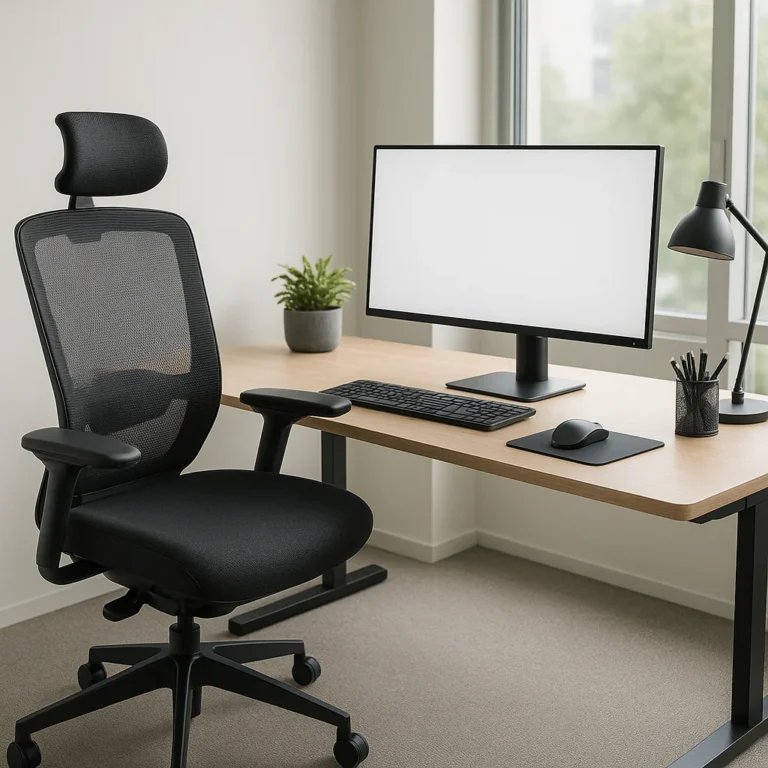
Good workplace lighting is a balancing act: let daylight in, but keep it from bouncing off your screen or shining directly into your eyes. If moving desks is possible, test a few positions before declaring the window seat a victory.
Best desk position for daylight and screen comfort
- Place the screen perpendicular to windows where possible to reduce reflections.
- Keep a window to the side rather than directly in front of or behind the monitor.
- Use adjustable blinds or shades to soften direct sunlight.
- Avoid a sharp contrast between a bright window and a dark screen.
- If your desk cannot move, rotate the monitor, adjust brightness, or use anti-glare screen.
The goal is comfortable, usable light—not a glare-induced squint contest.
Window access, glare, and reflections
Direct sunlight can cause screen glare, eye discomfort, overheating, and fading of some materials. A sheer shade or adjustable blind can preserve much of the daylight while softening the beam. If your eyes feel uncomfortable, check reflections and screen position before assuming you need a special lamp or glasses.
Practical ways to bring more daylight into a workspace
Try these low-fuss changes:
- Open blinds during the day when glare and heat are manageable.
- Keep windows clean and avoid blocking them with tall furniture.
- Use pale, matte wall finishes to distribute light without adding shiny reflections.
- Take breaks near a window or outdoors.
- Ask whether a desk move or shared window area is possible.
- Choose comfortable task lighting for cloudy afternoons or winter.
Mirors and reflective décor can brighten a room in some layouts, but they can also redirect glare. Test placement rather than turning your office into a hall of mirrors.
💡 Natural Light Compared with Artificial Lighting and Light Therapy
Natural daylight, ordinary office lights, and therapy lamps are different tools. A lamp marketed as “daylight” is not automatically a medically appropriate light-therapy device. Check the intended use and discuss treatment with a clinician if you have a health condition.
| Light source | Typical use | Considerations |
|---|---|---|
| Daylight outdoors | Daytime exposure and outdoor breaks | Bright, variable, and may include UV |
| Daylight through a window | Workspace illumination and daytime light | Glass filters much UVB; glare may occur |
| Standard office lighting | General indoor illumination | Brightness and color vary by fixture |
| Light-therapy device | Treatment for some conditions, including SAD | Use timing and device specifications should follow clinical guidance |
Daylight versus standard office lighting
Indoor lighting is often dimer than outdoor daylight, though levels vary widely. A full-spectrum bulb may change the color appearance of a room, but “full spectrum” does not mean the bulb reproduces outdoor daylight in every biologically relevant way. It also does not guarantee vitamin D production.
The best indoor setup may combine comfortable overhead lighting, an adjustable task light, and outdoor breaks.
Bright-light therapy: who may benefit
Light therapy is commonly used for SAD and may be considered for other circadian or mood-related concerns under professional guidance. The NIMH SAD guidance describes treatment options. Ask a healthcare professional before starting if you have bipolar disorder, eye disease, migraines, or medicines that increase photosensitivity.
If a clinician recommends a light-therapy device, follow their advice on timing and distance. Do not assume a desk lamp, tanning lamp, or grow light is an equivalent replacement.
Blue-light glasses, screens, and workplace lighting
Screens produce light, but the main sleep concern is often the timing, brightness, and duration of evening device use, not a simple “blue light is always bad” rule. A screen used during a bright workday is different from a bright screen in a dark bedroom at midnight.
Practical steps include reducing screen brightness at night, enabling a warmer display setting if comfortable, and making room lighting consistent with the time of day. If screens cause headaches or eye strain, check posture, font size, glare, breaks, and vision correction.
🛡️ Sunlight Safety: UV Exposure, Skin, and Eye Protection
The health story of sunlight has two sides: daylight can support circadian timing, while UV radiation can damage skin and eyes. You can seek daylight without aiming for a tan or a burn. The World Health Organization’s UV radiation overview describes the health risks of excessive UV exposure.
Window glass and ultraviolet rays
Most ordinary window glass blocks most UVB, the type of UV radiation needed for skin vitamin D synthesis. Some UVA can pass through many windows, depending on the glass. Therefore:
- A sunny office can provide visible daylight.
- Sitting by a window is not a dependable way to raise vitamin D.
- Window exposure is not automatically UV-free, particularly for prolonged periods.
For vitamin D concerns, discuss diet, supplements, and testing with a healthcare professional rather than extending window or sun exposure.
Sunscreen, clothing, and safe outdoor breaks
Use the local UV Index to guide protection. When UV is high, seek shade, cover exposed skin, wear sunglasses that block UV, and apply broad-spectrum sunscreen as directed. The American Academy of Dermatology recommends broad-spectrum protection and reapplication when appropriate.
- Do: get outdoor daylight while using sensible protection.
- Don’t: deliberately sunburn or stare at the sun.
- Do: pay attention to your own skin-cancer risk and medical history.
- Don’t: use tanning beds as a vitamin D strategy.
Natural light and vitamin D: what to know
Vitamin D status is influenced by diet, supplements, skin synthesis, age, skin pigmentation, location, season, and other factors. The NIH fact sheet lists food sources and recommended intake information. The older review Benefits of Sunlight discusses possible sunlight-related pathways alongside UV risks, but some disease associations in the review remain uncertain and should not be read as proof that sun exposure prevents chronic illness.
If you are worried about deficiency, a clinician can assess risk and decide whether testing or supplementation makes sense. More sun is not a safe stand-in for personalized advice.
⚠️ When to Be Cautious About Bright Light
Most people can enjoy ordinary daylight safely with appropriate sun protection. Some situations call for more care, particularly when considering intense light, light therapy, or deliberate sun exposure.
Light sensitivity, migraines, and eye conditions
Bright light may trigger discomfort or symptoms for some people with migraines, eye conditions, or photosensitivity. Try reducing glare, using a hat or appropriate sunglasses outdoors, and seeking medical advice if symptoms are new, severe, or persistent. Do not use a high-intensity lamp without guidance if you have a condition that affects the eyes.
Bipolar disorder and bright-light therapy
Bright-light therapy may affect mood and sleep timing. If you have bipolar disorder or a history of mania, speak with your mental-health clinician before using a therapy lamp. Do not start or adjust treatment solely because a device label says “mood” or “daylight.”
Shift work, jet lag, and unusual sleep schedules
For night shifts, rotating schedules, or jet lag, light timing can help or hinder depending on when you need to sleep. General advice to “get morning sun” may not suit someone finishing an overnight shift at dawn. The CDC’s shift-work training explains how light and schedule affect circadian rhythms. Ask a clinician or sleep specialist for a plan if schedule disruption is ongoing.
🌧️ Making Daylight Work in Dark, Cloudy, or Windowless Offices
Clouds are not a daylight off-switch. Outdoor light can still be brighter than indoor lighting on an overcast day, though its intensity varies. And if your office has no windows, you still have options beyond wistfully staring at a ceiling panel.
Cloudy weather and seasonal changes
Day length and brightness change with season and location. On cloudy days, spend a break outdoors if it is comfortable and safe. In winter, a consistent daytime routine can help reinforce a stable sleep schedule. If low mood returns seasonally, discuss SAD with a clinician instead of waiting for spring to diagnose it for you.
Windowless workspaces and indoor alternatives
- Take an outdoor break before work, at lunch, or after a shift.
- Use shared break areas with windows when available.
- Ask whether a desk change or regular outdoor break is possible.
- Use comfortable, adequate indoor lighting for tasks.
- Consider a light-therapy device only when appropriate for your situation and preferably with clinical advice.
A lamp can improve visual comfort without reproducing the full range or intensity of outdoor conditions. That distinction matters if you’re using light for a health purpose.
A simple daylight routine for the workday
- Choose a realistic time: after waking, before work, or during your first break.
- Step outside briefly: walk, sit, or take a phone call outdoors.
- Keep it comfortable: dress for weather and use sun protection when needed.
- Repeat consistently: a workable routine beats an ambitious one you abandon by Wednesday.
- Notice your response: track alertness, sleep timing, and mood without assuming daylight is the only factor.
- Get help for persistent symptoms: ongoing insomnia, depression, or fatigue deserves proper assessment.
📊 What Research Says About Daylight and Workplace Health
The research is promising, but the claims need careful sorting. A workplace survey can reveal what employees value; an observational study can show an association; a controlled clinical trial can test a treatment. They answer different questions.
| Evidence type | Example | What it can tell us | What it cannot prove by itself |
|---|---|---|---|
| Employee survey | Workers report wanting daylight and views | What people prefer or perceive | That daylight caused a health outcome |
| Observational cohort | More outdoor time linked with mood measures | Patterns across many people | That sunlight alone caused the difference |
| Small workplace study | Daylight exposure associated with sleep outcomes | A possible relationship worth studying | A universal effect for every worker |
| Clinical guidance | Light therapy recommended for some SAD cases | How a treatment may be used in care | That every bright lamp is safe or effective |
| Biological research | Light signals influence circadian pathways | Plausible mechanisms | That every proposed benefit is clinically established |
A large worker survey cited by UCLA Health reported that more than a third of surveyed North American office workers had limited or no natural light in their immediate workspace. Around half said limited daylight affected mood, productivity, or sleep. These are self-reported experiences, not proof that installing larger windows would improve everyone’s clinical health.
Similarly, the British cohort described by UCLA found that more time outdoors was associated with favorable mood and depression-related measures. People who spend more time outdoors may also exercise more, have different jobs, or have other advantages. The sensible conclusion is not “sunlight cures depression”; it is daylight is a low-cost environmental factor worth considering alongside established care.
The 2008 review “Benefits of Sunlight: A Bright Spot for Human Health” discusses vitamin D and other possible pathways, while emphasizing that excessive UV exposure causes harm and that evidence for many broader health claims is incomplete. Trust the basic distinctions: daylight is a useful circadian cue; UV requires caution; claims about preventing specific diseases need stronger evidence.
✅ Quick Tips for Getting More Natural Light Safely
- Start with daylight, not a device. A brief outdoor break is a simple first step for many people.
- Aim for earlier-in-the-day light if your schedule allows, especially when reinforcing a regular sleep routine.
- Make your desk window-friendly but glare-resistant. Try a side-on window position and adjustable blinds.
- Pair daylight with movement. A walk offers a light break and a screen break in one.
- Keep evenings dimer if late-night light seems to delay sleep.
- Protect skin and eyes outdoors. Check the UV Index and use shade, clothing, sunglasses, and sunscreen as appropriate.
- Don’t rely on window sunlight for vitamin D. Ask about food, supplements, or testing if you have concerns.
- Treat therapy lamps as health devices, not décor. Follow clinical advice, especially if you have bipolar disorder, migraines, or eye disease.
- Ask for help if symptoms persist. Daylight can support wellness, but it is not a replacement for care for depression, insomnia, or unexplained fatigue.
❓ FAQ About Natural Light Exposure at Work

Can natural light exposure at work improve sleep?
Daylight during your waking hours can reinforce the body’s day-night timing and may support a more regular sleep-wake cycle. Morning light is a practical starting point, but results vary, and late-night light can work against sleep timing for some people. A window may provide daytime light, but the brightness depends on the room, glass, and weather.
Read more about “🌊 How Ocean Sounds Reduce Anxiety & Stress (2026)”
How long should I sit near a sunny window?
There is no single window-sitting duration proven to improve health for everyone. Daylight brightness varies substantially, and sitting near a window is different from outdoor exposure. Use a window for comfortable daytime illumination, but consider an outdoor break if you want a brighter natural-light experience. Avoid glare, and don’t treat window exposure as a vitamin D prescription.
Read more about “☀️ Sun Exposure & Vitamin D: The 15-Minute Sweet Spot (2026)”
Is sunlight through glass enough for vitamin D?
Usually, no. Ordinary glass blocks most UVB, which is needed for vitamin D production in skin. Sunlight through a window may still provide visible light, but it is not a dependable way to raise vitamin D levels. Check the NIH vitamin D guidance and ask a healthcare professional about your personal needs.
Read more about “🌿 10 Natural Sunscreen Ingredients: What Really Helps?”
Can too much daylight cause headaches or eye strain?
Bright light, glare, reflections, or strong contrast may cause discomfort for some people. Try adjusting blinds, moving your screen, and balancing room and screen brightness. If headaches or eye pain are frequent, new, or severe, consult a healthcare professional rather than assuming daylight is the only cause.
Are daylight lamps as effective as natural light?
It depends on the purpose. A standard lamp with a daylight-style color may help illuminate a workspace, while a dedicated light-therapy device is designed for a specific therapeutic use. Neither should be assumed to reproduce all the effects of outdoor daylight, and a daylight-colored bulb does not provide vitamin D. For SAD or another health concern, follow guidance from a clinician and the NIMH treatment overview.
What can I do if my office has no windows?
Take outdoor breaks before work, during lunch, or after your shift; use a shared window area if available; and ask about desk or break-location options. Comfortable task lighting can help you see, but it is not the same as outdoor daylight. If you are considering a therapy lamp, check whether it is appropriate for you, especially if you have a mood disorder, eye condition, or light sensitivity.
When is the best time of day to get natural light for your health?
For supporting a regular circadian rhythm, earlier in your waking day is often a useful time. The best timing can differ for shift workers and people with unusual sleep schedules. Avoid looking directly at the sun, and use sun protection when UV conditions call for it.
Read more about “Nutrition Health Facts: 15 Essentials for Eating Well 🥗”
Does natural light improve mood and energy?
Time outdoors and daylight exposure are associated with mood and well-being in some research, and bright-light therapy can help some people with SAD. That does not mean daylight alone treats depression or chronic fatigue. If low mood or low energy persists, seek professional advice; use outdoor light as a supportive habit, not a substitute for care.
Read more about “🧬 How a Balanced Diet Impacts Health & Longevity (2026)”
Should I use a light-therapy lamp without asking a clinician?
If you are considering one for a medical concern, it is wise to check first—particularly if you have bipolar disorder, an eye condition, migraine, or a medication that increases sensitivity to light. A therapy lamp is not the same as a tanning lamp or a regular desk light, and timing matters. For seasonal symptoms, see NIMH’s SAD guidance.