Support our educational content for free when you purchase through links on our site. Learn more
35+ Interesting Facts About Health & Fitness (2026) 🧠


The most interesting fact about health and fitness isn’t that exercise burns calories, but that it physically rewires your brain to grow new neurons and boost memory within weeks. We’ve compiled over 35 surprising insights that prove movement is the ultimate biological hack, far beyond just weight loss or muscle gain.
Dive into these interesting facts about health and fitness to discover why your body is a self-healing machine waiting to be activated. Did you know your internal furnace generates enough heat to boil a half-gallon of water in just 30 minutes? That’s the power you carry inside you right now.
Forget the myth that you need hours in the gym to see results; science shows that even a 10-minute walk can trigger a neurochemical cascade that lifts your mood instantly. From the ancient wisdom of Hippocrates to modern epigenetics, the data reveals that lifestyle choices outweigh genetics in determining your longevity.
Key Takeaways
- Movement is Medicine: Exercise releases BDNF, a protein that acts as “Miracle-Gro” for your brain, improving memory and reducing anxiety.
- Sleep is Non-Negotiable: Quality rest is when your body repairs muscle, regulates hunger hormones, and consolidates memories; skipping it sabotages all other efforts.
- Consistency Over Intensity: Small, daily habits like walking 7,50 steps or drinking water consistently yield better long-term results than sporadic, intense workouts.
- Genetics Aren’t Destiny: While DNA loads the gun, lifestyle pulls the trigger; epigenetics allows you to turn “bad” genes off through diet and activity.
- Hydration is Critical: Even mild dehydration (2% body weight loss) significantly impairs cognitive function and physical performance.
Table of Contents
- ⚡️ Quick Tips and Facts
- 📜 The Evolution of Human Movement: A Brief History of Fitness
- 🧠 Mind Over Muscle: Surprising Psychological Health Facts
- 🥗 25 Nutritional Myths Busted and Real Food Facts You Need to Know
- 🏃 ♂️ 30 Unexpected Benefits of Regular Exercise Beyond Weight Loss
- 💤 The Sleep-Performance Connection: Why Rest is the Ultimate Supplement
- 🧬 Genetics vs. Lifestyle: How Much of Your Health is Actually in Your DNA?
- 🚫 15 Common Fitness Mistakes That Are Sabotaging Your Gains
- 📊 The Science of Stress: How Cortisol Impacts Your Waistline and Mood
- 🚰 Hydration Hacks: 10 Facts About Water You Probably Didn’t Know
- 👵 Aging Gracefully: 20 Facts About Longevity and Active Seniors
- 🏥 Medical Breakthroughs: How Modern Medicine is Redefining Wellness
- 📱 Tech and Fitness: Do Smartwatches Actually Improve Your Health?
- 🌍 Global Health Trends: What the Rest of the World is Doing Right
- 🏆 Conclusion
- 🔗 Recommended Links
- ❓ FAQ: Frequently Asked Questions About Health and Fitness
- 📚 Reference Links
⚡️ Quick Tips and Facts
Before we dive into the deep end of the pool, let’s grab a floatie and hit you with some rapid-fire truths that might just make you rethink your morning routine. Did you know your body is basically a biological furnace? 🌡️ We’re talking about generating enough heat to boil a half-gallon of water in just 30 minutes! That’s right, your internal engine is running hot.
Here are a few mind-blowing snapshots to get your neurons firing:
- Muscle is Metabolic Magic: A pound of muscle burns three times more calories than a pound of fat, even while you’re binge-watching your favorite show.
- The Walking Giant: If you maintain the average of 7,50 steps a day for 80 years, you’ll have walked roughly 10,0 miles. That’s enough to circle the Earth four times! 🌍
- The Caffeine Connection: That morning cup of joe isn’t just for taste; studies show caffeinated coffee can actually lower depression risk. Just don’t expect decaf to do the heavy lifting. ☕
- The “8 Glasses” Lie: Drinking eight glasses of water a day is a myth. Your hydration needs are as unique as your fingerprint. Check your urine color instead; it should be close to pale straw, not dark apple juice. 🍋
- Laughter is Medicine: Seriously. Laughing releases endorphins, lowers blood pressure, and can even help regulate blood sugar in diabetics. So, go watch a comedy special. 🎭
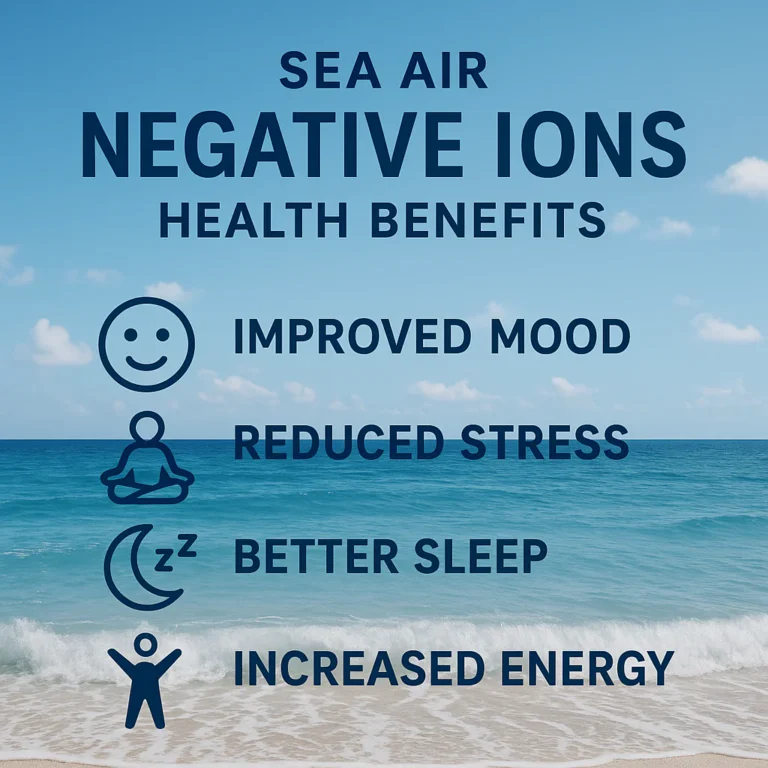
If you’re wondering how a simple walk can transform your mental state, we’ve got a deep dive on that later, but here’s a teaser: Beach walks aren’t just pretty; they trigger a specific cascade of neurochemicals that reduce stress more effectively than urban strolls. You can read all about 🌊 How Beach Walks Improve Mental Health: 7 Science-Backed Secrets (2026) right here at Health Facts™.
But wait, there’s a catch. If you think exercise is just about burning calories, you’re missing the real magic. Why does a 40-minute walk feel like a mood elevator while sitting on the couch feels like a mental anchor? We’ll uncover the neurochemical secrets behind this in the “Mind Over Muscle” section.
📜 The Evolution of Human Movement: A Brief History of Fitness

Let’s take a time machine back. Way back. 🕰️
You might think fitness is a modern obsession born from the gym culture of the 1980s, but the concept of “exercise as medicine” is ancient. In fact, Hippocrates (the father of medicine, 460–370 BCE) prescribed walking to cure disease. Later, Galen (129–20 CE) wrote extensively on how different movements affected different body parts. They knew what we’re just now rediscovering with our fancy smartwatches: movement is life.
Fast forward to 1956. President Dwight D. Eisenhower established the “President’s Council on Youth Fitness” after a pilot study of 8,50 children revealed a shocking lack of physical prowess compared to their European counterparts. This wasn’t just about looking good; it was about national security and survival.
The Shift from Survival to Sedentary
For most of human history, we didn’t “work out”; we survived. Hunting, gathering, farming, and building required constant, varied movement. Then came the Industrial Revolution, and suddenly, were sitting at desks. The result? A mismatch between our evolutionary biology and our modern lifestyle.
| Era | Primary Activity | Health Impact |
|---|---|---|
| Paleolithic | High-intensity hunting/gathering | High muscle mass, low chronic disease |
| Agricultural | Repetitive labor (farming) | Joint issues, but still active |
| Industrial | Sedentary factory work | Rise in heart disease, obesity |
| Digital | Sedentary + Screen time | Metabolic syndrome, mental health crisis |
We are the first generation in history where physical inactivity is a leading cause of death. It’s ironic, isn’t it? We have more technology to track our steps than ever before, yet we move less than our ancestors did while chasing a gazelle.
🧠 Mind Over Muscle: Surprising Psychological Health Facts
Here’s the plot twist you didn’t see coming: Your brain changes physically when you exercise.
We often talk about “getting in shape” as a physical goal, but the mental transformation is arguably more profound. When you move, your brain releases a cocktail of chemicals that act like a super-fertilizer for your neurons.
The Neurochemical Cocktail
- Serotonin: This is your mood stabilizer. Exercise boosts serotonin levels, which is why a good run can feel like a natural antidepressant.
- Endorphins: The famous “runner’s high.” These are your body’s natural painkillers and mood elevators.
- BDNF (Brain-Derived Neurotrophic Factor): Think of this as Miracle-Gro for your brain. It promotes the growth of new neurons and protects existing ones. It’s crucial for memory and learning.
“Not only does exercise improve your body, it helps your mental function by increasing serotonin in the brain, which leads to improved mental clarity.” — ACE PT
The Stress Paradox
You might think stress is bad, and you’re right. But acute stress from exercise (like lifting a heavy weight or sprinting) is different from chronic stress (like a toxic job or financial worry). Exercise trains your body to handle stress better. It’s like a fire drill for your nervous system.
Did you know? People who exercise regularly report lower levels of anxiety and depression, even when facing major life stressors. It’s not that they don’t have problems; it’s that their brains are better equipped to handle them.
But what if you hate the gym? Does that mean you’re doomed to a life of mental fog? Absolutely not. The key is finding movement you enjoy. Whether it’s dancing, gardening, or swimming, the psychological benefits come from the act of moving, not the specific exercise.
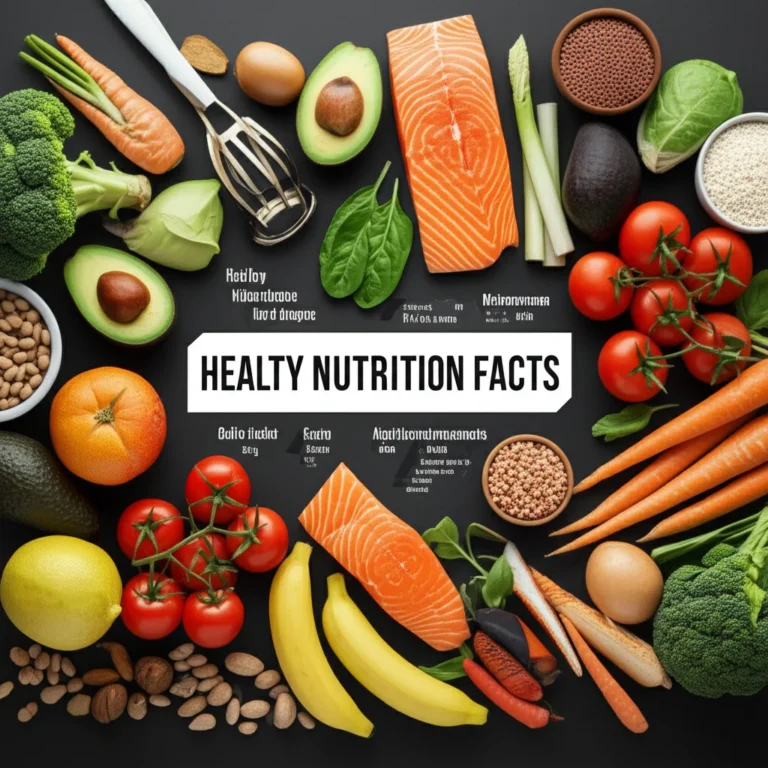
🥗 25 Nutritional Myths Busted and Real Food Facts You Need to Know
Let’s clear the air. The world of nutrition is a minefield of conflicting advice. One day eggs are the devil; the next, they’re a superfood. It’s enough to make you want to eat nothing but pizza forever. 🍕
Here are 25 facts to separate the science from the snake oil:
- Fat isn’t the enemy: Unsaturated fats (like those in avocados and nuts) are vital for brain health.
- Carbs aren’t evil: Your brain runs on glucose. Complex carbs are fuel, not poison.
- The “Detox” Lie: Your liver and kidneys do a fantastic job of detoxing. You don’t need expensive juice cleanses.
- Watermelon is a recovery hero: It contains L-Citrulline, which reduces muscle soreness and speeds up recovery. Best served cold! 🍉
- Dark chocolate is good for you: In moderation, it improves carbohydrate metabolism and antioxidant capacity.
- Lemons are powerhouses: High in Vitamin C and great for immune function.
- Sunlight is food: Your body needs sun exposure to produce Vitamin D, which is crucial for bone health and immunity.
- Coffee doesn’t dehydrate: The water in coffee offsets the mild diuretic effect of caffeine.
- Salt isn’t the villain for everyone: Most people need more sodium, not less, especially if they are active.
- Gluten-free isn’t healthier: Unless you have Celiac disease or gluten sensitivity, gluten-free foods are often less nutritious.
- Organic isn’t always better: The nutritional difference between organic and conventional produce is often negligible.
- Suplements can’t replace food: You can’t get the same benefits from a pill as you do from a whole apple.
- Protein timing matters less than total intake: You don’t need to chug a shake immediately after a workout.
- Fiber is your gut’s best friend: It feeds good bacteria and keeps digestion smooth.
- Sugar addiction is real: High sugar intake rewires your brain’s reward system.
- Intermittent fasting works for some, not all: It’s a tool, not a magic wand.
- Alcohol is a toxin: No amount of alcohol is “healthy,” though moderate consumption has different risks.
- Red meat in moderation: Processed meats are the real danger; unprocessed red meat is fine in small amounts.
- Plant-based doesn’t mean healthy: French fries are plant-based.
- Hydration comes from food too: Up to 20% of your water intake comes from fruits and veggies.
- Cholesterol in food isn’t the main culprit: Saturated and trans fats are the bigger issue for blood cholesterol.
- Keto isn’t for everyone: It can be effective for some, but it’s hard to sustain and not ideal for endurance athletes.
- Vegan diets need planning: You need to watch out for B12, iron, and protein.
- Meal prep saves sanity: Planning ahead prevents the “what’s for dinner?” panic.
- Listen to your body: What works for your friend might not work for you.
The “One Size Fits All” Fallacy
There is no single “healthy” diet. Some people thrive on low-carb, others on high-carb. The best diet is the one you can stick to and that makes you feel good.
“What’s a healthy diet for one person may not work well for the next.” — Evidation
If you’re looking for specific product recommendations to help with your nutrition journey, check out these popular options:
- Nutrient Tracking: MyFitnessPal | Cronometer
- Meal Delivery: HelloFresh | Factor
- Suplements: Optimum Nutrition Whey | Garden of Life Vitamins
🏃 ♂️ 30 Unexpected Benefits of Regular Exercise Beyond Weight Loss
We’ve all heard the “exercise helps you lose weight” line. It’s true, but it’s also boring and often misleading. If weight loss is your only goal, you might quit when the scale doesn’t move. But if you look at the 30 other benefits, you’ll never want to stop moving.
Physical Perks You Didn’t Know About
- Better Sex Life: Exercise improves blood flow and increases libido in both men and women. It can even help with erectile dysfunction naturally.
- Stronger Bones: Weight-bearing exercises prevent osteoporosis.
- Improved Immunity: Moderate exercise boosts the immune system, making you less likely to catch a cold.
- Better Sleep: Regular activity helps you fall asleep faster and enjoy deeper sleep.
- Reduced Cancer Risk: Studies link regular exercise to a lower risk of several cancers, including breast and colon cancer.
- Lower Blood Pressure: A natural way to manage hypertension.
- Improved Balance: Reduces the risk of falls, especially as you age.
- Stronger Heart: Lowers the risk of heart disease, the #1 killer.
- Better Digestion: Keeps things moving (literally).
- Increased Energy: It sounds counterintuitive, but expending energy gives you more energy.
Mental and Emotional Wins
- Reduced Anxiety: Exercise burns off excess adrenaline.
- Sharper Memory: BDNF helps your brain grow new connections.
- Boosted Confidence: Achieving fitness goals builds self-esteem.
- Stress Relief: Lowers cortisol levels.
- Creativity Boost: Many people get their best ideas while walking or running.
- Social Connection: Group classes and sports build community.
- Discipline: The habit of showing up translates to other areas of life.
- Pain Management: Can help with chronic pain conditions like arthritis.
- Longevity: Active people live longer, healthier lives.
- Mood Stabilization: Helps manage symptoms of depression.
The “Hidden” Benefits
- Better Skin: Increased blood flow delivers oxygen and nutrients to skin cells.
- Improved Vision: Some studies suggest exercise reduces the risk of glaucoma.
- Faster Recovery: Improves the body’s ability to heal from injuries.
- Better Posture: Strengthens the core and back muscles.
- Increased Flexibility: Keeps joints mobile.
- Better Breathing: Improves lung capacity.
- Reduced Inflammation: Chronic inflammation is linked to many diseases.
- Brain Protection: May delay the onset of dementia and Alzheimer’s.
- Better Decision Making: A healthy brain makes better choices.
- Pure Joy: Sometimes, it just feels good.
Wait, what about the “no pain, no gain” myth?
Actually, pain is a signal to stop, not a badge of honor. Pushing through pain often leads to injury. The goal is progressive overload, not destruction.
💤 The Sleep-Performance Connection: Why Rest is the Ultimate Supplement
You can eat the cleanest food and lift the heaviest weights, but if you’re sleeping like a zombie, you’re wasting your time. Sleep is the foundation of health.
The Science of Sleep
During sleep, your body does its heavy lifting:
- Muscle Repair: Growth hormone is released, repairing tissue damaged during exercise.
- Memory Consolidation: Your brain processes what you learned during the day.
- Hormone Regulation: Sleep regulates hunger hormones (ghrelin and leptin). Lack of sleep makes you crave junk food.
- Immune System Boost: Cytokines, proteins that fight infection, are produced during sleep.
The Vicious Cycle
Poor sleep leads to poor exercise performance. Poor exercise leads to poor sleep. It’s a downward spiral.
“Moderate exercise increases the amount of deep sleep.” — Sleep Foundation
Pro Tip: Try to finish intense workouts at least 3 hours before bed. The body temperature rise from exercise can interfere with falling asleep.
The “8 Hours” Myth
Not everyone needs exactly 8 hours. Some people function well on 6, others need 9. The key is consistency and quality. If you wake up refreshed, you’re probably getting enough.
🧬 Genetics vs. Lifestyle: How Much of Your Health is Actually in Your DNA?
We all have that friend who eats pizza every day and never gains weight. Or the one who runs marathons but still gets sick. Is it all in the genes?
The Nature vs. Nurture Debate
Research suggests that while genetics play a role (about 20-50% for many traits), lifestyle is the dominant factor. You can’t change your DNA, but you can change how your genes are expressed through epigenetics.
Epigenetics is like a dimer switch for your genes. Lifestyle factors like diet, exercise, and stress can turn “bad” genes off and “good” genes on.
The Power of Choice
- Heart Disease: Genetics load the gun, but lifestyle pulls the trigger.
- Type 2 Diabetes: Being overweight is a major risk factor, regardless of genetics.
- Longevity: Only about 25% of longevity is determined by genetics. The rest is lifestyle.
The Bottom Line: Don’t use your DNA as an excuse. You have more control than you think.
🚫 15 Common Fitness Mistakes That Are Sabotaging Your Gains
We’ve all been there. You’re working hard, but the results aren’t showing. Here are the 15 most common mistakes that might be holding you back:
- Skipping Warm-ups: Cold muscles are injury-prone.
- Doing the Same Workout: Your body adapts quickly. Mix it up!
- Ignoring Form: Bad form leads to injury. Quality over quantity.
- Overtraining: Rest is when you grow. Too much exercise leads to burnout.
- Not Eating Enough Protein: Muscles need fuel to repair.
- Skipping Leg Day: Don’t be that person.
- Focusing Only on Cardio: Strength training is crucial for metabolism.
- Not Drinking Enough Water: Dehydration kills performance.
- Expecting Quick Results: Fitness is a marathon, not a sprint.
- Comparing Yourself to Others: Your journey is unique.
- Ignoring Sleep: See the sleep section above.
- Not Tracking Progress: If you don’t measure it, you can’t improve it.
- Relying on Supplements: Food first, supplements second.
- Giving Up Too Soon: Consistency is key.
- Not Listening to Your Body: Pain is a signal.
📊 The Science of Stress: How Cortisol Impacts Your Waistline and Mood
Stress is inevitable, but chronic stress is the enemy. When you’re stressed, your body releases cortisol. In short bursts, cortisol is helpful (it gives you energy to run from a bear). But when it’s constantly high, it wreaks havoc.
The Cortisol Connection
- Weight Gain: Cortisol promotes fat storage, especially around the belly.
- Muscle Breakdown: It can break down muscle tissue for energy.
- Mood Swings: High cortisol is linked to anxiety and depression.
- Sleep Disruption: It keeps you awake at night.
How to Manage Stress
- Exercise: Burns off excess cortisol.
- Meditation: Lowers cortisol levels.
- Sleep: Essential for resetting your stress response.
- Social Connection: Talking to friends reduces stress.
🚰 Hydration Hacks: 10 Facts About Water You Probably Didn’t Know
Water is life. But how much do you really know about it?
- Thirst is a late signal: You lose 3% of your body weight in fluids before feeling thirsty.
- Urine color is key: Pale straw = good. Dark yellow = drink up.
- Food counts: 20% of your water comes from food.
- Water overdose is real: Hyponatremia (low sodium) can be fatal.
- Brain function drops: Even mild dehydration affects concentration.
- Skin health: Hydrated skin looks better.
- Kidney stones: Water helps prevent them.
- Digestion: Water is essential for breaking down food.
- Temperature regulation: Sweating cols you down.
- Energy levels: Dehydration makes you feel tired.
Myth Buster: You don’t need to drink 8 glasses a day. Drink when you’re thirsty, and check your urine.
👵 Aging Gracefully: 20 Facts About Longevity and Active Seniors
Aging isn’t a disease; it’s a process. And with the right habits, you can stay active and healthy well into your 80s and 90s.
- Muscle loss is preventable: Resistance training 2-3 times a week can prevent the loss of 3-5% of muscle mass per decade.
- Balance is crucial: Falls are a major risk for seniors.
- Social connection: Loneliness is as bad as smoking.
- Cognitive health: Learning new skills keeps the brain sharp.
- Nutrition: Protein needs increase with age.
- Hydration: Seniors are more prone to dehydration.
- Sleep quality: Changes with age, but still vital.
- Sun protection: Skin becomes more sensitive.
- Vision and hearing: Regular check-ups are essential.
- Medication management: Many seniors take multiple meds.
- Home safety: Remove tripping hazards.
- Mental health: Depression is common but treatable.
- Financial planning: Health costs rise with age.
- Voluntering: Gives a sense of purpose.
- Travel: Keeps the mind active.
- Hobbies: Keep learning and creating.
- Family time: Strong bonds improve longevity.
- Pet ownership: Dogs lower blood pressure.
- Community: Join groups to stay connected.
- Attitude: A positive outlook matters.
🏥 Medical Breakthroughs: How Modern Medicine is Redefining Wellness
Medicine is evolving from “treating sickness” to “promoting wellness.”
- Personalized Medicine: Treatments tailored to your DNA.
- Telehealth: Access to doctors from home.
- Wearables: Real-time health monitoring.
- Gene Therapy: Fixing genetic defects.
- Imunotherapy: Using the immune system to fight cancer.
📱 Tech and Fitness: Do Smartwatches Actually Improve Your Health?
Smartwatches are everywhere. But do they actually make you healthier?
The Good:
- Motivation: Seeing your steps can push you to move more.
- Tracking: Helps you monitor sleep, heart rate, and activity.
- Safety: Fall detection and emergency calls.
The Bad:
- Obsession: Can lead to anxiety about numbers.
- Inaccuracy: Not always 10% precise.
- Privacy: Data security concerns.
The Verdict: They are great tools, but don’t let the data rule your life. Use them to inspire, not to obsess.
🌍 Global Health Trends: What the Rest of the World is Doing Right
Different cultures have different approaches to health.
- Japan: The “Blue Zone” of Okinawa. Longevity is linked to diet and community.
- Mediterranean: Olive oil, veggies, and social meals.
- Scandinavia: Emphasis on outdoor activity and work-life balance.
- India: Yoga and Ayurveda for holistic health.
- Costa Rica: Active lifestyle and strong social bonds.
Lesson: There is no single “right” way. Look at what works for different cultures and adapt it to your life.
🏆 Conclusion

We started this journey with a simple question: What are the most interesting facts about health and fitness? We’ve uncovered that fitness is far more than just burning calories or looking good in a mirror. It’s a holistic symphony of movement, nutrition, sleep, and mental resilience.
From the ancient wisdom of Hippocrates to the cutting-edge science of epigenetics, one truth stands out: You have more control over your health than you think. Your DNA isn’t a destiny; it’s a blueprint that you can modify with your daily choices. Whether it’s the miracle drug of exercise that boosts your BDNF, the power of laughter to regulate blood sugar, or the simple act of walking 7,50 steps a day, every small action adds up.
The Big Reveal: Remember that unresolved question about why a walk feels so much better than sitting? It’s because movement triggers a cascade of neurochemicals—serotonin, endorphins, and BDNF—that literally rewire your brain for happiness and clarity. It’s not just “exercise”; it’s biological self-care.
So, what’s your next move? Don’t wait for the “perfect” time. Start small. Take a walk, drink some water, get some sleep, and laugh a little more. Your future self will thank you.
🔗 Recommended Links
Ready to take action? Here are some tools and resources to help you on your journey:
- Fitness Trackers:
Fitbit: Amazon Search | Official Site
Garmin: Amazon Search | Official Site - Nutrition & Meal Planning:
MyFitnessPal: Amazon App | Official Site
HelloFresh: Official Site - Books on Health & Fitness:
Why We Sleep by Matthew Walker: Amazon Link
Spark: The Revolutionary New Science of Exercise and the Brain by John J. Ratey: Amazon Link
The Blue Zones Solution by Dan Buettner: Amazon Link
❓ FAQ: Frequently Asked Questions About Health and Fitness

What are the top 10 health tips?
- Move your body daily.
- Eat a balanced diet rich in whole foods.
- Prioritize 7-9 hours of sleep.
- Stay hydrated.
- Manage stress through mindfulness.
- Maintain social connections.
- Avoid smoking and limit alcohol.
- Get regular check-ups.
- Practice good hygiene.
- Listen to your body.
Read more about “🛡️ 7 Probiotic Lotions for Skin Cancer Prevention (2026)”
How can I improve my health and fitness?
Start with small, sustainable changes. Focus on consistency rather than intensity. Incorporate a mix of cardio, strength training, and flexibility exercises. Eat more vegetables, drink more water, and prioritize sleep. Remember, progress is not linear.
Read more about “🌊 7 Proven Benefits of Beach Activities for Health (2026)”
What are some fun facts about working out?
- Working out with music can improve your performance and mood.
- You can burn calories just by fidgeting (NEAT).
- Exercise can make you smarter by boosting BDNF.
- A 40-minute walk can burn up to 20 calories.
Read more about “🏖️ Sand Walking: The 5-Step Fitness Hack for 2026?”
What are some unknown facts about exercise?
- Exercise can improve your sense of smell.
- It can boost your immune system, making you less likely to get sick.
- It can help you sleep better, even if you exercise late in the day (for some people).
- It can reduce the risk of certain cancers.
Read more about “12 Ocean Swimming Risks You Must Know (2026) 🌊”
What are some shocking health facts?
- Sedentary behavior is as dangerous as smoking.
- Chronic stress can shorten your lifespan.
- Lack of sleep can lead to weight gain.
- Loneliness is as harmful as smoking 15 cigarettes a day.
Read more about “10 Shocking Psychology Facts About Health That Will Change Your Life (2026) 🧠”
What are 5 ways to stay healthy?
- Eat a variety of colorful fruits and vegetables.
- Exercise for at least 150 minutes a week.
- Get 7-9 hours of quality sleep.
- Manage stress through meditation or hobbies.
- Stay connected with friends and family.
Read more about “25 Fun Facts About Healthy Lifestyle That Will Surprise You (2026) 🌟”
What is the #1 habit for a healthy body?
Consistency. Whether it’s exercise, diet, or sleep, doing something small every day is more effective than doing something huge once in a while.
Read more about “🧠 10+ Most Interesting Medical Facts That Will Blow Your Mind (2026)”
What are some interesting facts about PE?
- Physical Education (PE) in schools has been shown to improve academic performance.
- Kids who are active in PE are more likely to be active as adults.
- PE can help reduce bullying and improve social skills.
Read more about “🌿 7 Ways Polypodium leucotomos Extract Defies Sun Damage (2026)”
What are 10 facts about physical health?
- Heart disease is the leading cause of death.
- Obesity is a global epidemic.
- Exercise reduces the risk of type 2 diabetes.
- Smoking is the leading cause of preventable death.
- Alcohol abuse damages the liver.
- High blood pressure is a silent killer.
- Cancer rates are rising.
- Mental health is as important as physical health.
- Sleep is essential for recovery.
- Hydration is crucial for all bodily functions.
Read more about “🌊 How Beach Walks Improve Mental Health: 7 Science-Backed Secrets (2026)”
What are 5 facts about fitness?
- Muscle burns more calories than fat.
- Strength training is essential for bone health.
- Cardio improves heart health.
- Flexibility prevents injury.
- Consistency is key to results.
Read more about “10 Beach Exercise Routines for Fitness That Actually Work! 🌊 (2025)”
Did you know facts about health and fitness?
- Your body generates enough heat to boil water.
- Humans are the only animals that cry from emotion.
- Your nose can remember 50,0 smells.
- Your brain uses 20% of your body’s energy.
- Laughter can lower blood sugar.
Read more about “40 Facts About Fitness …”
📚 Reference Links
- American Heart Association: Heart Disease Statistics
- National Institutes of Health (NIH): Sleep and Health
- Centers for Disease Control and Prevention (CDC): Physical Activity Guidelines
- Evidation: 23 Health Facts Surprising Insights for Wellness
- ACE PT: Fun Exercise Facts
- PMC: Exercise as Medicine
- PLOS One: Coffee and Dehydration Study
- VA Whole Health Library: Laughter and Diabetes
- Sleep Foundation: Sleep and Disease Prevention
- Health Facts™ Categories:
- Environmental Health
- Chronic Diseases
- Children’s Health
- Allergies and Immunity
- Digital Health