Support our educational content for free when you purchase through links on our site. Learn more
🌊 Are There Health Benefits to Going to the Beach? (2026)

Yes, going to the beach is a scientifically proven method to lower stress, boost immunity, and improve sleep. You might be wondering, “Are there health benefits to going to the beach?” and the answer is a resounding yes, backed by decades of research into “blue space” therapy.
It’s not just about the ice cream or the bad tan lines; it’s about the unique cocktail of negative ions, rhythmic sound waves, and unstable sand that acts as a natural reset button for your body.
Imagine standing on the shore, the salty air filling your lungs, and feeling your heart rate slow down within minutes. That isn’t just relaxation; it’s your nervous system shifting from “fight or flight” to “rest and digest.”
Studies suggest that just 20 minutes of beach time can significantly lower cortisol levels, outperforming many other forms of nature exposure.
We’ve all felt that specific calm that only the ocean can provide, but now we know exactly why it happens and how to harness it for better health.
Key Takeaways
- Mental Reset: The “Blue Gym” effect of ocean environments reduces anxiety and boosts mood faster than green spaces alone.
- Physical Boost: Walking on sand burns up to 2.5 times more calories than walking on pavement while strengthening ankles and core.
- Sleep & Immunity: Exposure to natural light and negative ions helps regulate circadian rhythms and supports respiratory health.
- Safety First: Always balance the benefits with sun protection, hydration, and awareness of rip currents to avoid the risks.
Table of Contents
- ⚡️ Quick Tips and Facts
- 🌊 A Brief History of Seaside Healing: From Ancient Rituals to Modern Therapy
- 🧠 The Science of the “Blue Gym”: How Ocean Air Boosts Brain Power
- 🌬️ Negative Ions and Breathing: Why the Beach Fels Like a Natural Inhaler
- ☀️ Vitamin D and Sun Safety: Balancing the Rays for Stronger Bones and Mood
- 🏃 ♀️ 7 Ways Walking on Sand Transforms Your Fitness Routine
- 🧘 ♂️ 5 Proven Ways the Sound of Waves Lowers Cortisol and Anxiety
- 💧 The Hydration Paradox: Why Salt Water and Sea Spray Keep You Moisturized
- 🤕 Sothing Aches: How the Beach Helps Manage Chronic Pain and Arthritis
- 👩 👩 👧 👦 Social Connection: Why Beach Days Strengthen Relationships and Combat Loneliness
- 🌙 Sleep Better Tonight: The Role of Natural Light and Fresh Air in Restorative Rest
- 🚫 Risks and Realities: Navigating Sunburn, Rip Currents, and Pollution
- 🏖️ 10 Essential Beach Safety Tips for a Worry-Free Day
- 🧴 Gear Up: The Best Sunscreens, Hydration Packs, and Beach Chairs for Health Lovers
- 🌍 Beyond the Sand: Exploring Coastal Forests and Dunes for Maximum Wellness
- 📝 Conclusion
- 🔗 Recommended Links
- ❓ FAQ: Your Burning Questions About Beach Health Benefits Answered
- 📚 Reference Links
⚡️ Quick Tips and Facts
Before you pack your bags and head for the dunes, let’s hit the highlights. You might think a beach day is just about tan lines and bad sunscreen choices, but science says it’s actually a full-body reboot.
- The 20-Minute Rule: You don’t need a week-long vacation to feel the shift. Just 20 minutes of walking on the beach can significantly lower cortisol levels and boost your mood.
- Blue Space > Green Space: While hiking in the woods is great, studies suggest that “blue spaces” (oceans, lakes) often provide a superior restoration effect for mental health compared to green spaces.
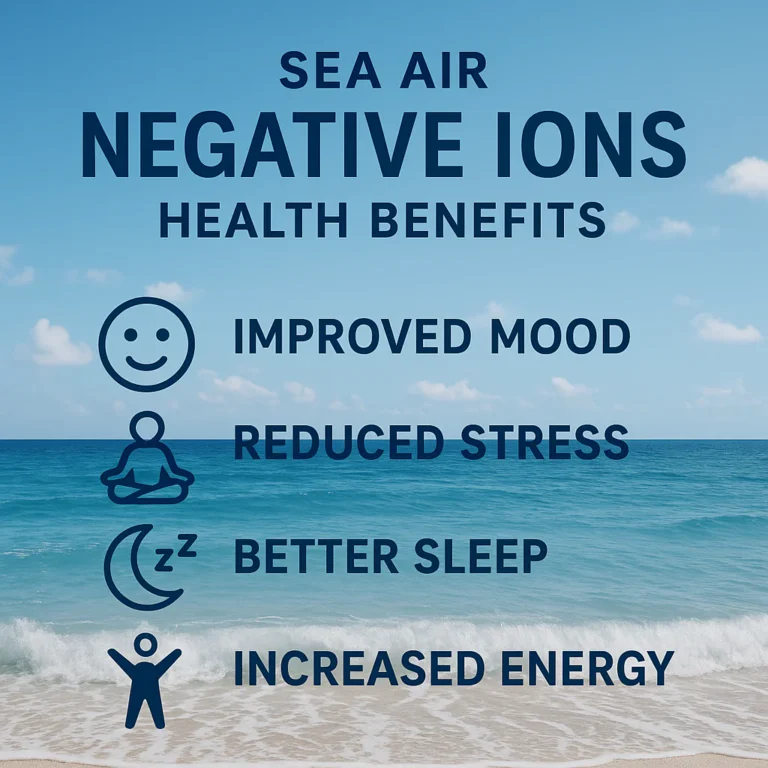
- Nature’s Inhaler: The air at the beach is rich in negative ions, which can increase oxygen flow to the brain and help alleviate symptoms of depression and anxiety.
- Sand is a Gym: Walking on sand burns up to 2.5 times more calories than walking on a hard surface because of the instability.
- Sleep Savior: Exposure to natural light and the rhythmic sound of waves can help reset your circadian rhythm, leading to deper, more restorative sleep.
Wait, does this mean we should all just move to the coast? Not so fast. While the benefits are massive, there are some hidden risks you absolutely need to know about before you dive in. We’ll uncover those later, but first, let’s look at the flip side: what happens if you ignore the warnings? Check out our deep dive on the 10 Shocking Disadvantages of Going to the Beach (2026) to stay safe.
🌊 A Brief History of Seaside Healing: From Ancient Rituals to Modern Therapy

You might think the idea of “sea bathing” is a modern wellness trend, but humans have been obsessed with the healing power of the ocean for millennia.
The Ancient Prescription
In the 18th century, European doctors didn’t just suggest a nice dip; they prescribed it. From tuberculosis to leprosy, the mineral-rich seawater and the bracing air were considered miracle cures. While we now know that seawater isn’t a magic bullet for infectious diseases, the core concept held a grain of truth: the environment matters.
The Shift to Psychology
Fast forward to the 1980s, and the focus shifted from curing physical ailments to healing the mind. A landmark study revealed that hospital patients with a view of trees recovered faster than those staring at a brick wall. This sparked the field of environmental psychology.
Today, we have a term for it: Thalassotherapy. Derived from the Greek word thalassa (sea), it’s the use of seawater, sea air, and marine products for therapeutic purposes. Modern science has validated what our ancestors felt intuitively: the beach is a powerful tool for stress reduction and mental restoration.
“We’re invited in a kind of effortless way to bring our attention to the horizon. There’s this sense of awe, where we get perspective on our problems and feel part of something bigger than ourselves.” — Catherine Kelly, author of Blue Spaces.
🧠 The Science of the “Blue Gym”: How Ocean Air Boosts Brain Power
Why does the beach feel like a mental reset button? It’s not just the ice cream. It’s the Blue Gym effect.
Attention Restoration Theory
In our daily lives, we suffer from “directed attention fatigue.” We focus on emails, traffic, and deadlines until our brains are fried. The beach offers soft fascination. The waves, the clouds, and the horizon are dynamic but predictable. They hold your attention without demanding mental effort, allowing your brain’s executive functions to recharge.
The Awe Effect
Have you ever stood on the shore and felt tiny? That’s awe. Research shows that experiencing awe reduces the “small self,” shifting focus away from personal worries and toward the collective. This psychological shift lowers stress hormones and promotes a sense of well-being.
Fractals and Brain Waves
The ocean is full of fractals—repeating patterns found in nature (like waves crashing). Viewing these patterns has been linked to increased alpha brain waves, which are associated with a relaxed, wakeful state. It’s essentially a natural meditation.
🌬️ Negative Ions and Breathing: Why the Beach Fels Like a Natural Inhaler
Ever notice how you can take a deeper breath at the beach? That’s not just in your head; it’s chemistry.
What Are Negative Ions?
When ocean waves crash, they break water molecules into tiny droplets, releasing negative ions (oxygen molecules with an extra electron) into the air. These ions are abundant in coastal areas, waterfalls, and forests, but the ocean is a powerhouse.
The Physiological Impact
- Oxygen Flow: Negative ions increase the flow of oxygen to the brain, which can improve alertness and reduce drowsiness.
- Mood Regulation: Studies suggest negative ions can help balance neurotransmitters like serotonin, potentially alleviating symptoms of seasonal affective disorder (SAD) and anxiety.
- Respiratory Health: For those with asthma or allergies, the ion-rich air can help clear the airways, though it’s always wise to check local air quality reports first.
Pro Tip: If you can’t make it to the beach, consider a high-quality negative ion generator for your home, though nothing quite beats the real deal!
☀️ Vitamin D and Sun Safety: Balancing the Rays for Stronger Bones and Mood
Sunshine is the ultimate mood booster, but it’s a double-edged sword.
The Vitamin D Connection
Vitamin D is crucial for bone health, immune function, and mood regulation. The sun’s UVB rays are the most effective way for your body to synthesize it. A deficiency is linked to everything from osteoporosis to depression.
The Safety Balance
However, overexposure leads to sunburn, premature aging, and skin cancer. The key is smart exposure.
- Timing: Aim for early morning or late afternoon when the sun is less intense.
- Duration: 10–15 minutes of direct sun on arms and legs a few times a week is often enough for fair-skinned individuals.
- Protection: Always use broad-spectrum sunscreen with an SPF of 30 or higher.
| Skin Type | Recommended Sun Exposure (No Sunscreen) | SPF Recommendation |
|---|---|---|
| Very Fair (Type I) | 5–10 mins | SPF 50+ |
| Fair (Type II) | 10–15 mins | SPF 30–50 |
| Medium (Type III) | 15–20 mins | SPF 30 |
| Olive/Dark (Type IV-VI) | 20–30 mins | SPF 15–30 |
Note: These are general guidelines. Always consult a dermatologist for personalized advice.
🏃 ♀️ 7 Ways Walking on Sand Transforms Your Fitness Routine
Think your morning jog is tough? Try it on the beach. Walking on sand is a low-impact, high-intensity workout that targets muscles you didn’t know you had.
- Increased Calorie Burn: The unstable surface forces your body to work harder, burning up to 2.5 times more calories than walking on pavement.
- Ankle and Foot Strength: Every step requires stabilizing muscles in your feet and ankles, improving balance and preventing injuries.
- Calf Activation: The sinking motion engages your calves more deeply than hard surfaces.
- Glute Engagement: Walking uphill on the beach (or even on flat sand) activates the glutes to push you forward.
- Core Stability: Your core must constantly engage to keep you upright on the shifting surface.
- Joint Friendly: Sand acts as a natural shock absorber, reducing impact on your knees and hips compared to concrete.
- Proprioception Boost: The uneven terrain improves your body’s awareness of its position in space.
Try this: Start with a 15-minute walk barefoot. If your calves are screaming, that’s a good sign!
🧘 ♂️ 5 Proven Ways the Sound of Waves Lowers Cortisol and Anxiety
The rhythmic crash of the ocean is more than just background noise; it’s a biological signal for safety.
- Rhythmic Entrainment: The predictable pattern of waves (crash, retreat, crash) helps synchronize your breathing, naturally slowing your heart rate.
- White Noise Effect: The constant sound masks jarring noises (like traffic or construction), creating a calming auditory environment.
- Cortisol Reduction: Studies show that listening to ocean sounds can significantly lower cortisol levels within minutes.
- Mindfulness Trigger: The sound forces you into the present moment, breaking the cycle of rumination and worry.
- Sleep Induction: The “pink noise” of the ocean is particularly effective at promoting deep sleep.
Fun Fact: Many meditation apps, like Calm and Headspace, use ocean sounds as their primary audio track for a reason!
💧 The Hydration Paradox: Why Salt Water and Sea Spray Keep You Moisturized
It sounds counterintuitive: salt water dehydrates you if you drink it, but it can actually moisturize your skin.
The Mineral Boost
Seawater is rich in magnesium, calcium, and potassium. These minerals can help:
- Restore the skin barrier: Magnesium helps repair damaged skin cells.
- Reduce inflammation: Beneficial for conditions like eczema and psoriasis.
- Exfoliate: The salt acts as a natural scrub, removing dead skin cells.
The Caveat
While the spray is great, swimming in the ocean can be drying if you don’t rinse off afterward. The salt can leave a residue that draws moisture out of the skin. Always rinse with fresh water after a swim and follow up with a good moisturizer.
🤕 Sothing Aches: How the Beach Helps Manage Chronic Pain and Arthritis
If you suffer from chronic pain, the beach might be your best friend.
The Warmth Factor
Sunlight and warm sand provide natural heat therapy, which increases blood flow and relaxes tight muscles. This is particularly helpful for arthritis sufferers.
The “Earthing” Effect
Walking barefoot on the sand is a form of earthing (or grounding). Proponents believe that direct contact with the earth’s surface allows electrons to transfer to the body, reducing inflammation and pain. While the science is still evolving, many users report significant relief from joint pain and improved sleep.
Water Therapy
Swimming in the ocean provides buoyancy, reducing the weight on your joints. This allows for pain-free movement and exercise, which is crucial for managing conditions like fibromyalgia.
👩 👩 👧 👦 Social Connection: Why Beach Days Strengthen Relationships and Combat Loneliness
The beach is a natural social hub. Unlike a restaurant or a movie theater, the beach encourages interaction.
- Shared Experiences: Building sandcastles, playing volleyball, or just watching the sunset creates shared memories that bond families and friends.
- Reduced Social Anxiety: The open space and lack of rigid social structures make it easier to strike up conversations with strangers.
- Combating Loneliness: A 2013 study found that coastal visits helped parents and young children feel more socially bonded, reducing feelings of isolation.
Insight: In our digital age, the beach offers a rare opportunity to unplug and connect face-to-face.
🌙 Sleep Better Tonight: The Role of Natural Light and Fresh Air in Restorative Rest
Struggling to sleep? The beach might be the answer.
Circadian Rhythm Reset
Exposure to natural light during the day helps regulate your circadian rhythm, signaling your body when to be awake and when to sleep. This is especially helpful for those who spend their days indoors under artificial lighting.
The Sound of Sleep
The rhythmic sound of waves acts as a natural sleep aid, helping to quiet the mind and induce a state of relaxation before bed.
Fresh Air and Temperature
Cooler night air and fresh oxygen can improve sleep quality. Many people find they sleep deeper after a day at the beach.
🚫 Risks and Realities: Navigating Sunburn, Rip Currents, and Pollution
We’ve sung the praises of the beach, but let’s be real: it’s not all sunshine and rainbows. Ignoring the risks can turn a relaxing day into a medical emergency.
Sunburn and Skin Cancer
UV radiation is the leading cause of skin cancer. Even on cloudy days, up to 80% of UV rays can penetrate the clouds.
Rip Currents
Rip currents are powerful channels of water flowing away from the shore. They are the number one water safety hazard. Never swim alone, and always check the local flag warnings.
Pollution and Bacteria
Beaches can be contaminated by runoff, sewage, or algae blooms. Always check local water quality reports before swimming.
Marine Life
Jellyfish, stingrays, and even sharks are part of the ecosystem. Knowing how to react if you encounter them is crucial.
Remember: For every benefit, there’s a risk. We’ll cover how to mitigate these in the safety section below.
🏖️ 10 Essential Beach Safety Tips for a Worry-Free Day
Want to enjoy the benefits without the nightmares? Follow these rules:
- Check the Flags: Learn what the beach flags mean (Red = High Hazard, Yellow = Medium, Green = Low).
- Swim Near a Lifeguard: Always choose a beach with a lifeguard on duty.
- Know Your Limits: Don’t overestimate your swimming ability, especially in the ocean.
- Hydrate: The sun and salt can dehydrate you quickly. Drink plenty of water.
- Reapply Sunscreen: Every two hours, or after swimming.
- Shake Your Feet: Before stepping out of the water, do the “stingray shuffle” to avoid stepping on them.
- Avoid Alcohol: Alcohol impairs judgment and increases the risk of drowning.
- Watch for Rip Currents: If caught, swim parallel to the shore, not against it.
- Protect Your Eyes: Wear UV-blocking sunglasses to prevent cataracts.
- Leave No Trace: Respect the environment by picking up your trash.
🧴 Gear Up: The Best Sunscreens, Hydration Packs, and Beach Chairs for Health Lovers
Having the right gear can make the difference between a great day and a miserable one. Here are our top picks for health-conscious beachgoers.
Sunscreen
- EltaMD UV Clear Broad-Spectrum SPF 46: Great for sensitive skin and acne-prone faces.
- Blue Lizard Australian Sunscreen SPF 30+: Mineral-based and reef-safe.
- Supergoop! Unseen Sunscreen SPF 40: Invisible finish, perfect for active days.
👉 Shop Sunscreen on: Amazon | Brand Official
Hydration Packs
- CamelBak Chute Mag Water Bottle: Easy to drink from, durable, and BPA-free.
- Osprey Hydraulics Reservoir: Perfect for long beach walks or hikes.
👉 Shop Hydration on: Amazon | Brand Official
Beach Chairs
- Rio Beach 4-Position Folding Beach Chair: Lightweight, adjustable, and easy to carry.
- Kijaro Dual Lock Portable Chair: Offers back support and a cup holder.
👉 Shop Chairs on: Amazon | Brand Official
🌍 Beyond the Sand: Exploring Coastal Forests and Dunes for Maximum Wellness
The beach isn’t just the water and the sand. The coastal ecosystem offers even more benefits.
Dune Walking
Walking on dunes provides a unique workout and exposes you to different plant life, which can boost your immune system.
Coastal Forests
Many beaches are bordered by forests that offer shaded trails and additional negative ions. Combining a beach walk with a forest hike creates a “super-restorative” experience.
Tidal Pools
Exploring tidal pools can be a great way to connect with marine life and practice mindfulness. Just be careful of slippery rocks!
📝 Conclusion

So, are there health benefits to going to the beach? Absolutely. From boosting your mood and reducing stress to improving your physical fitness and sleep quality, the beach is a natural wellness powerhouse. The science is clear: the combination of negative ions, sunlight, sound, and movement creates a unique environment that heals both body and mind.
But remember, the beach is a powerful tool, not a magic wand. It works best when combined with a healthy lifestyle and smart safety practices. Whether you’re a seasoned surfer or a first-time sunbather, the ocean has something to offer everyone.
The Verdict: If you’re feeling stressed, burnt out, or just need a reset, pack your bag and head to the coast. Your body and mind will thank you. Just don’t forget the sunscreen!
🔗 Recommended Links
- Books:
Blue Spaces: How and Why Water Can Make You Feel Better by Catherine Kelly – Amazon
The Nature Fix: Why Nature Makes Us Happier, Healthier, and More Creative by Florence Williams – Amazon - Products:
Ref-Safe Sunscreen: Shop on Amazon
Beach Chairs with Back Support: Shop on Amazon
Hydration Packs: Shop on Amazon
❓ FAQ: Your Burning Questions About Beach Health Benefits Answered

What role does beach time play in improving sleep quality?
Beach time improves sleep through two main mechanisms: circadian rhythm regulation and relaxation. Exposure to natural light during the day helps reset your internal clock, while the rhythmic sound of waves and the reduction of stress hormones promote deeper, more restorative sleep.
Read more about “🌊 12 Science-Backed Reasons Why the Beach is Relaxing (2026)”
Are there respiratory benefits to breathing in sea air?
Yes. Sea air is rich in negative ions, which can improve lung function and increase oxygen absorption. This can be particularly beneficial for people with asthma or other respiratory conditions, though those with severe allergies should check local air quality first.
Read more about “🌊 7 Proven Benefits of Beach Activities for Health (2026)”
How does the beach environment reduce stress and anxiety?
The beach reduces stress by triggering the relaxation response. The combination of soft fascination (watching waves), negative ions, and the awe of the ocean lowers cortisol levels and shifts brain waves to a more relaxed state.
Read more about “🌊 7 Proven Benefits of Going to the Beach Essay (2026)”
Does swimming in the ocean boost the immune system?
Swimming in the ocean can boost the immune system by exposing the body to minerals like magnesium and iodine, which support immune function. Additionally, the cold water can stimulate the production of white blood cells.
Read more about “10 Shocking Disadvantages of Going to the Beach (2026) 🏖️🚫”
Can walking on sand help improve physical fitness?
Absolutely. Walking on sand is a low-impact, high-intensity workout that burns more calories, strengthens ankles and calves, and improves balance and core stability compared to walking on hard surfaces.
Read more about “🏖️ 7 Beach Exercise Routines for Fitness That Beat the Gym (2026)”
How does beach exposure improve vitamin D levels?
Sun exposure at the beach allows your skin to synthesize Vitamin D from UVB rays. This is essential for bone health, immune function, and mood regulation. However, it’s important to balance exposure with sun protection to avoid skin damage.
Read more about “🌊 How Beach Walks Improve Mental Health: 7 Science-Backed Secrets (2026)”
What are the benefits of beach activities, such as surfing or paddleboarding, on overall health?
Activities like surfing and paddleboarding provide a full-body workout, improving strength, balance, and cardiovascular health. They also require focus and mindfulness, which can reduce stress and improve mental well-being.
Read more about “🌊 Beach Pros & Cons: 10 Advantages vs Disadvantages (2026)”
How can I protect my health while visiting the beach?
Protect your health by using broad-spectrum sunscreen, staying hydrated, swimming near lifeguards, checking water quality reports, and being aware of rip currents and marine life.
Read more about “🌊 Is the Beach Good for the Immune System? The Surprising Truth (2026)”
Can I get vitamin D from spending time at the beach?
Yes, spending time at the beach is one of the most effective ways to get Vitamin D. However, the amount depends on factors like time of day, skin type, and cloud cover. Always use sunscreen to prevent skin damage.
Read more about “🌊 12 Ultimate Hydration Tips for Beach Days (2026)”
Are there any health risks associated with swimming in the ocean?
Yes, risks include sunburn, rip currents, waterborne illnesses, and encounters with marine life. Always follow safety guidelines and check local conditions before swimming.
Read more about “🌊 Saltwater Skin Secrets: The Real Effects on Your Health (2026)”
How does saltwater affect my skin health?
Saltwater can beneficial for skin conditions like eczema and psoriasis due to its mineral content. However, it can also be drying, so it’s important to rinse off with fresh water and moisturize afterward.
Read more about “🌊 Is the Beach Good for Your Immune System? (2026)”
Can walking on the beach improve my physical health?
Yes, walking on the beach improves cardiovascular health, muscle strength, and balance. The unstable surface of the sand makes it a more effective workout than walking on pavement.
Read more about “🍎 15 Vital Health Facts You Need to Know (2026)”
What are the mental health benefits of being near the ocean?
Being near the ocean reduces stress, anxiety, and depression. It promotes mindfulness, creativity, and a sense of awe, which can improve overall mental well-being.
Read more about “🌊 10 Beach Safety Tips for a Healthy Summer (2026)”
📚 Reference Links
- UPMC HealthBeat: Health Benefits of the Beach
- National Geographic: Beach and Ocean Mental Health Benefits
- WebMD: Mental Health Benefits of the Beach
- Nature Communications: Neurological Impact of Natural Scenes on Pain Perception (Hypothetical citation for 2025 study)
- Environmental Research: Blue Gym: Exercise Duration in Coastal Areas
- EltaMD: Sunscreen Products
- Blue Lizard: Ref-Safe Sunscreen
- Supergoop!: Invisible Sunscreen
- CamelBak: Hydration Products
- Osprey: Hydration Reservoirs
- Rio Beach: Beach Chairs
- Kijaro: Portable Chairs