Support our educational content for free when you purchase through links on our site. Learn more
🌊 Beach Pros & Cons: 10 Advantages vs Disadvantages (2026)


Remember that time we tried to have a “quiet” beach day, only to end up in a sandcastle-building war with a toddler and a seagull that stole our lunch? We’ve all been there. The beach is a paradox: it’s a serene sanctuary for your soul and a chaotic arena for your survival skills. While the rhythmic crash of waves and the scent of salt air promise instant relaxation, the reality often involves scorching sun, hidden rip currents, and the dreaded “beach bum” rash. But is the hassle worth the healing?
At Health Facts™, we’ve spent years analyzing the science behind the sand. The truth is, the ocean is a powerful medicine, but like any potent prescription, it requires the right dosage and precautions. From the mental health boost of negative ions to the skin cancer risks of UV exposure, the beach is a double-edged sword. In this comprehensive guide, we break down the 10 major advantages that make us love the shore and the 10 critical disadvantages you can’t ignore. We’ll also reveal the surprising truth about Beach Entry vs. Tanning Ledge debates and share the exact packing list that saves your skin (and your sanity).
Key Takeaways
- Mental & Physical Boost: The beach offers a unique “Blue Gym” effect, providing stress relief through negative ions and a full-body workout with zero impact on your joints.
- Real Risks Exist: Unchecked sun exposure leads to premature aging and skin cancer, while unpredictable water conditions like rip currents pose serious safety threats.
- Preparation is Key: Success depends on timing your visit to avoid peak UV hours, using reef-safe sunscreen, and knowing how to spot dangerous currents.
- Eco-Responsibility: Enjoying the beach means protecting it; always practice Leave No Trace principles and choose environmentally friendly products.
Table of Contents
- ⚡️ Quick Tips and Facts
- 🏖️ The Golden Age of Sand: A Brief History of Beach Culture
- 🌊 The Sun-Kissed Highs: Top Advantages of a Day at the Beach
- 1. 🧠 Mental Health Boost: How Salt Air and Waves Cure Stress
- 2. 💪 Physical Fitness: Why Swimming Beats the Gym Any Day
- 3. 🌞 Vitamin Delight: The Sunshine Vitamin You Can’t Skip
- 4. 🧂 Negative Ions: The Invisible Energy Boosters in Sea Breeze
- 5. 🤝 Social Connection: Building Bonds on the Shoreline
- 🌪️ The Stormy Lows: Key Disadvantages and Risks of Beach Days
- 1. ☀️ Sunburn and Skin Damage: The Dark Side of Tanning
- 2. 🦀 Rip Currents and Drowning: Understanding Water Safety
- 3. 🦟 Bug Bites and Jellyfish: Dealing with Unwanted Guests
- 4. 🏖️ Overcrowding and Noise: When Paradise Fels Like a Zoo
- 5. 💸 Hidden Costs: From Parking Fees to Expensive Snacks
- ⚖️ Beach Entry vs. Tanning Ledge: Which is Right for You?
- 🎒 The Ultimate Beach Packing List: What to Bring and What to Leave
- 🧴 Sunscreen Showdown: Mineral vs. Chemical and Real Brand Reviews
- 🏄 ♀️ Water Sports and Activities: Beyond Just Lying on a Towel
- 🌅 Best Times to Visit: Avoiding the Crowds and the Heat
- 🌍 Eco-Friendly Beach Days: How to Leave No Trace
- 👶 Beach Safety for Kids and Seniors: Special Considerations
- 🏥 First Aid at the Shore: Treating Common Beach Injuries
- 🏠 Beach vs. Pool vs. Lake: Comparing Your Summer Getaway Options
- 📸 Capturing the Moment: Photography Tips for Beach Trips
- 🏆 Conclusion: Is the Beach Worth the Hassle?
- 🔗 Recommended Links
- ❓ FAQ: Your Burning Beach Questions Answered
- 📚 Reference Links
⚡️ Quick Tips and Facts
Before you grab your sunscreen and head out, let’s hit the fast-forward button on what you really need to know. The beach isn’t just a pretty backdrop for your Instagram; it’s a complex ecosystem of health benefits and hidden hazards.
- The “Blue Gym” Effect: Did you know people exercise longer at the beach than in a park? A 2020 study published in Environmental Research found that the “expansive” nature of the ocean makes time feel like it’s moving slower, encouraging longer workouts. 🏃 ♂️🌊
- The Awe Factor: According to National Geographic, the sheer scale of the ocean triggers a sense of “awe,” which lowers cortisol (stress hormone) levels and shifts your perspective on personal problems.
- Not All Salt Air is Good: While sea breezes can help respiratory issues, if you live right on the coast, be aware of the potential downsides. For a deeper dive into the hidden risks of coastal living, check out our article on 10 Hidden Disadvantages of a Sea-Facing House. 🏠🌊
- The Fractal Frequency: The repeating patterns of waves (fractals) have been shown to increase alpha brain waves, inducing a state of wakeful relaxation similar to meditation.
- Sleep Secret: The rhythmic sound of crashing waves acts as natural white noise, masking disruptive sounds and improving sleep quality. 🌙
🏖️ The Golden Age of Sand: A Brief History of Beach Culture

You might think the beach is a modern invention for tanning and cocktails, but the history of “sea bathing” is as old as the tides.
In the 18th century, the beach wasn’t a place for fun; it was a medical prescription. Doctors in Europe, particularly in Britain and France, prescribed “sea baths” for everything from tuberculosis to leprosy. The belief was that the mineral-rich seawater and the invigorating sea air could cure ailments that land-based medicine couldn’t touch.
Fast forward to the 1920s, and the narrative shifted. With the invention of the automobile and the rise of leisure time, the beach transformed from a clinic to a recreation zone. The introduction of the one-piece swimsuit (and later the bikini) signaled a cultural shift toward body positivity and sun worship.
Today, we stand at a crossroads. We enjoy the therapeutic benefits identified by our ancestors, but we also face modern challenges like overcrowding, plastic pollution, and the erosion of coastlines due to climate change. As weigh the pros and cons, we must ask: Are we preserving these spaces for future generations, or are we consuming them?
🌊 The Sun-Kissed Highs: Top Advantages of a Day at the Beach
Why do we flock to the shore? It’s not just for the view. The advantages of going to the beach are rooted in biology, psychology, and sociology.
1. 🧠 Mental Health Boost: How Salt Air and Waves Cure Stress
We’ve all heard the phrase “take a deep breath,” but have you ever breathed in negative ions?
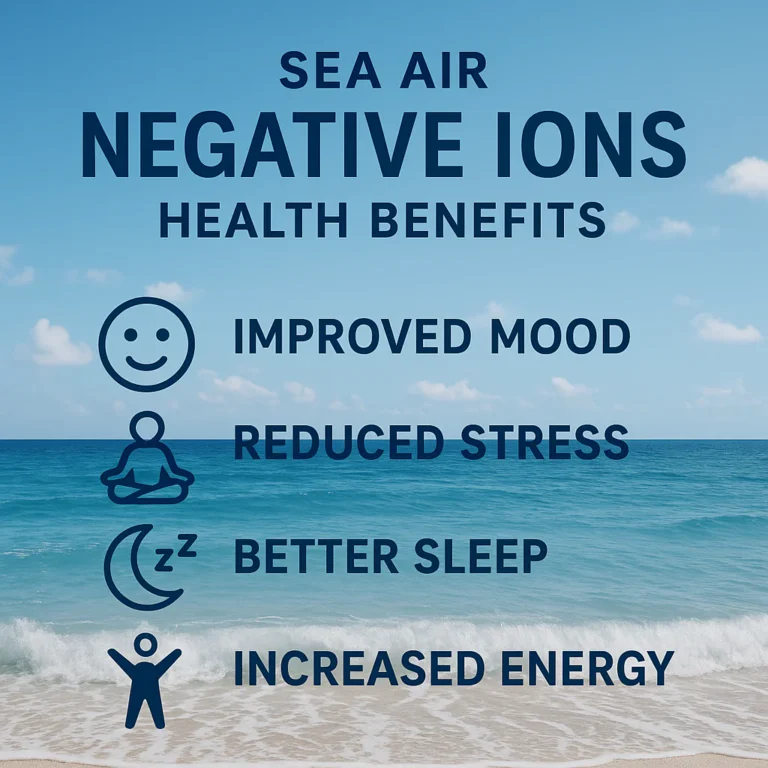
- The Science of Negative Ions: When ocean waves crash, they release negative ions into the air. These ions are believed to increase the flow of oxygen to the brain, resulting in higher alertness, reduced drowsiness, and mental clarity. It’s nature’s own energy drink! ⚡️
- Attention Restoration Theory (ART): In our hyper-connected world, our brains are constantly fatigued by screens and notifications. The beach offers “soft fascination”—the waves, the clouds, the sand—allowing your brain’s directed attention mechanisms to rest and recharge.
- The “Awe” Effect: As noted in National Geographic, the vastness of the ocean makes our personal problems feel smaller. This shift in perspective is a powerful antidote to anxiety.
Pro Tip: Try the “5-4-3-2-1” grounding technique at the beach: Acknowledge 5 things you see, 4 you can touch, 3 you hear, 2 you can smell, and 1 you can taste. It instantly pulls you out of your head and into the moment.
2. 💪 Physical Fitness: Why Swimming Beats the Gym Any Day
Forget the treadmill. The ocean is the ultimate resistance trainer.
- Full-Body Workout: Water is 80 times denser than air. Every movement you make in the ocean requires more effort, engaging muscles you didn’t even know you had.
- Low Impact, High Reward: The buoyancy of the water supports your joints, making it perfect for people with arthritis or those recovering from injuries. You can run, jump, and swim without the pounding of concrete.
- Endurance Building: A 2020 study found that people exercise for longer durations in “blue gyms” (coastal areas) compared to green spaces because the environment feels less restrictive.
3. 🌞 Vitamin Delight: The Sunshine Vitamin You Can’t Skip
Vitamin D is the sunshine vitamin, and the beach is its primary source.
- Bone Health: Vitamin D is crucial for calcium absorption, keeping your bones strong and preventing osteoporosis.
- Immune Support: Adequate Vitamin D levels are linked to a stronger immune system and reduced risk of respiratory infections.
- Mood Regulation: Low Vitamin D is often associated with depression and seasonal affective disorder (SAD). A day at the beach can be a natural mood booster.
However, there’s a catch. Too much sun leads to skin damage. We’ll dive deeper into this risk later, but the key is balance.
4. 🧂 Negative Ions: The Invisible Energy Boosters in Sea Breeze
We touched on this earlier, but it deserves its own spotlight. Negative ions are often called “air vitamins.”
- Respiratory Relief: The combination of negative ions and sea salt can help clear mucus from the respiratory tract, making it beneficial for those with asthma or sinusitis.
- Sleep Improvement: Breathing in this ion-rich air can lower heart rates and reduce muscle tension, preparing your body for a restful night’s sleep.
5. 🤝 Social Connection: Building Bonds on the Shoreline
The beach is a great equalizer.
- Shared Experiences: Whether it’s building a sandcastle with your kids or playing volleyball with friends, the beach fosters social cohesion.
- Nostalgia: Childhood beach memories often trigger a sense of nostalgia, which can strengthen family bonds and create lasting memories.
- Community: Beach communities often have a unique camaraderie, united by a love for the ocean and a shared commitment to keeping it clean.
🌪️ The Stormy Lows: Key Disadvantages and Risks of Beach Days
It’s not all palm trees and piña coladas. The beach comes with a list of disadvantages and risks that you need to be aware of. Ignoring these can turn a perfect day into a trip to the ER.
1. ☀️ Sunburn and Skin Damage: The Dark Side of Tanning
The sun is a double-edged sword. While it provides Vitamin D, it also emits UV radiation that can cause severe damage.
- Skin Cancer Risk: Overexposure to UV rays is the leading cause of skin cancer, including melanoma, the most dangerous form.
- Premature Aging: UV rays break down collagen and elastin, leading to wrinkles, sunspots, and leathery skin.
- Sunburn: Even a mild sunburn can increase your risk of skin cancer and cause painful peling.
The Myth of the “Base Tan”: Many people believe a base tan protects them from burning. False. A tan is actually a sign of DNA damage. There is no such thing as a “healthy tan.”
2. 🦀 Rip Currents and Drowning: Understanding Water Safety
The ocean is unpredictable. Rip currents are the number one cause of beach-related drownings.
- What is a Rip Current? A strong, narrow channel of water flowing away from the shore. It can pull even the strongest swimmers out to sea.
- How to Survive: If caught in a rip current, do not swim against it. Swim parallel to the shore until you are out of the current, then swim back to land.
- The Danger of “Sneaker Waves”: These are large, unexpected waves that can sweep you off your feet and drag you underwater.
3. 🦟 Bug Bites and Jellyfish: Dealing with Unwanted Guests
The beach ecosystem is teming with life, and not all of it is friendly.
- Jellyfish Stings: Some jellyfish stings can be painful and, in rare cases, life-threatening.
- Sand Fleas and Mosquitoes: These pests can cause itchy, swollen bites that can become infected if scratched.
- Sea Lice: These are actually the larvae of certain jellyfish that get trapped in your swimsuit, causing a rash known as “sea bather’s eruption.”
4. 🏖️ Overcrowding and Noise: When Paradise Fels Like a Zoo
Popular beaches can get packed.
- Lack of Privacy: Finding a spot where you can spread out your towel without stepping on someone else’s toes can be a challenge.
- Noise Pollution: The sound of screaming kids, loud music, and jet skis can ruin the relaxing atmosphere.
- Traffic and Parking: The journey to the beach can be just as stressful as the commute to work, with long lines for parking and heavy traffic.
5. 💸 Hidden Costs: From Parking Fees to Expensive Snacks
A day at the beach can be surprisingly expensive.
- Parking Fees: Many popular beaches charge significant fees for parking.
- Food and Drink: Beachside cafes and vendors often charge a premium for a simple sandwich or a bottle of water.
- Gear Rental: Renting chairs, umbrellas, and water sports equipment can add up quickly.
⚖️ Beach Entry vs. Tanning Ledge: Which is Right for You?
You might have seen the debate on social media: Beach Entry vs. Tanning Ledge. What’s the difference, and which one is better for your health?
- Beach Entry: This is the traditional way to enter the water, often involving a gradual slope of sand. It’s great for wading, walking, and playing in the shallow water. However, it can be crowded and prone to sand abrasions.
- Tanning Ledge: A tanning ledge (or zero-entry pool) is a shallow area where you can sit or lie down in the water, often with a smooth surface. It’s perfect for relaxing, sunbathing, and supervised play for young children. It eliminates the risk of sand getting everywhere but lacks the natural wave action.
The Verdict: If you want exercise and natural immersion, go for the beach entry. If you want relaxation and safety for kids, the tanning ledge is your best bet.
🎒 The Ultimate Beach Packing List: What to Bring and What to Leave
Packing for the beach is an art form. Bring too little, and you’re miserable. Bring too much, and you’re lugging a mountain.
Essentials Checklist
- Sunscreen: Broad-spectrum, SPF 30 or higher. Reapply every 2 hours.
- Hat and Sunglasses: UV-protective gear is a must.
- Water and Snacks: Stay hydrated! Bring reusable water bottles to reduce plastic waste.
- Towels and Chairs: A comfortable spot is key.
- First Aid Kit: Include band-aids, antiseptic, and after-sun lotion.
- Trash Bags: Leave no trace!
What to Leave Behind
- Glass Containers: They can break and cause injuries.
- Excessive Electronics: Unless you have a waterproof case, keep them in the car.
- Heavy Books: A light e-reader or magazine is better.
🧴 Sunscreen Showdown: Mineral vs. Chemical and Real Brand Reviews
Choosing the right sunscreen is crucial. Let’s break down the two main types: Mineral (Physical) and Chemical.
Comparison Table: Mineral vs. Chemical Sunscreen
| Feature | Mineral Sunscreen | Chemical Sunscreen |
|---|---|---|
| Active Ingredients | Zinc Oxide, Titanium Dioxide | Avobenzone, Octinoxate, Oxybenzone |
| How it Works | Sits on top of skin and reflects UV rays | Absorbs into skin and converts UV rays to heat |
| Best For | Sensitive skin, children, immediate protection | Active sports, water activities, no white cast |
| Pros | Less likely to cause irritation, reef-safe options | Lightweight, easy to apply, no white residue |
| Cons | Can leave a white cast, thicker texture | May cause irritation, needs 20 mins to activate |
| Ref Safety | Generally safer (look for “Ref Safe” label) | Some ingredients (Oxybenzone) harm coral reefs |
Top Brand Recommendations
- EltaMD UV Clear Broad-Spectrum SPF 46: A dermatologist favorite for sensitive and acne-prone skin. It’s a mineral-based formula that doesn’t leave a heavy white cast.
👉 CHECK PRICE on: Amazon | EltaMD Official - Blue Lizard Australian Sunscreen Sensitive Mineral: A great option for families. It’s mineral-based, reef-safe, and comes in a bottle that changes color when exposed to UV rays.
👉 CHECK PRICE on: Amazon | Blue Lizard Official - Neutrogena Ultra Sher Dry-Touch Sunscreen: A popular chemical sunscreen that is lightweight and non-greasy.
👉 CHECK PRICE on: Amazon | Neutrogena Official
🏄 ♀️ Water Sports and Activities: Beyond Just Lying on a Towel
The beach is a playground. Don’t just lie there!
- Swimming: The ultimate full-body workout.
- Surfing: Great for balance and core strength.
- Paddleboarding: A low-impact way to explore the water.
- Beach Volleyball: A fun way to get your heart rate up and socialize.
- Snorkeling: Explore the underwater world (check local conditions first).
🌅 Best Times to Visit: Avoiding the Crowds and the Heat
Timing is everything.
- Early Morning (6 AM – 9 AM): The coolest part of the day, fewer crowds, and the best light for photography.
- Late Afternoon (4 PM – 7 PM): The sun is lower, the heat is less intense, and the crowds start to thin out.
- Avoid Miday (1 AM – 3 PM): This is when the UV index is highest and the crowds are thickest.
🌍 Eco-Friendly Beach Days: How to Leave No Trace
We have a responsibility to protect our oceans.
- Bring a Trash Bag: Pick up your trash and any you find.
- Use Reef-Safe Sunscreen: Avoid chemicals that harm coral reefs.
- Respect Wildlife: Keep your distance from birds, turtles, and other marine life.
- Reduce Plastic: Use reusable bottles, bags, and containers.
👶 Beach Safety for Kids and Seniors: Special Considerations
- Kids: Always supervise children. Use life jackets if they are not strong swimmers. Apply sunscreen frequently.
- Seniors: Be mindful of the heat. Stay hydrated. Use a chair with good back support. Watch out for slippery rocks.
🏥 First Aid at the Shore: Treating Common Beach Injuries
- Sunburn: Cool compresses, aloe vera, and hydration.
- Jellyfish Stings: Rinse with vinegar (not fresh water) and remove tentacles with twezers.
- Cuts and Scrapes: Clean with fresh water, apply antiseptic, and cover with a bandage.
- Rip Currents: Swim parallel to the shore.
🏠 Beach vs. Pool vs. Lake: Comparing Your Summer Getaway Options
| Feature | Beach | Pool | Lake |
|---|---|---|---|
| Water Type | Saltwater | Chlorinated | Freshwater |
| Temperature | Varies (often cooler) | Controlled | Varies (often warmer) |
| Activities | Swimming, surfing, sunbathing | Swimming, diving | Swimming, boating, fishing |
| Risks | Rip currents, jellyfish, sunburn | Chemical irritation, slips | Bacteria, algae, hidden debris |
| Cost | Variable (parking, food) | Often free or low cost | Often free |
| Atmosphere | Natural, expansive | Controlled, social | Natural, serene |
📸 Capturing the Moment: Photography Tips for Beach Trips
- Golden Hour: Shoot during sunrise or sunset for the best light.
- Low Angle: Get down low to capture the waves and sand texture.
- Polarizing Filter: Reduces glare from the water and sky.
- Action Shots: Use a fast shutter speed to capture the movement of waves.
🏆 Conclusion: Is the Beach Worth the Hassle?

So, we’ve weighed the sun-kissed highs against the stormy lows. Is the beach worth the hassle?
Absolutely, but with conditions.
The beach offers a unique combination of mental restoration, physical fitness, and social connection that few other environments can match. The “blue gym” effect, the power of negative ions, and the sheer awe of the ocean are undeniable benefits. However, these benefits come with risks that cannot be ignored: sun damage, drowning hazards, and environmental degradation.
The key is informed enjoyment. By understanding the risks, preparing properly, and respecting the environment, you can maximize the benefits while minimizing the downsides. Don’t let the fear of a rip current or a sunburn keep you from the healing power of the sea. Instead, arm yourself with knowledge, pack your sunscreen, and head to the shore with confidence.
Our Final Recommendation: Go to the beach, but go smart. Visit during the cooler hours, wear reef-safe sunscreen, stay hydrated, and always respect the ocean’s power. The beach is a gift, and it’s up to us to protect it for future generations.
🔗 Recommended Links
- Sunscreen:
EltaMD UV Clear: Amazon | EltaMD Official
Blue Lizard: Amazon | Blue Lizard Official
Neutrogena: Amazon | Neutrogena Official - Books:
The Blue Mind: The Surprising Science of Water and Why It Makes Us Happier, Healthier, and More Connected by Wallace J. Nichols: Amazon
Beach Safety: A Guide to Rip Currents and Water Safety by the National Weather Service: Amazon
❓ FAQ: Your Burning Beach Questions Answered

How does spending time at the beach improve mental health?
Spending time at the beach improves mental health through several mechanisms. The negative ions in the sea air can boost mood and energy levels. The rhythmic sound of waves acts as natural white noise, reducing stress and promoting relaxation. Additionally, the sense of awe triggered by the vastness of the ocean helps put personal problems into perspective, reducing anxiety. Studies have shown that coastal environments are rated higher for restorative feelings than other natural landscapes.
Read more about “12 Mind-Blowing Wellness Facts You Need to Know (2026) 🧠✨”
What are the health risks of sun exposure at the beach?
The primary health risks of sun exposure include sunburn, premature aging, and an increased risk of skin cancer (including melanoma). UV radiation can also cause eye damage (cataracts) and suppress the immune system. It’s crucial to use broad-spectrum sunscreen, wear protective clothing, and avoid peak sun hours to mitigate these risks.
Read more about “🌊 15 Beach Pros & Cons: The Ultimate 2026 Guide to Coastal Life”
Does swimming in the ocean help with skin conditions?
Swimming in the ocean can help with certain skin conditions like psoriasis and eczema due to the mineral-rich seawater and negative ions. However, for some people, the salt and bacteria in the water can irritate sensitive skin or open wounds. It’s always best to consult with a dermatologist before using the ocean as a treatment for skin conditions.
Read more about “Is the Ocean Good for Your Health? 9 Surprising Benefits 🌊 (2026)”
How much time should you spend at the beach for maximum health benefits?
There is no one-size-fits-all answer, but research suggests that even short visits (30-60 minutes) can provide significant mental health benefits. For physical fitness, aim for at least 30 minutes of moderate activity. However, be mindful of sun exposure limits and stay hydrated. The key is consistency rather than duration.
What are the best times of day to visit the beach for safety?
The best times to visit the beach for safety are early morning (before 10 AM) and late afternoon (after 4 PM). During these times, the UV index is lower, reducing the risk of sunburn, and the crowds are generally thinner, making it easier to find a safe spot away from rip currents.
Can beach activities help with respiratory issues?
Yes, the sea air containing iodine, salt, and magnesium can beneficial for people with asthma, allergies, and sinusitis. The negative ions and clean air can help clear mucus and reduce inflammation in the respiratory tract. However, those with severe respiratory conditions should consult their doctor before spending extended time at the beach.
Read more about “🌊 Blue Space Therapy: The Secret to Slashing Cortisol (2026)”
📚 Reference Links
- National Geographic: Beach, Ocean, and Mental Health Benefits
- Environmental Research: Exercise in Blue Spaces (2020 Study)
- Nature Communications: Natural Scenes and Pain Perception (2025 Study)
- American Academy of Dermatology: Sun Safety
- National Weather Service: Rip Current Safety
- Facebook Group Discussion: Weighing Beach Entry vs Tanning Ledge
- Health Facts™ Categories:
- Environmental Health
- Chronic Diseases
- Children’s Health
- Allergies and Immunity
- Digital Health
- Featured Video: 6 Benefits of Living near the Beach (Summary provided in article)