Support our educational content for free when you purchase through links on our site. Learn more
🌿 12 Facts About Good Health and Wellbeing

What is a fact about good health and wellbeing? One essential fact is that good health means more than not being sick: it includes physical, mental, and social wellbeing, all shaped by both daily habits and the conditions around us.
At Health Facts™, we often see how a small change can make a difference: a regular walk with a friend may support movement and connection at the same time. It won’t solve every health challenge, but it shows why wellbeing is rarely just one thing.
There is no single perfect picture of health. People can live well while managing illness or disability, and what helps most may change as life changes.
Key Takeaways
- Health is more than the absence of disease. Physical, mental, and social wellbeing all count.
- Small, sustainable habits add up. Movement, sleep, nourishing food, and social connection can support everyday health.
- Circumstances matter. Housing, income, safety, healthcare access, and environment can shape wellbeing.
- There is no one-size-fits-all definition of being healthy. Personal needs, abilities, and goals deserve consideration.
- Seek professional support when needed. Persistent symptoms or mental distress deserve care, not blame.
Table of Contents
- ⚡️ Quick Tips and Facts About Good Health and Wellbeing
- 🌱 What Does Good Health and Wellbeing Really Mean?
- Health Is More Than Not Being Sick
- Wellbeing, Quality of Life, and Life Satisfaction
- 📜 How Modern Ideas About Health and Wellbeing Evolved
- 🔎 12 Evidence-Based Facts About Good Health and Wellbeing
- 1. Physical, Mental, and Social Health Are Connected
- 2. Small Daily Habits Can Add Up
- 3. Sleep Supports Both Body and Mind
- 4. Regular Movement Benefits Health at Any Age
- 5. Nutritious Food Nourishes More Than the Body
- 6. Social Connection Is Part of Wellbeing
- 7. Mental Health Deserves the Same Care as Physical Health
- 8. Stress Management Is a Health Skill
- 9. Prevention and Routine Care Matter
- 10. Health Is Shaped by More Than Personal Choices
- 11. Wellbeing Can Change Throughout Life
- 12. There Is No Single Perfect Picture of Good Health
- 🧩 The Main Dimensions of Health and Wellbeing
- Physical Health and Everyday Function
- Emotional and Psychological Wellbeing
- Social Health and Supportive Relationships
- Purpose, Meaning, and Personal Growth
- Financial, Environmental, and Community Wellbeing
- 🥗 Everyday Habits That Support Good Health
- Balanced Nutrition and Hydration
- Physical Activity and Less Sitting
- Healthy Sleep Routines
- Stress Relief and Mindfulness
- Connection, Leisure, and Time Outdoors
- Avoiding Tobacco and Limiting Alcohol
- 🩺 How to Check In on Your Health and Wellbeing
- Useful Health Measures and What They Can Tell You
- Why One Number Never Tells the Whole Story
- When to Talk With a Health Professional
- 🌍 Social Factors That Shape Health and Wellbeing
- Income, Education, and Employment
- Housing, Food Security, and Safe Neighborhoods
- Healthcare Access and Health Equity
- Community Support and Skilled Health Professionals
- 👶🏽🧑🏽 🦱👵🏽 Health and Wellbeing Through Every Life Stage
- Children and Adolescents
- Adults and Working-Age People
- Pregnancy and Maternal Wellbeing
- Older Adults and Healthy Aging
- 🚫 Common Myths About Good Health and Wellbeing
- ✅ A Simple Plan for Improving Your Wellbeing
- ✨ Signs Your Health and Wellbeing May Be Improving
- 🔗 Related Health and Wellbeing Topics
- Conclusion
- Recommended Links
- FAQ
- What is one important fact about good health and wellbeing?
- What are the five main areas of wellbeing?
- Can you be healthy if you have a chronic condition?
- What is the simplest way to improve wellbeing?
- How are health and wellbeing different?
- When should I seek help for my health or mental wellbeing?
- Reference Links
⚡️ Quick Tips and Facts About Good Health and Wellbeing
A useful starting fact: health is more than not being ill. The World Health Organization (WHO) describes it in terms of physical, mental, and social wellbeing, while also recognizing that mental health is an essential part of overall health. For more practical, everyday takeaways, see our wellness facts.
| Quick fact | What it means for you |
|---|---|
| Health has several dimensions. | Physical health, mental wellbeing, relationships, and living conditions all matter. |
| Small habits count. | Regular movement, nourishing food, sleep, and connection are more useful as repeatable routines than as occasional bursts of perfection. |
| Health is shaped by circumstances, too. | Income, housing, education, safety, environment, and access to healthcare can affect what healthy choices are realistically available. |
| There is no single “perfect” health profile. | People can live well with disability or chronic illness; health is not measured by appearance alone. |
| Support is part of good care. | Reach out to a qualified health professional for persistent physical symptoms or mental distress. |
The WHO’s overview of health and wellbeing explains why health should be understood broadly—not as a pass-or-fail test. So what does “good health” look like when life is messy, unpredictable, and decidedly not a wellness brochure? Let’s unpack it.
🌱 What Does Good Health and Wellbeing Really Mean?
Good health is not a permanent state of feeling energetic, cheerful, and free of symptoms. It is better understood as a combination of how your body functions, how you feel and cope, how you relate to others, and how well your circumstances support daily life.
WHO’s definition famously describes health as “a state of complete physical, mental and social well-being and not merely the absence of disease or infirmity.” The word complete can sound like a very high bar. In real life, health changes over time, and many people experience good wellbeing while managing a health condition, disability, grief, or stress.
Health Is More Than Not Being Sick
Being free of a diagnosed illness does not automatically mean someone feels well or can participate fully in daily life. And living with a diagnosis does not automatically mean someone has no health or wellbeing.
A more practical question is: Can you manage your needs, take part in the parts of life that matter to you, and access support when you need it? That question leaves room for both prevention and compassion.
| A narrow view of health | A broader, more useful view |
|---|---|
| “I’m healthy because I don’t have a diagnosis.” | Health also includes function, mental wellbeing, relationships, and access to care. |
| “A chronic condition means poor wellbeing.” | People can have chronic illness and still experience connection, purpose, resilience, and quality of life. |
| “Good health looks the same for everyone.” | Health needs, abilities, goals, and circumstances differ. |
| “It’s all about personal willpower.” | Choices matter, but opportunities and barriers are shaped by social and environmental conditions. |
The WHO overview of health also emphasizes that mental health is more than the absence of mental disorders. It includes the ability to cope with ordinary stresses, use one’s abilities, and contribute to community life.
Wellbeing, Quality of Life, and Life Satisfaction
Wellbeing is a broad term for how life is going, including physical and emotional health, supportive relationships, safety, independence, meaning, and satisfaction. It may include spiritual or cultural life for some people; those dimensions are personal, not universal requirements.
The Better Health Channel puts the idea simply: “Every aspect of your life influences your state of wellbeing.” That includes factors we can influence directly and others that require community or policy-level change.
One useful distinction:
- Health often refers to physical and mental functioning, illness, prevention, and care.
- Wellbeing often describes how people experience their lives and whether they have the resources and support to participate in them.
- Quality of life focuses on how people perceive their position in life, in the context of their culture, goals, expectations, and concerns.
These ideas overlap. None can be reduced to one number, one mood, or one perfect morning routine.
📜 How Modern Ideas About Health and Wellbeing Evolved
For a long time, health was commonly discussed as the absence of disease. Modern public-health thinking widened the lens: people’s wellbeing is influenced not only by healthcare but also by work, education, relationships, housing, income, culture, and the physical environment.
That wider view helps explain why two people with similar medical diagnoses can have very different experiences. One may have stable housing, supportive relationships, and easy access to treatment; another may face financial strain, discrimination, unsafe surroundings, or long waits for care.
The WHO’s health and wellbeing data overview identifies biological, social, and environmental influences on mental health. The WHO social determinants of health page likewise explains how the conditions in which people are born, grow, work, live, and age shape health outcomes.
This does not mean personal choices are irrelevant. It means choices happen within real-life conditions. Telling someone to “eat better” is less helpful if affordable fresh food is hard to reach; telling someone to “reduce stress” does little if their housing or work situation is unsafe. Good health advice should recognize both individual agency and the circumstances around it.
🔎 12 Evidence-Based Facts About Good Health and Wellbeing
1. Physical, Mental, and Social Health Are Connected
The body and mind are not separate departments with no shared hallway. Pain, illness, sleep loss, anxiety, and social isolation can influence one another. Chronic illness may make daily tasks more demanding, while persistent mental distress can affect sleep, appetite, motivation, and the ability to seek care.
That connection works in both directions, but it does not mean every physical symptom is “just stress” or that mental health conditions are a matter of attitude. New, severe, or persistent symptoms deserve appropriate assessment.
2. Small Daily Habits Can Add Up
The benefits of health habits usually come from repeated, realistic actions—not from one heroic Monday. A short walk, regular meals, a consistent bedtime, or a check-in with someone you trust can be easier to sustain than a complete lifestyle overhaul.
The CDC’s wellbeing guidance encourages practical steps such as connecting with others, moving regularly, getting enough sleep, and seeking support. Start with one habit that fits your actual schedule. “Perfect” is a notoriously unreliable calendar appointment.
3. Sleep Supports Both Body and Mind
Sleep helps support attention, mood, learning, and physical functioning. The CDC’s sleep recommendations vary by age; most adults generally need at least seven hours per night, though individual needs differ.
If you regularly struggle to fall asleep, wake feeling unrefreshed, or feel dangerously sleepy during the day, consider discussing it with a health professional. Sleep problems can have multiple causes, including medical conditions, medication effects, stress, and work schedules.
4. Regular Movement Benefits Health at Any Age
Movement does not have to mean a gym membership or a dramatic fitness montage. Walking, dancing, gardening, wheling, active play, and strength exercises can all count, depending on a person’s abilities and needs.
For adults, the WHO physical activity guidelines recommend 150–300 minutes of moderate-intensity aerobic activity per week, or 75–150 minutes of vigorous-intensity activity, or an equivalent combination. Muscle-strengthening activities are recommended on at least two days a week. These are population-level guidelines, not a reason to push through pain or ignore clinical advice.
5. Nutritious Food Nourishes More Than the Body
A varied eating pattern can provide energy and nutrients, but food is also connected to culture, pleasure, finances, access, and social life. A balanced approach is generally more sustainable than chasing “perfect” eating.
The Harvard Healthy Eating Plate offers a practical visual framework: build meals around vegetables and fruits, whole grains, and healthy protein sources, while considering personal health needs and cultural preferences. People with medical dietary requirements should follow advice from their clinician or registered dietitian.
6. Social Connection Is Part of Wellbeing
Supportive relationships can provide companionship, practical help, belonging, and a reason to get out of the house—even if the house is currently winning the argument. Connection may come through family, friends, neighbors, community groups, cultural networks, or peer support.
The U.S. Surgeon General’s advisory on social connection describes social connection as relevant to health and wellbeing. The Better Health Channel also highlights the importance of personal relationships. Connection does not require a large social circle: one dependable, respectful relationship can matter.
7. Mental Health Deserves the Same Care as Physical Health
Mental health includes emotional wellbeing, coping, relationships, and the ability to function—not simply whether someone has a diagnosis. Mental health difficulties are not character flaws, and professional help is a reasonable form of care.
The WHO mental health overview explains that mental health is shaped by individual, social, and structural factors. If distress is persistent, worsening, or interfering with daily life, contact a health professional. If you or someone else is in immediate danger, contact local emergency services or a crisis service in your country.
8. Stress Management Is a Health Skill
Stress is a normal response to demands, but ongoing or overwhelming stress can make rest, concentration, relationships, and self-care harder. There is no single technique that works for everyone.
Some options to try include:
- Slow breathing or a brief grounding exercise.
- A short walk or gentle movement.
- Breaking a large task into smaller steps.
- Talking with someone trustworthy.
- Protecting a realistic boundary around work or caregiving.
- Seeking professional support if stress is persistent or affecting health.
Stress management is not a substitute for addressing unsafe or unfair conditions. Sometimes the most helpful “coping strategy” is practical support or a change in the situation.
9. Prevention and Routine Care Matter
Preventive care can include recommended vaccinations, screenings, dental care, eye care, and checkups tailored to your age, health history, and local guidelines. The right schedule is not identical for everyone; ask a clinician what applies to you.
For general guidance, the CDC adult preventive care information outlines prevention as part of health protection. For more on long-term conditions, explore our Chronic Diseases category.
10. Health Is Shaped by More Than Personal Choices
A person’s health is influenced by healthcare access, income, education, discrimination, housing, work conditions, transportation, food security, and environmental exposures. These factors can make healthy options easier for some people and harder for others.
The WHO social determinants of health page provides a useful framework. Environmental factors such as air quality, water safety, noise, and housing conditions matter too; learn more in our Environmental Health section.
11. Wellbeing Can Change Throughout Life
Health needs shift with age, relationships, work, caregiving, illness, grief, and major life transitions. A routine that worked during one season may need adjusting in another.
That flexibility is not failure. It is sensible maintenance—like changing your route when the bridge is closed instead of shouting at the map.
12. There Is No Single Perfect Picture of Good Health
Weight, fitness, mood, disability, diagnosis, income, or appearance alone cannot fully describe someone’s health. A useful assessment considers a person’s experience, function, goals, risks, supports, and access to care.
The strongest recommendation is not to chase a universal ideal. Focus on evidence-informed steps that are safe, meaningful, and realistic for you, and ask a qualified professional to personalize medical advice.
🧩 The Main Dimensions of Health and Wellbeing
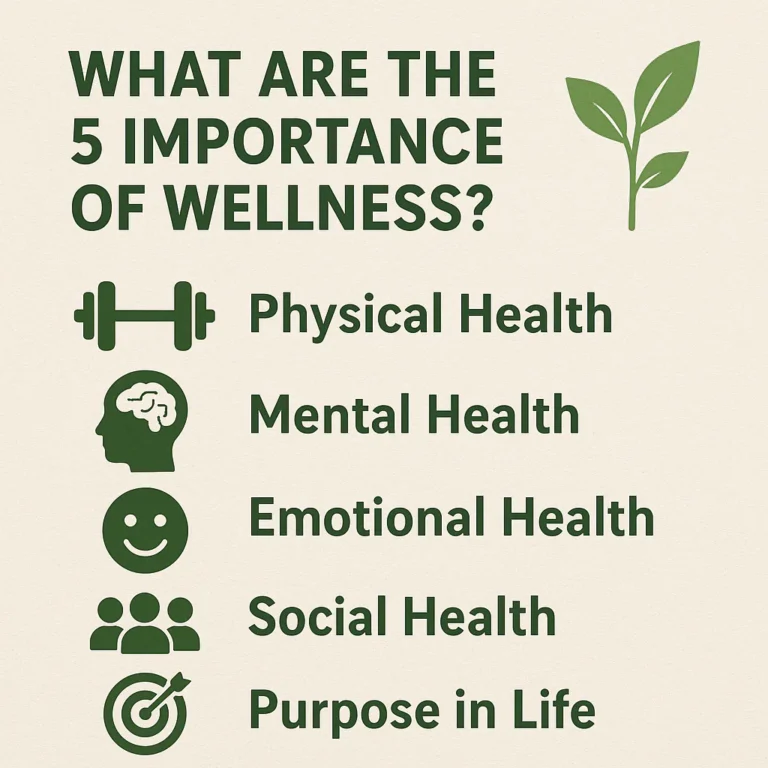
Wellbeing is often discussed in several overlapping dimensions. Different organizations use different labels, so treat this as a practical map rather than a rigid checklist.
| Dimension | What it can include | A useful question |
|---|---|---|
| Physical | Function, energy, sleep, movement, prevention, managing symptoms | “What helps me feel and function as well as I can?” |
| Emotional and psychological | Mood, coping, self-understanding, mental health support | “Do I have tools and support for difficult feelings?” |
| Social | Relationships, belonging, communication, community participation | “Who can I rely on, and where do I feel welcome?” |
| Purpose and personal growth | Meaning, values, learning, contribution, spirituality if relevant | “What gives my days meaning?” |
| Material and environmental | Housing, food, finances, safety, access to services, surroundings | “Do my circumstances support my health, or create barriers?” |
Physical Health and Everyday Function
Physical health includes more than fitness. It can involve managing symptoms, getting appropriate preventive care, eating enough, sleeping, moving in ways that are safe, and being able to do the activities that matter to you.
Some people have limitations that cannot be “fixed” by lifestyle changes, and that is not a personal failing. The goal is appropriate care, function, comfort, and participation—not an imaginary body that never needs support.
Emotional and Psychological Wellbeing
Emotional wellbeing does not mean feeling happy all the time. People can experience grief, anger, fear, and uncertainty while still having meaningful relationships and moments of connection.
If symptoms persist, become severe, or disrupt daily life, professional assessment can help clarify what is happening and what supports may be useful. The WHO mental health resources provide a starting point for understanding mental health as a core part of overall health.
Social Health and Supportive Relationships
Social health includes feeling connected, respected, and able to communicate or ask for help. It does not require constant socializing; for some people, quiet time is restorative, while isolation that feels unwanted can be painful.
A simple check-in can be an excellent first step: Who do you trust enough to contact when life gets difficult? If the answer is “no one right now,” community organizations, peer groups, cultural associations, or a healthcare professional may help you find support.
Purpose, Meaning, and Personal Growth
Purpose can come from parenting, caring, learning, faith, craft, work, volunteering, cultural practice, or simply making it through a difficult week. It does not have to be a grand mission with a logo.
For some people, spiritual wellbeing is central; for others, purpose comes through relationships, creativity, or contribution. There is no single template.
Financial, Environmental, and Community Wellbeing
Financial security can make it easier to meet basic needs, plan ahead, and access care, but wealth alone does not guarantee satisfaction or connection. Similarly, a person’s environment can support health through safe housing, clean air, green space, accessible transport, and welcoming public services.
For information about environmental risks and protective conditions, browse Environmental Health. For family-focused guidance, see Children’s Health.
🥗 Everyday Habits That Support Good Health
A helpful routine is one you can repeat and adapt. Here is a practical, step-by-step way to build one without turning your life into a spreadsheet.
Balanced Nutrition and Hydration
- Start with regular nourishment. Choose meals and snacks that fit your schedule, culture, preferences, and medical needs.
- Add variety where possible. Include fruits or vegetables, grains, and protein sources across the day.
- Make room for enjoyment. Food is nourishment, culture, and pleasure—not a morality test.
- Drink according to your needs. Hydration requirements vary with activity, weather, health, and other factors. Ask a clinician if you have fluid restrictions or a condition that affects hydration.
- Get individualized help when needed. A registered dietitian can help with allergies, digestive conditions, diabetes, pregnancy, sports nutrition, or other specialized needs.
The Harvard Healthy Eating Plate is one accessible visual guide, but it is not a one-size-fits-all prescription.
Physical Activity and Less Sitting
Try this practical progression:
- Pick an activity you do not dread. Walking with a friend, music, gardening, chair-based movement, swimming, or active transport can all be options.
- Begin at a manageable level. Short bouts count. Increase gradually if it feels safe.
- Add strength and balance work when appropriate. These can support everyday function, particularly as people age.
- Break up prolonged sitting where practical. Stand, stretch, or move briefly during natural breaks.
- Adapt for disability, pain, pregnancy, or chronic illness. A clinician or physiotherapist can help tailor activity safely.
For population guidance, check the WHO physical activity recommendations. If you have a health condition, ask about a safe starting point rather than assuming the general guideline is your personal prescription.
Healthy Sleep Routines
A steady sleep schedule can help, but sleep is influenced by health, caregiving, work hours, stress, environment, and age. Try a few consistent supports:
- Keep wake and sleep times reasonably regular when possible.
- Create a dark, quiet, comfortable sleep environment.
- Reduce late-day caffeine if it affects your sleep.
- Build a wind-down routine that feels calming, not complicated.
- Seek medical advice for persistent insomnia, loud snoring with breathing pauses, or severe daytime sleepiness.
See the CDC sleep guidance for age-based recommendations and practical information.
Stress Relief and Mindfulness
A two-minute pause will not solve an unsafe workplace or an unaffordable rent payment. It may, however, help you notice what you need next.
Try a small reset:
- Plant your feet or find another comfortable position.
- Notice five things you can see, or slowly exhale for a few breaths.
- Name the main pressure without judging yourself.
- Choose one next action: ask for help, take a break, make a call, or postpone a non-urgent task.
If symptoms of anxiety, depression, trauma, or burnout continue or worsen, contact a health professional. Practical support and therapy can complement self-care; self-care is not a replacement for needed treatment.
Connection, Leisure, and Time Outdoors
Connection can be as small as a text, a shared meal, a regular phone call, or joining a group based on an interest. Leisure matters too. Rest is not a prize you earn only after finishing every task; that list is quite good at reproducing itself.
Time outdoors may support activity and enjoyment, depending on safety, accessibility, weather, and personal preference. If outdoor conditions are unsafe or inaccessible, indoor movement or social connection still counts.
Avoiding Tobacco and Limiting Alcohol
Avoiding tobacco is strongly recommended for health. If you smoke or use tobacco, evidence-based support—including counseling and approved medications—can improve the chances of quitting. The CDC smoking cessation resources explain benefits of quitting and support options.
Alcohol carries health risks, and recommendations vary by country and individual circumstances. Less alcohol generally means less exposure to alcohol-related risk, while some people should avoid alcohol entirely, including during pregnancy or when advised because of medications or medical conditions. Talk with a clinician if reducing or stopping feels difficult.
🩺 How to Check In on Your Health and Wellbeing
A check-in should help you notice patterns and decide what support might be useful—not grade yourself.
Useful Health Measures and What They Can Tell You
| Check-in area | What to consider | Why context matters |
|---|---|---|
| Daily function | Energy, mobility, concentration, ability to manage routines | Changes can be related to sleep, illness, stress, medication, or environment. |
| Physical symptoms | New, persistent, worsening, or unusual symptoms | A health professional can assess symptoms in context; self-diagnosis can miss important causes. |
| Mental wellbeing | Mood, anxiety, hope, coping, ability to enjoy or engage | Emotional distress deserves care even without a formal diagnosis. |
| Relationships and support | Connection, conflict, loneliness, practical help | Social needs and preferred levels of interaction differ. |
| Health behaviors | Sleep, movement, food, tobacco, alcohol, preventive care | Habits are influenced by time, access, disability, finances, and culture. |
| Living conditions | Housing, safety, food access, work demands, pollution | These conditions can create or reduce health barriers. |
Why One Number Never Tells the Whole Story
A single measure—such as weight, blood pressure, step count, or a screening result—can be useful in the right context. It cannot describe everything about a person’s health or wellbeing.
Measurements should be interpreted by qualified professionals alongside symptoms, medical history, medications, age, and personal circumstances. Consumer apps and wearables can help some people track patterns, but they can also produce noisy data or encourage anxiety. For more on connected tools, see our Digital Health category.
When to Talk With a Health Professional
Contact a qualified health professional when symptoms are new, persistent, getting worse, or interfering with normal activities. Seek urgent care for emergencies such as severe difficulty breathing, sudden weakness, serious injury, or other symptoms that local emergency guidance identifies as urgent.
For mental health, seek support when distress is hard to manage, lasts, or affects sleep, work, relationships, or safety. If there is immediate risk of harm to yourself or someone else, contact emergency services or a crisis line in your location.
🌍 Social Factors That Shape Health and Wellbeing
Health is personal, but it is not produced by personal behavior alone. The places people live and the resources available to them can influence whether healthy choices are practical, affordable, and safe.
Income, Education, and Employment
Income can affect access to nutritious food, stable housing, transportation, and healthcare. Education can support access to information and opportunities, while work can provide income and connection—or create stress, exposure to hazards, and limited time for care.
These are associations, not a way to judge individuals. People’s experiences vary, and no one should be blamed for structural barriers.
Housing, Food Security, and Safe Neighborhoods
Safe, stable housing can support rest and reduce exposure to hazards. Food security means having reliable access to enough nutritious food; transportation and nearby services can affect access to care, shops, parks, and social activities.
For broader information about surroundings and health, visit Environmental Health. For food insecurity support, local public-health services and community organizations can often identify options specific to your area.
Healthcare Access and Health Equity
Good care depends on more than whether a clinic exists. Cost, distance, language, disability access, cultural safety, insurance, appointment availability, and trust can all affect whether care is reachable and useful.
Health equity means working to address avoidable differences in health opportunities and outcomes. The WHO social determinants of health resource explains why improving health often requires action beyond healthcare settings.
Community Support and Skilled Health Professionals
Clinicians, public-health workers, educators, community organizations, and local leaders each contribute to health. The WHO’s Sustainable Development Goal 3 focuses on ensuring healthy lives and promoting wellbeing for all ages, including maternal and child health, infectious disease, noncommunicable conditions, and access to services.
The video linked earlier in the article, #featured-video, discusses universities’ contributions to SDG 3 through research, education, advocacy, and community engagement. Its broader point is worth keeping: health outcomes depend on more than individual choices, and complex challenges call for collaboration.
👶🏽🧑🏽 🦱👵🏽 Health and Wellbeing Through Every Life Stage
Health needs change with development, responsibilities, medical history, and circumstances. The same advice should not be applied blindly to a toddler, a pregnant person, a shift worker, and an older adult.
Children and Adolescents
Children’s wellbeing relies on safe relationships, adequate sleep, nutrition, play, education, preventive care, and protection from harm. Caregivers can support healthy routines without turning food, movement, or body size into sources of shame.
For family-focused health information, browse Children’s Health. The WHO child and adolescent health resources provide broader public-health context.
Adults and Working-Age People
Adults may be balancing work, family, finances, caregiving, and health needs—often all before lunch. Useful supports include preventive care, sustainable activity, sleep, mental-health support, and realistic boundaries where possible.
If time is tight, attach one small health action to something already in your day: walk during a phone call, prepare a simple lunch alongside dinner, or schedule a checkup when arranging another appointment. Small and repeatable beats ambitious and abandoned.
Pregnancy and Maternal Wellbeing
Pregnancy and postpartum health involve physical, emotional, and social needs. Prenatal care can address health monitoring, screening, medication questions, nutrition, mental wellbeing, and preparation for birth and recovery.
Seek advice from a qualified maternity-care professional for individualized guidance. For general global recommendations, the WHO maternal health resources cover care before, during, and after pregnancy. Urgent symptoms should be assessed promptly according to local medical advice.
Older Adults and Healthy Aging
Healthy aging is not about avoiding every diagnosis or trying to look younger. It can involve maintaining function, managing chronic conditions, staying socially connected, preventing falls where possible, and getting support that respects independence and preferences.
Older adults benefit from individualized recommendations because medicines, mobility, nutrition, sensory changes, and health conditions can interact. The National Institute on Aging offers evidence-based information on aging and health.
🚫 Common Myths About Good Health and Wellbeing
| Myth | A more accurate view |
|---|---|
| “Healthy people never get sick.” | Illness can occur even when someone takes good care of themselves. Prevention reduces some risks; it cannot eliminate all of them. |
| “Mental health is separate from physical health.” | They influence one another and both deserve appropriate care. |
| “Wellbeing means feeling happy every day.” | Wellbeing can include difficult emotions alongside meaning, connection, and support. |
| “If you have a chronic condition, you cannot be healthy.” | People can manage conditions and experience good quality of life and wellbeing. |
| “Health is entirely about willpower.” | Choices matter, but resources, safety, time, discrimination, and access also shape health. |
| “A single number tells me how healthy I am.” | Measures can help clinicians, but health is multidimensional and needs context. |
| “More exercise is always better.” | Activity should be appropriate to ability and health status; pain, overtraining, or medical restrictions deserve attention. |
A useful rule: be wary of any claim that promises perfect health, blames illness on character, or sells a one-size-fits-all cure. Reliable advice should explain evidence, limits, and when to seek professional care.
✅ A Simple Plan for Improving Your Wellbeing
Use this five-step plan as a starting point—not a test you can fail.
- Choose one priority. Sleep, movement, connection, nutrition, stress, preventive care, or another need may be most relevant.
- Make the action small and specific. For example: “I’ll take a 10-minute walk after lunch on weekdays” is clearer than “get fit.”
- Remove one barrier. Set out comfortable shoes, ask a friend to join, arrange transport, or prepare a simple meal option.
- Check how it feels after two weeks. Is it helping? Is it realistic? Does it need adapting?
- Ask for support when the barrier is bigger than a habit. A clinician, counselor, dietitian, physiotherapist, community worker, or trusted organization may help.
A quick wellbeing check can also help:
- Body: What would support my physical comfort or function?
- Mind: What has been weighing on me?
- People: Who could I connect with?
- Conditions: Is something around me making health harder?
- Next step: What is one useful action I can take or ask for?
✨ Signs Your Health and Wellbeing May Be Improving
Progress does not always look like a dramatic before-and-after. It may show up quietly:
- You recover from everyday stress more effectively.
- You feel more connected or able to ask for help.
- Daily activities become more manageable.
- You sleep more consistently or feel more rested.
- You have a plan for managing symptoms or accessing care.
- You feel more confident making choices that suit your needs.
- You participate more in activities that matter to you.
These signs are personal, and they may fluctuate. A difficult week does not erase progress. If you notice worrying changes or worsening symptoms, check in with a qualified health professional.
🔗 Related Health and Wellbeing Topics
Good health and wellbeing connect to many practical topics. Explore more from Health Facts™: