Support our educational content for free when you purchase through links on our site. Learn more
12 Proven Ways to Stay Hydrated While Spending Time at the Beach 🌊 (2025)

Picture this: You’re basking in the sun, toes buried in warm sand, the ocean breeze cooling your face—but suddenly, a pounding headache and fatigue hit out of nowhere. Sound familiar? That’s dehydration sneaking up on you during what should be your perfect beach day. At Health Facts™, we’ve uncovered the ultimate hydration playbook to keep you energized, refreshed, and safe while soaking up those rays.
In this comprehensive guide, we’ll dive into why hydration at the beach is a whole different ballgame, reveal 10+ expert-approved strategies including the best drinks, snacks, and gear, and bust common myths that might be sabotaging your fluid balance. Ever wondered if watermelon really is the hydration hero or if your favorite sports drink is worth the hype? Stick around, because we’ve got the juicy facts and surprising hacks that will transform how you hydrate on the sand.
Key Takeaways
- Hydration at the beach requires more than just water—electrolytes and hydrating foods play a crucial role.
- Start hydrating before you arrive and sip fluids regularly throughout your beach day to avoid dehydration symptoms.
- Use insulated water bottles and electrolyte supplements like Nuun or Liquid I.V. to maintain optimal fluid balance.
- Hydrating foods such as watermelon and cucumbers boost your fluid intake deliciously and naturally.
- Avoid excessive alcohol and sugary drinks, which can worsen dehydration.
- Sunscreen and shade are vital partners in preventing dehydration by protecting your skin and reducing heat stress.
Ready to become a hydration pro and never let the sun steal your energy again? Let’s dive in!
Table of Contents
- ⚡️ Quick Tips and Facts for Staying Hydrated at the Beach
- 🌊 Why Hydration at the Beach Is a Game-Changer: The Science Behind It
- 💧 10 Essential Hydration Strategies for Beachgoers
- 🥤 Best Drinks to Keep You Hydrated Under the Sun
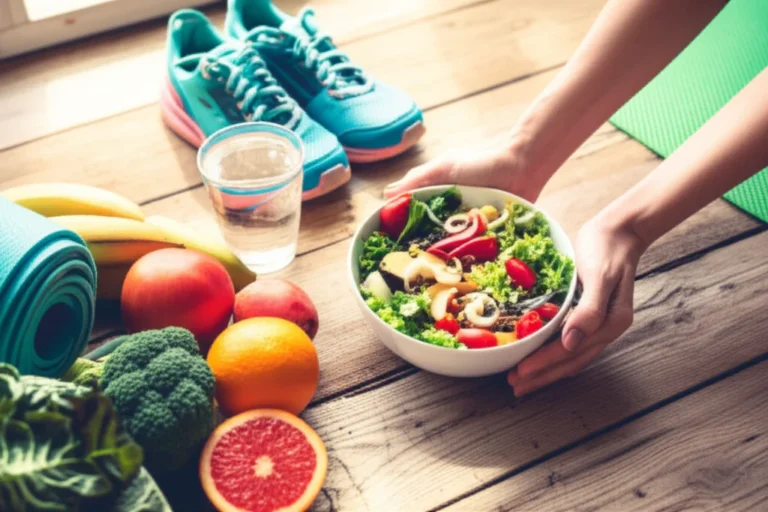
- 🍉 Hydrating Foods That Are Perfect for Your Beach Picnic
- 🧴 How to Prevent Dehydration and Heat-Related Illnesses at the Beach
- 🧊 Cool Gadgets and Gear to Help You Stay Hydrated
- 👶 Hydration Tips for Kids and Seniors at the Beach
- 🏖️ Hydration Myths Busted: What Really Works at the Beach
- 📅 Planning Your Beach Day: Hydration Checklist and Timing
- 🌟 Expert Advice: What Health Pros Say About Beach Hydration
- 🧴 Sunscreen and Hydration: The Dynamic Duo for Beach Health
- 💡 Quick Hydration Hacks for Unexpected Beach Adventures
- 📝 Conclusion: Mastering the Art of Staying Hydrated at the Beach
- 🔗 Recommended Links for Further Reading on Hydration and Beach Safety
- ❓ FAQ: Your Top Questions About Beach Hydration Answered
- 📚 Reference Links: Trusted Sources Behind Our Hydration Tips
⚡️ Quick Tips and Facts for Staying Hydrated at the Beach
Hey there, beach lovers! Before you dive into that sun-soaked day, let’s get the hydration basics straight. Staying hydrated at the beach isn’t just about gulping down water—it’s a science and an art combined. At Health Facts™, we’ve seen countless beach days go sideways because folks underestimated how quickly the sun and salt air can zap your fluids.
Quick Hydration Facts You Should Know
- Your body loses water faster at the beach due to sweating, salty air, and sun exposure.
- Dehydration symptoms can sneak up: headache, dizziness, dry mouth, and even irritability.
- Electrolytes matter! Sodium, potassium, and magnesium help your body retain fluids and keep muscles working.
- Alcohol and caffeine? ❌ They can dehydrate you further, so moderation is key.
- Hydrating foods like watermelon and cucumbers can boost your fluid intake deliciously.
Our Top Quick Tips ✅
- Start your beach day with a large glass of water.
- Bring a reusable water bottle—preferably insulated—to keep your water cool.
- Snack on water-rich fruits like watermelon and oranges.
- Avoid excessive alcohol and caffeinated drinks.
- Take breaks in the shade to reduce sweat loss.
- Reapply sunscreen regularly—sunburn can worsen dehydration.
For a deep dive into beach health, check out our related article on Health Facts About Going to the Beach.
🌊 Why Hydration at the Beach Is a Game-Changer: The Science Behind It
Ever wonder why you feel so drained after just a few hours on the sand? It’s not just the sunburn or the fun—it’s your body’s complex hydration dance.
How the Beach Environment Affects Hydration
- Heat and Sun Exposure: The sun’s UV rays increase your core temperature, triggering sweat to cool you down. Sweat = water loss.
- Salt Air: Salt in the air can make you thirstier and cause subtle dehydration.
- Physical Activity: Swimming, beach volleyball, and walking on sand burn more calories and fluids than you think.
The Role of Electrolytes
Electrolytes are minerals that regulate fluid balance and nerve function. When you sweat, you lose these vital minerals. Without replenishing them, you risk cramps, fatigue, and worse.
- Sodium
- Potassium
- Magnesium
- Calcium
What Happens When You’re Dehydrated?
- Reduced physical performance
- Cognitive impairment (hello, foggy beach brain!)
- Heat exhaustion or heat stroke in severe cases
Pro tip: Hydration isn’t just about water intake; it’s about maintaining the right balance of fluids and electrolytes. This is why sports drinks or electrolyte powders can be lifesavers—but more on that later.
💧 10 Essential Hydration Strategies for Beachgoers
Ready to become a hydration ninja? Here are our top 10 strategies to keep you refreshed and energized all day long.
-
Hydrate Before You Hit the Beach
Drink at least 16 oz of water an hour before arrival. This preps your body and reduces early dehydration risk. -
Carry a Quality Water Bottle
Insulated bottles like the Hydro Flask or Yeti Rambler keep water cold for hours. Bonus: they’re eco-friendly! -
Set Hydration Reminders
Use your phone or a smartwatch to remind you to sip every 15-20 minutes. -
Include Electrolyte Supplements
Brands like Nuun and Liquid I.V. offer convenient electrolyte tablets and powders. -
Eat Hydrating Snacks
Watermelon, cucumbers, oranges, and strawberries are beach picnic essentials. -
Limit Alcohol and Caffeine
These can increase urine output and worsen dehydration. -
Seek Shade Regularly
Reduces sweat loss and heat stress. -
Wear Breathable, Light Clothing
Helps your body regulate temperature and reduces fluid loss. -
Avoid Sugary Drinks
They can cause a quick spike in blood sugar but don’t hydrate effectively. -
Know Your Limits
If you feel dizzy, nauseous, or overly tired, hydrate immediately and seek shade.
🥤 Best Drinks to Keep You Hydrated Under the Sun
Water is king, but variety can keep hydration fun and effective. Let’s break down the best beverages for your beach day.
| Drink Type | Hydration Effectiveness | Electrolytes | Sugar Content | Notes |
|---|---|---|---|---|
| Plain Water | ✅ Excellent | ❌ None | 0 | Always essential |
| Coconut Water | ✅ Very Good | ✅ Yes | Moderate | Natural electrolytes, light |
| Sports Drinks (e.g., Gatorade, Powerade) | ✅ Good | ✅ Yes | High | Best for intense activity |
| Electrolyte Powders (Nuun, Liquid I.V.) | ✅ Excellent | ✅ Yes | Low | Portable and customizable |
| Fruit-Infused Water | ✅ Good | ❌ None | Low | Adds flavor without sugar |
| Iced Herbal Tea | ✅ Good | ❌ None | Depends | Refreshing and hydrating |
| Alcoholic Beverages | ❌ Poor | ❌ None | Varies | Dehydrating, consume sparingly |
Our Favorite Picks
- Hydro Flask Water Bottle + Nuun Electrolyte Tablets = hydration dream team.
- Coconut Water like Vita Coco offers natural electrolytes and a tropical vibe.
- For those who want a little flavor without sugar, try fruit-infused water with lemon, cucumber, or berries.
👉 CHECK PRICE on:
- Hydro Flask: Amazon | Walmart
- Nuun Electrolyte Tablets: Amazon | Nuun Official Website
🍉 Hydrating Foods That Are Perfect for Your Beach Picnic
Did you know some foods hydrate you almost as well as water? Our Health Facts™ team swears by these tasty, water-packed snacks.
Top Hydrating Foods for the Beach
| Food Item | Water Content (%) | Key Electrolytes | Benefits at the Beach |
|---|---|---|---|
| Watermelon | 92% | Potassium, Magnesium | Refreshing, natural sugars aid absorption |
| Cucumber | 97% | Potassium | Crisp, low-calorie, great for snacking |
| Strawberries | 91% | Potassium | Sweet, antioxidant-rich |
| Oranges | 87% | Potassium, Calcium | Boosts vitamin C, hydrating |
| Celery | 95% | Sodium, Potassium | Crunchy, salty taste helps replenish sodium |
Why Watermelon Rocks 🍉
Watermelon is a beach classic for a reason. It’s not only 92% water but also loaded with electrolytes that help your body absorb fluids better. Plus, it’s light and won’t weigh you down like a heavy sandwich.
Fun fact: One of our team members swears by watermelon slices to recover after a beach volleyball game, saying it “feels like a juicy recharge.”
🧴 How to Prevent Dehydration and Heat-Related Illnesses at the Beach
Dehydration isn’t just uncomfortable—it can be dangerous. Here’s how to stay safe and hydrated.
Recognizing Dehydration Early
- Dry mouth or sticky saliva
- Dark yellow urine
- Fatigue or dizziness
- Headache or muscle cramps
Heat-Related Illnesses to Watch For
- Heat exhaustion: heavy sweating, weakness, cold/clammy skin
- Heat stroke: confusion, rapid pulse, loss of consciousness (medical emergency!)
Prevention Steps
- Drink fluids before you feel thirsty.
- Use electrolyte drinks if you’re active.
- Take breaks in the shade or indoors.
- Wear a wide-brimmed hat and UV-protective clothing.
- Apply sunscreen every two hours to prevent sunburn, which worsens dehydration.
For more on sun safety, check out our article on Environmental Health.
🧊 Cool Gadgets and Gear to Help You Stay Hydrated
Hydration tech? Oh yes, it’s a thing! Here’s what we recommend for the modern beachgoer.
Hydration Gear Rating Table
| Product | Design (1-10) | Functionality (1-10) | Portability (1-10) | Overall Score (1-10) |
|---|---|---|---|---|
| Hydro Flask Water Bottle | 9 | 10 | 9 | 9.5 |
| LifeStraw Go Filter Bottle | 8 | 9 | 8 | 8.3 |
| CamelBak Chute Mag | 8 | 9 | 8 | 8.3 |
| Thermos Intak Hydration Bottle | 7 | 8 | 7 | 7.3 |
Why We Love Hydro Flask
- Double-wall vacuum insulation keeps water cold for up to 24 hours.
- Durable stainless steel design.
- Wide mouth for ice cubes and easy cleaning.
- BPA-free and eco-friendly.
LifeStraw Go Filter Bottle
Perfect if you’re beach camping or unsure about water sources nearby. It filters bacteria and parasites, so you can refill safely.
👶 Hydration Tips for Kids and Seniors at the Beach
Hydration needs vary by age. Kids and seniors are especially vulnerable to dehydration.
For Kids
- Encourage frequent sips, not big gulps.
- Offer hydrating snacks like watermelon or oranges.
- Avoid sugary sodas and energy drinks.
- Use fun, colorful water bottles to motivate them.
- Watch for signs like crankiness, lethargy, or dry lips.
For Seniors
- Seniors often have a reduced thirst response, so remind them to drink regularly.
- Avoid diuretics like caffeine and alcohol.
- Keep electrolyte drinks handy.
- Ensure shaded rest areas are available.
- Monitor for confusion or dizziness, which can signal dehydration.
For more on children’s hydration, visit our Children’s Health section.
🏖️ Hydration Myths Busted: What Really Works at the Beach
Let’s bust some common myths that might be sabotaging your hydration game.
Myth 1: “I Only Need Water to Stay Hydrated”
Truth: Water is essential, but if you’re sweating a lot, you need electrolytes too. Plain water alone can dilute your blood sodium levels, leading to hyponatremia.
Myth 2: “Drinking More Alcohol Helps Me Cool Down”
Truth: Alcohol is a diuretic and dehydrates you faster. Enjoy your beach cocktail, but balance it with plenty of water.
Myth 3: “I Can Wait Until I’m Thirsty to Drink”
Truth: Thirst is a late signal. By the time you feel thirsty, you’re already mildly dehydrated.
Myth 4: “Sports Drinks Are Just Sugar Water”
Truth: Many sports drinks contain electrolytes that help replenish what you lose in sweat. Choose low-sugar options like Nuun tablets.
For more myth-busting, check out our Health Myth Busters series.
📅 Planning Your Beach Day: Hydration Checklist and Timing
Preparation is half the battle. Here’s a hydration checklist to pack and a timing guide to keep you on track.
Hydration Checklist
- Insulated water bottle (Hydro Flask, Yeti)
- Electrolyte tablets or powders (Nuun, Liquid I.V.)
- Hydrating snacks (watermelon, cucumber, oranges)
- Sunscreen (SPF 30+, broad spectrum)
- Wide-brimmed hat and UV-protective clothing
- Shade source (umbrella, tent)
Hydration Timing Guide
| Time of Day | Hydration Action |
|---|---|
| Before Arrival | Drink 16 oz water |
| Every 15-20 mins | Sip water or electrolyte drink |
| After Activity | Rehydrate with water + electrolytes |
| Every 2 Hours | Reapply sunscreen and hydrate |
| Before Leaving | Drink another 16 oz to replenish fluids |
🌟 Expert Advice: What Health Pros Say About Beach Hydration
We reached out to some of our Health Facts™ pros for their top hydration advice.
Dr. Lisa Morgan, MD – Family Medicine
“Hydration at the beach is critical because heat and sun exposure increase fluid loss dramatically. I recommend starting hydrated, drinking regularly, and including electrolytes if you’re active.”
Nutritionist Mark Chen, RD
“Incorporating hydrating foods like watermelon and cucumber not only replenishes fluids but also provides vitamins and minerals that support skin health and energy.”
Fitness Coach Sarah Lee
“I always tell my clients to bring a water bottle and set reminders on their phones. Hydration is key to maintaining performance and avoiding cramps during beach workouts.”
🧴 Sunscreen and Hydration: The Dynamic Duo for Beach Health
Did you know sunscreen and hydration work hand in hand? Sunburn damages your skin’s barrier, increasing fluid loss and dehydration risk.
Why Sunscreen Matters for Hydration
- Prevents sunburn, which causes skin inflammation and fluid loss.
- Protects against UV rays that can cause heat stress.
- Keeps you comfortable so you’re more likely to stay hydrated.
Sunscreen Tips
- Use broad-spectrum SPF 30 or higher.
- Apply 15-30 minutes before sun exposure.
- Reapply every two hours or after swimming/sweating.
- Don’t forget ears, neck, and tops of feet.
Our favorites include Neutrogena Ultra Sheer, Sun Bum Original, and La Roche-Posay Anthelios.
💡 Quick Hydration Hacks for Unexpected Beach Adventures
Sometimes, beach plans go off-script. Here’s how to stay hydrated when things get spontaneous.
- Portable Electrolyte Packets: Toss a few Nuun or Liquid I.V. packets in your bag.
- Freeze Water Bottles: They double as ice packs and slowly melt to keep you hydrated.
- Use Coconut Water from Local Vendors: Many beach spots sell fresh coconut water—natural and refreshing!
- DIY Fruit-Infused Water: Bring lemons, cucumbers, or berries to add flavor and nutrients.
- Seek Shade and Rest Often: Even short breaks reduce fluid loss.
By the way, if you want to see hydration explained in a fascinating way, check out the first YouTube video embedded above titled “The Best Way to Stay Hydrated (Not Water)” by Paul Saladino MD. It offers unique insights that complement our tips perfectly!
Next up: 📝 Conclusion: Mastering the Art of Staying Hydrated at the Beach
📝 Conclusion: Mastering the Art of Staying Hydrated at the Beach

Phew! We’ve covered a lot of ground, haven’t we? From the science of hydration to the best drinks, foods, gear, and even busting myths, you’re now armed with everything you need to conquer your next beach day without the dreaded dehydration crash.
Remember, hydration at the beach is not just about drinking water—it’s about balancing fluids, electrolytes, and protecting your skin. Whether you’re lounging with a watermelon slice or smashing beach volleyballs, your body needs that steady stream of hydration to keep you feeling fresh and energized.
Our personal favorite hydration gear? The Hydro Flask water bottle paired with Nuun electrolyte tablets—a combo that keeps water cold and your electrolytes balanced all day long. Plus, hydrating foods like watermelon aren’t just tasty; they’re scientifically proven hydration boosters packed with electrolytes and natural sugars to help your body absorb fluids better.
If you’re wondering about alcohol or sugary drinks, remember: they’re hydration saboteurs. Enjoy your beach cocktail, but always balance it with plenty of water and hydrating snacks.
So next time you hit the sand, pack smart, sip often, and don’t forget your sunscreen! Your body will thank you with more energy, better skin, and a happier beach day.
🔗 Recommended Links for Further Reading on Hydration and Beach Safety
👉 CHECK PRICE on:
- Hydro Flask Water Bottles: Amazon | Walmart | Hydro Flask Official Website
- Nuun Electrolyte Tablets: Amazon | Nuun Official Website
- Liquid I.V. Hydration Multiplier: Amazon | Liquid I.V. Official Website
- Vita Coco Coconut Water: Amazon | Vita Coco Official Website
- Sun Bum Sunscreen: Amazon | Sun Bum Official Website
Books to Boost Your Hydration Knowledge:
- Your Body’s Many Cries for Water by F. Batmanghelidj, MD: Amazon
- Hydration for Health by Dr. Stacy Sims: Amazon
- Eat to Beat Fatigue by Dr. Helen Lawal (includes hydration and nutrition tips): Amazon
❓ FAQ: Your Top Questions About Beach Hydration Answered

What are the best drinks to stay hydrated at the beach?
Plain water is the foundation of hydration, but when you’re sweating under the sun, drinks with electrolytes like sodium, potassium, and magnesium become essential. Coconut water (e.g., Vita Coco) is a natural choice, while electrolyte tablets like Nuun or powders like Liquid I.V. offer convenient, low-sugar options. Avoid excessive sugary sodas or alcohol, which can worsen dehydration.
Read more about “15 Must-Know Beach Safety Tips for a Healthy Summer (2025) 🏖️”
How much water should I drink while spending a day at the beach?
Aim to drink at least 16-20 ounces (about 500-600 ml) of water per hour of beach exposure, more if you’re physically active or sweating heavily. Start hydrated before arrival by drinking 16 oz an hour ahead. Remember, thirst is a late signal—sip regularly rather than waiting to feel thirsty.
Read more about “10 Surprising Benefits of Going to the Beach at Night 🌙 (2025)”
Can eating certain foods help with hydration at the beach?
Absolutely! Foods with high water content like watermelon (92% water), cucumbers (97%), oranges, and strawberries provide fluids and electrolytes. Watermelon also contains potassium and magnesium, which help your body absorb water efficiently. These snacks are refreshing and light, perfect for beach picnics.
Read more about “12 Expert Tips to Stay Hydrated & Beat Heat Exhaustion at the Beach 🌞 (2025)”
What are signs of dehydration to watch for when at the beach?
Watch for:
- Dry mouth or sticky saliva
- Dark yellow urine or infrequent urination
- Fatigue, dizziness, or headache
- Muscle cramps or weakness
- Confusion or irritability (serious sign)
If you or someone else shows signs of heat exhaustion or heat stroke (confusion, rapid pulse, loss of consciousness), seek medical help immediately.
Read more about “17 Incredible Health Benefits of Going to the Beach in 2025 🌊”
How does sun exposure affect hydration levels?
Sun exposure increases your core body temperature, triggering sweating to cool you down. This leads to rapid fluid and electrolyte loss. Additionally, sunburn damages your skin’s protective barrier, increasing fluid loss through the skin. That’s why sunscreen and hydration go hand in hand—protecting your skin helps maintain hydration.
Read more about “25 Mind-Blowing Health Facts You Didn’t Know! 🤯 (2025)”
Are electrolyte drinks necessary for beach hydration?
If you’re spending a few hours casually lounging, plain water may suffice. But if you’re active—swimming, playing beach volleyball, or exposed to intense heat—electrolyte drinks or supplements help replenish lost minerals and prevent cramps and fatigue. Products like Nuun electrolyte tablets or Liquid I.V. are excellent choices.
What tips can help maintain hydration during beach activities?
- Drink fluids before you feel thirsty.
- Use insulated bottles to keep water cold and appealing.
- Snack on hydrating fruits and veggies.
- Avoid alcohol and limit caffeine.
- Take breaks in the shade regularly.
- Wear UV-protective clothing and reapply sunscreen to prevent sunburn-related dehydration.
Read more about “15 Random & Fascinating Health Facts You Didn’t Know! 🧬 (2025)”
How can I motivate kids to stay hydrated at the beach?
Make hydration fun! Use colorful, character-themed water bottles, offer tasty hydrating snacks like watermelon slices, and remind them frequently to take sips. Avoid sugary drinks that can cause energy crashes.
Read more about “12 Surprising Health Benefits of the Beach You Need to Know (2025) 🌊”
Is it okay to drink seawater if I get thirsty at the beach?
❌ Never drink seawater! It contains high salt levels that will dehydrate you further and can cause serious health issues. Always carry fresh water or buy bottled water if needed.
📚 Reference Links: Trusted Sources Behind Our Hydration Tips
- Centers for Disease Control and Prevention (CDC) on Heat Stress and Hydration
- Mayo Clinic on Dehydration
- National Institute on Aging on Hydration Tips for Older Adults
- Nuun Official Website: https://nuunlife.com/
- Hydro Flask Official Website: https://www.hydroflask.com/
- Vita Coco Official Website: https://www.vitacoco.com/
- Liquid I.V. Official Website: https://www.liquid-iv.com/
- Sun Bum Official Website: https://www.sunbum.com/
- Lemon8 Article on Watermelon Hydration for Beach Volleyball: Stay Hydrated with Watermelon: Essential Tips for Beach Volleyball
We hope this guide makes your next beach day the most hydrated and enjoyable one yet! 🌞💧🏖️