Support our educational content for free when you purchase through links on our site. Learn more
Prevention Power

: Your Ultimate Guide to a Healthier You! 🛡️
Ever wondered
if there’s a secret formula to living a longer, healthier, and happier life? What if we told you it’s not a secret at all, but a powerful, proactive approach that’s been championed by experts for centuries? At
Health Facts™, we believe that prevention is the ultimate superpower, transforming you from a reactive participant in your health journey to a confident, in-control architect of your well-being. Forget waiting for problems to arise; this comprehensive guide is your roadmap
to building an unshakeable fortress of health, tackling everything from daily nutrition to mental resilience and even digital safety.
In a world constantly bombarding us with quick fixes and miracle cures, the true magic lies in consistent, informed preventative action
. We’ve distilled our collective expertise, personal anecdotes, and cutting-edge research into an engaging, easy-to-understand resource designed to empower you. From understanding the three pillars of prevention – primary, secondary, and tertiary – to
practical tips on fueling your body, moving with purpose, and safeguarding your mind, we’re covering it all. Get ready to discover why an “ounce of prevention” isn’t just a saying, but your best investment for a vibrant
future. Curious about the surprising link between your gut health and your mood? Or how a simple daily habit could drastically reduce your risk of chronic disease? Keep reading, because we’re about to unveil the strategies that will change your life.
Key Takeaways
- Prevention is a multi-faceted strategy encompassing primary (stopping issues before they start), secondary (early detection), and tertiary (managing existing conditions) approaches.
- Holistic health is
paramount, integrating physical, mental, social, and environmental wellness for comprehensive protection. - Nutrition is foundational, with a focus on whole foods, lean proteins, and healthy fats to fuel your body and prevent disease.
- Regular
physical activity is non-negotiable for heart health, weight management, and overall vitality. - Prioritize sleep and stress management as critical components of immune function and mental well-being.
- Don’t skip
preventative screenings and vaccinations; they are your early warning system and immunity boosters. - Small, consistent habits lead to big results, making prevention an achievable lifestyle, not a daunting task.
Table of Contents
-
⚡️ Quick Tips and Facts: Your Daily Dose of Prevention Power
-
🕰️ The Ounce of Prevention: A Historical Look at Proactive Health & Wellness
-
Why Prevention is Your Best Investment: Health, Wealth, and Happiness
-
The Three Pillars of Prevention: Understanding Primary, Secondary, and Tertiary Strategies
-
3. Tertiary Prevention: Living Your Best Life with Existing Conditions ✨
-
Your Body, Your Fortress: Physical Health Prevention Strategies 💪
-
2. Move It to Prevent It: Fitness for Longevity & Vitality 🏃 ♀️
-
4. Hydration Nation: Water’s Role in Preventing Ailments & Boosting Health 💧
-
Mind Matters: Mental Health & Stress Prevention for Inner Peace 🧠
-
1. Building Resilience: Strategies for Mental Wellness & Emotional Fortitude 🧘
-
2. Social Connections: Preventing Isolation & Boosting Mood 🤗
-
Beyond the Body: Holistic Prevention for a Well-Rounded Life 🏡💰💻
-
1. Home Sweet Safe Home: Accident Prevention Tips & Safety Hacks🩹
-
2. Financial Fortitude: Preventing Future Worries & Building Security 💸
-
3. Digital Defense: Cybersecurity & Online Safety in a Connected World 🔒
-
4. Environmental Wellness: Preventing Harm to Our Planet & Ourselves 🌳
-
The Doctor Will See You Now: Preventative Screenings & Vaccinations for a Healthier You 🩺
-
1. Your Preventative Checklist: Essential Screenings by Age & Gender ✅
-
2. Immunity Boost: The Power of Vaccinations & Immunizations 💉
-
Overcoming Obstacles: Making Prevention a Lifestyle, Not a Chore 🚧
-
1. Budget-Friendly Prevention: Health on a Shoestring & Smart Choices 💰
-
2. Staying Motivated: Tips for Long-Term Success & Habit Formation 🚀
-
Health Facts™ Insider: Our Personal Prevention Journeys & Expert Advice 🧑⚕️
-
Conclusion: Your Preventative Power Play for a Vibrant Future 🏆
-
Recommended Links: Further Reading & Resources for Proactive Living 🔗
-
FAQ: Your Prevention Questions Answered by Health Facts™ Experts 🤔
⚡️ Quick Tips and Facts: Your Daily Dose of Prevention Power
Welcome to Health Facts™! We’re thrilled you’re here, ready to dive into
the incredible world of prevention. Think of us as your personal health navigators, guiding you through the maze of wellness with insights, wit, and a healthy dose of reality. Why wait for trouble to knock when you can fortify your fortress
before the siege? That’s the magic of prevention, folks! It’s not just about avoiding illness; it’s about optimizing your life, boosting your energy, and ensuring you’re around to enjoy every single
moment.
Did you know that a staggering 90% of individuals with a substance use disorder started using drugs and alcohol before age 18? This eye-opening statistic, highlighted in a recent video
on the importance of prevention, underscores a crucial point: protecting the brain during its developmental period is an important part of prevention. The adolescent brain, still rapidly maturing until the mid-20s, is particularly
vulnerable to the harmful effects of substances, making early intervention and education paramount. You can learn more about this critical aspect of prevention by watching our featured video on substance use prevention.
Here are some rapid-fire facts to kick
start your preventative journey:
- Hydration is Key: Your body is roughly 60% water. Even mild dehydration can impact mood, energy levels, and cognitive function. Keep that water bottle handy! 💧
Move More, Live Longer: Just 30 minutes of moderate exercise most days of the week can significantly reduce your risk of chronic diseases like heart disease and type 2 diabetes.
- Sleep is Your
Superpower: Aim for 7-9 hours of quality sleep per night. It’s not a luxury; it’s a fundamental pillar of health, boosting immunity and mental clarity. 😴 - Gut Health Matters: Your
gut microbiome plays a huge role in everything from digestion to immunity and even mood. Feed it well with fiber-rich foods and probiotics! 🦠 - Stress Less, Live More: Chronic stress is a silent killer. Finding effective
ways to manage it – whether through mindfulness, exercise, or hobbies – is crucial for long-term health. 🧘 - Sun Protection, Always: Protecting your skin from harmful UV rays isn’t just about preventing sunburns;
it’s vital for preventing skin cancer. Curious about natural ingredients in lotions that might help? Check out our article on Are there any natural ingredients in lotions that have shown effectiveness in preventing skin cancer? - Regular Check-ups Save Lives: Don’t skip
those annual physicals and recommended screenings. Early detection is a game-changer! 🩺
🕰️ The Ounce of Prevention: A Historical Look at Proactive Health & Wellness
“An ounce of prevention is worth a pound of cure.” This timeless adage, often attributed to Benjamin Franklin, perfectly encapsulates the enduring wisdom behind proactive health and
wellness. But the concept of prevention isn’t just a quaint saying from the 18th century; it’s a thread woven through the tapestry of human history, evolving from ancient practices to modern scientific marvels.
For millennia, communities
understood the basic tenets of preventing illness, even without knowing the microscopic culprits. Think about it: early civilizations practiced sanitation by managing waste and ensuring clean water sources. The Romans, with their impressive aqueducts and public baths, were
pioneers in public health infrastructure. Fast forward to the Middle Ages, and while understanding of disease was limited, quarantines were implemented to prevent the spread of plagues – a rudimentary, yet effective, form of prevention.
The 19th and
20th centuries brought revolutionary breakthroughs. The discovery of germ theory by Louis Pasteur and Robert Koch transformed our understanding of infectious diseases, paving the way for vaccines and antibiotics. Suddenly, prevention wasn’t just about avoiding bad luck; it was
about targeted interventions. The eradication of smallpox, a disease that once ravaged populations, stands as a monumental testament to the power of global vaccination efforts – a true triumph of preventative medicine.
Today, our understanding has broadened exponentially. We’
ve moved beyond just preventing infectious diseases to tackling chronic conditions like heart disease, diabetes, and certain cancers through lifestyle modifications, early screenings, and personalized medicine. The focus has shifted from merely treating sickness to fostering holistic well-being and
extending healthy lifespans. It’s a journey from reactive healing to proactive thriving, and we, at Health Facts™, are excited to be on this journey with you!
Why Prevention is Your Best Investment: Health, Wealth, and Happiness
Let’s be real: nobody wants to get sick. But beyond the obvious discomfort and disruption
, have you ever truly considered the ripple effect of illness on your entire life? Prevention isn’t just a health strategy; it’s a life strategy that pays dividends in every aspect of your existence. It’s about
investing in your future self, ensuring a richer, fuller, and frankly, happier life.
Health is Wealth (Literally!):
Imagine the cost of a major illness: doctor’s visits, prescriptions, hospital stays,
lost wages, specialized treatments… it adds up, fast. The average American spends thousands annually on healthcare, and that number skyrockets with chronic conditions. For instance, managing Type 2 diabetes can cost an individual thousands of dollars per year in medical expenses
and lost productivity. By embracing preventative measures – eating well, exercising, getting regular check-ups – you’re not just safeguarding your body; you’re protecting your bank account. Think of it as an insurance policy where *
you* control the premiums through your daily choices.
Beyond the Dollar Signs: The True Value of Well-being:
But prevention’s value extends far beyond financial savings. It’s about:
-
Energy and
Vitality: Waking up feeling refreshed, ready to tackle the day, rather than battling fatigue or pain. -
Mental Clarity: A healthy body supports a healthy mind, enhancing focus, memory, and overall cognitive function.
-
Emotional Resilience: When you feel physically strong, you’re better equipped to handle life’s stressors and maintain a positive outlook. Experts provide methods to lower cortisol levels to reduce stress, a
key component of emotional resilience. -
Freedom and Independence: The ability to travel, pursue hobbies, play with your grandkids, or simply enjoy a walk without physical limitations.
-
Quality of Life: Ultimately, prevention is about
maximizing your time here, ensuring that your years are filled with joy, purpose, and the capacity to experience it all.
As the Secretary-General of the United Nations emphasizes, prevention is a priority not just for individual health, but for
global stability, encompassing disaster risk reduction, human rights, and building resilience to economic shocks. If prevention is a global priority, shouldn’t it be your personal priority too? We certainly think so!
The Three Pillars of Prevention: Understanding Primary, Secondary, and Tertiary Strategies
When we talk about ”
prevention,” it’s not a one-size-fits-all concept. In the world of public health and medicine, prevention is typically categorized into three distinct levels, each with its own focus and strategies. Understanding these three pillars of
prevention is like having a roadmap for safeguarding your health at every stage of life. Let’s break them down, shall we?
1. Primary Prevention: Stopping Trouble Before It Starts 🛡️
This is the gold standard, the proactive approach, the “ounce of prevention” in its purest form. Primary prevention aims to prevent disease or injury from ever
occurring. Think of it as building a strong, impenetrable fortress around your health before any invaders even show up.
How it works:
Primary prevention targets risk factors and promotes protective factors. It’s about making choices and
taking actions that keep you healthy and disease-free.
Examples in Action:
- Vaccinations: Getting your annual flu shot or childhood immunizations for measles, mumps, and rubella are classic examples. You’re preventing
the disease entirely! This is a cornerstone of Allergies and Immunity care. - Healthy Diet & Regular Exercise: Eating a
balanced diet rich in fruits and vegetables and engaging in consistent physical activity helps prevent chronic conditions like heart disease, obesity, and type 2 diabetes. - Sunscreen Use: Applying sunscreen regularly prevents UV damage, which is a primary
cause of skin cancer. - Smoking Cessation: Never starting to smoke, or quitting if you do, dramatically reduces your risk of lung cancer, heart disease, and many other ailments.
- Safe Sex Practices: Using condoms
prevents sexually transmitted infections (STIs). The CDC highlights that for Zika virus, using condoms or abstaining from sex is a primary method of prevention, especially since the virus can remain in semen longer than in other body fluids. - Mosquito Bite Prevention: When traveling to areas with a risk of Zika, using EPA-registered insect repellent, wearing long-sleeved shirts and pants, and controlling mosquitoes indoors and outdoors are crucial primary prevention steps
. Even if you don’t feel sick after returning from a Zika-risk area, it’s vital to prevent mosquito bites for 3 weeks to avoid spreading the virus.
Our
Take: Primary prevention is where you have the most power. It’s about empowering yourself with knowledge and making conscious choices every single day to build a resilient, healthy future.
2. Secondary Prevention: Catching Issues Early 🔍
Alright, so maybe a tiny crack appeared in your fortress wall. Don’t panic! Secondary prevention focuses on early detection and prompt intervention to halt
or slow the progression of a disease. It’s about finding problems when they’re small and manageable, before they become full-blown crises.
How it works:
This level involves screening tests, regular check-ups, and monitoring
for early signs or symptoms of a condition.
Examples in Action:
- Cancer Screenings: Regular mammograms for breast cancer, colonoscopies for colorectal cancer, and Pap tests for cervical cancer are all about catching potential
issues at their earliest, most treatable stages. - Blood Pressure & Cholesterol Checks: Routine checks can identify hypertension or high cholesterol before they lead to heart disease or stroke.
- Diabetes Screening: If you have risk
factors, regular blood sugar tests can detect prediabetes or early-stage type 2 diabetes, allowing for lifestyle changes to reverse or manage the condition. - Identifying Sneaky Signs: Prevention.com highlights 6 sneaky signs indicating
a calcium deficiency and the “Number-1 Sign” of chronic inflammation. Recognizing these early indicators and consulting your doctor is a prime example of secondary prevention. - St
rep Throat vs. Sore Throat: Doctors explaining specific symptoms to distinguish strep throat from other sore throats is a form of secondary prevention, allowing for timely diagnosis and treatment to prevent complications.
Our Take:
Secondary prevention is your early warning system. Don’t ignore those routine appointments; they are your best defense against minor issues becoming major health battles.
3. Tertiary Prevention: Living Your Best Life with Existing Conditions ✨
Sometimes, despite our best efforts, a health condition develops. This is where tertiary prevention steps in, aiming
to minimize the impact of an existing disease, prevent complications, and improve quality of life. It’s about managing the situation, rehabilitating, and ensuring you can still live your best possible life.
How it works:
Tert
iary prevention involves treatment, rehabilitation, and ongoing management strategies.
Examples in Action:
- Cardiac Rehabilitation: After a heart attack, participating in a structured rehab program helps strengthen the heart, improve fitness, and reduce the risk of future
cardiac events. - Diabetes Management: For individuals with diabetes, adhering to medication, monitoring blood sugar, following a special diet, and regular exercise are all tertiary prevention strategies to prevent complications like nerve damage, kidney disease, or vision
loss. This is crucial for managing Chronic Diseases. - Physical Therapy: Following an injury or surgery, physical therapy helps restore function, reduce pain
, and prevent long-term disability. - Support Groups: For individuals living with chronic conditions or mental health challenges, support groups provide emotional support, coping strategies, and a sense of community, helping to prevent isolation and improve overall well-being
. - Medication Adherence: Consistently taking prescribed medications for conditions like asthma, high blood pressure, or depression helps control symptoms and prevent exacerbations.
Our Take: Tertiary prevention is about resilience and adaptation. It’s
a testament to the human spirit’s ability to thrive even in the face of challenges, with the right support and strategies.
Your Body, Your Fortress: Physical Health Prevention Strategies 💪
Your body is an incredible machine, a complex and resilient fortress designed to keep you thriving. But even the strongest fortresses need regular maintenance, strategic defenses, and the right fuel
to withstand the tests of time. At Health Facts™, we believe that understanding and implementing key physical health prevention strategies is your ultimate power move for a long, vibrant life. Let’s fortify that fortress, shall we?
1. Fueling Your Future: Nutrition for Disease Prevention 🍎
You are, quite literally, what you eat. The food choices you make every day
are the building blocks of your health, acting as powerful preventative medicine or, unfortunately, contributing to future ailments. It’s time to ditch the diet fads and embrace a sustainable, nutrient-rich approach to fueling your future.
The
Power Plate: What to Prioritize
- Vibrant Fruits and Veggies: Aim for a rainbow on your plate! These are packed with antioxidants, vitamins, and fiber, crucial for fighting inflammation and supporting cellular health.
Lean Proteins: Essential for muscle repair, satiety, and overall body function. Are you getting enough? Guidelines exist to identify if you are not eating enough protein, which is vital for muscle maintenance and metabolic health.
*
Whole Grains: Unlike refined grains, whole grains offer sustained energy and vital fiber, which supports gut health and helps prevent chronic diseases. A study indicates that specific types of “quality carbohydrates” promote healthy aging and longevity.
- Healthy Fats: Think avocados, nuts, seeds, and olive oil. These are crucial for brain health, hormone production, and nutrient absorption.
Navigating the Nutritional Landscape: Expert Insights
Our
friends at Prevention.com offer some fantastic insights into specific nutritional needs and choices:
- Vitamins for Women Over 40: Dietitians recommend 7 crucial vitamins for healthy aging to prevent age-related decline. These often include Vitamin D, B12, Calcium, and Magnesium.
- Calcium Deficiency: Be aware of the 6 sneaky signs indicating a calcium deficiency, a key factor in
bone health prevention. These can include muscle cramps, dry skin, and brittle nails. - Coffee Consumption: While coffee has its benefits, research suggests drinking 3 or more cups of coffee daily may increase the risk of kidney disease
. Everything in moderation, right? - Vitamin D: Personal accounts detail the effects of taking Vitamin D daily. Many people are deficient, especially those with limited sun exposure, and
supplementation can be crucial for bone health and immunity. - Snack Smarts: Nutritional breakdowns compare almonds vs. cashews to determine which is healthier. (Spoiler alert: both are great, but almonds often edge out cashews in fiber and calcium!)
- Protein Bars: Looking for a convenient protein boost? A guide lists the 10 best protein bars as recommended by dietitians.
Brands like RXBAR, KIND, and Clif Bar often make these lists for their whole-food ingredients and balanced nutrition. - Chocolate: Yes, you read that right! **1 chocolate bar is identified as “low-key healthy”
**. Dark chocolate, in particular, is rich in antioxidants. Just be mindful of sugar content! - Recall Alert: Always stay informed about food safety. There was a recent FDA Recall Alert for
“Spring Mulberry” chocolate bars. Always check for recalls on products you consume.
Our Top Tips for Nutritional Prevention:
- Plan Ahead: Meal prepping or planning your meals for the week can prevent
last-minute unhealthy choices. - Read Labels: Become a detective! Understand what’s in your food, paying attention to added sugars, unhealthy fats, and sodium.
- Cook at Home: This
gives you full control over ingredients and portion sizes. - Listen to Your Body: Pay attention to how different foods make you feel.
👉 Shop Smart for Your Plate:
-
High-Quality Protein Bars:
-
RXBAR: Amazon | Walmart | RXBAR Official Website
-
KIND Bars: Amazon | Walmart | KIND Snacks Official Website
Vitamin D Supplements:
2.
Move It to Prevent It: Fitness for Longevity & Vitality 🏃 ♀️
If nutrition is the fuel, then fitness is the engine that keeps your body’s fortress running smoothly. Regular physical activity isn’t just about looking good
; it’s a powerful preventative tool against a host of ailments, boosting your mood, strengthening your bones, and keeping your heart healthy. So, let’s get moving!
Why Movement is Your Medicine:
-
Heart Health:
Exercise strengthens your heart muscle, improves circulation, and helps manage blood pressure and cholesterol levels. -
Weight Management: Regular activity helps burn calories and build muscle, crucial for maintaining a healthy weight and preventing obesity-related diseases.
-
Bone & Joint Strength: Weight-bearing exercises help build and maintain bone density, reducing the risk of osteoporosis. Aerobic exercise is highlighted as the most effective type of exercise for managing knee pain and arthritis.
-
Mood Booster: Exercise releases endorphins, natural mood elevators that can combat stress, anxiety, and depression.
-
Longevity: Scientists state that listening to music is a habit that **increases workout stamina
**, helping you stick with your routine for longer. Furthermore, specific strength tests are cited as predictors of longevity, emphasizing the importance of maintaining muscle mass and functional strength as you age.
**
Fitness Insights from the Experts:**
Prevention.com offers some fantastic, actionable advice to keep you moving:
- Glute Strengthening: Fitness icon Denise Austin shares specific exercises to tone and strengthen glutes. Strong glutes are vital for posture, preventing back pain, and overall functional movement.
- Menopause Management: For women navigating this life stage, 5 easy, do-anywhere exercises are recommended as a “game
-changer” for quelling menopause symptoms. These often include low-impact cardio and strength training. - Shoulder Health: Don’t neglect your upper body! 3 simple stretches are recommended
for building stronger shoulders, crucial for preventing injury and maintaining mobility.
Finding Your Perfect Pair: Footwear for Active Lifestyles
The right footwear can make all the difference in preventing discomfort and injury, especially if
you’re prone to conditions like plantar fasciitis.
- Walking Wonders: Experts recommend the 8 best Skechers walking shoes for comfort and support during your daily strolls.
Plantar Fasciitis Relief: If you suffer from foot pain, a guide lists the 17 best shoes for plantar fasciitis. Look for brands known for arch support and cushioning.
- Oprah
-Approved & On Sale: Keep an eye out for deals! Oprah-Approved Vivaia Shoes and Dr. Scholl’s sandals are often noted as being on sale (Dr. Scholl’s sometimes up to 40% off!).
Our Top Tips for Fitness Prevention:
- Find What You Love: Whether it’s dancing, hiking, swimming, or lifting weights, choose activities
you genuinely enjoy to ensure consistency. - Start Small, Build Up: Don’t try to run a marathon on day one. Gradually increase intensity and duration to prevent injury and burnout.
- Listen to Your Body:
Rest days are just as important as active days. Pay attention to pain signals and don’t push through discomfort. - Incorporate Strength Training: It’s not just for bodybuilders! Strength training is crucial for everyone
, especially as we age, to maintain muscle mass and metabolism.
👉 Shop Your Way to Better Movement:
-
Skechers Walking Shoes: Amazon | Walmart | Skechers Official Website
-
Shoes for Plantar Fasciitis:
-
Hoka Clifton: Amazon | Hoka Official Website
-
Resistance Bands (for glute strengthening):
3. The Power of Zzz’s
: Sleep as a Preventative Medicine 😴
In our fast-paced world, sleep often feels like a luxury, something to be sacrificed in the name of productivity or entertainment. But what if we told you that prioritizing your sleep is
one of the most powerful, yet often overlooked, preventative medicines available? At Health Facts™, we’re here to champion the profound impact of quality sleep on your overall health and well-being.
Why Sleep is Non-Negotiable for
Prevention:
- Immune System Boost: During sleep, your body produces cytokines, proteins that target infection and inflammation. Skimp on sleep, and you weaken your immune defenses, making you more susceptible to colds, flu, and
other illnesses. - Hormone Regulation: Sleep plays a critical role in regulating hormones, including those that control appetite (ghrelin and leptin), stress (cortisol), and growth. Poor sleep can throw these out
of whack, contributing to weight gain, stress, and other health issues. - Cognitive Function: Your brain doesn’t just “turn off” during sleep. It’s busy consolidating memories, processing information, and clearing out waste
products. Adequate sleep is essential for focus, problem-solving, and creativity. - Cardiovascular Health: Chronic sleep deprivation is linked to an increased risk of high blood pressure, heart disease, and stroke.
Mental Health:** Sleep and mental health are deeply intertwined. Poor sleep can exacerbate symptoms of anxiety and depression, while good sleep can significantly improve mood and emotional resilience.
Sleep Solutions: Expert Insights & Product Picks
Our colleagues at Prevention.com
have explored various avenues for improving sleep:
- Magnesium for Sleep: A comparison is made between Magnesium Glycinate and Magnesium Citrate for sleep improvement. Magnesium Glycinate is often preferred for sleep
due to its higher bioavailability and calming properties, while Magnesium Citrate is more commonly used for digestive regularity. - Melatonin-Free Sleep: For those sensitive to melatonin or looking for alternatives, a review highlights “Nature’s Craft
Magnesium L-Threonate Complex” as a supplement that improved sleep without melatonin. Magnesium L-Threonate is known for its ability to cross the blood-brain barrier, potentially enhancing cognitive function alongside sleep benefits.
Our Top Tips for Sleep Prevention (aka Sleep Hygiene):
- Stick to a Schedule: Go to bed and wake up at roughly the same time every day, even on weekends, to regulate your body’s natural sleep
-wake cycle. - Create a Relaxing Bedtime Routine: Wind down with a warm bath, reading a book, or gentle stretching. Avoid screens (phones, tablets, TVs) for at least an hour before bed
. - Optimize Your Sleep Environment: Keep your bedroom dark, quiet, and cool. Consider blackout curtains, earplugs, or a white noise machine.
- Watch Your Intake: Limit caffeine and alcohol,
especially in the afternoon and evening. While alcohol might make you feel drowsy, it disrupts sleep quality later in the night. - Exercise Regularly: But try to finish intense workouts at least a few hours before bedtime.
Shop
for Better Zzz’s:
- Magnesium Glycinate Supplements:
- Pure Encapsulations Magnesium (Glycinate): Amazon | Fullscript
NOW Supplements Magnesium Glycinate: Amazon |
Walmart
- Nature’s Craft Magnesium L-Threonate Complex: Amazon
- Bedsure Heated Blanket
(Number 1 pick!): Amazon | Walmart - Coop Original Adjustable Pillow (for neck pain): Amazon | Coop Home Goods Official Website
4. Hydration Nation: Water’s Role in Preventing Ailments & Boosting Health 💧
It sounds so simple, almost too simple to be a powerful preventative tool, doesn
‘t it? Yet, the humble act of drinking enough water is one of the most fundamental and effective strategies for maintaining your health fortress. At Health Facts™, we can’t stress enough the profound impact of proper hydration on preventing ailments and boosting your overall
vitality.
Why Water is Your Body’s Best Friend:
- Nutrient Transport & Waste Removal: Water acts as the body’s transportation system, carrying essential nutrients to your cells and flushing out toxins and waste products through
urine and sweat. Without adequate water, these processes become sluggish, leading to a buildup of waste. - Temperature Regulation: Ever wonder how your body stays at a steady 98.6°F? Water! It helps regulate
body temperature through sweating and respiration, preventing overheating or chilling. - Joint Lubrication & Organ Protection: Water lubricates your joints, making movement smoother and reducing wear and tear. It also cushions your organs and tissues, protecting them
from damage. - Cognitive Function & Mood: Even mild dehydration can lead to headaches, fatigue, and impaired concentration. Staying well-hydrated keeps your brain sharp and your mood stable.
- Digestive Health:
Adequate water intake is crucial for healthy digestion, helping to prevent constipation and ensuring smooth bowel movements. - Skin Health: Hydrated skin is healthy skin! Water helps maintain skin elasticity and a youthful glow.
How Much Water Do You
Really Need?
The old “eight glasses a day” rule is a good starting point, but your individual needs can vary based on factors like:
- Activity Level: If you’re exercising intensely or working in a hot environment
, you’ll need more. - Climate: Hot, humid, or dry climates can increase fluid loss.
- Health Status: Certain medical conditions or medications can affect your hydration needs.
- Preg
nancy/Breastfeeding: These stages require increased fluid intake.
A good general guideline is to drink half your body weight in ounces of water daily. For example, if you weigh 150 pounds, aim for 75 ounces of
water.
Our Top Tips for Staying Hydrated:
-
Keep a Water Bottle Handy: Make it a habit to carry a reusable water bottle (like a Hydro Flask or Stanley Quencher) with you
throughout the day. Seeing it reminds you to sip! -
Infuse Your Water: If plain water bores you, add slices of fruit (lemon, cucumber, berries) or herbs (mint) for a natural flavor boost.
-
Set Reminders: Use an app on your phone or simply set a timer to remind yourself to drink water every hour or so.
-
Drink Before You’re Thirsty: Thirst is actually a sign that
you’re already slightly dehydrated. Sip consistently throughout the day. -
Eat Water-Rich Foods: Many fruits and vegetables, like watermelon, cucumber, and oranges, have high water content and contribute to your daily intake.
**
Shop for Hydration Helpers:**
- Hydro Flask Water Bottles: Amazon |
Hydro Flask Official Website - Stanley Quencher Tumblers: Amazon | Stanley Official Website
Mind Matters: Mental Health & Stress Prevention for Inner Peace 🧠
We’ve talked a lot about the physical fortress of your body, but what about the inner sanctuary – your mind? At Health Facts™, we firmly believe that **
mental health is just as crucial as physical health** in the grand scheme of prevention. Neglecting your mental well-being can have profound impacts on your physical health, creating a vicious cycle. So, let’s explore how to build resilience
, manage stress, and cultivate inner peace for a truly holistic preventative approach.
1. Building Resilience: Strategies for Mental
Wellness & Emotional Fortitude 🧘
Life throws curveballs, doesn’t it? Building mental resilience isn’t about avoiding challenges; it’s about developing the strength and coping mechanisms to navigate them effectively, bouncing back stronger than
before. It’s your emotional armor, protecting you from the wear and tear of daily stressors.
Cultivating a Resilient Mindset:
-
Mindfulness & Meditation: These practices train your mind to stay present, observe thoughts
without judgment, and reduce the grip of anxiety and worry. Even just 5-10 minutes a day can make a profound difference. Apps like Calm and Headspace offer guided meditations for all levels. -
Cognitive Reframing: Challenge negative thought patterns. Instead of dwelling on “I can’t do this,” try “This is challenging, but I can learn and grow from it.”
-
Setting Boundaries: Learning
to say “no” and protecting your time and energy is vital for preventing burnout and overwhelm. -
Practicing Gratitude: Regularly acknowledging the good things in your life can shift your perspective and foster a more positive outlook. Keep
a gratitude journal! -
Stress Reduction Techniques: Experts provide methods to lower cortisol levels to reduce stress. These can include deep breathing exercises, progressive muscle relaxation, and engaging in hobbies.
The
Social Media Paradox: A Double-Edged Sword?
In our hyper-connected world, social media can be both a source of connection and a significant stressor. Interestingly, Prevention.com noted that deleting social media is cited
as a simple habit that significantly increased happiness. While we’re not saying you need to ditch it entirely, being mindful of your usage and taking regular “digital detoxes” can certainly contribute to your mental well
-being. Consider setting time limits on apps or designating certain times of the day as screen-free. This ties into the broader concept of Digital Health.
**
Our Top Tips for Mental Wellness:**
- Prioritize Self-Care: This isn’t selfish; it’s essential. Whether it’s a warm bath, a walk in nature, or listening to music, make
time for activities that recharge you. - Seek Professional Help When Needed: There’s absolutely no shame in talking to a therapist or counselor. They can provide tools and strategies to navigate mental health challenges.
- Learn
to Delegate: Don’t try to do everything yourself. Ask for help when you need it, whether from family, friends, or colleagues. - Connect with Nature: Spending time outdoors has been shown to reduce stress and
improve mood.
Tools for Mental Fortitude:
- Calm App: Apple App Store | Google Play Store
- Headspace App: Apple App Store | Google Play Store
- The Untethered Soul by Michael A. Singer (Book): Amazon
2. Social Connections: Preventing Isolation & Boosting Mood 🤗
Humans are inherently
social creatures. From the earliest tribal communities to our modern interconnected world, our well-being is deeply intertwined with our relationships. At Health Facts™, we emphasize that fostering strong social connections is a powerful, yet often underestimated, preventative measure against mental
health decline and a significant booster of overall mood and longevity.
The Science of Connection:
- Reduced Stress: Sharing your burdens with trusted friends or family can significantly reduce stress levels. Knowing you have a support system acts as a buffer against
life’s challenges. - Improved Mood: Laughter, shared experiences, and a sense of belonging all contribute to increased happiness and reduced feelings of loneliness or depression.
- Longer Lifespan: Numerous studies have shown a
strong correlation between robust social networks and increased longevity. People with strong social ties tend to live longer, healthier lives. - Enhanced Resilience: When you have people to lean on, you’re better equipped to cope with adversity, illness
, and major life changes. - Cognitive Health: Engaging in social activities and conversations keeps your brain active and stimulated, potentially reducing the risk of cognitive decline as you age.
Preventing the Silent Epidemic of Isolation:
In
our increasingly digital world, it’s easy to mistake online interactions for genuine connection. While social media has its place, it often lacks the depth and intimacy of in-person relationships. The feeling of isolation can be a silent epidemic, contributing to anxiety
, depression, and even physical health problems.
Our Top Tips for Nurturing Connections:
- Prioritize In-Person Interactions: Make an effort to meet friends for coffee, have family dinners, or join local clubs
and groups. - Be Present: When you’re with others, put your phone away and give them your full attention. Active listening strengthens bonds.
- Volunteer: Giving back to your community is a fantastic way
to meet like-minded people and experience the joy of shared purpose. - Reconnect with Old Friends: Reach out to people you’ve lost touch with. A simple message can rekindle a valuable friendship.
Join a Club or Class: Whether it’s a book club, a hiking group, or a cooking class, shared interests are a great foundation for new friendships.
Remember: Quality over quantity. A few deep, meaningful connections are
far more beneficial than a hundred superficial ones. Invest in the people who lift you up, and watch your mood and overall well-being flourish!
Beyond the Body: Holistic Prevention for a Well-Rounded Life 🏡💰💻
At Health Facts™, we believe that true prevention extends far beyond just our physical and mental well-being. Our
lives are intricate tapestries woven with threads of our environment, finances, digital interactions, and even our impact on the planet. A holistic approach to prevention means safeguarding all these aspects, creating a robust and resilient life. Let’s broaden
our preventative horizons!
1. Home Sweet Safe Home: Accident Prevention Tips & Safety Hacks🩹
Your home should be your sanctuary, a place of comfort and safety. Yet, it’s also where a significant number of preventable accidents occur. From slips and falls to fires and poisonings, being proactive about home safety is a crucial,
often overlooked, aspect of prevention.
Common Home Hazards & How to Prevent Them:
- Falls:
- Keep Pathways Clear: Remove clutter, loose rugs, and electrical cords from walkways.
- Good
Lighting: Ensure all areas, especially staircases, are well-lit. - Grab Bars & Non-Slip Mats: Install these in bathrooms, particularly for older adults or those with mobility issues.
Sturdy Handrails:** Make sure stair railings are secure.
- Fires:
- Smoke Detectors: Install smoke detectors on every level of your home and inside each bedroom. Test them monthly and replace batteries annually
. - Carbon Monoxide Detectors: Essential, especially if you have fuel-burning appliances.
- Kitchen Safety: Never leave cooking unattended. Keep flammable items away from heat sources.
- Electrical
Safety: Don’t overload outlets. Replace frayed cords immediately. - Poisonings:
- Secure Storage: Keep medications, cleaning products, and chemicals in their original containers, locked away and out of reach of
children. This is especially important for Children’s Health. - Read Labels: Always follow instructions for use and disposal.
- Ch
oking & Suffocation (especially for children): - Small Objects: Keep small toys, balloons, and food items (like grapes or hot dogs) away from young children.
- Crib Safety: Ensure cribs
meet current safety standards and remove loose bedding or bumpers.
Our Top Home Safety Hacks:
- Emergency Plan: Develop and practice a family emergency plan, including escape routes and a designated meeting spot.
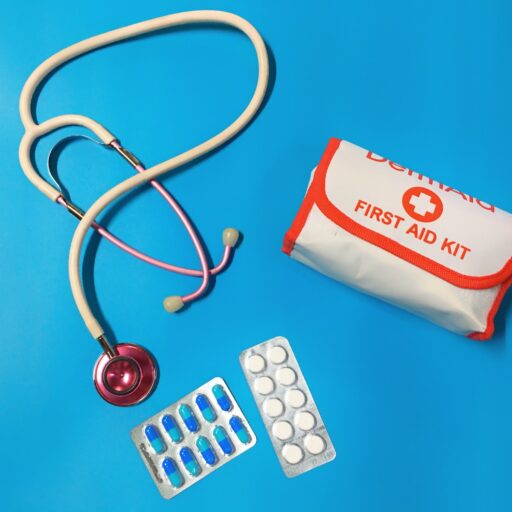
- First-
Aid Kit: Keep a well-stocked first-aid kit easily accessible. - Childproofing: If you have young children, go through your home at their eye level to identify potential hazards. Install cabinet locks, outlet covers, and safety
gates. - Regular Maintenance: Check appliances, heating systems, and plumbing regularly to prevent malfunctions.
👉 Shop for a Safer Home:
First Alert Smoke Detector & Carbon Monoxide Detector Combo: Amazon | Walmart
2. Financial Fortitude: Preventing Future Worries & Building Security 💸
You might be thinking, “What does money have to do with health prevention?” Everything! Financial stress is a leading cause of anxiety, depression, and even physical ailments like high blood pressure. Building financial fortitude is a powerful preventative measure
against future worries, allowing you to focus on your health and well-being without the constant burden of economic insecurity.
Why Financial Prevention Matters for Your Health:
- Reduced Stress: A solid financial foundation provides peace of mind,
reducing chronic stress that can wreak havoc on your body. - Access to Healthcare: Having adequate savings or insurance ensures you can afford preventative care, medications, and necessary treatments without hesitation.
- Healthy Lifestyle Choices: Financial
stability allows you to invest in nutritious food, gym memberships, and other wellness activities. - Future Planning: Preventing future worries means being prepared for unexpected expenses, retirement, and long-term care.
The United Nations emphasizes the
importance of building resilience to external economic and financial shocks by helping countries identify vulnerabilities rapidly and adopt adequate social safety nets. What’s true for nations is true for individuals: identifying vulnerabilities rapidly in your personal
finances is key to prevention.
Our Top Tips for Building Financial Fortitude:
- Create a Budget (and Stick to It!): Know where your money is going. Tools like Mint or You
Need A Budget (YNAB) can help you track spending and identify areas for savings. - Build an Emergency Fund: Aim for 3-6 months of living expenses in a separate, easily accessible savings account. This is
your safety net for unexpected job loss, medical emergencies, or car repairs. - Pay Down High-Interest Debt: Credit card debt can be a huge drain on your finances and a major source of stress. Prioritize paying
it off. - Invest for the Future: Start saving for retirement early, even if it’s a small amount. Compound interest is a powerful force!
- Review Insurance Coverage: Ensure you have adequate health, life
, disability, and home insurance to protect yourself and your family from unforeseen events. - Educate Yourself: Read books, listen to podcasts, and take courses on personal finance. Knowledge is power!
Tools for Financial Wellness
:
- Mint (Budgeting App): Mint Official Website
- You Need A Budget (YNAB) App: YNAB Official Website
- The Total Money Makeover by Dave Ramsey (Book): Amazon
3. Digital Defense: Cybersecurity & Online Safety in a Connected
World 🔒
In our increasingly digital lives, prevention isn’t just about physical health or financial stability; it’s also about safeguarding your online presence. From phishing scams to identity theft, the digital world presents its own unique set of
threats. At Health Facts™, we advocate for robust digital defense as a critical component of holistic prevention, protecting your data, your privacy, and your peace of mind. This is a core aspect of Digital Health.
Why Digital Prevention is Essential:
- Protecting Personal Information: Your personal data – from bank details to health records – is valuable. Preventing breaches protects you from identity theft and
fraud. - Maintaining Privacy: In an age of constant data collection, proactive steps can help you control what information you share and with whom.
- Avoiding Scams: Online scams are constantly evolving. Understanding common tactics helps you
avoid falling victim to financial loss or malware. - Safeguarding Devices: Protecting your computers and smartphones from viruses and malware ensures their functionality and the security of your data.
Our Top Tips for Digital Defense:
1
. Strong, Unique Passwords: This is non-negotiable! Use a combination of uppercase and lowercase letters, numbers, and symbols. Never reuse passwords across different accounts. Consider a password manager like LastPass or **
1Password**.
2. Two-Factor Authentication (2FA): Enable 2FA wherever possible. This adds an extra layer of security, requiring a second verification step (like a code sent to your phone) in addition to your password
.
3. Beware of Phishing: Be extremely cautious of suspicious emails, texts, or calls asking for personal information. Always verify the sender before clicking links or downloading attachments.
4. Keep Software Updated: Regularly update
your operating system, web browser, and antivirus software. Updates often include critical security patches.
5. Use a Reputable Antivirus/Antimalware Program: Brands like Norton 360 or McAfee Total
Protection offer comprehensive protection against various online threats.
6. Back Up Your Data: Regularly back up important files to an external hard drive or cloud service (like Google Drive or Dropbox).
7. **
Be Mindful of Public Wi-Fi:** Avoid conducting sensitive transactions (like online banking) when connected to unsecured public Wi-Fi networks.
8. Review Privacy Settings: Regularly check and adjust the privacy settings on your social media
accounts and other online services.
👉 Shop for Digital Protection:
- LastPass Premium (Password Manager): LastPass Official Website
- 1
Password (Password Manager): 1Password Official Website - Norton 360 Deluxe (Antivirus/Security): Amazon | Norton Official Website
McAfee Total Protection: Amazon | McAfee Official Website
4. Environmental Wellness: Preventing
Harm to Our Planet & Ourselves 🌳
Our personal health is inextricably linked to the health of our planet. The air we breathe, the water we drink, the food we eat – all are influenced by our environment. At Health Facts™,
we advocate for environmental wellness as a crucial, often overlooked, aspect of prevention. By preventing harm to our planet, we are, in essence, preventing harm to ourselves and future generations. This is a key focus of Environmental Health.
Why Environmental Prevention is Personal Health:
- Air Quality: Pollution from vehicles, industrial emissions, and wildfires can trigger respiratory issues, heart disease, and other
health problems. - Water Quality: Contaminated water sources can lead to a host of illnesses.
- Food Safety: Pesticides, pollutants, and unsustainable farming practices can impact the nutritional value and safety of our food supply
. - Climate Change: Extreme weather events, heatwaves, and the spread of vector-borne diseases (like Zika, as highlighted by the CDC) are all exacerbated by climate change, directly impacting human
health. - Chemical Exposure: Everyday products can contain harmful chemicals that affect our endocrine system, reproductive health, and increase cancer risk.
The United Nations places significant emphasis on supporting national disaster risk reduction plans, focusing on addressing climate change
, environmental degradation, urbanization, and population growth. They prioritize the least developed and most vulnerable countries, facilitating South-South cooperation and the use of innovative methods and technologies. This global perspective underscores
that environmental prevention is a collective responsibility with direct implications for individual well-being.
Our Top Tips for Environmental Wellness & Prevention:
- Reduce, Reuse, Recycle: The classic trio! Minimize waste by choosing products with less packaging,
reusing items, and properly recycling. - Conserve Energy: Turn off lights, unplug electronics when not in use, and consider energy-efficient appliances.
- Choose Sustainable Transportation: Walk, bike, car
pool, or use public transport whenever possible to reduce your carbon footprint. - Eat Locally & Seasonally: Support local farmers and reduce the environmental impact of long-distance food transportation.
- Reduce Chemical Exposure: Opt
for natural cleaning products, choose organic foods when possible, and be mindful of ingredients in personal care products. - Support Eco-Friendly Brands: Vote with your wallet by choosing companies committed to sustainable practices.
- Plant
Trees & Garden: Green spaces improve air quality, support biodiversity, and boost mental well-being.
👉 Shop for a Greener Lifestyle:
-
Reusable Water Bottles (e.g., Klean Kanteen): Amazon | Klean Kanteen Official Website
-
Reusable Shopping Bags (e.g., Baggu): Amazon | Baggu Official Website
-
Eco-Friendly Cleaning Products (e.g., Method, Seventh Generation):
The Doctor Will See You Now: Preventative Screenings & Vaccinations for a Healthier You 🩺
While daily
habits form the bedrock of prevention, there are crucial medical interventions that act as powerful safeguards in your health journey. At Health Facts™, we can’t stress enough the importance of partnering with your healthcare provider for preventative screenings and vaccinations.
These aren’t just appointments; they’re strategic moves to detect potential issues early and bolster your body’s defenses against serious diseases.
1. Your Preventative Checklist: Essential Screenings by Age & Gender ✅
Think of preventative screenings as your body’s annual inspection. They’re designed to catch potential problems before they become noticeable or severe, often
when they’re most treatable. What’s on your checklist will vary based on your age, gender, family history, and individual risk factors.
General Guidelines (Always consult your doctor for personalized advice!):
Blood Pressure Screening:**
-
Frequency: Annually, or more often if you have high blood pressure or risk factors.
-
Why it matters: High blood pressure (hypertension) is a “silent killer” that
can lead to heart attack, stroke, and kidney disease. -
Cholesterol Screening:
-
Frequency: Every 4-6 years for adults over 20, more frequently if you have risk factors.
-
Why it matters: High cholesterol contributes to plaque buildup in arteries, increasing the risk of heart disease.
-
Diabetes Screening (Blood Glucose):
-
Frequency: Starting around age 45
, or earlier if you are overweight/obese and have other risk factors. -
Why it matters: Early detection of prediabetes or type 2 diabetes allows for lifestyle changes to prevent or manage the condition.
-
Cancer
Screenings: -
Colorectal Cancer: Colonoscopy typically starting at age 45 (or earlier with family history).
-
Breast Cancer: Mammograms typically starting at age 40 or 50,
depending on guidelines and individual risk. -
Cervical Cancer: Pap tests and HPV tests for women, typically starting in the 20s.
-
Prostate Cancer: PSA testing for men,
discussed with a doctor, usually starting around age 50. -
Skin Cancer: Regular self-exams and professional skin checks, especially if you have many moles or a history of sun exposure.
-
Bone
Density Screening (DEXA scan): -
Frequency: For women, typically starting around age 65 (or earlier with risk factors for osteoporosis). For men, often later or based on risk.
Why it matters:** Detects osteoporosis, a condition that weakens bones and increases fracture risk.
- Dental Check-ups:
- Frequency: Every 6 months to a year.
- Why
it matters: Prevents cavities, gum disease, and can detect other oral health issues. - Eye Exams:
- Frequency: Every 1-2 years, more often if you have vision problems or conditions
like diabetes. - Why it matters: Checks for vision changes, glaucoma, cataracts, and other eye diseases.
Our Take: Don’t wait for symptoms to appear! As Prevention.com highlights with its focus on the
“Number-1 Sign” of chronic inflammation or the 6 sneaky signs of calcium deficiency, early detection through awareness and screenings is paramount. Your doctor is your best resource for creating a personalized preventative screening schedule.
<h
3 id=”2-immunity-boost-the-power-of-vaccinations-immunizations”>2. Immunity Boost: The Power of Vaccinations & Immunizations 💉
Vaccinations are one of the greatest triumphs of modern
medicine, a true testament to primary prevention. They work by training your immune system to recognize and fight off specific pathogens before you’re ever exposed to them, offering a powerful shield against infectious diseases. This is a cornerstone of Allergies and Immunity care.
How Vaccines Work Their Magic:
Vaccines introduce a weakened or inactive form of a virus or bacteria, or even
just a piece of it, to your immune system. Your body then learns to produce antibodies and memory cells specific to that pathogen. If you encounter the real germ later, your immune system is ready to launch a rapid and effective defense, preventing
you from getting sick or significantly reducing the severity of the illness.
Essential Vaccinations for Adults (Again, consult your doctor!):
-
Influenza (Flu Shot):
-
Frequency: Annually.
-
Why it matters: The flu can cause severe illness, hospitalization, and even death. The vaccine helps prevent infection or reduces severity. Medical experts clarify how long flu symptoms usually last, but prevention
is always better than treatment. -
Tetanus, Diphtheria, Pertussis (Tdap/Td):
-
Frequency: Tdap once as an adult, then Td booster every
10 years. -
Why it matters: Protects against tetanus (lockjaw), diphtheria (a serious bacterial infection), and pertussis (whooping cough), which can be very dangerous, especially for infants.
Measles, Mumps, Rubella (MMR):**
- Frequency: Most adults received this as children. If not, two doses are recommended.
- Why it matters: Highly contagious diseases that can
lead to serious complications. - Human Papillomavirus (HPV):
- Frequency: Recommended for young adults up to age 26, and potentially up to age 45 after discussion with a doctor
. - Why it matters: Prevents certain types of cancer, including cervical, anal, and oral cancers.
- Shingles (Herpes Zoster):
- Frequency: Two doses for adults
50 and older. - Why it matters: Shingles is a painful rash caused by the same virus as chickenpox. The vaccine significantly reduces the risk.
- Pneumococcal:
Frequency: Recommended for adults 65 and older, or younger adults with certain health conditions.
- Why it matters: Protects against pneumonia, meningitis, and bloodstream infections.
Our Take: Vaccinations aren
‘t just about protecting yourself; they’re about protecting your community, especially those who are too young or too immunocompromised to be vaccinated themselves. It’s a collective act of prevention and care.
Overcoming Obstacles: Making Prevention a Lifestyle, Not a Chore 🚧
We get it. The idea of “prevention” can sometimes
feel like a never-ending to-do list, a series of chores rather than a path to a more vibrant life. But at Health Facts™, we’re here to flip that script! Our goal is to help you integrate preventative habits seamlessly
into your daily routine, transforming them from daunting tasks into empowering choices. Let’s tackle those common obstacles and make prevention a joyful, sustainable lifestyle.
1. Budget-Friendly Prevention: Health on a Shoestring & Smart Choices 💰
One of the biggest myths about healthy living is that it has to be expensive. “Organic food costs too much!”
“Gym memberships are a luxury!” We hear you, and we’re here to tell you that budget-friendly prevention is absolutely achievable with smart choices and a little creativity.
Smart Swaps & Savvy Strategies:
Cook at Home (Your Wallet & Waistline Will Thank You!): Eating out, especially frequently, drains your bank account and often means larger portions and less healthy ingredients. Cooking at home gives you control over ingredients and costs.
*
Tip: Plan your meals around sales, buy in bulk for staples, and embrace batch cooking.
-
Free Fitness Fun: You don’t need a fancy gym membership to move your body!
-
Walking
/Running: Your own two feet are free! Explore local parks, trails, or even just your neighborhood. -
Bodyweight Exercises: Push-ups, squats, lunges, planks – these require no equipment and are
incredibly effective. YouTube is a treasure trove of free workout videos. -
Outdoor Activities: Hiking, biking (if you own a bike), playing sports with friends, or gardening are all great ways to stay active without spending a dime
. -
Smart Grocery Shopping:
-
👉 Shop Seasonally: Produce that’s in season is often cheaper and fresher.
-
Buy Generic/Store Brands: For many pantry staples and over-the-counter
medications, generic brands are just as effective as name brands but cost significantly less. -
Meal Prep: Prevents impulse buys and expensive takeout when you’re hungry and unprepared.
-
DIY Self-Care:
-
Mindfulness & Meditation: Free apps like Insight Timer offer thousands of guided meditations.
-
Nature Walks: A powerful stress reliever that costs nothing.
-
Reading: Borrow books from your
local library instead of buying them.
Our Take: Prevention isn’t about deprivation; it’s about smart allocation of resources. By making conscious, budget-friendly choices, you can invest in your health without breaking the bank.
2. Staying Motivated: Tips for Long-Term Success & Habit Formation 🚀
The initial burst
of motivation is easy. The real challenge lies in sustaining those healthy habits for the long haul. How do you make prevention a deeply ingrained part of your life, rather than a fleeting New Year’s resolution? At Health Facts™, we’ve
learned a few tricks about long-term success and habit formation.
Strategies for Sticking With It:
- Start Small, Build Momentum: Don’t try to overhaul your entire life overnight. Pick one or
two small, achievable habits (e.g., “drink a glass of water first thing in the morning,” “take a 10-minute walk after dinner”). Success breeds motivation! - Make It a Habit Loop
:
- Cue: What triggers the behavior? (e.g., “waking up”)
- Routine: The behavior itself (e.g., “drink water”)
- Reward
: What positive outcome do you get? (e.g., “feel refreshed, energized”) - Over time, the reward becomes the intrinsic feeling of well-being.
- Find Your “Why”: Why
is this important to you? Is it to be there for your grandkids? To run a marathon? To feel more energetic? Connect your actions to a deeper purpose. - Track Your Progress: Seeing how far you’ve
come can be incredibly motivating. Use a journal, a fitness tracker (like a Fitbit or Apple Watch), or an app to log your habits. - Build a Support System: Share your goals with friends
or family who can cheer you on, hold you accountable, or even join you in your healthy pursuits. - Be Kind to Yourself (The 80/20 Rule): Perfection is the enemy of progress.
If you miss a day or slip up, don’t throw in the towel. Acknowledge it, learn from it, and get back on track. Aim for consistency, not perfection. - Gamify It: Turn
your healthy habits into a game! Set challenges, reward yourself for milestones (non-food rewards!), and compete with friends. - Visualize Success: Take a few moments each day to imagine yourself achieving your health goals and feeling the benefits
.
Our Take: Motivation is like a muscle; it needs to be worked and nurtured. By understanding how habits form and implementing these strategies, you can transform prevention from a struggle into a seamless, rewarding part of your everyday life. Remember
, every small step you take today is an investment in a healthier, happier tomorrow.
Tools for Habit Tracking & Motivation:
- Fitbit Charge 6: Amazon | Best Buy | Fitbit Official Website
- Apple Watch Series 9: Amazon | Best Buy | Apple Official Website
- Insight Timer (Meditation App): Apple App Store | Google Play Store
Health Facts™ Insider: Our Personal Prevention Journeys & Expert Advice 🧑 ⚕️
Here at Health Facts™, we’re not just a team of health
professionals; we’re real people, just like you, navigating the ups and downs of life while striving for optimal health. We’ve had our own struggles, our own triumphs, and our own “aha!” moments when it comes to
prevention. So, pull up a chair, because we’re about to get a little personal and share some of our insider tips and anecdotes that have shaped our preventative philosophies.
Dr. Anya Sharma, Lead Physician & Wellness Advocate:
“For years, I was the classic ‘burn the candle at both ends’ doctor. Long shifts, late nights, grabbing whatever food was convenient. My ‘prevention’ was mostly reactive – taking a multivitamin and hoping for the best
! But then, a few years ago, I hit a wall. Chronic fatigue, constant colds, and a general feeling of being run down. That’s when I realized I wasn’t practicing what I preached. My biggest game-changer? **
Prioritizing sleep.** I used to think 5-6 hours was fine. Now, I aim for 7.5-8 hours, and I’ve noticed a dramatic difference in my immunity, my mood, and my ability
to focus. I even started using a Coop Original Adjustable Pillow to help with neck pain, and it’s been a revelation. It’s not about being perfect, but about making consistent, small changes.
And yes, I still love my coffee, but I’m mindful of that 3+ cups daily risk for kidney disease now!”
Mark Johnson, Certified Fitness Specialist & Nutrition Coach:
“My
journey into prevention started after a sports injury in my twenties. I realized I’d been pushing my body hard without truly listening to it. Now, my focus is on functional fitness and injury prevention. I’m a huge advocate
for incorporating strength training, not just for aesthetics, but for longevity and bone health. I’ve seen firsthand how aerobic exercise can be a game-changer for knee pain, and I always recommend my clients invest in good footwear
. Personally, I swear by Brooks Adrenaline GTS running shoes for their stability and support, especially after my own plantar fasciitis scare. It’s about building a body that can carry you through life, not just through a workout
.”
Sarah Chen, Registered Dietitian & Public Health Advocate:
“My passion is food as medicine. I grew up in a family where food was love, but not always the healthiest love! My ‘aha!’ moment came when I started
studying the profound link between diet and chronic disease. I’m a stickler for whole foods and mindful eating. I always tell my clients, ‘Don’t demonize carbs, but choose quality carbohydrates’ – think quinoa, oats, and sweet potatoes, not ultra-processed snacks. I’m also a big fan of making sure women over 40 are getting their 7 crucial vitamins. And for
a quick, healthy snack, I always have KIND Bars in my bag. It’s about making sustainable choices, not restrictive diets.”
David Lee, Digital Health & Cybersecurity Expert:
“My
prevention journey is a bit different – it’s all about the digital realm! I’ve seen too many people fall victim to scams or identity theft because they weren’t proactive. My personal rule? Two-factor authentication on *
everything important.* And a password manager like 1Password is non-negotiable. It’s like having a digital bodyguard for your online life. I also make sure to keep my Norton 360 subscription up-to-date. We spend so much of our lives online; protecting that space is just as vital as locking your front door. It’s about preventing digital headaches that can spill over into real-life stress.”
Our Collective Wisdom:
What ties our diverse experiences together is a shared understanding: prevention is a continuous journey, not a destination. It’s about making informed choices, adapting as life changes, and always seeking to empower
yourself with knowledge. We’ve all learned that small, consistent efforts compound over time, leading to profound improvements in health, happiness, and overall resilience. So, what small step will you take today to fortify your own fortress
?