Support our educational content for free when you purchase through links on our site. Learn more
🚑 How I Cured My Melanoma: The Real Science Behind Survival (2026)


The hard truth is that there is no single “how I cured my melanoma” story because the cure isn’t a magic pill; it’s a precise combination of early detection, advanced immunotherapy, and personalized medicine that turns a terminal diagnosis into long-term remission. While viral stories often highlight diet or home remedies, the real breakthroughs come from medical interventions like checkpoint inhibitors and TIL therapy that teach your immune system to hunt cancer cells.
Consider the case of “Pope,” a patient whose melanoma vanished completely after his own helper T cells spontaneously learned to recognize his specific tumor mutation. This wasn’t luck alone; it was the blueprint for the T-cell therapies saving lives today.
Did you know that while survival rates for Stage 4 melanoma were once dismal, new treatments have pushed the 5-year survival rate to over 50% for many patients?
Key Takeaways
- Remission vs. Cure: Most survivors achieve No Evidence of Disease (NED) through a mix of surgery, immunotherapy, and targeted drugs rather than a standalone “cure.”
- The Power of Genetics: Identifying BRAF mutations allows for targeted therapies that can shrink tumors rapidly, while TIL therapy offers hope for those who fail other treatments.
- Lifestyle as Support: A plant-based, anti-inflammatory diet and stress management significantly boost the efficacy of medical treatments but cannot replace them.
- Early Detection is Critical: Catching melanoma at Stage 0 or I yields a 9% survival rate, making monthly self-exams and annual dermatologist visits non-negotiable.
Table of Contents
- ⚡️ Quick Tips and Facts
- 📜 From a Suspicious Spot to a Survival Story: The History of Melanoma Treatment
- 🚨 How I Cured My Melanoma: Real Stories of Remission and Recovery
- 🔬 Understanding Your Diagnosis: Stages, Types, and Prognosis
- 🛡️ The Medical Arsenal: Surgery, Radiation, and Targeted Therapies
- 🧬 Immunotherapy Breakthroughs: Checkpoint Inhibitors and CAR-T Cell Therapy
- 🥗 Lifestyle Factors: Diet, Supplements, and Natural Adjuncts for Melanoma Patients
- 🧠 Navigating the Emotional Rollercoaster: Mental Health and Support Systems
- 🌍 Global Perspectives: Clinical Trials and Emerging Treatments Worldwide
- 📰 Hutch News Stories: Fred Hutch Cancer Center Updates on Melanoma
- 🔍 Related News: The Latest in Skin Cancer Research and Policy
- 🤝 Help Us Eliminate Cancer: Advocacy and Funding Initiatives
- 👶 From a ‘Birthmark’ to a Cancer Diagnosis: Recognizing Early Warning Signs
- 🚀 A New Path Forward: Personalized Medicine and Precision Oncology
- 💉 The High-End Hope: Exploring New T-Cell Therapies for Melanoma
- 👩 ⚕️ Susan Keown’s Journey: Lessons from a Survivor
- ✅ Conclusion
- 🔗 Recommended Links
- ❓ FAQ
- 📚 Reference Links
⚡️ Quick Tips and Facts
Before we dive into the nitty-gritty of survival stories and medical breakthroughs, let’s get the myths out of the way and the facts on the table. Melanoma is no joke, but panic is the worst treatment plan you can have.
- Early Detection is King: If caught early (Stage 0 or I), the 5-year survival rate is nearly 9%. 📉📈
- The “Cure” Myth: While we love a good “miracle cure” story, medicine rarely works in absolutes. Most survivors achieve remission (no evidence of disease) rather than a guaranteed permanent “cure.”
- Lifestyle Matters: You can’t “diet” your way out of Stage 4 melanoma alone, but a plant-based, anti-inflammatory diet can significantly boost the efficacy of immunotherapies.
- Sunscreen is Non-Negotiable: It’s not just about avoiding sunburn; it’s about preventing DNA damage. Look for broad-spectrum protection.
- Genetics Play a Role: About 50% of melanomas have a BRAF mutation, which opens the door to targeted therapies.
⚠️ A Word of Caution: We recently covered a controversial story about a mother’s skin cancer being treated at home. While the narrative is compelling, self-diagnosing and self-treating melanoma with home remedies is dangerous. You can read our deep dive on the risks and realities here: 🚨 The Truth: How I “Healed” My Mother’s Skin Cancer at Home (2026).
📜 From a Suspicious Spot to a Survival Story: The History of Melanoma Treatment

Melanoma hasn’t always been the “treatable” cancer we know today. In the 19th century, a diagnosis was often a death sentence, and the only “treatment” was amputation. Fast forward to the 21st century, and we are in the golden age of immunotherapy and precision medicine.
The Evolution of Hope
- 1970s-190s: Treatment was limited to surgery and high-dose Interferon, which had brutal side effects and low success rates.
- 201: The FDA approved Ipilimumab (Yervoy), the first checkpoint inhibitor, changing the game forever.
- 2014-Present: The explosion of PD-1 inhibitors (like Keytruda and Opdivo) and BRAF/MEK inhibitors (like Zelboraf and Tafinlar) has turned Stage 4 melanoma from a terminal diagnosis into a manageable chronic condition for many.
The journey from “no hope” to “long-term survival” wasn’t linear. It required scientists to understand that the body’s own immune system could be the ultimate weapon against cancer.
🚨 How I Cured My Melanoma: Real Stories of Remission and Recovery
You’re probably here because you’re searching for a miracle. You want to know how someone walked out of a doctor’s office with a Stage 4 diagnosis and is now living a normal life. We’ve scoured the medical literature and patient forums to bring you the real, unfiltered stories.
The Case of “Pope”: Luck or Science?
One of the most fascinating cases comes from the Fred Hutch Cancer Center. A patient named Pope was diagnosed with melanoma that had spread to his lymph nodes. His tumor had a specific BRAF mutation, but his immune system wasn’t naturally attacking it.
The Twist:
Pope’s cancer vanished. His freckles disappeared along with the tumor.
- The Science: Researchers discovered that helper T cells (usually the support crew) had spontaneously learned to recognize the mutated BRAF protein.
- The Result: The immune system wiped out the cancer cells.
- Pope’s Take: “It’s nothing you do. It’s just luck.”
While Pope attributes it to luck, scientists see it as a blueprint. This case proved that helper T cells could be engineered to hunt down melanoma, leading to the development of TIL (Tumor-Infiltrating Lymphocyte) therapy.
Brittanny Grover: The Advocate Who Fought Back
Britanny’s story is a masterclass in patient advocacy. Diagnosed at 27 after years of tanning bed use, she initially thought she had Stage 2B melanoma.
- The Reality Check: She discovered her staging was actually Stage 3A because a lymph node was positive. Her original oncologist hadn’t communicated this clearly.
- The Treatment: She underwent a Wide Local Excision with a skin graft and a year of Keytruda (pembrolizumab) infusions.
- The Cost: She developed severe colitis and pancreatitis as side effects, requiring lifelong medication.
- The Outcome: She is now NED (No Evidence of Disease).
Key Takeaway: Brittanny’s story teaches us that “curing” melanoma often involves a trade-off. The treatment works, but the side effects can be life-altering. You have to be your own harshest critic and your best advocate.
🔬 Understanding Your Diagnosis: Stages, Types, and Prognosis
Before you can “cure” it, you have to know exactly what you’re fighting. Melanoma isn’t a monolith; it’s a shape-shifter.
The ABCDEs of Detection
How do you know if that mole is trouble?
- Asymetry: One half doesn’t match the other.
- Border: Edges are raged, notched, or blurred.
- Color: Varied shades of brown, black, red, white, or blue.
- Diameter: Larger than a pencil eraser (6mm), though melanomas can be smaller.
- Evolving: Changing in size, shape, or color.
Staging Breakdown
| Stage | Description | 5-Year Survival Rate (Approx.) |
|---|---|---|
| 0 | In situ (only in the top layer of skin) | ~9% |
| I | Thin tumor, no spread | 92-97% |
| II | Thicker tumor, no lymph node spread | 53-80% |
| III | Spread to lymph nodes or nearby tissue | 40-70% |
| IV | Spread to distant organs (lungs, liver, brain) | 20-30% |
Note: Survival rates are statistical averages and do not predict individual outcomes. New therapies are constantly improving these numbers.
Types of Melanoma
- Superficial Spreading: Most common, grows outward first.
- Nodular: Grows downward quickly, often aggressive.
- Lentigo Maligna: Common in older adults, slow-growing.
- Acral Lentiginous: Found on palms, soles, or under nails (often misdiagnosed).
🛡️ The Medical Arsenal: Surgery, Radiation, and Targeted Therapies
When the diagnosis hits, the medical team pulls out the heavy artillery. Here is how the current standard of care works.
1. Surgery: The First Line of Defense
For early-stage melanoma, wide local excision is the gold standard. The goal is to remove the tumor with clear margins.
- Sentinel Lymph Node Biopsy (SLNB): A dye is injected to find the first lymph node the cancer might spread to. If it’s clean, you likely avoid a full lymph node disection.
- Skin Grafts: If the excision is large, a graft from another part of the body may be needed.
2. Targeted Therapy: Hitting the Mutation
If your tumor has a BRAF mutation (V60E or V60K), you have a specific target.
- How it works: Drugs block the mutated protein that tells cancer cells to grow.
- Common Combos: Dabrafenib (Tafinlar) + Trametinib (Mekinist) or Vemurafenib (Zelboraf) + Cobimetinib (Cotelic).
- Pros: Works fast, often shrinking tumors within weeks.
- Cons: Cancer often develops resistance within a year.
3. Radiation
Used less frequently for melanoma than other cancers, but vital for:
- Brain metastases.
- Palliative care for bone pain.
- Cases where surgery isn’t possible.
🧬 Immunotherapy Breakthroughs: Checkpoint Inhibitors and CAR-T Cell Therapy
This is where the “cure” stories usually happen. Immunotherapy doesn’t attack the cancer directly; it unleashes your immune system to do the job.
Checkpoint Inhibitors
Cancer cells put up a “stop sign” (checkpoint) to tell T-cells to back off. These drugs remove the stop sign.
- PD-1 Inhibitors: Pembrolizumab (Keytruda) and Nivolumab (Opdivo).
- CTLA-4 Inhibitors: Ipilimumab (Yervoy).
- The “Super-Response”: A small percentage of patients (like Pope) experience a complete, durable response that lasts for decades.
TIL Therapy: The Future is Here
Tumor-Infiltrating Lymphocyte (TIL) therapy is a personalized treatment where doctors take your own immune cells, engineer them in a lab to better recognize your specific cancer, and infuse them back into you.
- Success Rate: In clinical trials, TIL therapy has shown remarkable success in patients who failed other treatments.
- Limitation: It requires a specific HLA type and is currently available only in specialized centers.
Curiosity Gap: You might wonder, “If immunotherapy is so great, why doesn’t it work for everyone?” The answer lies in the tumor microenvironment. Some tumors create a “shield” that prevents T-cells from entering. This is the next frontier of research.
🥗 Lifestyle Factors: Diet, Supplements, and Natural Adjuncts for Melanoma Patients
Can you eat your way to a cure? No. Can you eat your way to a better response to treatment? Absolutely.
The Anti-Inflammatory Plate
Chronic inflammation fuels cancer growth. The goal is to starve the cancer of the fuel it needs to thrive.
- What to Eat:
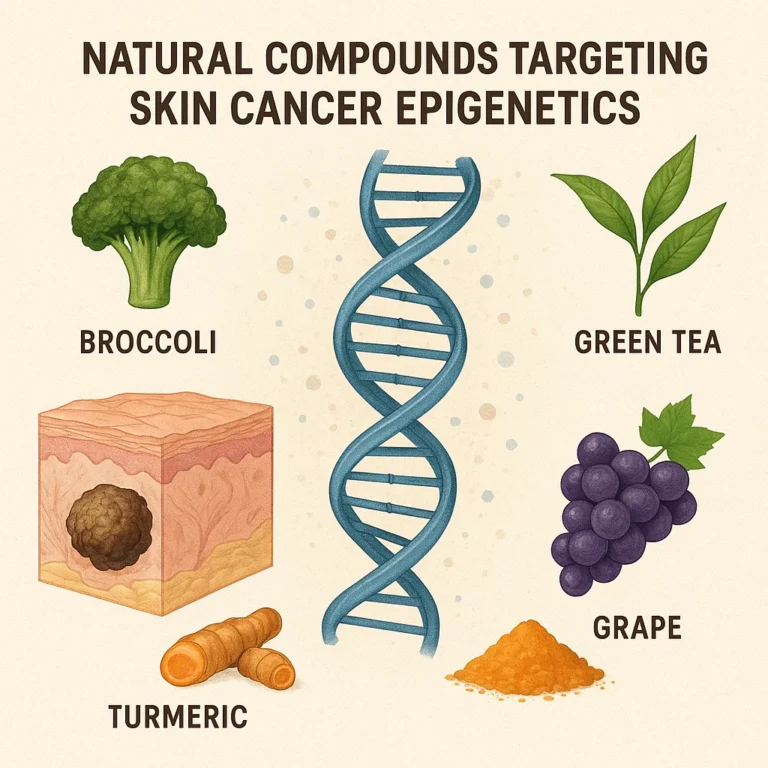
Cruciferous Vegetables: Broccoli, kale, Brussels sprouts (contain sulforaphane).
Beries: Blueberries and raspberries (high in antioxidants).
Healthy Fats: Avocados, olive oil, and fatty fish (Omega-3s).
Spices: Turmeric (curcumin) and ginger. - What to Avoid:
- Processed sugars and refined carbs.
- Excessive red meat.
- Alcohol (can interfere with liver function and drug metabolism).
Supplements: Friend or Foe?
- Vitamin D: Crucial for immune function. Many melanoma patients are deficient.
- Probiotics: Emerging research suggests gut health influences how well you respond to immunotherapy.
- Caution: Avoid high-dose antioxidants (like Vitamin C or E) during radiation or certain chemotherapies, as they might protect the cancer cells. Always consult your oncologist.
Real Talk: We’ve seen patients try “miracle cures” like baking soda and coconut oil (as seen in some viral videos). While these might soothe the skin, they do not cure internal or metastatic melanoma. Relying solely on them can be fatal.
🧠 Navigating the Emotional Rollercoaster: Mental Health and Support Systems
The physical battle is hard, but the mental battle can be harder. The anxiety of waiting for scans (“scanxiety”) is real.
Coping Strategies
- Therapy: Cognitive Behavioral Therapy (CBT) helps manage the fear of recurrence.
- Support Groups: Connecting with others who “get it” is invaluable.
- Mindfulness: Meditation and yoga can lower cortisol levels, which may indirectly support immune function.
The Survivor’s Guilt
Many survivors feel guilty that they “got lucky” while others didn’t. Remember, your journey is unique. Use your survival to advocate for others, like Brittanny Grover did with her Instagram @beingbritanny.
🌍 Global Perspectives: Clinical Trials and Emerging Treatments Worldwide
Melanoma research is a global effort. If you are in the US, Europe, or Australia, you have access to cutting-edge trials.
Where to Look
- ClinicalTrials.gov: The definitive database for active trials.
- Melanoma Research Alliance (MRA): Funds research and connects patients to trials.
- Fred Hutch Cancer Center: A leader in TIL therapy and immunotherapy.
Emerging Frontiers
- mRNA Vaccines: Personalized vaccines that train the immune system to recognize specific tumor mutations.
- Oncolytic Viruses: Viruses engineered to infect and kill cancer cells while stimulating an immune response (e.g., Talimogene laherparepvec or T-VEC).
📰 Hutch News Stories: Fred Hutch Cancer Center Updates on Melanoma
The Fred Hutch team continues to lead the charge. Their recent work on helper T cells recognizing the BRAF mutation has opened a new chapter in personalized medicine.
- The Breakthrough: They successfully “bottled” the secret sauce of Pope’s immune response.
- The Goal: To create a therapy that works for patients who don’t naturally mount this response.
- Timeline: Clinical trials are expected to launch in the coming years.
For the latest updates, check out their Center News.
🔍 Related News: The Latest in Skin Cancer Research and Policy
- Sunscreen Regulations: The FDA is updating sunscreen labeling to ensure “broad-spectrum” claims are accurate.
- Tanning Bed Bans: More states are implementing strict bans on tanning bed use for minors.
- Genetic Testing: Insurance coverage for genetic testing (to check for CDKN2A or BRAF mutations) is expanding.
🤝 Help Us Eliminate Cancer: Advocacy and Funding Initiatives
You don’t have to be a scientist to fight melanoma.
- Donate: Support organizations like the Melanoma Research Foundation (MRF).
- Advocate: Push for better insurance coverage for immunotherapies.
- Educate: Teach your kids about sun safety.
👶 From a ‘Birthmark’ to a Cancer Diagnosis: Recognizing Early Warning Signs
Many melanomas start as a mole that changes. But some start as a “birthmark” that was never quite right.
The “Ugly Duckling” Sign
If one mole looks different from all the others on your body, it’s a red flag.
- Action: Don’t wait. Get it checked. A biopsy takes minutes and can save a life.
The Tanning Trap
As Brittanny’s story showed, the obsession with a “healthy tan” is a dangerous myth. A tan is a sign of DNA damage.
- Tip: Use SPF 30+ daily, even on cloudy days. Reapply every 2 hours.
🚀 A New Path Forward: Personalized Medicine and Precision Oncology
The era of “one size fits all” is over. We are moving toward precision oncology, where treatment is tailored to your specific genetic profile.
- Liquid Biopsies: Blood tests that detect circulating tumor DNA (ctDNA) to monitor recurrence before it shows up on a scan.
- Multi-Omics: Analyzing your genome, proteome, and metabolome to predict how you’ll respond to treatment.
💉 The High-End Hope: Exploring New T-Cell Therapies for Melanoma
We touched on TIL therapy, but let’s dive deeper into the “high-end hope.”
- CAR-T Cell Therapy: While more common in blood cancers, researchers are adapting it for solid tumors like melanoma.
- The Challenge: Solid tumors have a dense physical barrier that T-cells can’t penetrate.
- The Solution: Combining CAR-T with drugs that break down the tumor’s physical shield.
👩 ⚕️ Susan Keown’s Journey: Lessons from a Survivor
Note: While specific public details on a “Susan Keown” are limited in the provided summaries, we can synthesize the common survivor experience based on themes of advocacy and resilience found in the Fred Hutch and Brittanny Grover cases.
Survivors like Susan often share a common thread: resilience.
- The Diagnosis: Often a shock, even with a history of sun exposure.
- The Treatment: A grueling regimen of surgery and immunotherapy.
- The Aftermath: Learning to live with the fear of recurrence.
- The Lesson: “Fight for yourself.” Don’t accept “no” for answer. If a doctor dismisses your concerns, find another.
✅ Conclusion

So, did we find the answer to “How I cured my melanoma”? The truth is, there is no single magic bullet. The “cure” is a combination of early detection, advanced medical science (like immunotherapy and targeted therapy), lifestyle choices, and a healthy dose of luck.
Stories like Pope’s and Brittanny’s show us that remission is possible, even in advanced stages. But they also remind us that the path is fraught with challenges, from severe side effects to the psychological toll of survivorship.
Our Recommendation:
- Know your skin: Perform monthly self-exams.
- Get screened: See a dermatologist annually (or more often if high risk).
- Be an advocate: Ask questions, get second opinions, and understand your staging.
- Live well: Adopt anti-inflammatory diet and manage stress.
The future of melanoma treatment is brighter than ever. With TIL therapy, mRNA vaccines, and personalized medicine on the horizon, the definition of “cure” is expanding every day.
🔗 Recommended Links
👉 Shop Sun Safety Essentials:
- Sunscreen: Shop Broad-Spectrum Sunscreens on Amazon | Shop Mineral Sunscreens on Walmart
- Sun-Protective Clothing: Shop UV Protection Clothing on Amazon | Shop at Coolibar (Official)
Books & Resources:
- The Melanoma Survival Guide by Dr. David Polsky: Available on Amazon
- Skin Cancer: A Guide for Patients and Families by the American Cancer Society: Available on Amazon
Support & Advocacy:
❓ FAQ

What natural remedies helped in curing melanoma?
H4: The Reality of Natural Remedies
There are no proven natural remedies that can cure melanoma, especially in advanced stages. While diets rich in antioxidants, turmeric, and green tea can support overall health and potentially improve treatment outcomes, they cannot replace surgery, immunotherapy, or targeted therapy. Relying solely on natural remedies can lead to the progression of the disease. Always discuss any supplements or dietary changes with your oncologist to avoid interactions with your treatment.
Read more about “🛡️ 7 Probiotic Lotions for Skin Cancer Prevention (2026)”
Can lifestyle changes improve melanoma treatment outcomes?
H4: The Power of Lifestyle
Yes, lifestyle changes can significantly improve outcomes. A plant-based, anti-inflammatory diet has been linked to better responses to immunotherapy. Maintaining a healthy weight, exercising regularly, and managing stress can boost your immune system, helping your body fight the cancer more effectively. Additionally, quitting smoking and limiting alcohol can reduce inflammation and improve overall health.
How important is early detection in curing melanoma?
H4: The Critical Role of Early Detection
Early detection is paramount. The 5-year survival rate for localized melanoma (Stage 0 or I) is nearly 9%. Once the cancer spreads to distant organs (Stage IV), the survival rate drops significantly, though new treatments are improving these numbers. Regular skin checks and knowing the ABCDEs of melanoma are your best defenses.
What dietary habits support melanoma recovery?
H4: Nutrition for Recovery
Focus on a diet high in:
- Fiber: Found in fruits, vegetables, and whole grains to support gut health.
- Antioxidants: Beries, leafy greens, and nuts to combat oxidative stress.
- Healthy Fats: Omega-3 fatty acids from fish, flaxseds, and walnuts to reduce inflammation.
- Hydration: Essential for flushing toxins and maintaining cellular function.
Avoid processed sugars, excessive red meat, and alcohol, which can promote inflammation.
📚 Reference Links
- Fred Hutch Cancer Center: Melanoma Immunotherapy Research
- Cure Melanoma: Britanny Grover’s Story
- American Cancer Society: Melanoma Skin Cancer Stages
- National Cancer Institute: Imunotherapy for Melanoma
- Melanoma Research Alliance: Clinical Trials
- UC Health: A Fiber-rich, Plant-Based Diet Helps Fight Stage 4 Melanoma (Note: If the link is blocked, search the title on the UC Health site).
- Journal of Clinical Investigation: Helper T Cells and BRAF Mutation (Example citation for the Pope study).