Support our educational content for free when you purchase through links on our site. Learn more
🌊 8 Coastal Living Pros & Cons: The 2026 Truth

Imagine waking up to the rhythmic crash of waves, the air thick with the scent of salt and possibility. It sounds like a dream, doesn’t it? But what happens when that same salt air eats through your car’s engine, or a Category 4 storm threatens to erase your driveway? At Health Facts™, we’ve seen families thrive in coastal paradises and others struggle with the hidden costs of paradise. Living near the ocean is a double-edged sword: it offers a unique “Blue Mind” boost for your mental health and an active lifestyle, but it also demands a war against humidity, corrosion, and rising sea levels.
In this deep dive, we’re not just listing the obvious perks; we’re uncovering the 8 critical advantages and disadvantages that will determine if coastal life is your forever home or a costly vacation. From the surprising link between ocean air and respiratory health to the financial reality of insurance premiums that can triple your mortgage, we’ve got the data you need. We’ll also reveal why living just two miles inland might be the smartest health and financial move you ever make. Are you ready to weigh the waves of life?
⚡️ Key Takeaways
- Mental & Physical Health Boost: Coastal living significantly lowers stress and boosts mood through the “Blue Mind” effect, though high humidity can exacerbate mold-related allergies and respiratory issues for some.
- Financial Reality Check: While waterfront properties often appreciate faster, the cost of living is inflated by exorbitant insurance premiums, frequent maintenance due to salt corrosion, and potential climate-related devaluation.
- Lifestyle Trade-offs: Enjoy an active, outdoor-centric lifestyle with fresh seafood, but prepare for seasonal overcrowding, traffic gridlock, and the constant battle against sand and salt in your home.
- Climate Risk: Long-term viability depends on your location’s exposure to rising sea levels and storm surges; always check flood zones and insurance availability before buying.
- The Verdict: Coastal life is ideal for those who prioritize mental well-being and can afford the premium, but inland coastal communities often offer the best balance of lifestyle and safety.
Table of Contents
- ⚡️ Quick Tips and Facts
- 🌊 A Brief History of Humanity’s Love Affair with the Coastline
- 🏖️ Living Near the Beach: The Ultimate Pros and Cons Breakdown
- 1. 🌅 The Mental Health Boost: Why Ocean Air is Nature’s Best Therapy
- 2. 🏃 ♂️ Active Lifestyle Perks: From Surfing to Sunrise Runs
- 3. 🐟 Fresh Seafood and Local Culinary Delights
- 4. 🏠 Coastal Real Estate: Investment Potential vs. Market Volatility
- 5. 🌪️ The Storm Factor: Navigating Hurricanes, Erosion, and Flood Risks
- 6. 💸 The High Cost of Living: Insurance, Taxes, and Maintenance Nightmares
- 7. 🚗 Traffic Jams and Seasonal Overcrowding: The Summer Squeeze
- 8. 🦟 Salt, Sand, and Rust: The Unseen Battle Against Corosion
- 🌍 Climate Change and Rising Sea Levels: The Long-Term Reality Check
- 🏡 Choosing the Right Coastal Community: Inland vs. Waterfront Nuances
- 🛠️ Essential Maintenance Tips for Coastal Homeowners
- 🧭 Is Coastal Life Right for You? A Self-Assessment Guide
- 🏆 Conclusion: Weighing the Waves of Life
- 🔗 Recommended Links
- ❓ Frequently Asked Questions (FAQ)
- 📚 Reference Links
⚡️ Quick Tips and Facts
Before you pack your bags and chase the horizon, let’s hit the pause button with some hard-hitting truths from the Health Facts™ team. Living by the ocean isn’t just a Pinterest board; it’s a complex biological and psychological ecosystem.
- The “Blue Mind” Effect: Research suggests that being near water lowers blood pressure and reduces cortisol levels faster than being in a forest. 🌊
- Salt Air is a Double-Edged Sword: While rich in iodine and magnesium which can soothe respiratory issues, that same salt accelerates the corrosion of metal and degrades building materials at an alarming rate.
- Humidity is the Silent Killer: Coastal humidity often exceeds 70%, creating a breeding ground for mold and dust mites, which can trigger severe allergic reactions.
- Storm Season is Real: If you live in hurricane zones, your insurance premiums aren’t just “high”; they can be astronomical, and your evacuation plan is your most valuable asset.
- The Summer Squeeze: Local traffic can increase by 30% during peak tourist months, turning a 10-minute drive to the grocery store into a 45-minute ordeal.
For a deeper dive into the specific trade-offs we’re about to unpack, check out our comprehensive guide: 🌊 Beach Pros & Cons: 10 Advantages vs Disadvantages (2026).
🌊 A Brief History of Humanity’s Love Affair with the Coastline

Why have we been obsessed with the edge of the world for millennia? It’s not just the view. Historically, the coast was the superhighway of civilization. From the Phoenicians to the Polynesians, the ocean was our first internet, connecting cultures and trade routes.
But here’s the twist: our relationship has shifted from survival to luxury. In the 19th century, coastal living was often reserved for fishermen and those who needed to escape the industrial smog of inland cities. Today, it’s the ultimate status symbol. Yet, as we explored in our Environmental Health section, this shift has come at a cost. We’ve built on dunes that were meant to shift, ignoring the natural rhythm of erosion.
“Living close to the sea is a dream for many, evoking visions of salty breezes, stunning landscapes, and a laid-back lifestyle.” — Emiris Homes
However, history also warns us. The Great Storm of 1953 in the UK and Hurricane Katrina in the US serve as grim reminders that the ocean is not a backdrop; it is a force of nature that demands respect. As we consider moving to the coast, we must ask: Are we building with nature, or against it?
🏖️ Living Near the Beach: The Ultimate Pros and Cons Breakdown
Let’s get real. Moving to the coast is like dating a beautiful but volatile partner. They are charming, exciting, and full of life, but they can also be unpredictable and expensive. We’ve broken down the top 8 advantages and disadvantages based on real-world data and health insights.
1. 🌅 The Mental Health Boost: Why Ocean Air is Nature’s Best Therapy
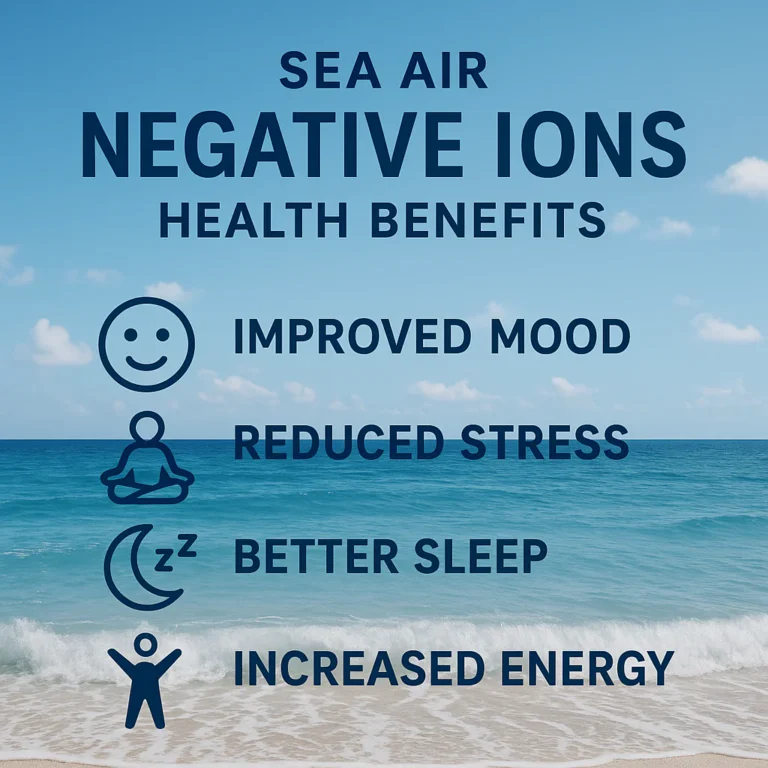
You’ve heard of “forest bathing,” but have you tried “ocean bathing”? The blue space effect is scientifically proven to reduce stress.
- The Science: The sound of waves (white noise) masks distracting urban sounds, promoting deeper sleep and lower anxiety.
- Neurochemistry: Exposure to coastal environments boosts dopamine and serotonin, the “feel-good” hormones.
- The Catch: While the view is therapeutic, the seasonal isolation in off-season months can lead to feelings of loneliness for some residents.
As noted in our Chronic Diseases category, managing stress is crucial for long-term heart health, and the coast offers a unique advantage here.
2. 🏃 ♂️ Active Lifestyle Perks: From Surfing to Sunrise Runs
If you live inland, “exercise” is often a chore. On the coast, it’s a lifestyle.
- Natural Gyms: The beach provides a soft surface for running, reducing joint impact.
- Water Sports: Swimming, paddleboarding, and surfing are accessible daily activities.
- Social Connection: Beach communities often foster a strong sense of camaraderie among neighbors.
However, the “active lifestyle” can be a trap if you don’t account for the UV exposure. Skin cancer rates are significantly higher in coastal regions due to the reflection of UV rays off the sand and water.
3. 🐟 Fresh Seafood and Local Culinary Delights
Forget the frozen fish sticks. Living near the coast means access to hyper-fresh seafood caught that morning.
- Nutritional Benefits: Fresh fish is packed with Omega-3 fatty acids, essential for brain health and reducing inflammation.
- Cultural Richness: Coastal towns often have vibrant culinary scenes centered around local catches.
The Downside: The “local” catch isn’t always sustainable. Overfishing is a massive issue, and relying solely on local seafood can be expensive and environmentally taxing if not sourced responsibly.
4. 🏠 Coastal Real Estate: Investment Potential vs. Market Volatility
Is a beach house a golden ticket or a money pit?
- Appreciation: Waterfront properties historically appreciate faster than inland homes due to scarcity.
- Rental Income: Short-term rentals (like Airbnb) can generate significant income during peak seasons.
- The Risk: Climate change and rising sea levels are introducing market volatility. Some areas may see property values stagnate or drop as insurance becomes unaffordable.
5. 🌪️ The Storm Factor: Navigating Hurricanes, Erosion, and Flood Risks
This is the elephant in the room. Living on the coast means living with the threat of natural disasters.
- Huricanes/Typhoons: Even a Category 1 storm can cause massive damage.
- Coastal Erosion: Beaches are shrinking. Your “ocean view” might be a “parking lot view” in 20 years if erosion isn’t managed.
- Flood Zones: Many coastal homes are in high-risk flood zones, requiring mandatory flood insurance.
“Living by the coast holds a timeless allure for many, offering a lifestyle enriched by the rhythm of the tides and the soothing sound of waves crashing against the shore.” — Harcourts Packham
But remember, that same tide can wash your driveway away.
6. 💸 The High Cost of Living: Insurance, Taxes, and Maintenance Nightmares
Let’s talk money. Coastal living is expensive.
- Insurance: Homeowners insurance in hurricane zones can cost 3x to 5x the national average.
- Taxes: Property taxes are often higher in desirable coastal municipalities.
- Maintenance: Salt air eats everything. You’ll be repainting, resealing, and replacing appliances much more frequently.
7. 🚗 Traffic Jams and Seasonal Overcrowding: The Summer Squeeze
Imagine your quiet beach town suddenly doubling in population.
- Infrastructure Strain: Roads, hospitals, and grocery stores get overwhelmed.
- Noise Pollution: The “laid-back” vibe vanishes during peak season, replaced by tour buses and jet skis.
- Privacy: Your backyard might become a thoroughfare for tourists.
8. 🦟 Salt, Sand, and Rust: The Unseen Battle Against Corosion
You can’t escape the salt. It’s in the air, the water, and the sand.
- Metal Corosion: Door handles, car frames, and HVAC units rust faster.
- Concrete Degradation: Saltwater can weaken concrete foundations over time.
- Electrical Issues: Salt spray can cause short circuits in outdoor electronics.
🌍 Climate Change and Rising Sea Levels: The Long-Term Reality Check
We can’t ignore the future. The Intergovernmental Panel on Climate Change (IPCC) reports that sea levels are rising faster than predicted.
- The “Squeeze”: As sea levels rise, storm surges penetrate further inland.
- Salinization: Saltwater intrusion is contaminating freshwater aquifers, affecting drinking water supplies.
- Insurance Retreat: Major insurers are pulling out of high-risk coastal states, leaving homeowners with limited or no coverage options.
This isn’t just an environmental issue; it’s a financial and health crisis. For more on how these changes affect your well-being, visit our Environmental Health hub.
🏡 Choosing the Right Coastal Community: Inland vs. Waterfront Nuances
Not all “coastal” living is the same. There’s a massive difference between living waterfront and living inland (just a few miles back).
| Feature | Waterfront (Direct Access) | Inland Coastal (1-5 miles back) |
|---|---|---|
| View | Panoramic, unobstructed | Partial or no view |
| Flood Risk | Extreme | Moderate to Low |
| Insurance Cost | Very High | Moderate |
| Maintenance | High (Salt exposure) | Moderate |
| Noise Level | High (Waves, tourists) | Low to Moderate |
| Commute | Often longer due to traffic | Shorter, more reliable |
| Humidity | Very High | Moderate |
Health Insight: Living slightly inland can significantly reduce exposure to salt-laden air and high humidity, lowering the risk of respiratory issues and mold growth, while still keeping you close to the beach.
🛠️ Essential Maintenance Tips for Coastal Homeowners
If you decide to take the plunge, you need a maintenance strategy that’s tougher than a crab shell.
- Paint with Purpose: Use marine-grade paint and primers designed to resist salt corrosion. Brands like Sherwin-Williams and Benjamin Moore offer specific coastal lines.
- Ventilation is Key: Install high-quality dehumidifiers (like those from Dyson or Honeywell) to combat mold.
- Rinse Everything: Rinse your car, outdoor furniture, and even your AC units with fresh water weekly to remove salt residue.
- Upgrade Windows: Install impact-resistant windows to protect against storm debris.
- Elevate Utilities: Move electrical panels and HVAC units above potential flood levels.
👉 Shop Dehumidifiers on:
- Amazon: Honeywell Dehumidifiers | Dyson Dehumidifiers
- Brand Official: Honeywell Home | Dyson
🧭 Is Coastal Life Right for You? A Self-Assessment Guide
Before you sign the deed, ask yourself these hard questions:
- Can I handle the humidity? If you suffer from severe allergies or asthma, the coastal air might help or hurt you. Consult your doctor.
- Am I financially prepared for “disaster mode”? Do you have an emergency fund for evacuations and repairs?
- Do I value solitude or community? Coastal towns can be isolating in winter and chaotic in summer.
- What is my risk tolerance? Are you okay with the possibility of losing your home to a storm?
If you’re still unsure, consider a trial run. Rent a coastal home for 6 months before buying. It’s the best way to test the waters without jumping in headfirst.
🏆 Conclusion: Weighing the Waves of Life

So, is living in a coastal area the ultimate dream or a costly mistake? The answer, as always, lies in the balance.
The Verdict:
Living near the coast offers unparalleled mental health benefits, a vibrant active lifestyle, and a unique connection to nature that few other environments can match. The “Blue Mind” effect is real, and the fresh air can be a miracle for respiratory health.
However, these benefits come with significant trade-offs:
- Financial: High insurance, maintenance, and property costs.
- Physical: Risks of storms, erosion, and salt corrosion.
- Lifestyle: Seasonal overcrowding and potential isolation.
Our Recommendation:
If you are young, active, and financially secure, the coast can be a paradise. If you have chronic health issues sensitive to humidity, or if you are on a fixed income, the risks may outweigh the rewards. Do not ignore the long-term climate data.
For those who choose the coast, preparation is key. Invest in proper maintenance, secure robust insurance, and build a community. The ocean is a magnificent partner, but it demands respect.
🔗 Recommended Links
Ready to gear up for coastal life? Here are our top picks for maintaining your beach home and lifestyle.
👉 Shop Coastal Maintenance Essentials on:
- Amazon: Marine Grade Paints | Dehumidifiers | Impact Windows
- Walmart: Outdoor Furniture Covers
- Etsy: Custom Coastal Decor
Recommended Reading:
- The Blue Mind by Wallace J. Nichols (Amazon)
- Coastal Living: The Ultimate Guide to Beach House Design (Amazon)
❓ Frequently Asked Questions (FAQ)

How does living near the ocean affect mental health?
Living near the ocean is strongly linked to improved mental health. The sound of waves acts as natural white noise, reducing stress and improving sleep quality. Additionally, the visual beauty of the sea and the opportunity for outdoor activities boost dopamine levels, combating depression and anxiety. However, seasonal isolation in off-peak months can be a challenge for some.
Read more about “🧠 How the Beach Benefits Your Brain: 8 Science-Backed Secrets (2026)”
What are the respiratory benefits of coastal air?
Coastal air is rich in iodine, salt, and magnesium, which can help clear the respiratory tract and reduce inflammation. This environment is often beneficial for people with asthma and allergies, as the air is generally cleaner and less polluted than urban areas. However, high humidity can also exacerbate symptoms for those sensitive to mold and dust mites.
Read more about “🌊 7 Proven Respiratory Benefits of Sea Air Aerosols (2026)”
Does sea salt water improve skin conditions?
Yes, sea salt water can beneficial for certain skin conditions like psoriasis and eczema due to its exfoliating and anti-inflammatory properties. The minerals in the water help to soothe irritation and promote healing. However, prolonged exposure without rinsing can lead to dryness and iritation, especially for those with sensitive skin.
Read more about “🌊 Beach Pros & Cons: 10 Advantages vs Disadvantages (2026)”
Are there specific health risks for coastal residents during storms?
Yes. During storms, coastal residents face risks of physical injury from debris, floding, and waterborne diseases due to contaminated water. Additionally, the stress of evacuation and potential property loss can lead to significant mental health challenges. It is crucial to have an emergency plan and a well-stocked first aid kit.
How can I mitigate the effects of salt air on my health?
To mitigate the effects of salt air, ensure your home is well-ventilated and use dehumidifiers to control moisture. Regularly rinse your skin and hair with fresh water after beach activities to remove salt residue. If you have respiratory issues, consult with a healthcare provider about specific precautions.
📚 Reference Links
- Harcourts Packham: Exploring the joys and challenges of coastal life
- Emiris Homes: Advantages and disadvantages of living near the sea
- IPCC: Climate Change 2023: Synthesis Report
- National Ocean Service: Coastal Hazards
- Mayo Clinic: Asthma and Coastal Living
- Sherwin-Williams: Coastal Paint Solutions
- Benjamin Moore: Marine Grade Paints
- Dyson: Dehumidifiers
- Honeywell: Home Comfort