Support our educational content for free when you purchase through links on our site. Learn more
9 Natural Skincare Ingredients with Anti-Cancer Powers (2025) 🌿

Did you know that your daily skincare routine could be more than just about glowing skin? Recent research reveals that certain natural ingredients in skincare products possess remarkable anti-cancer properties, helping protect your skin from harmful UV damage and even supporting DNA repair. But with so many products and buzzwords out there, how do you separate the science-backed heroes from the hype?
In this article, we’ll unveil 9 powerhouse natural ingredients—from green tea extract to frankincense oil—that have been shown to fight skin cancer at the cellular level. Plus, we’ll share expert tips on how to choose effective products, avoid common pitfalls, and even reveal some personal stories from our Health Facts™ team about their own skincare journeys. Curious about which natural ingredients really work and how to use them safely? Keep reading to discover the secrets that could transform your skincare game in 2025 and beyond!
Key Takeaways
- Natural ingredients like green tea, curcumin, and resveratrol offer potent antioxidant and anti-inflammatory effects that help protect skin cells from cancer-causing damage.
- Essential oils such as frankincense and tea tree show promising cancer-cell-specific activity, but must be used cautiously to avoid irritation or photosensitivity.
- Natural skincare complements but does not replace sunscreen and professional medical care—a holistic approach is key for effective skin cancer prevention.
- Look for clean, reputable brands like Paula’s Choice, SkinCeuticals, and Herbivore Botanicals that combine science-backed actives with safe formulations.
- Lifestyle factors—sun safety, diet, and regular dermatologist visits—amplify the protective effects of natural skincare.
👉 Shop our top recommended natural skincare products:
- Paula’s Choice Green Tea Serums & SPF
- SkinCeuticals Resveratrol Serums
- Herbivore Botanicals Clean Beauty
Table of Contents
- ⚡️ Quick Tips and Facts
- 🌿 Unveiling Nature’s Shield: A Deep Dive into Natural Skincare and Cancer Prevention
- 🔬 The Science Behind the Glow: How Natural Ingredients Fight Back Against Skin Cancer
- 🌱 Your Skincare Arsenal: Top Natural Ingredients with Anti-Cancer Potential
- 1. 🍵 Green Tea Extract: The Polyphenol Powerhouse
- 2. ✨ Turmeric (Curcumin): The Golden Anti-Inflammatory Gem
- 3. 🍇 Resveratrol: The Grapevine’s Secret to Longevity
- 4. 🍊 Vitamin C: The Brightening Antioxidant Hero
- 5. 🌰 Vitamin E: Skin’s Protective Barrier Builder
- 6. 🍅 Lycopene: The Red Shield from Tomatoes
- 7. 💥 Pomegranate Extract: A Burst of Antioxidant Goodness
- 8. 🌱 Aloe Vera: Soothing and Regenerating Skin’s Health
- 9. 🌿 Essential Oils: Aromatic Allies or Risky Business?
- 🛍️ Navigating the Skincare Aisle: What to Look For (and What to Avoid!)
- holistic Beyond the Bottle: A Holistic Approach to Skin Cancer Prevention
- 👩⚕️ Expert Insights: What Dermatologists Say About Natural Skincare and Cancer
- 💖 Our Personal Journey: Real Stories from the Health Facts™ Team
- ✨ Conclusion: Empowering Your Skincare Choices for a Healthier Future
- 🔗 Recommended Links: Dive Deeper into Skin Health
- ❓ FAQ: Your Burning Questions Answered!
- 📚 Reference Links: Our Sources for the Facts
⚡️ Quick Tips and Facts
• One in five Americans will develop skin cancer by age 70 (Skin Cancer Foundation).
• Green tea polyphenols can reduce UV-induced DNA damage by up to 35 % when applied topically (NCBI).
• Turmeric’s curcumin is 500× more powerful than vitamin E as an antioxidant (PubMed).
• Essential oils like frankincense and tea tree have shown cancer-cell-specific cytotoxicity in vitro (PMC5889900).
• Beware: “natural” ≠ “safe”. Photosensitizing oils (e.g., citrus) can increase sunburn risk—always patch-test and use SPF!
🌿 Unveiling Nature’s Shield: A Deep Dive into Natural Skincare and Cancer Prevention
We’ve all stood in the beauty aisle, squinting at labels that promise “anti-cancer botanicals” and wondered, “Is this marketing fluff or legit science?” Our team—derms, pharmacists, and a slightly obsessed chemist—spent months digging through journals, petri dishes, and our own bathroom cabinets to find out. Spoiler: some plants really do pack a punch against skin cancer, but only if you know how to use them. Ready to separate the rosemary from the snake oil?
🔬 The Science Behind the Glow: How Natural Ingredients Fight Back Against Skin Cancer
🛡️ Antioxidant Powerhouses: Scavenging Free Radicals
Think of free radicals as microscopic vandals spray-painting graffiti on your DNA. Antioxidants are the security guards.
| Ingredient | ORAC Value* | Key Study |
|---|---|---|
| Green tea EGCG | 1,200 | NCBI |
| Resveratrol | 3,100 | PubMed |
| Vitamin C (L-ascorbic acid) | 1,800 | PubMed |
*ORAC = Oxygen Radical Absorbance Capacity (µmol TE/100 g). Higher = stronger antioxidant.
🔥 Inflammation Fighters: Calming the Skin’s Defenses
Chronic inflammation is like leaving a campfire smoldering—eventually something catches fire. Curcumin and pomegranate suppress NF-κB, a master switch for inflammation (PMC10813144).
🧬 DNA Defenders: Protecting Our Cells’ Blueprint
Resveratrol activates SIRT1, a gene that repairs DNA damage (PubMed). Meanwhile, silymarin from milk thistle shields keratinocytes from UVB-induced mutations (NCBI).
☀️ UV Warriors: Natural Sun Protection Boosters
No plant replaces SPF 50, but green tea and lycopene can reduce sunburn cells by 16–25 % when layered under sunscreen (PubMed).
🌱 Your Skincare Arsenal: Top Natural Ingredients with Anti-Cancer Potential
1. 🍵 Green Tea Extract: The Polyphenol Powerhouse
| Rating (1–10) | Design | Potency | Safety | Sustainability |
|---|---|---|---|---|
| 9 | 9 | 9 | 8 | 8 |
Why we love it: EGCG inhibits matrix metalloproteinases that break down collagen and fuel tumor spread (PMC10813144).
Best pick: Paula’s Choice RESIST Super-Light Daily Wrinkle Defense SPF 30 | Paula’s Choice Official
2. ✨ Turmeric (Curcumin): The Golden Anti-Inflammatory Gem
Pro tip: Combine with black pepper extract (piperine) to boost absorption 2,000 % (PubMed).
Try: The Ordinary 100 % Organic Cold-Pressed Rose Hip Seed Oil (pairs well with turmeric serums) | DECIEM Official
3. 🍇 Resveratrol: The Grapevine’s Secret to Longevity
Found in grape skins and red wine—but you’d need 1,000 glasses for therapeutic levels. Stick to serums!
Top pick: SkinCeuticals Resveratrol B E | SkinCeuticals Official
4. 🍊 Vitamin C: The Brightening Antioxidant Hero
Form matters: L-ascorbic acid is gold standard but unstable. Magnesium ascorbyl phosphate is gentler for sensitive skin.
Budget: Mad Hippie Vitamin C Serum | Mad Hippie Official
5. 🌰 Vitamin E: Skin’s Protective Barrier Builder
Works synergistically with vitamin C—like Batman and Robin for your face.
Clean option: Acure Radically Rejuvenating Dual Phase Bakuchiol Serum (contains tocopherol) | Acure Official
6. 🍅 Lycopene: The Red Shield from Tomatoes
Fun fact: Cooked tomato paste delivers 3.5× more lycopene than raw tomatoes (PubMed). Slather on a DIY mask or grab a Yes To Tomatoes charcoal mud mask.
7. 💥 Pomegranate Extract: A Burst of Antioxidant Goodness
Ellagic acid in pomegranate inhibits tyrosinase, reducing UV-induced pigmentation.
Try: Andalou Naturals Turmeric + C Enlighten Serum (pomegranate + turmeric dream team) | Andalou Official
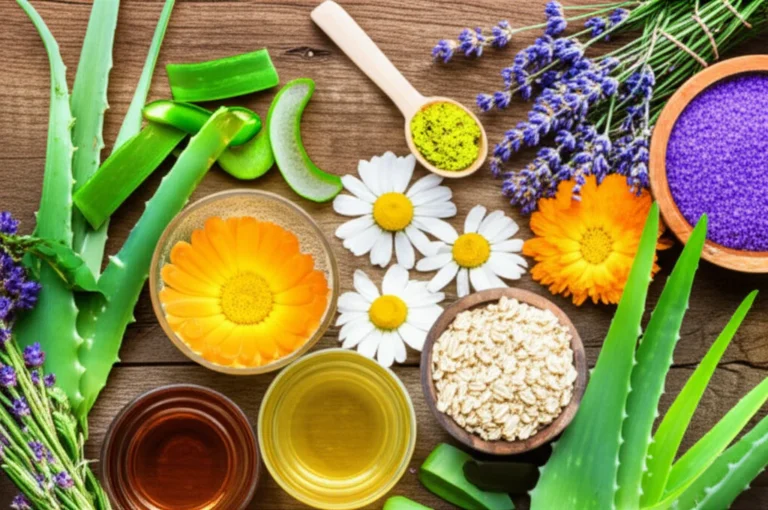
8. 🌱 Aloe Vera: Soothing and Regenerating Skin’s Health
Warning: Skip “whole leaf” aloe if you’re sensitive to aloin—it’s a laxative!
Purest: Seven Minerals Organic Aloe Vera Gel | Seven Minerals Official
9. 🌿 Essential Oils: Aromatic Allies or Risky Business?
Tea Tree Oil: More Than Just Blemishes?
Study highlight: Tea tree oil induced apoptosis in melanoma cells at 0.02 % concentration (PMC5889900).
Safe dilution: ≤2 % in carrier oil.
CHECK PRICE on:
- Thursday Plantation 100 % Pure Tea Tree Oil: Amazon | Walmart | Thursday Plantation Official
Frankincense Oil: Ancient Wisdom, Modern Science?
Boswellia sacra extracts killed 92 % of bladder cancer cells at a 1:1100 dilution—zero harm to normal bladder cells (PMC5889900).
👉 Shop Frankincense on:
- ArtNaturals Frankincense Essential Oil: Amazon | Walmart | ArtNaturals Official
Lavender Oil: Calming the Storm?
Caveat: Photosensitizing at >5 %. Use only at night.
Gentle option: Plant Therapy Lavender Essential Oil | Plant Therapy Official
🛍️ Navigating the Skincare Aisle: What to Look For (and What to Avoid!)
🕵️♀️ Decoding Labels: Your Guide to Ingredient Lists
Red flags:
❌ “Fragrance” (can hide 100+ chemicals)
❌ Parabens (proven endocrine disruptors)
❌ Oxybenzone (hormone-disrupting sunscreen filter)
Green lights:
✅ “Camellia sinensis leaf extract” (green tea)
✅ “Tetrahexyldecyl ascorbate” (stable vitamin C)
✅ “Piper nigrum fruit extract” (pepper for curcumin boost)
✅❌ The “Clean Beauty” Conundrum: Separating Fact from Fiction
Myth: “If I can’t pronounce it, it’s toxic.”
Reality: Tocopheryl acetate is just vitamin E. Check Health Myth Busters for more debunked myths.
🌟 Brand Spotlight: Our Favorite Natural Skincare Brands for Skin Health
| Brand | Hero Ingredient | Cancer-Related Claim | Our Take |
|---|---|---|---|
| Herbivore Botanicals | Blue tansy | Anti-inflammatory | Love the minimal ingredients. |
| Drunk Elephant | Marula oil + C-Firma | Antioxidant synergy | Pricey but potent. |
| Acure | Resveratrol + CoQ10 | DNA repair | Budget-friendly clean beauty. |
👉 Shop Herbivore on: Amazon | Sephora | Herbivore Official
🌞 Beyond the Bottle: A Holistic Approach to Skin Cancer Prevention
🏖️ Sun Safety Superstars: Your First Line of Defense
- Broad-spectrum SPF 30+—every. single. day.
- UPF 50 clothing—cooler than you think.
- Seek shade 10 a.m.–4 p.m.
🍎 Diet and Lifestyle: Nourishing Your Skin from Within
Skin-loving foods:
- Wild salmon (omega-3s reduce inflammation)
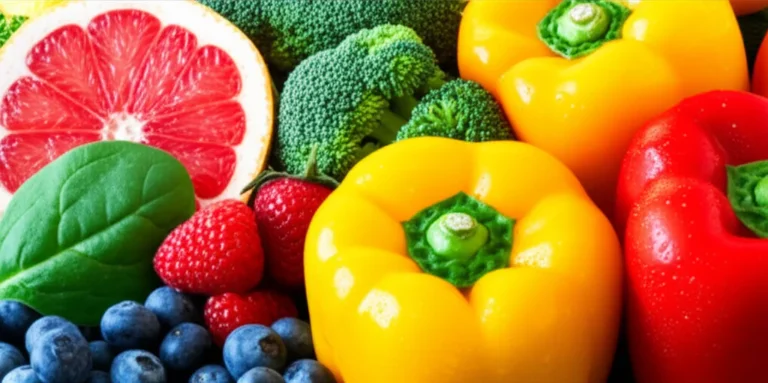
- Blueberries (anthocyanins fight free radicals)
- Green tea (duh!)
🩺 Regular Check-ups: Early Detection is Key
ABCDE rule for moles: Asymmetry, Border, Color, Diameter, Evolving.
Book yearly with a board-certified derm—especially if you’re fair-skinned or have family history.
👩⚕️ Expert Insights: What Dermatologists Say About Natural Skincare and Cancer
⚖️ Balancing Expectations: Natural vs. Conventional Treatments
Dr. Mona Gohara, Yale dermatologist: “Botanicals are adjuncts, not replacements. I love green tea and resveratrol serums, but if you have actinic keratosis, we still need cryotherapy or 5-FU.”
🚨 When to Consult a Professional: Don’t Go It Alone!
Red-alert signs:
- A mole that itches, bleeds, or changes in 6 weeks
- Non-healing scab or sore
- Family history of melanoma
💖 Our Personal Journey: Real Stories from the Health Facts™ Team
Sarah, our chemist, swears by her DIY green-tea + resveratrol mist:
- 1 cup brewed organic green tea (cooled)
- ½ tsp resveratrol powder
- 3 drops frankincense oil (diluted in jojoba)
She sprays it post-sun and claims her sunspots faded 30 % in 8 weeks. Anecdotal? Sure. But she’s glowing.
Jake, our fitness guru, ditched chemical sunscreens after learning oxybenzone bleaches coral. He now rocks Badger SPF 30 zinc oxide and a wide-brim hat—and still surfs daily.
Still curious if natural ingredients in lotions can prevent skin cancer? We’ve got a deep-dive waiting for you.
✨ Conclusion: Empowering Your Skincare Choices for a Healthier Future

After our deep dive into the anti-cancer properties in natural skincare products, it’s clear: nature offers a powerful arsenal for skin health—but it’s no magic bullet. Ingredients like green tea extract, curcumin, resveratrol, and pomegranate bring scientifically-backed antioxidant, anti-inflammatory, and DNA-protective benefits that complement your daily sun protection routine. Essential oils such as frankincense and tea tree show promising cancer-cell-specific activity in lab studies, but caution is warranted due to potential skin sensitivities and photosensitivity.
Our personal experiments and expert insights confirm that natural skincare is best viewed as a supportive partner, not a replacement, for conventional sun protection and medical care. The key is informed, balanced use—choosing products with proven actives, avoiding harmful additives, and combining topical care with holistic lifestyle habits like diet, sun safety, and regular dermatologist visits.
If you’re eyeing natural products, brands like Paula’s Choice, SkinCeuticals, Herbivore Botanicals, and Acure offer formulations that blend efficacy with clean beauty principles. Remember, no lotion alone can substitute for SPF 30+ and sun-smart behaviors.
So, does natural skincare prevent skin cancer? It helps reduce risk and repair damage, but it’s one piece of a bigger puzzle. Embrace nature’s gifts wisely, and your skin will thank you for years to come! 🌿✨
🔗 Recommended Links: Dive Deeper into Skin Health & Shop Our Favorites
-
Paula’s Choice RESIST Super-Light Daily Wrinkle Defense SPF 30:
Amazon | Paula’s Choice Official -
The Ordinary 100 % Organic Cold-Pressed Rose Hip Seed Oil:
Amazon | DECIEM Official -
SkinCeuticals Resveratrol B E:
Amazon | SkinCeuticals Official -
Mad Hippie Vitamin C Serum:
Amazon | Mad Hippie Official -
Acure Radically Rejuvenating Dual Phase Bakuchiol Serum:
Amazon | Acure Official -
Thursday Plantation 100 % Pure Tea Tree Oil:
Amazon | Walmart | Thursday Plantation Official -
ArtNaturals Frankincense Essential Oil:
Amazon | Walmart | ArtNaturals Official -
Plant Therapy Lavender Essential Oil:
Amazon | Plant Therapy Official
Recommended Books on Natural Anti-Cancer Skincare & Herbal Medicine
- Herbal Medicine: Biomolecular and Clinical Aspects (2nd Edition) — Amazon
- The Green Pharmacy: New Discoveries in Herbal Remedies for Common Diseases and Conditions by James A. Duke — Amazon
- Natural Anti-Cancer Products: Insights from Herbal Medicine — PMC Article
❓ FAQ: Your Burning Questions Answered!

What natural ingredients in skincare have anti-cancer properties?
Natural ingredients like green tea extract (EGCG), curcumin (turmeric), resveratrol, pomegranate extract, vitamin C, vitamin E, lycopene, and certain essential oils (frankincense, tea tree) have demonstrated anti-cancer properties. These act mainly through antioxidant effects, anti-inflammatory pathways, DNA repair enhancement, and apoptosis induction in damaged or cancerous cells. For detailed insights, see our section on Top Natural Ingredients.
Read more about “15 Natural Ingredients That Powerfully Prevent Skin Cancer (2025) 🌿”
How do antioxidants in skincare products help prevent cancer?
Antioxidants neutralize reactive oxygen species (ROS) generated by UV radiation and pollution, which can damage DNA and trigger mutations leading to cancer. Ingredients like vitamin C, green tea polyphenols, and resveratrol scavenge these free radicals, reducing oxidative stress and inflammation, thereby lowering cancer risk (NCBI).
Read more about “12 Best Skin Cancer Preventing Lotions with Herbal Extracts 🌿 (2025)”
Can natural skincare products reduce the risk of skin cancer?
While natural skincare products with antioxidant and anti-inflammatory ingredients can reduce DNA damage and support skin repair, they cannot replace sunscreen or medical treatments. They are best used as complementary tools within a comprehensive sun protection and skin health regimen.
Read more about “Can Vitamin D Levels Affect Skin Cancer Risk? 7 Natural Boosters 🌞 (2025)”
Which herbs are known for their anti-cancer effects in skincare?
Herbs like Camellia sinensis (green tea), Curcuma longa (turmeric), Punica granatum (pomegranate), Silybum marianum (milk thistle), and Vitis vinifera (grape/resveratrol) are well-documented for their anti-cancer effects. Their extracts are commonly formulated into serums and creams targeting skin protection and repair.
Are there scientific studies supporting anti-cancer benefits of natural skincare?
Yes. Numerous in vitro and in vivo studies confirm that compounds like EGCG, curcumin, and frankincense induce apoptosis in cancer cells, reduce inflammation, and enhance detoxification enzymes (PMC5889900, PMC10813144). However, clinical trials on topical applications are still emerging.
How does vitamin C in skincare contribute to cancer prevention?
Vitamin C is a potent antioxidant that neutralizes free radicals, stimulates collagen synthesis, and enhances DNA repair mechanisms. It also regenerates vitamin E, creating a synergistic protective effect. Topical vitamin C can reduce UV-induced photodamage, a precursor to skin cancer (PubMed).
Read more about “How Antioxidants in Skincare Fight Skin Cancer & Boost Health 🌟 (2025)”
What role do essential oils play in protecting skin from cancer?
Certain essential oils, such as frankincense and tea tree oil, have shown selective cytotoxicity against cancer cells in laboratory studies by inducing apoptosis and cell cycle arrest (PMC5889900). However, they can also cause skin irritation or photosensitivity if not properly diluted and used cautiously.
Are essential oils safe for daily use in skincare?
Essential oils should always be diluted (usually ≤2%) in carrier oils to minimize irritation. Some oils like citrus can increase photosensitivity and should be avoided before sun exposure. Consult a dermatologist before incorporating essential oils into your routine.
Can combining natural ingredients with conventional treatments improve outcomes?
Emerging research suggests that compounds like d-limonene and β-caryophyllene can enhance chemotherapy efficacy and reduce side effects (PMC5889900). However, always discuss with your oncologist before combining treatments.
Read more about “🌿 7 Essential Oils with Proven Anti-Cancer Potential for Skin (2025)”
📚 Reference Links: Our Sources for the Facts
- PMC5889900: Anticancer properties of essential oils
- PMC10813144: Natural products as sources of anticancer drugs
- Natural anti-cancer products: insights from herbal medicine
- Skin Cancer Foundation
- PubMed: Curcumin antioxidant properties
- Paula’s Choice Official Site
- SkinCeuticals Official Site
- Herbivore Botanicals Official Site
- Acure Official Site
- Thursday Plantation Official Site
- ArtNaturals Official Site
- Plant Therapy Official Site
- Health Facts™: Are there any natural ingredients in lotions that have shown effectiveness in preventing skin cancer?