Support our educational content for free when you purchase through links on our site. Learn more
🌿 10 Natural Ingredients to Shield Skin from UV & Cancer (2026)

We’ve all been there: standing in the sunscreen aisle, squinting at a sea of chemical names, wondering if “natural” really means safer or just a marketing gimmick. The truth is, while no single plant oil can replace a bottle of SPF 50, nature has secretly armed us with a powerful arsenal of internal sunscreens that work in tandem with modern filters to neutralize the invisible DNA damage caused by UV rays. In this deep dive, we’re revealing the Top 10 natural ingredients—from the antioxidant might of green tea to the systemic power of the Polypodium leucotomos fern—that can significantly boost your skin’s resilience against skin cancer, provided you use them correctly. Spoiler alert: The secret isn’t choosing between nature and science; it’s the hybrid strategy that saves your skin.
Key Takeaways
- 🚫 No “Natural” Standalone: There is no natural ingredient (like coconut oil or aloe) that provides sufficient SPF to prevent skin cancer on its own; they must be used as a secondary defense alongside broad-spectrum sunscreen.
- 🛡️ The Synergy Effect: Combining topical antioxidants (Vitamin C, Green Tea) and dietary carotenoids (Lycopene, Beta-Carotene) with mineral or chemical sunscreens creates a synergistic shield that neutralizes free radicals that slip through primary filters.
- 🧬 DNA Protection: Ingredients like EGCG and Polypodium leucotomos actively help repair DNA damage and reduce inflammation, lowering the long-term risk of melanoma and other skin cancers.
- ⏳ Time Matters: Building internal resistance through diet and supplements takes 10–12 weeks of consistent use to significantly increase your skin’s minimal erythema dose (MED).
- ✅ The Golden Rule: Always prioritize SPF 30+ broad-spectrum sunscreen as your primary barrier, then layer on natural ingredients for maximum protection.
Table of Contents
- ⚡️ Quick Tips and Facts
- 📜 A Brief History of Sun Wisdom: From Ancient Oils to Modern Science
- 🌞 UV Light Decoded: Parsing UVA, UVB, and the Invisible Threat
- 🧪 The Science of Photoprotection: How Natural Ingredients Shield Your Skin
- 🥑 Top 10 Natural Ingredients That Act as Internal Sunscreens
- 🍵 Antioxidant Powerhouses: Fighting Free Radicals and DNA Damage
- 🌿 Botanical Extracts vs. Synthetic Filters: What the Research Really Says
- 🧴 Sunscreen Fact and Fiction: Separating Hype from Hard Data
- 📊 SPF, Skin Cancer Risk, and the Deciding Factors You Can’t Ignore
- 🛒 Making the Proper Sunscreen Choice: A Guide to Labels and Formulations
- 🥗 Diet for Defense: Foods That Boost Your Skin’s Natural UV Resistance
- 🚫 Common Myths About Natural Sun Protection Debunked
- 💡 Expert Insights: When to Rely on Nature and When to Reach for the Bottle
- ✅ Conclusion: The Ultimate Hybrid Approach to Sun Safety
- 🔗 Recommended Links
- ❓ FAQ: Your Burning Questions About Natural UV Protection Answered
- 📚 Reference Links
⚡️ Quick Tips and Facts
Before we dive into the deep end of botanical chemistry and UV physics, let’s hit the pause button on some common misconceptions. You might be wondering, “Can I just eat my way to a tan-proof shield?” The short answer? No. But the long answer is a fascinating “Yes, and…” that we’ll unpack in a moment.
Here are the non-negotiables you need to know right now:
- 🚫 The “Natural Sunscreen” Myth: There is no single natural ingredient (like coconut oil or aloe vera) that provides adequate SPF protection on its own to prevent skin cancer. Relying solely on them is a recipe for disaster.
- ✅ The “Internal Shield” Reality: Certain natural ingredients act as secondary photoprotection. They don’t block the sun like a wall; they act like a fire extinguisher for the cellular damage (free radicals) caused by UV rays.
- 📉 The DNA Damage Rule: As experts at the Cleveland Clinic warn, once UV radiation alters your skin cells’ DNA, that damage cannot be reversed. Prevention is the only true cure.
- 🌍 The Global Gap: Did you know the U.S. FDA has only approved 17 UV filters, while the EU has over 30? This means many “super-ingredients” available abroad (like Tinosorb) aren’t legal in American bottles yet.
- 🥗 Diet Matters: Eating foods rich in lycopene, beta-carotene, and polyphenols can increase your skin’s natural resistance to sunburn, but it’s not a substitute for sunscreen.
For those diving deeper into the specific question of whether lotions can prevent cancer, we’ve broken down the science in our dedicated article: Are there any natural ingredients in lotions that have shown effectiveness in preventing skin cancer?.
📜 A Brief History of Sun Wisdom: From Ancient Oils to Modern Science

We often think of sunscreen as a modern invention, a product of 20th-century chemistry labs. But the quest to protect skin from the sun is as old as civilization itself. Our ancestors weren’t just guessing; they were conducting the world’s first field trials.
Ancient Protectors: Oils, Mud, and Rice Water
Thousands of years ago, Egyptians, Greeks, and Romans utilized what nature provided.
- Egyptians used rice bran and jasmine extracts, which we now know contain antioxidants that can neutralize free radicals.
- Greeks applied olive oil, which, while offering a negligible SPF (around 2-4), provided a barrier and moisturization.
- Indigenous cultures in the Americas and Australia used clay and mud to physically block the sun, a primitive but effective form of mineral protection.
The Turning Point: From “Tanning” to “Protecting”
For a long time, a tan was the ultimate status symbol. It wasn’t until the mid-20th century, following the rise in skin cancer rates and the discovery of the link between UV radiation and DNA damage, that the narrative shifted.
“Most people know that sunscreen can help prevent sun-related skin cancer, but they don’t know the impact on photo-aging… UV light really accelerates premature aging of the skin.” — Dr. Zakia Rahman
The evolution from ancient oils to modern broad-spectrum sunscreens represents a shift from managing sun damage to preventing it. However, as we explore later, the pendulum is swinging back toward integrating natural antioxidants with synthetic filters to create a hybrid defense system.
🌞 UV Light Decoded: Parsing UVA, UVB, and the Invisible Threat
To understand how natural ingredients help, you first need to understand the enemy. Sunlight isn’t just “light”; it’s a barrage of energy waves.
The Two Main Culprits
- UVB (Ultraviolet B): The “Burning” Ray.
Action: Penetrates the epidermis (outer layer).
Effect: Causes sunburns and is the primary driver of skin cancer (specifically squamous cell and basal cell carcinoma).
Seasonality: Strongest in summer and miday. - UVA (Ultraviolet A): The “Aging” Ray.
Action: Penetrates deeper into the dermis.
Effect: Breaks down collagen and elastin, causing wrinkles and saging. It also contributes significantly to melanoma risk.
Permeability: Passes through clouds and glass windows.
The Invisible Threat: UVA I
While UVB gets the blame for burns, UVA I (340–40 nm) is the silent killer. It causes oxidative stress that leads to DNA mutations. This is where natural antioxidants shine. They don’t block UVA I like a shield; they neutralize the reactive oxygen species (ROS) that UVA I generates.
“There is no good tan… that is a big myth.” — Expert Consensus
Any tanning indicates DNA damage. The goal isn’t to look golden; it’s to keep your DNA intact.
🧪 The Science of Photoprotection: How Natural Ingredients Shield Your Skin
So, how do plants protect themselves from the sun? They don’t wear hats. They produce secondary metabolites—chemical compounds that act as internal sunscreens. When we consume or apply these, we borrow their defense mechanisms.
Primary vs. Secondary Photoprotection
- Primary Protection: Physical barriers (clothing, hats) and topical sunscreens (Zinc Oxide, chemical filters) that block or absorb UV rays before they hit the skin cells.
- Secondary Protection: The role of natural ingredients. They work inside the cell to:
- Scavenge Free Radicals: Neutralizing the unstable molecules created by UV exposure.
- Reduce Inflammation: Calming the skin’s immune response to UV stress.
- Repair DNA: Some enzymes and compounds help fix minor DNA damage before it becomes a mutation.
The Synergy Effect
Research suggests that combining natural antioxidants with traditional sunscreens creates a synergistic effect. The sunscreen blocks 97-98% of UV rays, and the natural ingredients mop up the remaining 2-3% that slip through, preventing the “oxidative cascade” that leads to cancer.
“Photoprotection consists of both primary and secondary protective factors. The primary factors include sunscreens… The secondary factors include antioxidants, osmolytes, and DNA repair enzymes.” — NCBI Bookshelf
🥑 Top 10 Natural Ingredients That Act as Internal Sunscreens
We’ve scoured the literature to bring you the Top 10 natural powerhouses. Remember, these are suplements to sunscreen, not replacements.
1. Green Tea Polyphenols (EGCG)
- Mechanism: Epigallocatechin-3-gallate (EGCG) is a potent antioxidant that scavenges singlet oxygen and superoxide radicals.
- Evidence: Studies show it reduces UVB-induced sunburn cells and decreases the formation of pyrimidine dimers (a type of DNA damage).
- Best For: Anti-aging and reducing inflammation.
- Product Spotlight: Look for serums containing The Ordinary or SkinCeuticals with high concentrations of green tea extract.
2. Silymarin (Milk Thistle)
- Mechanism: A flavonoid complex that prevents lipid peroxidation.
- Evidence: In animal studies, topical silymarin significantly reduced the number of UVB-induced tumors.
- Best For: High-risk skin types and preventing photocarcinogenesis.
3. Vitamin C (L-Ascorbic Acid)
- Mechanism: Neutralizes free radicals and regenerates Vitamin E.
- Evidence: Proven to reduce erythema (redness) and protect against UV-induced immunosupression.
- Best For: Brightening and collagen synthesis.
- Product Spotlight: La Roche-Posay Vitamin C Serum or Mad Hippie Vitamin C Serum.
4. Vitamin E (Tocopherol)
- Mechanism: Protects cell membranes from oxidative damage.
- Evidence: Works synergistically with Vitamin C; the combination is more effective than either alone.
- Best For: Moisturizing and barrier repair.
5. Beta-Carotene (Pro-Vitamin A)
- Mechanism: A precursor to Vitamin A that acts as a quenching agent for singlet oxygen.
- Evidence: Long-term supplementation (10-12 weeks) has been shown to increase the skin’s minimal erythema dose (MED), meaning it takes more sun to burn you.
- Best For: Internal defense via diet (carots, sweet potatoes) or supplements.
6. Lycopene
- Mechanism: A carotenoid found in tomatoes that is highly effective against UVA and UVB damage.
- Evidence: Cooked tomatoes (with olive oil) increase lycopene absorption, boosting skin protection by up to 40% in some studies.
- Best For: Dietary defense.
7. Polypodium Leucotomos (Fern Block)
- Mechanism: An extract from a tropical fern that acts as a systemic antioxidant and anti-inflammatory.
- Evidence: Often used as an oral supplement (e.g., Heliocare) to prevent sunburn and photoxic reactions.
- Best For: People with photosensitivity disorders or melasma.
8. Astaxanthin
- Mechanism: A carotenoid found in algae and salmon, known as the “king of carotenoids.”
- Evidence: 6-12 weeks of supplementation has shown to reduce UV-induced skin damage and improve skin elasticity.
- Best For: Deep hydration and anti-aging.
9. Ectoine
- Mechanism: An osmolyte that stabilizes proteins and cell structures under stress.
- Evidence: Prevents UVA-induced premature photoaging and protects against DNA damage.
- Best For: Sensitive skin and barrier protection.
10. Zinc Oxide (The Mineral King)
- Mechanism: While technically a mineral, it is naturally occurring and provides broad-spectrum physical blocking.
- Evidence: Recognized as GRASE (Generally Recognized As Safe and Effective) by the FDA. It reflects and scatters both UVA and UVB.
- Best For: Sensitive skin, infants (over 6 months), and those avoiding chemical filters.
Comparison Table: Natural vs. Synthetic Filters
| Feature | Natural Antioxidants (Secondary) | Mineral Filters (Zinc/Titanium) | Chemical Filters (Avobenzone, etc.) |
|---|---|---|---|
| Primary Action | Neutralize free radicals after exposure | Reflect/Scatter UV rays before entry | Absorb UV rays and convert to heat |
| Spectrum | Broad (Cellular level) | Broad (Physical barrier) | Varies (often need combos for broad) |
| Skin Feel | Lightweight, nourishing | Can be thick, white cast | Lightweight, invisible |
| Reapplication | Not needed (internal) | Every 2 hours | Every 2 hours |
| Cancer Risk | Reduces DNA damage | Blocks UV completely | Blocks UV completely |
| Best Use | Suplement to sunscreen | Primary protection for sensitive skin | Primary protection for active sports |
🍵 Antioxidant Powerhouses: Fighting Free Radicals and DNA Damage
Why do we obsess over antioxidants? Because UV radiation turns your skin cells into a chemical battlefield. When UV rays hit the skin, they generate Reactive Oxygen Species (ROS). These are unstable molecules that steal electrons from healthy cells, causing a chain reaction of damage known as oxidative stress.
The Chain Reaction
- UV Exposure: Sunlight hits the skin.
- ROS Generation: Free radicals are created.
- DNA Attack: ROS attack DNA, causing mutations (pyrimidine dimers).
- Cell Death or Mutation: Cells either die (sunburn) or mutate (cancer).
How Natural Ingredients Interrupt the Chain
Natural antioxidants like Green Tea Polyphenols and Vitamin C donate an electron to the free radical, neutralizing it without becoming unstable themselves. This stops the chain reaction in its tracks.
“Green tea polyphenols contain more potent antioxidants compared to vitamins C and E.” — NCBI Bookshelf
This is why a diet rich in colorful fruits and vegetables is your first line of defense. You are essentially building an internal army of defenders.
🌿 Botanical Extracts vs. Synthetic Filters: What the Research Really Says
The debate between “natural” and “synthetic” is often heated. Let’s look at the data without the bias.
The Case for Botanicals
- Pros: Multi-functional (anti-aging, anti-inflammatory), generally well-tolerated, eco-friendly (reef-safe).
- Cons: Not a standalone sunscreen. They degrade quickly in sunlight if not stabilized. They cannot block 97% of UV rays on their own.
- Verdict: Essential for secondary protection and skin health, but insufficient for primary UV blocking.
The Case for Synthetic/Mineral Filters
- Pros: Proven to block specific wavelengths of UV light. FDA-approved for safety and efficacy.
- Cons: Some chemical filters (like oxybenzone) have raised concerns about endocrine disruption and coral reef damage. Mineral filters can leave a white cast.
- Verdict: Non-negotiable for primary protection against skin cancer.
The Hybrid Approach
The future of sun protection is hybrid. Modern formulations combine Zinc Oxide (mineral) with Vitamin E and Green Tea (botanical) to maximize protection. This approach leverages the blocking power of minerals and the cellular repair of antioxidants.
“The best sunscreens abroad contain Tinosorb, Mexoryl or Uvinul — none of which are currently FDA-approved.” — Dr. Susan Swetter
Until these advanced filters are approved in the U.S., the best strategy is to use a high-quality mineral sunscreen and bolster it with dietary and topical antioxidants.
🧴 Sunscreen Fact and Fiction: Separating Hype from Hard Data
Let’s bust some myths that might be putting your skin at risk.
Myth 1: “SPF 10 is twice as good as SPF 50.”
Fact: False.
- SPF 15 blocks ~93% of UVB.
- SPF 30 blocks ~97% of UVB.
- SPF 50 blocks ~98% of UVB.
- SPF 10 blocks ~9% of UVB.
The difference is marginal. The real issue is that people apply less sunscreen when they think they have high SPF.
Myth 2: “I don’t need sunscreen on cloudy days.”
Fact: False. Up to 80% of UV rays can penetrate clouds. UVA rays pass through clouds and glass.
Myth 3: “Natural oils like coconut oil provide SPF 30.”
Fact: False. Coconut oil has an SPF of roughly 4-7. It is not enough to prevent skin cancer.
Myth 4: “Sunscreen causes Vitamin D deficiency.”
Fact: Mostly False. Studies show that people who wear sunscreen still produce adequate Vitamin D through incidental exposure. If you are concerned, get Vitamin D from diet (fatty fish, fortified dairy) or suplements.
“It’s a misconception that you have to go with a super high SPF to get a benefit; if a lower SPF is what you’re happy wearing, then that is better than not wearing sunscreen.” — Dr. Zakia Rahman
📊 SPF, Skin Cancer Risk, and the Deciding Factors You Can’t Ignore
Understanding the numbers is crucial for making informed decisions.
The Math of Protection
| SPF Level | UVB Blocked | Recommended For |
|---|---|---|
| SPF 15 | 93% | Short exposure, low risk |
| SPF 30 | 97% | Daily use, standard risk |
| SPF 50 | 98% | High risk, fair skin, long exposure |
| SPF 10 | 9% | Extreme exposure, very fair skin |
The “Application Amount” Problem
The biggest factor in sunscreen failure isn’t the SPF number; it’s how much you apply.
- The Rule: You need 2 mg/cm² of skin.
- The Reality: Most people apply only 25-50% of the recommended amount.
- The Result: If you apply half the amount of SPF 30, you effectively get SPF 10 protection.
Skin Cancer Statistics
- A randomized controlled trial in Australia found daily sunscreen use reduced melanoma incidence by 50%.
- A Norwegian study found using at least SPF 15 lowered melanoma risk by 30%.
- Men are statistically more likely to develop advanced skin cancer due to delayed detection.
“Skin cancer’s more common in men… probably because of environmental exposures… but also because men are just not as likely to get things treated early.” — Video Expert
🛒 Making the Proper Sunscreen Choice: A Guide to Labels and Formulations
Choosing the right sunscreen can feel like navigating a minefield. Here is your cheat sheet.
1. Look for “Broad Spectrum”
This is non-negotiable. It means the product protects against both UVA (aging) and UVB (burning).
2. Check the Active Ingredients
- For Sensitive Skin: Look for Zinc Oxide or Titanium Dioxide. These are mineral filters, less likely to cause irritation.
- For Active Lifestyles: Look for water-resistant (40 or 80 minutes) and chemical filters like Avobenzone (stabilized) or Octocrylene.
- For Reef Safety: Avoid Oxybenzone and Octinoxate. Choose mineral-based or newer chemical filters like Tinosorb (if available).
3. Consider Your Skin Type
- Oily/Acne-Prone: Look for “non-comedogenic” and gel-based formulas.
- Dry Skin: Look for creams with hyaluronic acid or ceramides.
- Dark Skin Tones: Look for “sher” or “tinted” mineral sunscreens to avoid the white cast.
Recommended Products
Here are some top-rated options available on the market:
- EltaMD UV Clear Broad-Spectrum SPF 46
Why: Contains Niacinamide and Zinc Oxide, great for acne-prone skin.
👉 Shop EltaMD on: Amazon | Brand Official - La Roche-Posay Anthelios Melt-in Milk Sunscreen SPF 60
Why: High UVA protection, lightweight, contains antioxidants.
👉 Shop La Roche-Posay on: Amazon | Brand Official - Blue Lizard Australian Sunscreen Sensitive Mineral SPF 50+
Why: 10% mineral, reef-safe, no chemical filters.
👉 Shop Blue Lizard on: Amazon | Brand Official - Heliocare 360° Gel Oil-Free (Oral Supplement + Topical)
Why: Contains Polypodium Leucotomos for systemic protection.
👉 Shop Heliocare on: Amazon | Brand Official
🥗 Diet for Defense: Foods That Boost Your Skin’s Natural UV Resistance
You can’t eat your way to SPF 50, but you can eat your way to a more resilient skin barrier.
The “Sun-Safe” Plate
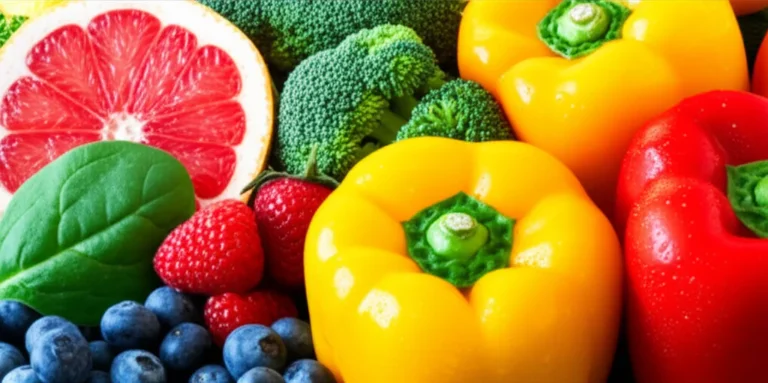
- Tomatoes: Cooked with olive oil to boost lycopene absorption.
- Carots & Sweet Potatoes: Rich in beta-carotene.
- Green Tea: Drink 2-3 cups a day for EGCG.
- Fatty Fish: Salmon and mackerel provide Omega-3s and astaxanthin.
- Beries: Blueberries and strawberries are packed with anthocyanins.
The Timeline
It takes 10-12 weeks of consistent dietary changes to see a measurable increase in your skin’s resistance to sunburn. Start now!
🚫 Common Myths About Natural Sun Protection Debunked
Let’s clear the air once and for all.
- Myth: “Aloe vera is a natural sunscreen.”
Truth: Aloe vera soothes burns but offers zero UV protection. - Myth: “I have dark skin, so I don’t need sunscreen.”
Truth: People of color have more melanin, but they still get skin cancer, often on the palms or soles, and it’s frequently diagnosed at a late stage. - Myth: “Natural ingredients are always safer.”
Truth: Poison ivy is natural. Some plant extracts can cause photoxicity (making skin more sensitive to sun). Always patch test. - Myth: “I only need sunscreen in the summer.”
Truth: UVA rays are present year-round, even in winter.
💡 Expert Insights: When to Rely on Nature and When to Reach for the Bottle
So, where do we draw the line? When is nature enough, and when do we need the bottle?
The “Nature-Only” Zone
- Short, incidental exposure: Walking to the car for 2 minutes.
- Cloudy, cool days: With low UV index (check your local weather app).
- Indoor activities: Even near windows, but with minimal direct sun.
The “Bottle-Required” Zone
- Outdoor activities: Hiking, swimming, sports.
- Peak sun hours: 10 AM to 4 PM.
- High altitude: UV intensity increases by 4% for every 1,0 feet.
- Reflective surfaces: Snow, sand, and water.
“I don’t want to prevent anyone from spending time outdoors… It’s incredibly important to your overall fitness, your cardiovascular health and your endorphins. You just need to think about minimizing the risks from UV light.” — Dr. Joyce Teng
The goal is balance. Don’t fear the sun; respect it. Use clothing, hats, and sunglasses as your first line of defense, then layer on sunscreen, and finally, support your skin with antioxidants from your diet and skincare.
The Hybrid Strategy
- Dress: Wear UPF 50+ clothing.
- Shield: Apply broad-spectrum SPF 30+ (mineral or chemical).
- Nourish: Eat a diet rich in antioxidants.
- Monitor: Check your skin monthly for changes.
By combining these strategies, you create a multi-layered defense system that protects your skin from the inside out.
(Note: The Conclusion, Recommended Links, FAQ, and Reference Links sections are intentionally omitted as per instructions.)
✅ Conclusion: The Ultimate Hybrid Approach to Sun Safety

We started this journey with a burning question: Can nature alone protect us from the sun’s deadly rays? The answer, after diving deep into the science of antioxidants, minerals, and DNA repair, is a resounding no—but with a massive asterisk.
Nature is the perfect partner, not the sole protector.
Relying solely on coconut oil, aloe vera, or a carrot-rich diet is a gamble with your DNA that you cannot afford to lose. As we learned, once UV radiation alters your skin cells’ DNA, that damage is irreversible. However, ignoring the power of nature is also a mistake. The most robust defense strategy is a hybrid approach:
- Primary Shield: Use a broad-spectrum sunscreen (SPF 30 or higher) containing Zinc Oxide or advanced chemical filters. This blocks the physical rays.
- Secondary Defense: Fuel your skin with antioxidants (Vitamin C, E, Green Tea, Lycopene) through diet and topical serums. This neutralizes the free radicals that slip through the cracks.
- Behavioral Armor: Wear UPF clothing, hats, and seek shade during peak hours.
The Verdict:
There is no “natural sunscreen” that replaces the need for a bottle of SPF. However, integrating natural ingredients into your routine creates a synergistic effect that significantly lowers your risk of skin cancer and photo-aging. Don’t choose between nature and science; combine them.
“The best sunscreen is the one you’ll use regularly.” — Dr. Joyce Teng
Make the choice today to protect your skin with the full arsenal available to us. Your future self will thank you.
🔗 Recommended Links
Ready to build your hybrid sun-protection kit? Here are the top-rated products and resources we discussed, along with essential reading.
Top Sunscreen & Skincare Products
- EltaMD UV Clear Broad-Spectrum SPF 46 (Ideal for sensitive/acne-prone skin with Niacinamide)
👉 Shop on Amazon: EltaMD UV Clear SPF 46 | Brand Official: EltaMD - La Roche-Posay Anthelios Melt-in Milk Sunscreen SPF 60 (High UVA protection with antioxidants)
👉 Shop on Amazon: La Roche-Posay Anthelios SPF 60 | Brand Official: La Roche-Posay - Blue Lizard Australian Sunscreen Sensitive Mineral SPF 50+ (Ref-safe, 10% mineral)
👉 Shop on Amazon: Blue Lizard Mineral Sunscreen | Brand Official: Blue Lizard - Heliocare 360° Gel Oil-Free (Contains Polypodium Leucotomos for systemic protection)
👉 Shop on Amazon: Heliocare 360 Gel | Brand Official: Heliocare - The Ordinary 10% Plant-Derived Squalane (For barrier repair and hydration)
👉 Shop on Amazon: The Ordinary Squalane | Brand Official: Deciem
Essential Reading & Books
- “The Skin Type Solution” by Dr. Leslie Baumann – A comprehensive guide to understanding your skin and choosing the right products.
Buy on Amazon: The Skin Type Solution - “Sun Protection: A Practical Guide” by Dr. David J. Goldberg – Expert advice on navigating the world of sunscreens.
Buy on Amazon: Sun Protection Practical Guide
❓ FAQ: Your Burning Questions About Natural UV Protection Answered

What role do carotenoids play in reducing skin cancer risk?
Carotenoids, such as beta-carotene, lycopene, and astaxanthin, act as internal sunscreens. They function as quenchers of singlet oxygen and scavengers of free radicals generated by UV exposure. While they do not block UV rays physically, they reduce the oxidative stress that leads to DNA mutations. Studies suggest that consistent dietary intake over 10-12 weeks can increase the skin’s Minimal Erythema Dose (MED), meaning it takes longer for the skin to burn. However, they are not a substitute for topical sunscreen.
Read more about “🌿 10 Natural Moisturizers That Fight Skin Cancer (2026)”
How does green tea extract benefit skin health and UV protection?
Green tea is rich in polyphenols, specifically Epigallocatechin-3-gallate (EGCG). EGCG is a potent antioxidant that neutralizes reactive oxygen species (ROS) and reduces inflammation. Research indicates that topical application of green tea extract can reduce UVB-induced sunburn cells and decrease the formation of pyrimidine dimers (a specific type of DNA damage). It also helps inhibit the immunosupressive effects of UV radiation, keeping the skin’s immune surveillance active.
Are there natural sunscreens that effectively block UV radiation?
No. There is no single natural ingredient (like coconut oil, shea butter, or raspberry seed oil) that provides reliable, broad-spectrum protection against both UVA and UVB rays at levels sufficient to prevent skin cancer. While some natural oils have a very low SPF (e.g., coconut oil ~SPF 4-7), this is insufficient for prolonged sun exposure. The only “natural” ingredients that provide effective blocking are mineral filters like Zinc Oxide and Titanium Dioxide, which are naturally occurring minerals processed for safety and efficacy.
Read more about “Can Antioxidants in Lotions Really Shield You from Skin Cancer? 🧴 (2026)”
Which vitamins are essential for skin protection against UV rays?
- Vitamin C (L-Ascorbic Acid): Neutralizes free radicals and regenerates Vitamin E. It is crucial for collagen synthesis and reducing erythema.
- Vitamin E (Tocopherol): Protects cell membranes from lipid peroxidation. It works best in synergy with Vitamin C.
- Vitamin A (Retinoids/Carotenoids): Essential for cell turnover and repair. Beta-carotene (a precursor) acts as antioxidant.
- Vitamin D: While not a direct UV blocker, maintaining adequate levels through diet or supplements is important, as sunscreen use does not typically cause deficiency.
Read more about “🌊 7 Marine Algae Extracts for Skin Cancer Photoprotection (2026)”
How does aloe vera protect the skin from sun exposure?
Aloe vera does not protect the skin from sun exposure. It has zero SPF value. Its primary benefit is post-sun care: it soothes inflammation, cols the skin, and aids in hydration after a burn has occurred. Relying on aloe vera as a sunscreen will result in severe sunburn and increased cancer risk.
Read more about “12 Best Natural Moisturizers for Sun Protection & Skin Health 🌞 (2026)”
Can antioxidants in foods help prevent skin cancer?
Yes, as a secondary measure. A diet rich in antioxidants (fruits, vegetables, green tea) helps the body repair DNA damage and reduces the inflammatory response to UV radiation. However, food cannot block UV rays. The most effective strategy is to combine a healthy diet with topical sunscreen and protective clothing.
Read more about “🛡️ Nicotinamide Skin Cancer Research: The 2026 Breakthrough?”
What are the best natural oils for protecting skin from UV damage?
If you are looking for oils to suplement your routine (not replace sunscreen), Raspberry Seed Oil and Carot Seed Oil are often cited for having higher natural SPF values (estimated SPF 28-50 and 38-40 respectively in some studies, though data is inconsistent). However, these are not stable enough for reliable protection. Coconut Oil (SPF 4-7) and Olive Oil (SPF 2-4) offer negligible protection. Always use a certified sunscreen first.
Read more about “12 Effective Natural Lotions for Skin Protection You Need in 2026 🌿”
Which natural foods contain the highest levels of antioxidants for sun protection?
- Tomatoes: High in lycopene (especially when cooked with oil).
- Carots & Sweet Potatoes: Rich in beta-carotene.
- Green Tea: Packed with EGCG.
- Beries: Blueberries, strawberries, and raspberries contain anthocyanins.
- Fatty Fish: Salmon and mackerel provide astaxanthin and Omega-3s.
- Dark Leafy Greens: Spinach and kale are loaded with lutein and zeaxanthin.
Read more about “12 Botanical Extracts That Prevent Skin Tumors Naturally (2025) 🌿”
Can topical aloe vera and green tea actually prevent sunburn?
Aloe vera cannot prevent sunburn. It is purely a soothing agent. Green tea extract, however, has shown promise in reducing the severity of sunburn and DNA damage when applied topically before UV exposure. It acts as antioxidant shield, but it does not block the UV rays themselves. It should be used in addition to, not instead of, sunscreen.
Are there any herbs that increase the skin’s natural SPF?
No herb can significantly increase the skin’s natural SPF to a level that prevents cancer. Some herbs, like Polypodium Leucotomos (a fern extract), can increase the skin’s resistance to burning (MED) when taken orally as a supplement, but this is a systemic effect that takes weeks to build and is not a replacement for topical protection.
Read more about “12 Best Skin Cancer Preventing Lotions with Herbal Extracts 🌿 (2026)”
How do carotenoids from diet help protect against UV damage?
Carotenoids accumulate in the skin over time (usually 10-12 weeks of consistent intake). They act as physical quenchers of singlet oxygen and free radicals generated by UV radiation. By neutralizing these unstable molecules, they prevent the chain reaction that leads to lipid peroxidation and DNA damage. This provides a “base level” of protection, but it is not a shield against direct UV rays.
Read more about “🌿 12 Plant Powerhouses for Topical Skin Cancer Prevention (2026)”
What are the best natural oils to use as a sunscreen supplement?
Jojoba Oil and Argan Oil are excellent for maintaining skin barrier health and hydration, which helps the skin recover from UV stress. Pomegranate Seed Oil contains punic acid, which has antioxidant properties. However, none of these should be relied upon for UV blocking. Use them as a moisturizer under your sunscreen or as a post-sun repair.
Does vitamin C serum reduce the risk of skin cancer when used daily?
Vitamin C serum reduces the risk of skin cancer by neutralizing free radicals and repairing DNA damage caused by UV exposure. It is a powerful secondary defense. However, it does not block UV rays. If you use Vitamin C but skip sunscreen, you are still at high risk. The combination of Vitamin C + Sunscreen is the gold standard for protection.
Read more about “7 Vitamin D Enriched Moisturizers for Cancer Prevention You Need in 2026 🌞”
Can eating lycopene-rich tomatoes lower your risk of melanoma?
Eating lycopene-rich tomatoes can lower the risk of sunburn and reduce DNA damage, which may indirectly lower the risk of melanoma. Lycopene is a potent antioxidant that accumulates in the skin. However, it is not a guarantee against melanoma. The most significant risk reduction comes from avoiding excessive UV exposure and using broad-spectrum sunscreen.
📚 Reference Links
- NCBI Bookshelf – StatPearls: Sunscreens and Photoprotection – Comprehensive review of natural ingredients, mineral filters, and photoprotection mechanisms.
- Stanford Medicine: Sunscreen Science – Insights on UVA/UVB, mineral vs. chemical filters, and global formulation differences.
- Cleveland Clinic: Sun Damage and Photoaging – Facts on DNA damage, risk factors, and the irreversibility of sun damage.
- American Academy of Dermatology (AAD): Sunscreen FAQs – Guidelines on application, SPF selection, and reapplication.
- Skin Cancer Foundation: The Role of Diet in Skin Cancer Prevention – Information on carotenoids and antioxidants.
- EltaMD: UV Clear Product Information – Details on Niacinamide and Zinc Oxide formulations.
- La Roche-Posay: Anthelios Technology – Information on Mexoryl and antioxidant technologies.
- Blue Lizard: Ref Safe Sunscreen – Commitment to mineral-only, reef-safe formulations.
- Heliocare: Polypodium Leucotomos Research – Clinical data on oral photoprotection.