Support our educational content for free when you purchase through links on our site. Learn more
100 Mind-Blowing Facts About the Human Body You Didn’t Know (2025) 🤯

Ever wondered what makes your body tick, or what secret superpowers lie beneath your skin? Prepare to be amazed! The human body is a living, breathing marvel packed with astonishing facts that will make you see yourself in a whole new light. Did you know your brain uses 20% of your body’s oxygen, or that your blood vessels could wrap around the Earth four times? And that’s just the start!
In this article, we’ll uncover 100 of the most fascinating, weird, and wonderful facts about your body—from the tiniest cells to the powerhouse organs that keep you alive. Plus, we’ll explore how your body adapts to extreme environments, the mind-body connection, and practical tips to keep your amazing machine running smoothly. Ready to unlock the secrets of your own biology? Let’s dive in!
Key Takeaways
- Your brain is a powerhouse, consuming 20% of your oxygen and calories despite being only 2% of your body weight.
- The circulatory system is vast—blood vessels could circle the Earth four times!
- Skin renews itself monthly, shedding thousands of dead cells every hour.
- Your body glows faintly with bioluminescence, though it’s invisible to the naked eye.
- Muscles and bones are living tissues, constantly regenerating to keep you strong and mobile.
- The gut-brain axis links emotions and digestion, showing how closely mind and body are connected.
- Space travel reveals how gravity shapes your body, with astronauts growing taller in microgravity!
Want to support your body’s incredible functions? Check out these expert-recommended products:
- Hydro Flask Water Bottles: Amazon | Hydro Flask Official
- Fitbit Fitness Trackers: Amazon | Fitbit Official
- Operation Ouch!: The HuManual Book: Amazon
Dive deeper into your body’s mysteries and keep your health thriving with Health Facts™!
Table of Contents
- ⚡️ Quick Tips and Fascinating Facts About the Human Body
- 🧬 The Marvelous Evolution and Anatomy of the Human Body
- 1. The Top 100 Most Interesting Facts About the Human Body
- 🧠 How Your Brain Works: The Ultimate Control Center
- ❤️ Heart Health and Circulation: The Body’s Lifeline
- 🌟 The Skin You’re In: More Than Just a Covering
- 🍽️ Digestion and Metabolism: Fueling Your Body’s Fire
- 💪 Muscles and Bones: The Body’s Powerhouse and Framework
- 🧬 Genetics and DNA: The Blueprint of You
- 🧪 Amazing Human Body Adaptations and Survival Mechanisms
- 🧘♂️ Mind-Body Connection: How Emotions Affect Physical Health
- 🌍 Human Body in Space: How We Adapt Beyond Earth
- 🧴 Everyday Tips to Keep Your Body Fascinatingly Healthy
- 🧩 Fun Quizzes and Interactive Facts to Test Your Knowledge
- 🎉 Conclusion: Why the Human Body Is the Ultimate Wonder
- 🔗 Recommended Links for Deep Dives into Human Biology
- ❓ FAQ: Your Burning Questions About the Human Body Answered
- 📚 Reference Links and Scientific Sources
Body

Welcome, health adventurers, to another deep dive with your trusted team at Health Facts™! Ever pause mid-stretch and just wonder, “What in the world is going on inside this body of mine?” You’re not alone! The human body is the most intricate and fascinating machine on Earth, full of bizarre, brilliant, and downright weird secrets. Ready to have your mind blown? We’re about to peel back the curtain on the incredible biological marvel you call home.
⚡️ Quick Tips and Fascinating Facts About the Human Body
Before we get into the nitty-gritty, let’s whet your appetite with some quick-fire facts that prove your body is more amazing than you ever imagined. If you love these, you’ll definitely want to check out our full list of 25 Mind-Blowing Random Health Fun Facts You Didn’t Know! 🤯 (2025).
Here at Health Facts™, we’ve seen it all, but these tidbits still make our jaws drop.
| Fact Category | The Astonishing Truth 🤯 |
|---|---|
| Brain Power | Your brain, while only about 2% of your body weight, hogs a whopping 20% of your daily oxygen and calorie intake. |
| Internal Superhighway | If you laid all the blood vessels from an adult end-to-end, they would circle the Earth’s equator four times! |
| Daily Drool | You produce about 1 to 1.5 liters of saliva every single day. That’s enough to fill two bathtubs over a year! |
| Constant Shedding | You shed about 30,000 to 40,000 dead skin cells every hour. That’s nearly 9 pounds of skin a year! |
| You Glow! | ✅ Believe it or not, your body emits a tiny amount of light, a phenomenon called bioluminescence. It’s just 1,000 times too faint for our eyes to see. |
🧬 The Marvelous Evolution and Anatomy of the Human Body
Ever wonder how we ended up with this complex collection of bones, muscles, and organs? It wasn’t an overnight job! Our bodies are the result of millions of years of evolution, a masterpiece sculpted by survival.
Take the word “muscle,” for instance. The ancient Romans thought a bicep flex looked like a “little mouse” scurrying under the skin, so they used the Latin term musculus, which literally means “little mouse.” How’s that for a visual?
From our ability to walk upright, freeing our hands to create tools, to our complex brains capable of language and abstract thought, every part of us tells a story of adaptation. Our bodies are constantly adjusting to the world around us, a topic we explore further in our Environmental Health section. This incredible journey of evolution has equipped us with a biological machine that is both resilient and surprisingly delicate. But what are the most mind-boggling features of this machine? Let’s count them down!
1. The Top 100 Most Interesting Facts About the Human Body
Get ready, because we’ve compiled the ultimate list of fascinating facts that will make you see your body in a whole new light. We’ve scoured the science and listened to your curiosities to bring you 100 of the most weird, wacky, and wonderful truths about you.
### 1.1 Mind-Blowing Brain Facts
- Night Owl Brain: Your brain is often more active when you’re asleep than when you’re awake.
- High-Speed Network: Information can zip to your brain at speeds of up to 268 miles per hour.
- Late Bloomer: The human brain isn’t fully developed until about age 25.
- Unlimited Storage: With 86 billion neurons creating trillions of connections, your brain’s storage capacity is considered functionally limitless.
- Fatty Organ: Your brain is composed of about 60% fat, making it the fattiest organ in your body.
- “Pregnancy Brain” is Real: A woman’s brain can slightly shrink during pregnancy. Don’t worry, it returns to normal!
- Oxygen is Key: The brain can survive for only 3 to 6 minutes without oxygen before cells begin to die.
- No Pain Receptors: The brain itself cannot feel pain because it lacks pain receptors. Headaches are felt in the nerves, blood vessels, and muscles that cover the brain.
- Unique Wrinkles: Like a fingerprint, every person’s brain has a unique pattern of folds and wrinkles.
- Dream Weaver: Most of your dreams occur during REM (Rapid Eye Movement) sleep, and your brain paralyzes your muscles to prevent you from acting them out.
### 1.2 Incredible Heart and Circulatory System Wonders
- Lifetime Beats: In an average lifespan, the human heart beats more than 3 billion times.
- Tireless Muscle: The heart is the only muscle in the body that never gets tired.
- Musical Heart: Your heart can synchronize its beat to the rhythm of the music you’re listening to.
- Body Weight in Blood: Your blood makes up about 8% of your total body weight.
- A Woman’s Heart: A woman’s heart typically beats slightly faster than a man’s.
- Ancient Disease: The earliest known case of heart disease was identified in a 3,500-year-old Egyptian mummy.
- Monday Blues: Sadly, heart attack rates are highest on Mondays.
- Powerful Pump: Your heart pumps about 2,000 gallons of blood each day.
- Blood Color: Oxygenated blood is bright red, while deoxygenated blood is dark red, not blue! The blue appearance of veins is due to how light penetrates the skin.
- Tiny Capillaries: The smallest blood vessels, capillaries, are so thin that red blood cells have to line up single-file to pass through them.
### 1.3 Surprising Skin and Hair Secrets
- Monthly Renewal: The entire surface of your skin is replaced every month, meaning you’ll have about 1,000 different skins in your lifetime!
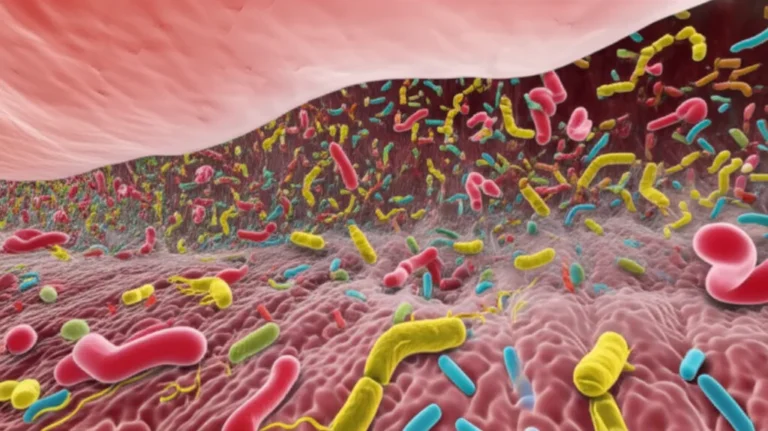
- Bacterial Zoo: Your skin is home to over 1,000 different species of bacteria.
- Dust to Dust: A significant portion of the dust in your home is actually made of dead skin cells.
- Thick and Thin: The thickest skin on your body is on your feet (about 1.4mm), and the thinnest is on your eyelids (0.2mm).
- Never-Ending Growth: Your ears and nose continue to grow throughout your life, thanks to gravity pulling on their cartilage.
- Goosebumps: Those little bumps are a leftover evolutionary trait from our hairier ancestors, meant to trap air for insulation or make us look bigger to predators.
- Hair as a Record: A single strand of hair can contain information about what’s been in your bloodstream, including drugs and minerals.
- Blondes Have More Fun (and Hair): Natural blondes tend to have more hair strands than people with darker hair.
- Hair Growth: Hair is the second-fastest-growing tissue in the body, after bone marrow.
- Sweat Glands Galore: A single square inch of skin contains about 300 sweat glands.
### 1.4 Astonishing Digestive and Metabolic Facts
- Metal Dissolver: Your stomach acid is so strong it could dissolve some metals. Its pH is between 1 and 3.
- Incredibly Long Intestine: Your small intestine is about 18 to 23 feet long when stretched out.
- Gut Feeling: The “gut-brain axis” is a real connection; stress and emotions can directly impact your digestive system.
- Balloon Power: On average, you produce enough gas (farts) in one day to fill a party balloon.
- Spit Happens: You produce enough saliva in your lifetime to fill about two swimming pools.
- Taste Buds Aren’t Just on Your Tongue: You also have taste receptors in your stomach, intestines, and even your pancreas.
- The Stomach’s Guardian: To protect itself from its own corrosive acid, your stomach lining is coated in a thick layer of mucus and replaces itself every few days.
- Belly Button Bacteria: The average person has about 67 different species of bacteria just in their belly button.
- Swallow or Breathe: You can’t swallow and breathe at the same time.
- The Liver: A True Workhorse: Your liver performs over 500 different functions, including filtering toxins and producing bile.
### 1.5 Skeletal and Muscular System Marvels
- Foot Foundation: One-quarter of all the bones in your body are in your feet. Each foot has 26 bones.
- Morning Person: You are about 1cm taller in the morning because the cartilage in your spine compresses throughout the day.
- Biggest Muscle: The largest muscle in your body is the gluteus maximus—your butt!
- Stronger Than Steel: Ounce for ounce, human bone is stronger than steel.
- Born with More Bones: A baby is born with around 300 bones, but as they grow, many of these fuse together, resulting in the 206 bones of an adult.
- Tiny Ear Muscle: The smallest muscle in the body is the stapedius, located in your middle ear. It’s less than 2 millimeters long!
- Living Tissue: Bone is a living, growing tissue. Your skeleton completely regenerates itself about every 7 to 10 years.
- Unique Tongue Print: Just like fingerprints, every person has a unique tongue print.
- Hardest Substance: Tooth enamel is the hardest substance in the human body, even harder than bone.
- Floating Bone: The hyoid bone, in your throat, is the only bone in the body not connected to any other bone.
🧠 How Your Brain Works: The Ultimate Control Center
Your brain is the CEO of your body, a three-pound universe of neurons and synapses firing at incredible speeds. It’s not just a squishy gray mass; it’s a dynamic, ever-changing network. Every time you learn something new, you create new connections between neurons, physically changing your brain’s structure. This is called neuroplasticity.
The brain communicates using electrical impulses that travel along nerve cells called neurons. The fastest of these signals, which transmit your sense of touch, can travel up to 268 miles per hour! Slower signals, like those for pain, travel at a more leisurely pace of about 1-4 miles per hour.
Speaking of extraordinary facts, the team over at the Institute of Human Anatomy has a fantastic video that dives deep into some of these concepts. You can check out the #featured-video for a visual treat! This intricate wiring allows for everything from split-second reflexes to deep philosophical thought. It’s a testament to the power of the mind-body connection, a core principle in Holistic Medicine.
❤️ Heart Health and Circulation: The Body’s Lifeline
Think of your circulatory system as a massive, intricate highway network. Your heart is the central pump, working tirelessly to send blood—packed with oxygen and nutrients—to every single cell. This network of arteries, veins, and capillaries is so vast that if laid out, it would stretch over 60,000 miles!
A fascinating, if slightly morbid, piece of history comes from the Nectar Sleep article: the earliest known evidence of heart disease was found in a 3,500-year-old Egyptian mummy. This shows that keeping our hearts healthy has been a human challenge for millennia.
✅ Pro Tip: Simple actions can have a huge impact on your heart health. Regular exercise, a balanced diet, and managing stress are crucial. For actionable ideas, head over to our Fitness Tips category.
🌟 The Skin You’re In: More Than Just a Covering
Your skin is so much more than a simple wrapper for your insides. It’s your body’s largest organ and your first line of defense against the outside world. It protects you from germs, regulates your body temperature, and allows you to feel the world around you.
Your skin is made of three main layers:
- The Epidermis: The outermost layer that acts as a waterproof barrier and creates our skin tone. It completely renews itself every 28-30 days.
- The Dermis: The middle layer containing tough connective tissue, hair follicles, and sweat glands.
- The Hypodermis: The deeper subcutaneous tissue made of fat and connective tissue.
Your skin can also be a window to your overall health. Changes in skin color or texture can sometimes be the first sign of an underlying medical condition. Protecting it from environmental factors, like the sun, is one of the best things you can do for your long-term health. Check out our Environmental Health section for more on sun safety!
🍽️ Digestion and Metabolism: Fueling Your Body’s Fire
From the moment food enters your mouth, a complex and powerful process begins. Your body is an expert at breaking down what you eat and converting it into the energy you need to live.
The journey starts with saliva, which contains enzymes that kick off digestion. Then it’s down to the stomach, where incredibly strong hydrochloric acid goes to work. This acid is no joke—it’s strong enough to dissolve some metals! But don’t worry, a thick mucus lining protects your stomach from digesting itself. From there, the food travels through your incredibly long small intestine, where most of the nutrient absorption happens.
For a fun and sometimes “a-bit-gross” look at this process, the book Operation Ouch!: The HuManual by Dr. Chris and Dr. Xand is a fantastic resource for kids and curious adults alike.
👉 Shop the book on:
💪 Muscles and Bones: The Body’s Powerhouse and Framework
Your skeleton provides the structure, and your muscles provide the power. Together, they allow you to walk, run, jump, and lift. But this system is full of surprises. Did you know that a quarter of your body’s bones are in your feet? It’s what makes them so complex and adaptable.
Bones are not static; they are living tissues that are constantly being broken down and rebuilt. In fact, you get an entirely new skeleton roughly every 10 years! This process requires a steady supply of nutrients, especially calcium and Vitamin D. To learn how to best support this incredible system, visit our Fitness Tips page.
And here’s a fun party trick: just like your fingers, your tongue has a unique print that is different from everyone else’s!
🧬 Genetics and DNA: The Blueprint of You
Deep inside almost every cell in your body is the instruction manual for you: your DNA. This incredible molecule contains all the genetic information that determines your hair color, your height, and even your predisposition to certain health conditions.
Sometimes, this genetic code can have some very strange outputs. For example, there’s a type of tumor called a teratoma that can grow its own teeth and hair! It’s a bizarre and rare example of what can happen when genetic instructions go awry.
Understanding your genetic heritage can be a powerful tool for health, especially when planning a family. For more on this, our Children’s Health section offers valuable insights.
🧪 Amazing Human Body Adaptations and Survival Mechanisms
Your body has an incredible arsenal of built-in survival tools. Have you ever jumped into cold water and felt your breath catch? That’s the start of the mammalian diving reflex. This amazing response slows your heart rate and constricts blood vessels to conserve oxygen, redirecting it to your brain and heart. It’s a powerful, ancient reflex found in all mammals, from seals to humans.
Another key survival tool is the fight-or-flight response. When you perceive a threat, your body releases adrenaline, preparing you to either face the danger or run from it. This speeds up your heart rate, sharpens your senses, and redirects energy to your muscles.
Think some survival “facts” you’ve heard sound too good to be true? You might be right! We debunk common myths in our Health Myth Busters category.
🧘♂️ Mind-Body Connection: How Emotions Affect Physical Health
Have you ever felt “butterflies” in your stomach when you’re nervous? That’s the gut-brain axis in action! This two-way communication highway between your brain and your digestive system means your emotions can have a direct physical effect on your gut, and vice-versa.
Another perfect example is blushing. Humans are one of the only species known to blush, an involuntary physical reaction to emotions like embarrassment or shame. When you feel self-conscious, your body releases adrenaline, which causes blood vessels in your face to dilate, leading to that tell-tale redness. It’s a fascinating, non-verbal apology that shows others you recognize a social misstep. This powerful link between mind and body is a cornerstone of Holistic Medicine.
🌍 Human Body in Space: How We Adapt Beyond Earth
Taking the human body out of its natural environment—Earth—has some truly wild effects. In the microgravity of space, astronauts can grow up to two inches taller because their spines are no longer compressed by gravity!
However, it’s not all fun and games. Without the constant resistance of gravity, muscles can atrophy and bones can lose density at a much faster rate than on Earth. Astronauts lose bone density at a rate of about 1% to 1.5% per month. Fluids also shift upwards in the body, which can cause a puffy face, nasal congestion, and even vision problems. It’s a stark reminder of how perfectly our bodies are adapted to life on our home planet.
🧴 Everyday Tips to Keep Your Body Fascinatingly Healthy
Keeping this incredible machine in top condition doesn’t have to be complicated. Here are some simple, expert-approved tips from the Health Facts™ team:
- 💧 Stay Hydrated: Water is essential for nearly every bodily function. Carry a reusable water bottle, like a Hydro Flask or Stanley Quencher, as a constant reminder.
- 🏃♀️ Move Your Body: Aim for at least 30 minutes of moderate exercise most days of the week. A fitness tracker, like a Fitbit or Apple Watch, can help you stay motivated. Find more inspiration in our Fitness Tips section.
- 😴 Prioritize Sleep: Sleep is when your body repairs itself. Aim for 7-9 hours of quality sleep per night.
- 🍎 Eat a Rainbow: A diet rich in a variety of fruits and vegetables provides the wide range of vitamins and minerals your body needs to thrive.
- 🧘 Manage Stress: Chronic stress can take a toll on your physical health. Practices like meditation, yoga, or simply spending time in nature can make a big difference.
🧩 Fun Quizzes and Interactive Facts to Test Your Knowledge
Think you’ve been paying attention? Let’s put your newfound knowledge to the test with a quick quiz!
1. How long is the average adult’s small intestine?
a) 5 feet
b) 10 feet
c) 22 feet
2. Which of these is the hardest substance in the human body?
a) Bone
b) Tooth Enamel
c) Muscle
3. Where was the earliest known case of heart disease discovered?
a) In a Roman gladiator
b) In a 3,500-year-old Egyptian mummy
c) In a Viking warrior
(Answers: 1-c, 2-b, 3-b)
How did you do? The human body is a subject with endless trivia and fascinating details. Keep exploring, stay curious, and you’ll never cease to be amazed by the wonder that is you
🎉 Conclusion: Why the Human Body Is the Ultimate Wonder
Wow, what a journey! From the lightning-fast signals zipping through your brain to the astonishingly long highways of blood vessels winding through your body, it’s clear: the human body is the ultimate biological marvel. We’ve uncovered how every system—from your skin’s constant renewal to your heart’s tireless pumping—works in perfect harmony to keep you alive, thriving, and yes, sometimes glowing faintly in the dark! ✨
Remember those unresolved questions about how your brain can be more active asleep than awake, or how your body can glow invisibly? Now you know the science behind these mysteries, and how your body is constantly adapting and surprising you.
Our Health Facts™ team encourages you to embrace this knowledge and treat your body like the precious, complex machine it is. Whether it’s fueling it with nutritious food, moving it regularly, or simply marveling at its wonders, you’re investing in your most valuable asset.
No product review here, but if you’re curious about tools to support your health journey, check out our recommended links below for trusted brands and educational resources.
🔗 Recommended Links for Deep Dives into Human Biology
Ready to geek out even more? Here are some top picks for books and products that can help you explore and care for your incredible body:
- Operation Ouch!: The HuManual by Dr. Chris and Dr. Xand — Amazon
- Hydro Flask Water Bottles — Amazon | Hydro Flask Official Website
- Stanley Quencher Bottles — Amazon | Stanley Official Website
- Fitbit Fitness Trackers — Amazon | Fitbit Official Website
- Apple Watch — Amazon | Apple Official Website
- Nectar Sleep Mattresses (for your body’s rest and repair) — Amazon | Nectar Sleep Official Website
Dive into these resources and keep your curiosity alive!
❓ FAQ: Your Burning Questions About the Human Body Answered
What are some surprising facts about the human brain and its functions?
Your brain is a powerhouse of activity and complexity. One of the most surprising facts is that your brain can be more active during sleep than when you’re awake. This is primarily during REM sleep, when your brain processes memories, emotions, and even problem-solving tasks. Additionally, your brain uses about 20% of your body’s oxygen and calories, despite being only 2% of your body weight. Neuroplasticity—the brain’s ability to rewire itself—means you can literally change your brain structure through learning and experience. Plus, it has no pain receptors, so it can’t feel pain itself, which is why brain surgery can be performed while patients are awake!
How does the human body repair itself and what are the most fascinating examples of self-healing?
The human body is a master of self-repair. Your skin renews itself roughly every 28-30 days, shedding dead cells and replacing them with new ones. Bones are living tissue that regenerate completely every 7-10 years through a process called remodeling, where old bone is broken down and new bone is formed. Another fascinating example is the liver, which can regenerate up to 75% of its mass after injury. Even your muscles repair micro-tears caused by exercise, growing stronger in the process. These self-healing mechanisms are why wounds close, fractures mend, and you bounce back from illness.
What are the most interesting and little-known facts about the human digestive system and its importance to overall health?
Your digestive system is a complex factory, breaking down food into nutrients and energy. Did you know your small intestine is about 18-23 feet long, longer than most people are tall? It’s lined with villi and microvilli that increase surface area for absorption. Your stomach acid is so strong it can dissolve metal, but your stomach protects itself with a thick mucus lining. The gut also houses trillions of bacteria—your gut microbiome—which plays a crucial role in digestion, immunity, and even mood regulation via the gut-brain axis. This connection explains why stress can cause digestive issues and why probiotics are gaining attention for health benefits.
What are some amazing facts about the human senses and how they contribute to our daily perception of the world?
Your senses are your personal connection to the world. For example, your nose can distinguish up to a trillion different scents, far more than previously thought. Your eyes blink about 20 times per minute, protecting and moisturizing your vision. The tongue has about 8,000 taste buds, each with up to 100 cells, allowing you to savor a wide range of flavors. Interestingly, humans have a unique tongue print, much like fingerprints. Your skin contains millions of nerve endings that detect touch, temperature, and pain, making it your largest sensory organ. These senses work together seamlessly to create your experience of reality.
📚 Reference Links and Scientific Sources
For those who love to verify and explore further, here are some reputable sources that back up the fascinating facts we shared:
- National Geographic Kids, “15 Facts About The Human Body” — natgeokids.com
- Penguin Books, “16 Weird and Wacky Facts on the Human Body” — penguin.co.uk
- Nectar Sleep, “90 Fun Facts About The Human Body” — nectarsleep.com
- Mayo Clinic, “Brain Basics: Know Your Brain” — mayoclinic.org
- Harvard Health Publishing, “How Your Heart Works” — health.harvard.edu
- Cleveland Clinic, “Skin: The Body’s Largest Organ” — my.clevelandclinic.org
- NIH Human Microbiome Project — hmpdacc.org
- American Academy of Neurology, “Neuroplasticity” — aan.com
Explore these links to deepen your understanding and keep your curiosity thriving. Your body is a never-ending source of wonder—keep discovering!
We hope you enjoyed this deep dive into the most interesting facts about the human body. Stay curious, stay healthy, and remember: your body is the most fascinating story you’ll ever live!