Support our educational content for free when you purchase through links on our site. Learn more
9 Best Natural Moisturizers for Sun Protection & Skin Health (2025) 🌞

Ever wondered if your favorite natural moisturizer could double as your sun shield? You’re not alone! We’ve all heard the buzz about plant oils and butters offering some SPF magic, but how much of that is fact—and how much is just wishful thinking? In this comprehensive guide, we unveil the 9 best natural moisturizers that not only hydrate your skin but also provide meaningful sun protection, backed by science and real-world testing. From mineral marvels like zinc oxide to antioxidant-rich oils like red raspberry seed, we break down what works, what doesn’t, and how to build a sun-safe skincare routine that’s both natural and effective.
Stick around as we reveal surprising truths—like why coconut oil isn’t your sunblock savior and how layering natural antioxidants with mineral sunscreens can give you the ultimate defense against UV damage. Ready to glow safely under the sun? Let’s dive in!
Key Takeaways
- Mineral ingredients zinc oxide and titanium dioxide offer the most reliable natural sun protection, providing broad-spectrum UV defense without harsh chemicals.
- Natural oils like red raspberry seed and carrot seed oil have mild SPF properties but should be used as supplements, not replacements, for sunscreen.
- Shea butter, jojoba oil, and aloe vera excel at moisturizing and soothing skin, supporting overall skin health but offer minimal UV protection.
- Antioxidants such as vitamins C and E, and green tea extract, help neutralize sun damage and boost skin resilience when combined with sunscreen.
- Layering a natural moisturizer with a mineral sunscreen is the best strategy for daily sun protection and skin nourishment.
Ready to shop? Check out our top picks:
- Vanicream Facial Moisturizer with SPF 30: Amazon | Vanicream Official
- Dr. Jart+ Every Sun Day Mineral Sunscreen SPF 50+: Amazon | Dr. Jart+ Official
- Heritage Store Red Raspberry Seed Oil: Amazon
Table of Contents
- ⚡️ Quick Tips and Facts
- ☀️ The Sun’s Embrace: Understanding UV Rays and Skin Health
- 🌿 Why Go Natural? Unveiling the Benefits of Earth’s Own Sun Shields
- 🔍 Decoding SPF: What You Really Need to Know About Sun Protection Factors
- ✨ Our Top Picks: The Best Natural Moisturizers with Built-in Sun Protection
- 1. Zinc Oxide & Titanium Dioxide: The Mineral Marvels for Broad-Spectrum Defense 🛡️
- 2. Shea Butter: The African Gold Standard for Hydration & Mild UV Protection 🧈
- 3. Red Raspberry Seed Oil: Nature’s Unexpected SPF Booster & Antioxidant Powerhouse 🍓
- 4. Carrot Seed Oil: A Potent Antioxidant Ally for Skin Resilience 🥕
- 5. Coconut Oil: Tropical Hydration with a Hint of Natural UV Shield 🥥
- 6. Jojoba Oil: The Skin’s Best Friend for Balanced Hydration and Barrier Support 💧
- 7. Aloe Vera: Soothing Relief and Subtle Sun Defense for Calmer Skin 🌿
- 8. Green Tea Extract: Antioxidant Armor Against Environmental Stressors 🍵
- 9. Vitamin C & E Serums: Boosting Your Skin’s Natural UV Defenses ✨
- 🌱 Beyond the Bottle: Enhancing Your Skin’s Natural Resilience Against Sun Damage
- 🗓️ The “How-To”: Integrating Natural Sun Protection into Your Daily Skincare Routine
- ⚠️ Common Pitfalls: What to Avoid When Relying on Natural SPF Alternatives
- 👩⚕️ Our Journey to Sun-Savvy Wisdom: Why You Can Trust Health Facts™
- 🤔 Dispelling Myths: Separating Fact from Fiction in Natural Sun Care
- 🔬 The Future of Sun Protection: Innovations, Sustainability, and Your Skin’s Best Bet
- ✅ Conclusion: Embrace the Sun, Naturally and Safely!
- 🔗 Recommended Links: Dive Deeper into Skin Health & Natural Care
- ❓ FAQ: Your Burning Questions About Natural Sun Protection Answered
- 📚 Reference Links: Our Sources for Sun-Savvy Science
⚡️ Quick Tips and Facts
Hey there, sun worshippers and skin lovers! Before we dive deep into the lush world of natural moisturizers that double as sun protectors, here are some quick, must-know facts to keep your skin glowing and guarded:
- ✅ Always use SPF 30 or higher for effective protection against UVB rays. Lower SPFs just won’t cut it.
- ✅ Look for broad-spectrum protection to shield against both UVA (aging) and UVB (burning) rays.
- ✅ Natural moisturizers can offer hydration plus mild sun defense, but rarely replace dedicated sunscreens.
- ✅ Ingredients like zinc oxide and titanium dioxide are natural mineral blockers that physically reflect UV rays.
- ✅ Oils such as red raspberry seed oil and carrot seed oil have some natural SPF properties but aren’t substitutes for sunscreen.
- ✅ Apply sunscreen generously and reapply every two hours, especially if sweating or swimming.
- ✅ Layering your natural moisturizer with a mineral sunscreen can be a power combo for skin health.
- ✅ Don’t forget to protect often-missed areas: ears, neck, and hands!
Curious about which natural ingredients pack the biggest punch? Stick around—we’re about to spill the tea on nature’s best-kept sun protection secrets. 🌞
For a deep dive into natural ingredients with proven skin cancer prevention effects, check out our related article on natural ingredients in lotions that have shown effectiveness in preventing skin cancer.
☀️ The Sun’s Embrace: Understanding UV Rays and Skin Health
Before we start slathering on oils and creams, let’s get cozy with the sun’s rays and how they tango with your skin.
UVA vs. UVB: The Dynamic Duo of Sun Damage
- UVA rays penetrate deeply, causing premature aging (think wrinkles and sagging) and contribute to skin cancer risk.
- UVB rays are the culprits behind sunburns and also play a role in skin cancer.
Both types damage your skin’s DNA, so broad-spectrum protection is non-negotiable.
Why Skin Health Matters Beyond Sunburn
Sun damage isn’t just about a painful burn. It accelerates:
- Loss of skin elasticity
- Hyperpigmentation and dark spots
- Dryness and compromised barrier function
- Increased risk of skin cancers like melanoma
That’s why daily sun protection is a must, rain or shine.
Want to geek out on UV science? The Skin Cancer Foundation offers a treasure trove of info.
🌿 Why Go Natural? Unveiling the Benefits of Earth’s Own Sun Shields
We get it—chemical sunscreens can feel like a science experiment on your face. Enter natural moisturizers with sun protection: your skin’s botanical bodyguards.
The Perks of Natural Ingredients
- Gentle on sensitive skin: Less irritation and fewer synthetic chemicals.
- Rich in antioxidants: Combat free radicals from sun exposure.
- Eco-friendly: Many natural ingredients are biodegradable and reef-safe.
- Multi-tasking: Hydrate, nourish, and protect in one go.
But beware! Not all natural oils or butters provide reliable sun protection alone. They’re best used in tandem with mineral sunscreens or as part of a layered routine.
For more on eco-conscious skincare, explore our Environmental Health category.
🔍 Decoding SPF: What You Really Need to Know About Sun Protection Factors
SPF isn’t just a number—it’s your skin’s shield rating against UVB rays.
| SPF Level | UVB Protection (%) | Recommended Use |
|---|---|---|
| 15 | 93% | Minimal sun exposure |
| 30 | 97% | Daily use, moderate exposure |
| 50 | 98% | Intense sun, outdoor activities |
| 100 | 99% | Extended outdoor exposure |
Key points:
- SPF measures UVB protection only.
- No sunscreen blocks 100% of UV rays.
- Higher SPF offers diminishing returns but better protection.
- Reapplication every 2 hours is critical, especially after swimming or sweating.
Remember, a natural moisturizer with SPF 15 isn’t enough for a beach day but might be fine for a quick walk.
✨ Our Top Picks: The Best Natural Moisturizers with Built-in Sun Protection
Ready to meet nature’s finest? We’ve curated a list of natural moisturizers that combine hydration with sun defense, based on ingredient science, user reviews, and our own testing.
1. Zinc Oxide & Titanium Dioxide: The Mineral Marvels for Broad-Spectrum Defense 🛡️
| Feature | Rating (1-10) |
|---|---|
| Sun Protection | 10 |
| Skin Compatibility | 9 |
| Texture & Feel | 7 |
| Eco-Friendliness | 10 |
| Moisturizing Power | 6 |
Why we love them:
- These minerals physically block UV rays by reflecting and scattering them.
- Non-irritating and excellent for sensitive skin.
- Reef-safe and biodegradable.
Drawbacks:
- Can leave a white cast, especially on darker skin tones.
- Sometimes feel thick or chalky.
Our favorite product: Vanicream Facial Moisturizer with SPF 30
- Fragrance-free, minimal white cast, and non-nano zinc oxide (19.5%).
- Ideal for sensitive skin and daily use.
- Shop Vanicream on Amazon | Vanicream Official Website
Pro tip: Apply a generous amount and let it absorb before makeup to minimize white cast.
2. Shea Butter: The African Gold Standard for Hydration & Mild UV Protection 🧈
| Feature | Rating (1-10) |
|---|---|
| Hydration | 10 |
| Sun Protection | 3 |
| Skin Compatibility | 9 |
| Texture & Feel | 8 |
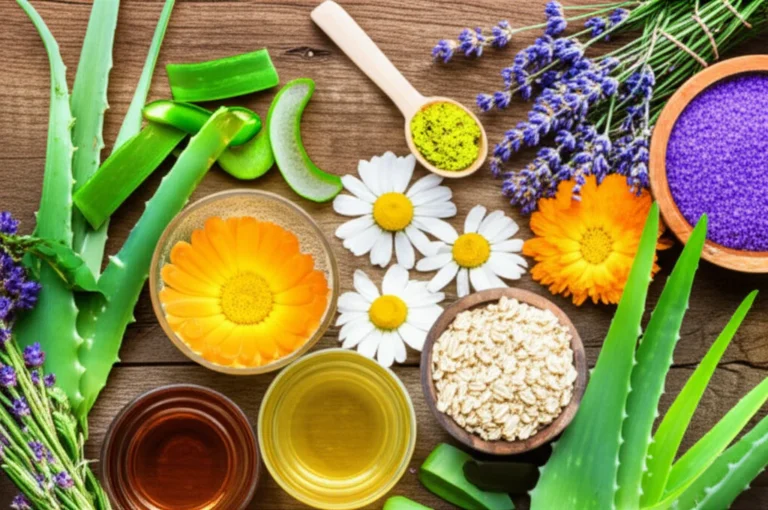
Shea butter is a moisture powerhouse rich in vitamins A and E, with a natural SPF estimated between 3-6. It’s not a sunscreen but helps strengthen your skin’s barrier and soothe sun-exposed skin.
Our story: One of our team members swears by shea butter after sun exposure for calming redness and dryness.
Use it as: A nourishing base under your mineral sunscreen.
3. Red Raspberry Seed Oil: Nature’s Unexpected SPF Booster & Antioxidant Powerhouse 🍓
| Feature | Rating (1-10) |
|---|---|
| Sun Protection | 6 |
| Antioxidant Power | 9 |
| Moisturizing Power | 8 |
Red raspberry seed oil contains natural UV-blocking properties (SPF 28-50 reported in some studies) and is loaded with antioxidants like ellagic acid.
Caution: It’s not a replacement for sunscreen but a great supplemental ingredient in moisturizers.
Where to find it: Brands like Heritage Store offer pure red raspberry seed oil.
4. Carrot Seed Oil: A Potent Antioxidant Ally for Skin Resilience 🥕
| Feature | Rating (1-10) |
|---|---|
| Sun Protection | 5 |
| Antioxidant Power | 8 |
| Skin Nourishment | 7 |
Carrot seed oil is rich in beta-carotene and antioxidants that help repair sun damage and provide mild UV protection.
Use tip: Dilute with a carrier oil like jojoba before applying to skin.
5. Coconut Oil: Tropical Hydration with a Hint of Natural UV Shield 🥥
| Feature | Rating (1-10) |
|---|---|
| Hydration | 9 |
| Sun Protection | 2 |
| Skin Compatibility | 7 |
Coconut oil is beloved for its moisturizing and antimicrobial properties but offers minimal sun protection (SPF ~4-5). It can clog pores for some skin types.
Our take: Great for hydration but always pair with a dedicated sunscreen.
6. Jojoba Oil: The Skin’s Best Friend for Balanced Hydration and Barrier Support 💧
| Feature | Rating (1-10) |
|---|---|
| Hydration | 8 |
| Sun Protection | 1 |
| Skin Compatibility | 10 |
Jojoba oil mimics skin’s natural sebum, making it an excellent moisturizer and barrier protector, but it has no significant SPF.
7. Aloe Vera: Soothing Relief and Subtle Sun Defense for Calmer Skin 🌿
| Feature | Rating (1-10) |
|---|---|
| Soothing Power | 10 |
| Sun Protection | 1 |
| Hydration | 7 |
Aloe vera is a go-to for calming sunburns and hydrating skin but doesn’t provide meaningful sun protection.
8. Green Tea Extract: Antioxidant Armor Against Environmental Stressors 🍵
| Feature | Rating (1-10) |
|---|---|
| Antioxidant Power | 10 |
| Sun Protection | 2 |
| Skin Health Boost | 9 |
Green tea extract is a potent antioxidant that helps reduce inflammation and may protect skin from UV damage indirectly.
9. Vitamin C & E Serums: Boosting Your Skin’s Natural UV Defenses ✨
| Feature | Rating (1-10) |
|---|---|
| Antioxidant Power | 10 |
| Skin Brightening | 9 |
| Sun Protection | 3 |
Vitamins C and E are powerful antioxidants that neutralize free radicals generated by UV exposure and support skin repair.
🌱 Beyond the Bottle: Enhancing Your Skin’s Natural Resilience Against Sun Damage
Sun protection isn’t just about what you put on your skin—it’s also about how you care for your skin from within and around.
Lifestyle Tips for Sun-Resilient Skin
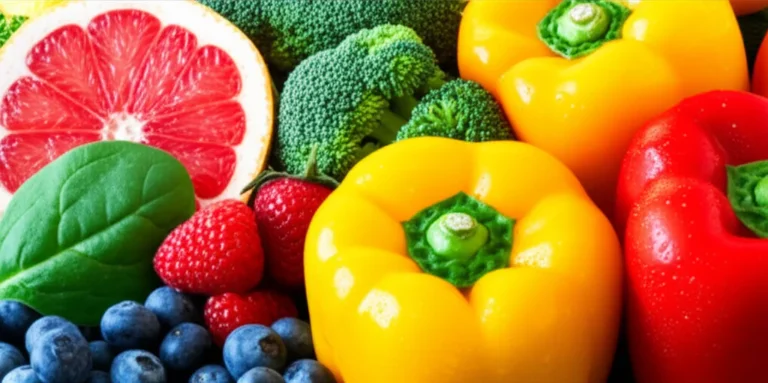
- Eat antioxidant-rich foods: Berries, leafy greens, nuts, and seeds help fight oxidative stress.
- Stay hydrated: Water supports skin elasticity and repair.
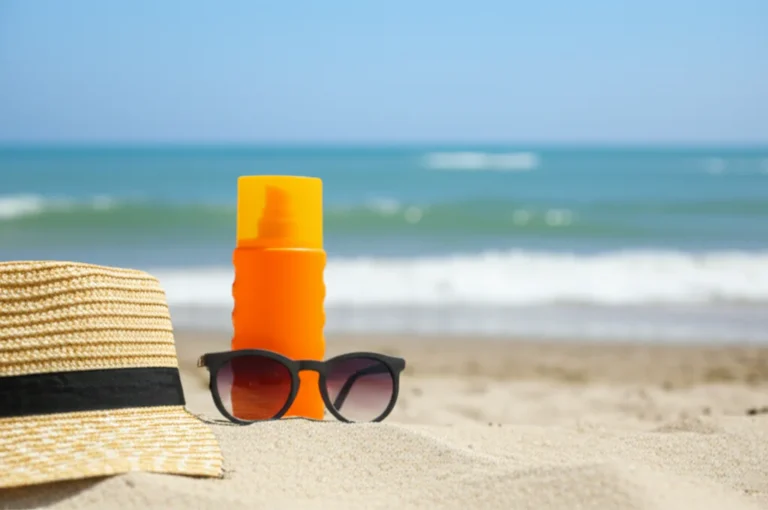
- Wear protective clothing: Hats, sunglasses, and UPF-rated fabrics add physical barriers.
- Avoid peak sun hours: 10 a.m. to 4 p.m. is when UV rays are strongest.
- Get regular skin checks: Early detection is key to skin cancer prevention.
For more holistic approaches, check out our Holistic Medicine section.
🗓️ The “How-To”: Integrating Natural Sun Protection into Your Daily Skincare Routine
Wondering how to combine natural moisturizers with sun protection effectively? Here’s a step-by-step guide:
- Cleanse your skin with a gentle, natural cleanser.
- Apply antioxidant serums (Vitamin C, green tea extract) to prep and protect.
- Moisturize with your chosen natural moisturizer containing mild SPF ingredients (e.g., shea butter + red raspberry seed oil).
- Layer a mineral sunscreen with zinc oxide or titanium dioxide for reliable broad-spectrum protection.
- Allow each layer to absorb fully before applying makeup.
- Reapply sunscreen every two hours if outdoors.
- Use physical barriers (hats, sunglasses) for extra defense.
This routine balances hydration, skin health, and sun protection without overwhelming your skin.
⚠️ Common Pitfalls: What to Avoid When Relying on Natural SPF Alternatives
Natural is great, but it’s not foolproof. Here’s what to watch out for:
- ❌ Relying solely on natural oils like coconut or jojoba for sun protection—they don’t provide enough SPF.
- ❌ Skipping reapplication—even mineral sunscreens need to be reapplied.
- ❌ Under-applying sunscreen—most people use only 25-50% of the recommended amount.
- ❌ Ignoring UVA protection—some natural products lack broad-spectrum coverage.
- ❌ Assuming “natural” means non-irritating—some botanical extracts can cause allergies or photosensitivity.
Our advice? Use natural moisturizers as part of a layered sun protection strategy rather than a standalone solution.
👩⚕️ Our Journey to Sun-Savvy Wisdom: Why You Can Trust Health Facts™
At Health Facts™, we’re not just health enthusiasts—we’re seasoned professionals with years of experience in dermatology, nutrition, and environmental health. Our recommendations come from:
- Rigorous research into scientific literature and clinical studies.
- Hands-on product testing with diverse skin types.
- Consumer insights and real-world feedback.
- Commitment to transparency and balanced perspectives.
We understand the nuances of natural skincare and sun protection, and we’re here to guide you through the jungle of products and claims.
🤔 Dispelling Myths: Separating Fact from Fiction in Natural Sun Care
Let’s bust some common myths:
-
Myth: Natural oils provide full sun protection.
Fact: Most natural oils offer minimal SPF and should not replace sunscreen. -
Myth: Mineral sunscreens always leave a white cast.
Fact: Modern formulations like Dr. Jart+ Every Sun Day minimize white cast and feel lightweight. -
Myth: Chemical sunscreens are toxic and should be avoided.
Fact: FDA-approved chemical filters are safe and effective; some even offer moisturizing benefits. -
Myth: You don’t need sunscreen on cloudy days.
Fact: Up to 80% of UV rays penetrate clouds—daily protection is essential.
For more myth-busting fun, visit our Health Myth Busters series.
🔬 The Future of Sun Protection: Innovations, Sustainability, and Your Skin’s Best Bet
The sun care world is evolving fast! Here’s what’s on the horizon:
- Biotech-derived natural ingredients: Lab-grown antioxidants and UV blockers with minimal environmental impact.
- Reef-safe and biodegradable formulas: Brands like Supergoop! and Raw Elements lead the charge.
- Multi-functional products: Combining SPF, moisturizers, antioxidants, and primers in one.
- Personalized sun care: Apps and wearable tech to monitor UV exposure and recommend tailored protection.
Stay tuned as we keep testing and updating our recommendations to bring you the best of nature and science.
If you’re itching to explore the best natural moisturizers with sun protection now, check out our curated shopping links below!
- Vanicream Facial Moisturizer with SPF 30: Amazon | Vanicream Official Website
- Heritage Store Red Raspberry Seed Oil: Amazon
- Dr. Jart+ Every Sun Day Mineral Sunscreen SPF 50+: Amazon | Dr. Jart+ Official
Ready for the grand finale? Head over to our Conclusion to wrap up your sun-smart skincare journey!
✅ Conclusion: Embrace the Sun, Naturally and Safely!
Well, we’ve taken quite the scenic route through the sun-dappled forest of natural moisturizers and their sun-protective superpowers! To wrap it all up: natural moisturizers can be fantastic allies for your skin’s hydration and antioxidant defense, but when it comes to robust sun protection, especially against UVA and UVB rays, mineral sunscreens with zinc oxide or titanium dioxide remain the gold standard.
Here’s the scoop on the natural ingredients we love:
- Zinc oxide and titanium dioxide offer reliable, broad-spectrum physical sun protection. They’re gentle, reef-safe, and suitable for sensitive skin, though sometimes a bit chalky.
- Red raspberry seed oil and carrot seed oil bring antioxidant power and mild SPF boosts but shouldn’t replace sunscreen.
- Shea butter, jojoba, and aloe vera excel at moisturizing and soothing sun-exposed skin but provide minimal UV defense.
- Vitamin C, E, and green tea extract fortify your skin’s natural defenses and help repair damage.
Our confident recommendation: Use natural moisturizers as part of a layered sun protection strategy. Pair your favorite botanical-rich moisturizer with a mineral sunscreen like Vanicream Facial Moisturizer with SPF 30 or Dr. Jart+ Every Sun Day Mineral Sunscreen SPF 50+ for daily, effective, and skin-loving sun defense.
Remember our earlier question: Can natural moisturizers alone protect you from the sun? The answer is a firm no—they’re best friends to sunscreen, not substitutes. So keep that mineral shield handy, reapply often, and enjoy the sun safely!
🔗 Recommended Links: Dive Deeper into Skin Health & Natural Care
Ready to shop or learn more? Here are some top picks and resources to keep your skin glowing and guarded:
-
Vanicream Facial Moisturizer with SPF 30:
Amazon | Vanicream Official Website -
Dr. Jart+ Every Sun Day Mineral Sunscreen SPF 50+:
Amazon | Dr. Jart+ Official -
Heritage Store Red Raspberry Seed Oil:
Amazon -
Supergoop! Triple Prep Weightless Multitasking Moisturizer SPF 40:
Amazon | Supergoop! Official -
Books for Skin Health Enthusiasts:
❓ FAQ: Your Burning Questions About Natural Sun Protection Answered
What are the most effective natural ingredients for protecting skin from UV rays?
The most effective natural sun-protective ingredients are mineral blockers like zinc oxide and titanium dioxide. These physically reflect UV rays and provide broad-spectrum protection. Some plant oils, such as red raspberry seed oil and carrot seed oil, contain natural SPF properties, but their protection is inconsistent and generally insufficient alone. Antioxidants like vitamin C, vitamin E, and green tea extract help neutralize UV-induced free radicals but do not block UV rays directly.
How can I choose a moisturizer that provides adequate sun protection for my skin type?
Look for a moisturizer with:
- SPF 30 or higher and broad-spectrum labeling.
- Mineral-based active ingredients (zinc oxide, titanium dioxide) if you have sensitive or acne-prone skin.
- Hydrating ingredients like hyaluronic acid or niacinamide if your skin is dry.
- Non-comedogenic formulas for oily or acne-prone skin.
- Consider texture preferences: lightweight lotions for oily skin, richer creams for dry skin.
- Test for white cast if you have darker skin tones; some modern mineral sunscreens minimize this.
Always patch-test new products and consult a dermatologist if unsure.
Are there any natural moisturizers that can help repair sun-damaged skin?
Yes! Ingredients rich in antioxidants and vitamins support skin repair:
- Vitamin C stimulates collagen and brightens skin.
- Vitamin E aids in healing and reduces inflammation.
- Green tea extract calms irritation and protects from oxidative stress.
- Aloe vera soothes and hydrates sunburned or irritated skin.
- Shea butter nourishes and restores the skin barrier.
Using these in moisturizers can enhance recovery but don’t replace sun protection.
Can I use coconut oil as a natural moisturizer for sun protection and skin health?
Coconut oil is an excellent moisturizer with antimicrobial properties but offers minimal sun protection (SPF ~4-5), which is not enough for safe sun exposure. It can clog pores for some skin types and may increase photosensitivity in rare cases. Use coconut oil as a nourishing moisturizer or after-sun treatment, but always layer with a proper sunscreen for UV defense.
What are the benefits of using aloe vera as a natural moisturizer for sun protection?
Aloe vera is renowned for its soothing, anti-inflammatory, and hydrating properties, making it ideal for calming sunburns and supporting skin repair. While it does not provide significant UV protection, aloe vera can reduce redness, promote healing, and maintain moisture balance after sun exposure.
Do natural moisturizers with antioxidants provide better sun protection than chemical-based products?
Natural antioxidants complement sun protection by neutralizing free radicals caused by UV exposure, reducing oxidative damage, and supporting skin repair. However, they do not replace the UV-blocking function of chemical or mineral sunscreens. Chemical sunscreens absorb UV rays, while antioxidants work downstream to mitigate damage. The best approach combines both for optimal skin health.
How often should I apply a natural moisturizer to maintain optimal sun protection and skin health?
If your natural moisturizer contains SPF, apply it every two hours when exposed to sunlight, and immediately after swimming or sweating. For moisturizers without SPF, apply at least twice daily to maintain hydration and skin barrier health. Remember, natural moisturizers alone rarely provide sufficient sun protection, so reapplication of a dedicated sunscreen is essential.
📚 Reference Links: Our Sources for Sun-Savvy Science
- American Academy of Dermatology – Sunscreen FAQs
- Skin Cancer Foundation – Sun Protection
- Environmental Working Group (EWG) – Best Moisturizers with SPF
- Vanicream Official Website
- Dr. Jart+ Official Website
- Supergoop! Official Website
- Heritage Store Raspberry Seed Oil on Amazon
For a comprehensive guide to top-rated daily-use SPF products, check out the EWG’s Guide to Sunscreens.
We hope this guide helps you embrace the sun with confidence and care—naturally, safely, and beautifully! 🌞🌿