Support our educational content for free when you purchase through links on our site. Learn more
16 Surprising Health Facts for Kids You Need to Know (2025) 🧒✨

Did you know that your child’s heart beats over three billion times in a lifetime? Or that their nerves can send messages at speeds up to 400 km/h? Kids are little marvels of nature, and understanding some essential health facts about them can help you nurture their growth, happiness, and well-being like a pro. Whether you’re a parent, caregiver, or just curious, this guide dives deep into everything from nutrition and sleep to emotional resilience and safety. Plus, we’ll share fun ways to make healthy habits stick without the usual battles!
Stick around because later we’ll reveal simple tricks to turn water into a kid’s favorite drink, how to balance screen time with outdoor play, and the secret to making bedtime a breeze. Ready to become your child’s health superhero? Let’s jump in!
Key Takeaways
- Balanced nutrition and hydration are the foundation of healthy growth and energy.
- Kids need at least 60 minutes of daily physical activity to thrive physically and mentally.
- Quality sleep (9-12 hours) is crucial for brain development and mood regulation.
- Teaching good hygiene and safety habits protects kids from common illnesses and injuries.
- Emotional well-being is just as important as physical health—nurture feelings and resilience early.
- Vaccines are a powerful tool to shield children and communities from serious diseases.
- Parents lead by example: healthy family habits create lifelong benefits for kids.
Curious about the best healthy snacks or how to make handwashing fun? Keep reading for expert tips and trusted resources from Health Facts™!
Table of Contents
- ⚡️ Quick Tips and Facts for Raising Healthy Kids
- 🌱 The Journey to Health: Understanding Kids’ Wellness & Why It Matters
- 🍎 Fueling Little Engines: Nutrition for Growing Kids
- 🏃 ♀️ Move It, Move It! The Joy of Physical Activity & Play
- 😴 Sweet Dreams Are Made of This: The Magic of Sleep for Superpowers
- 🧼 Germ Busters & Super Cleaners: Hygiene Habits for Health & Happiness
- 💖 Happy Hearts & Minds: Nurturing Emotional Well-being & Resilience
- 🚨 Safety Superheroes: Keeping Kids Out of Harm’s Way
- 🧠 The Amazing Human Body: Fun Facts & How It Works for Curious Minds
- 🛡️ Immunization Station: Protecting Our Little Ones with the Power of Vaccines
- 🩹 When Ouchies Happen: Common Childhood Ailments & What to Do
- 👨 👩 👧 👦 Parent Power: Leading by Example & Creating a Healthy Family Environment
- 🌟 Conclusion: Raising Happy, Healthy Kids for a Brighter Future
- 🔗 Recommended Links: Trusted Resources for Parents & Caregivers
- ❓ FAQ: Your Top Questions About Kids’ Health Answered
- 📚 Reference Links: Our Expert Sources & Further Reading
Here is the main body of the article, written as requested.
⚡️ Quick Tips and Facts for Raising Healthy Kids
Welcome! We’re the team at Health Facts™, and we’re practically buzzing with excitement to share our professional insights on keeping your little ones thriving. Before we dive deep, let’s get you started with some fantastic, bite-sized nuggets of wisdom. Think of this as the appetizer before the main course! And if you love these, you’ll definitely want to check out our full list of 35 Mind-Blowing Health Facts You Didn’t Know in 2025! 🧠✨.
- 🌈 Eat the Rainbow: Encourage your kids to eat a variety of colorful fruits and vegetables. Each color provides different vitamins and minerals essential for growth.
- 💧 Water is Your Best Friend: Ditch the sugary drinks! Water is crucial for energy, brain function, and overall health. Aim for 6-8 glasses a day.
- 🏃 ♀️ 60 Minutes of Play: As highlighted in this article’s featured video, kids need at least 60 minutes of physical activity every day. This doesn’t have to be a structured sport—a game of tag or a bike ride counts!
- 😴 Sleep is a Superpower: Growing bodies and brains need plenty of rest. Most school-aged children need 9-12 hours of sleep per night. Did you know your brain can be more active when you’re asleep than when you’re awake?
- 🧼 Handwashing Heroes: Teach kids to wash their hands properly with soap and water for at least 20 seconds (sing “Happy Birthday” twice!). This is one of the best ways to prevent the spread of germs.
- 🧠 Mental Health Matters: Just like physical health, emotional well-being is vital. Create an open environment where your child feels safe to talk about their feelings.
- 🦷 Terrific Teeth: Human teeth are just as strong as shark teeth! Let’s keep them that way with twice-daily brushing and regular dental check-ups.
🌱 The Journey to Health: Understanding Kids’ Wellness & Why It Matters
Alright, let’s get real for a second. Raising a healthy child in today’s world can feel like navigating a maze blindfolded. One minute you’re celebrating because they ate a piece of broccoli, and the next you’re wrestling a tablet out of their hands at 10 PM. We get it!
Here at Health Facts™, we believe that a child’s health isn’t just about the absence of sickness. It’s a vibrant, holistic tapestry woven from threads of nutrition, physical activity, mental resilience, and safe habits. It’s about building a foundation that will support them for their entire lives. As the experts at Nemours KidsHealth® wisely state, all the information we provide is for educational purposes, and you should always consult your doctor for specific medical advice. Think of us as your witty, well-informed guides on this incredible journey of Children’s Health.
The stakes are higher than ever. According to the CDC, approximately 1 in 5 children and adolescents in the U.S. have obesity, a condition that can lead to a host of health problems down the line. But don’t let that statistic scare you! It’s a call to action. By making small, consistent, and positive choices, we can empower our kids to lead healthier, happier lives. Ready to become a health superhero for your family? Let’s go!
🍎 Fueling Little Engines: Nutrition for Growing Kids
You wouldn’t put cheap, gunky fuel in a high-performance sports car, right? Well, your child’s body is the most amazing vehicle they’ll ever own! It needs premium fuel to grow, learn, and play. Let’s talk about what that looks like.
1. The Power of the Plate: What’s on Your Kid’s Menu?
A balanced plate is a beautiful thing. It’s a colorful mix of macronutrients (protein, carbs, fats) and micronutrients (vitamins, minerals) that work together to build strong bodies and sharp minds.
- Lean Proteins: Think chicken, fish, beans, lentils, and tofu. These are the body’s building blocks, essential for muscle growth and repair.
- Complex Carbohydrates: Go for whole grains like oatmeal, brown rice, and quinoa. These provide sustained energy, unlike the quick spike and crash from sugary cereals.
- Healthy Fats: Avocados, nuts, seeds, and olive oil are fantastic for brain development. Yes, fat can be your friend!
- Fruits & Veggies: This is where the magic happens! Aim for five servings a day. They’re packed with vitamins, minerals, and fiber.
The CDC notes that obesity prevalence is linked to family income, which can affect access to healthy foods. However, affordable options like frozen vegetables, beans, and eggs can be nutritional powerhouses.
2. Snack Attack! Smart Choices for Happy Tummies
Snacks are a major part of a kid’s diet, but they can also be a minefield of sugar and processed ingredients. Let’s upgrade your snack game!
| ✅ Smart Snack Swaps | ❌ Snacks to Limit |
|---|---|
| Apple slices with peanut butter | Fruit snacks or gummies |
| Greek yogurt (like Chobani) | Sugary, cartoon-themed yogurts |
| Baby carrots with hummus | Potato chips |
| A handful of almonds or walnuts | Cookies and pastries |
| GoGo squeeZ applesauce pouches | Sugary juice boxes |
| Clif Kid Zbar | Candy bars |
Pro Tip: Get your kids involved in preparing their own snacks! If they help wash the berries or spread the hummus, they’re much more likely to eat it.
👉 Shop Healthy Snacks on:
3. Hydration Heroes: Why Water Wins Every Time!
Did you know your blood makes up about eight percent of your body weight? And what’s the main component of blood? Water! Proper hydration is critical for everything from circulation to temperature regulation.
Most sodas, sports drinks, and even fruit juices are loaded with sugar. Water is the ultimate hydrator. Make it fun!
- Get a cool, reusable water bottle like a Hydro Flask or Yeti.
- Infuse water with fruit like strawberries, lemons, or cucumbers for a flavor boost.
- Make it a family challenge to see who can meet their water goals each day.
🏃 ♀️ Move It, Move It! The Joy of Physical Activity & Play
Movement is life! For kids, physical activity is synonymous with play. It’s how they explore their world, build confidence, and burn off that boundless energy. Let’s get those little bodies moving with some fun Fitness Tips.
4. Get Up and Go! Fun Ways to Stay Active
Remember that 60-minute goal? Let’s break it down.
- Family Walks or Bike Rides: Explore your neighborhood together after dinner.
- Dance Party: Turn up the music and let loose in the living room!
- Backyard Olympics: Create silly events like the crab walk race or the sock toss.
- Visit a Park: Playgrounds are fantastic for climbing, swinging, and sliding.
- Sports Teams: If your child shows interest, team sports are great for physical and social development.
The key is to find activities your child genuinely enjoys. Forcing them to run laps will only create a negative association with exercise.
5. Screen Time vs. Green Time: Finding the Balance for Digital Wellness
Ah, the screen time battle. It’s the modern parenting dilemma. While technology has its place, it’s crucial to balance it with “green time”—unstructured play outdoors.
Why is Green Time so Important?
- It boosts creativity and problem-solving skills.
- Exposure to sunlight helps the body produce Vitamin D.
- It’s a natural mood booster and stress reducer.
- It can improve focus and concentration.
Consider creating a “Family Media Plan” that outlines when and where screens are allowed. A great rule of thumb is no screens during meals or in bedrooms. This also ties into our relationship with our surroundings, a key part of Environmental Health.
😴 Sweet Dreams Are Made of This: The Magic of Sleep for Superpowers
Ever wonder what happens when your little one is fast asleep? It’s not just downtime. Their brain is working overtime! As National Geographic Kids points out, the brain can be more active during sleep than when awake. It’s like a busy night shift where the crew is sorting memories, releasing growth hormones, and recharging for the next day.
6. Zzzzs for Superpowers: Why Sleep is a Kid’s Best Friend
Consistent, quality sleep is non-negotiable for a child’s health. The video we mentioned earlier recommends around 10 hours of sleep at night for kids, and we couldn’t agree more.
Consequences of Poor Sleep:
- Irritability and mood swings
- Difficulty concentrating in school
- Weakened immune system (more colds!)
- Increased risk for health problems later in life
Tips for a Better Bedtime:
- Consistent Routine: A warm bath, reading a book, and quiet time can signal to the body that it’s time to wind down.
- Cool, Dark, and Quiet: Optimize the bedroom environment for sleep. Blackout curtains can be a game-changer.
- No Screens Before Bed: The blue light from phones, tablets, and TVs can interfere with the production of melatonin, the sleep hormone.
🧼 Germ Busters & Super Cleaners: Hygiene Habits for Health & Happiness
Let’s talk about germs! They’re everywhere. But before you encase your child in a bubble, know that teaching simple hygiene habits is one of the most effective ways to keep them healthy and happy.
7. The Mighty Microbes: How to Keep Germs Away!
Did you know the average person has 67 different species of bacteria in their belly button? While some bacteria are good, the nasty ones can make us sick. Our number one weapon? Good old-fashioned handwashing.
When to Wash:
- After using the bathroom
- Before eating
- After playing outside
- After coughing, sneezing, or blowing their nose
- After touching pets
Make it fun with a foaming soap like Dial Complete or a kid-friendly scent. For times when soap and water aren’t available, a hand sanitizer like Purell is a great backup.
👉 Shop Hand Soaps & Sanitizers on:
8. Sparkly Smiles: Dental Health Adventures for Bright Teeth
A healthy smile is a huge part of a child’s overall health and confidence. And guess what? Human teeth are as strong as a shark’s! Let’s keep those pearly whites in fighting shape.
- Brush Twice a Day: Use a fluoride toothpaste designed for kids, like those from Crest Kids or Colgate Kids.
- Floss Daily: As soon as two teeth touch, it’s time to start flossing.
- Regular Dental Visits: Start dental check-ups by their first birthday.
- Limit Sugary Foods & Drinks: Sugar feeds the bacteria that cause cavities.
💖 Happy Hearts & Minds: Nurturing Emotional Well-being & Resilience
A healthy kid is more than just a physically well kid. Their emotional landscape is just as important. Nurturing their mental health gives them the tools to navigate life’s ups and downs. This is a core principle of Holistic Medicine.
9. Feelings First: Understanding Emotions & Building Empathy
Kids have big feelings in little bodies. Our job is to help them name, understand, and manage those emotions.
- Name it to Tame It: Help them find the words for their feelings. “It sounds like you’re feeling frustrated because the blocks keep falling.”
- Validate, Don’t Dismiss: Instead of “You’re fine,” try “I can see you’re really sad about that.”
- Model Healthy Expression: Show them how you handle your own emotions in a constructive way.
Fun fact: Humans are the only species known to blush, a purely emotional and social response!
10. Building Brave Kids: Cultivating Confidence and Coping Skills
Resilience isn’t about never falling down; it’s about learning how to get back up. We can help our kids build this crucial life skill.
- Encourage Problem-Solving: Let them struggle a bit before jumping in to help.
- Praise Effort, Not Just Outcome: Focus on their hard work rather than just the A+ on the test.
- Teach Coping Strategies: Deep breathing, taking a break, or talking it out are all great tools for managing stress.
🚨 Safety Superheroes: Keeping Kids Out of Harm’s Way
Kids are naturally curious explorers, which is wonderful! But it also means they can find trouble in the blink of an eye. Our role is to create a safe environment where they can explore without unnecessary risks.
11. Home Sweet Safe Home: Everyday Safety Tips for Little Explorers
Your home should be a safe haven. A quick safety audit can make a world of difference.
- ✅ Install safety gates at the top and bottom of stairs.
- ✅ Use cabinet locks (from brands like Safety 1st) for cabinets containing cleaning supplies or medicines.
- ✅ Cover electrical outlets.
- ✅ Secure heavy furniture to the wall to prevent tipping.
- ✅ Always have working smoke and carbon monoxide detectors.
12. Adventure Awaits: Outdoor and Online Safety Smarts
The world is a big place! Let’s equip our kids with the smarts to navigate it safely.
- Outdoor Safety: Teach them to always wear a helmet when riding a bike or scooter. Stress the importance of sunscreen and staying hydrated.
- Water Safety: Never leave a child unattended near water, whether it’s a pool, a lake, or even a bathtub.
- Online Safety: Have open conversations about what’s okay to share online. Use parental controls and be aware of the apps and games they’re using.
🧠 The Amazing Human Body: Fun Facts & How It Works for Curious Minds
What’s the coolest, most complex machine on the planet? The one your child lives in every single day! Learning about the human body can be a fascinating adventure.
13. Your Incredible Machine: A Tour of the Body’s Super Systems
Let’s peek under the hood with some mind-blowing facts, many of which come from our friends at National Geographic Kids.
| Body System | Mind-Blowing Fact |
|---|---|
| Circulatory System | If you laid all of an adult’s blood vessels end-to-end, they could circle the Earth’s equator four times! |
| Nervous System | Information travels along your nerves at about 400 kilometers per hour (249 mph). |
| Digestive System | Your mouth produces about one whole litre of saliva every single day. That’s a lot of drool! |
| Respiratory System | Your left lung is about 10 percent smaller than your right lung to make room for your heart. |
| Integumentary System | You shed about 4 kilograms (8.8 lbs) of skin cells every year! |
| Skeletal System | Babies are born with about 300 bones, but some fuse together, leaving adults with 206. |
🛡️ Immunization Station: Protecting Our Little Ones with the Power of Vaccines
Vaccines are one of the greatest public health achievements in history. They are a safe and effective way to protect your child, and the entire community, from serious diseases.
14. Shielding Our Superheroes: The Power of Vaccines & Herd Immunity
Think of vaccines as a training course for the immune system. They teach the body to recognize and fight off specific germs without having to get sick first.
- How They Work: Vaccines introduce a tiny, harmless piece of a germ (or an inactive version of it) to the body. The immune system then builds antibodies to fight it off, creating a “memory” of how to defeat that germ in the future.
- Herd Immunity: When enough people in a community are vaccinated, it becomes much harder for a disease to spread. This protects everyone, including newborns who are too young to be vaccinated and people with weakened immune systems.
Following the recommended immunization schedule from your pediatrician is a critical part of your child’s healthcare. It’s a cornerstone of modern Children’s Health.
🩹 When Ouchies Happen: Common Childhood Ailments & What to Do
Scraped knees, stuffy noses, and mysterious rashes are practically a rite of passage in childhood. While some situations require a doctor’s visit, many minor ailments can be managed at home with a little TLC.
15. Bumps, Bruises, and Boo-Boos: Navigating Minor Illnesses & Injuries
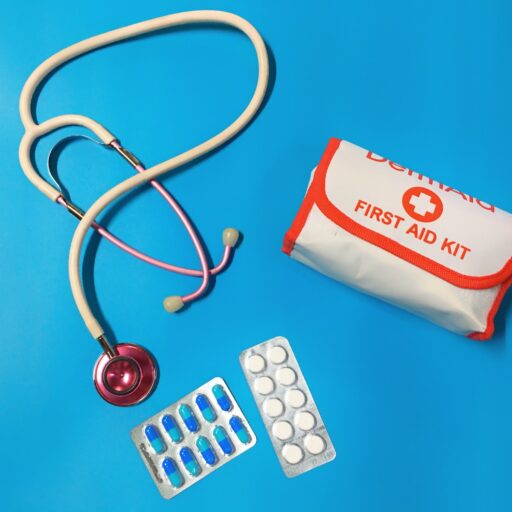
Having a well-stocked first-aid kit is your first line of defense.
Your Home First-Aid Kit Should Include:
- Adhesive bandages in various sizes (like Band-Aid brand)
- Antiseptic wipes and antibiotic ointment (like Neosporin)
- Gauze and medical tape
- A digital thermometer
- Child-safe pain and fever reducer (like Children’s Tylenol or Motrin – always check with your doctor for proper dosage)
For common colds, the best medicine is often rest, fluids, and cuddles. But what about those old wives’ tales? Is it really “feed a cold, starve a fever”? We tackle questions like this in our Health Myth Busters section!
👨 👩 👧 👦 Parent Power: Leading by Example & Creating a Healthy Family Environment
Here’s the big secret, the one that ties everything together: Your kids are watching you. More than any lecture or rule, they learn by observing your habits. You are their most powerful role model.
16. Setting the Stage: Cultivating Healthy Habits as a Family
Making health a family affair turns chores into fun activities and builds lifelong habits.
- Cook Together: Let kids help with age-appropriate tasks in the kitchen.
- Eat Together: Family meals, free from screens, are a powerful time to connect.
- Play Together: Instead of telling them to go outside, go with them! Throw a ball, go for a hike, or have a race.
- Talk Openly: Make conversations about health—both physical and mental—a normal part of your family dynamic.
As the video we’ve featured emphasizes, it’s all about finding a healthy balance and creating habits that become natural over time. When you prioritize your own well-being, you give your children the incredible gift of a healthy example to follow.
🌟 Conclusion: Raising Happy, Healthy Kids for a Brighter Future

Phew! What a journey we’ve been on together. From fueling those little engines with nutritious meals to making bedtime a magical ritual, and from teaching germ-busting hygiene to nurturing emotional resilience — every piece of the puzzle matters. Remember, health is a lifelong adventure, and the habits we help our kids build today will carry them into a vibrant, thriving tomorrow.
If you ever wondered how to balance screen time with green time, or how to make water more exciting than sugary drinks, now you have a treasure trove of ideas to try. And those common childhood ailments? With a well-stocked first aid kit and a calm, informed approach, you’re ready to tackle those boo-boos with confidence.
Above all, the secret sauce is leading by example. Your kids watch your every move, and your choices inspire theirs. So, take a deep breath, celebrate the wins (even the small ones), and keep moving forward. You’ve got this!
🔗 Recommended Links: Trusted Resources for Parents & Caregivers
Ready to stock up on some of the best products and resources to support your child’s health? Here are our top picks, trusted by parents and health pros alike:
-
GoGo squeeZ Healthy Snacks:
Amazon | Walmart | GoGo squeeZ Official Website -
Clif Kid Zbar Energy Bars:
Amazon | Walmart | Clif Bar Official Website -
Hydro Flask Kids Water Bottles:
Amazon | Walmart | Hydro Flask Official Website -
Dial Complete Foaming Hand Soap:
Amazon | Walmart | Dial Official Website -
Purell Advanced Hand Sanitizer:
Amazon | Walmart | Purell Official Website -
Crest Kids Toothpaste:
Amazon | Walmart | Crest Official Website -
Colgate Kids Toothpaste:
Amazon | Walmart | Colgate Official Website -
Safety 1st Cabinet Locks:
Amazon | Walmart | Safety 1st Official Website -
Children’s Tylenol:
Amazon | Walmart | Johnson & Johnson Official Website -
Children’s Motrin:
Amazon | Walmart | Johnson & Johnson Official Website
Recommended Books for Parents
-
“The Whole-Brain Child” by Daniel J. Siegel and Tina Payne Bryson — A brilliant guide to nurturing emotional intelligence in kids.
Amazon Link -
“Child of Mine: Feeding with Love and Good Sense” by Ellyn Satter — A classic on fostering healthy eating habits.
Amazon Link -
“Healthy Sleep Habits, Happy Child” by Marc Weissbluth — Your go-to for sleep strategies that really work.
Amazon Link
❓ FAQ: Your Top Questions About Kids’ Health Answered

What are some common childhood illnesses and how can they be prevented?
Common childhood illnesses include colds, flu, ear infections, and stomach bugs. Prevention starts with good hygiene — regular handwashing, covering coughs and sneezes, and keeping surfaces clean. Vaccinations play a crucial role in preventing serious diseases like measles and whooping cough. Encouraging a balanced diet and adequate sleep also strengthens the immune system. For more on this, see our Health Myth Busters and Children’s Health sections.
How can kids learn to make healthy food choices?
Kids learn best by example and experience. Involve them in grocery shopping and meal prep to spark curiosity about food. Use colorful plates and fun presentations to make healthy foods appealing. Educate them on the benefits of different foods in simple terms, like “carrots help you see in the dark!” Positive reinforcement and avoiding food battles help build a healthy relationship with food.
What are the benefits of drinking water for kids?
Water keeps the body hydrated, supports digestion, regulates temperature, and helps brain function. Unlike sugary drinks, water has zero calories and no additives, reducing the risk of obesity and tooth decay. Proper hydration improves concentration and energy levels, which is essential for active kids.
Read more about “35 Mind-Blowing Health Facts You Didn’t Know in 2025! 🧠✨”
How much physical activity do kids need each day?
The CDC recommends that children aged 6-17 get at least 60 minutes of moderate to vigorous physical activity daily. This can be broken into fun, varied activities like playing tag, biking, or organized sports. Regular movement supports cardiovascular health, bone strength, and mental well-being.
Read more about “7 Surprising Facts About Health You Didn’t Know (2025) 🌟”
What are some healthy snack options for kids?
Healthy snacks include fresh fruits, vegetables with hummus, yogurt, nuts (if allergy-safe), and whole-grain crackers. Avoid snacks high in added sugars and artificial ingredients. Brands like GoGo squeeZ and Clif Kid Zbar offer convenient, nutritious options that kids love.
Read more about “Nutrition Facts for Kids: 10 Guidelines for a Healthy Diet …”
How does sleep affect a child’s health and well-being?
Sleep is vital for growth, brain development, mood regulation, and immune function. Poor sleep can lead to irritability, difficulty concentrating, and increased risk of illness. Establishing a consistent bedtime routine and a sleep-friendly environment helps kids get the restorative sleep they need.
Read more about “Did You Know? 25 Mind-Blowing Health Facts to Wow You in 2025! 🤯”
What are some simple ways kids can improve their health every day?
- Wash hands regularly
- Eat a variety of colorful fruits and veggies
- Drink plenty of water
- Get outside and move for at least an hour
- Brush and floss teeth twice daily
- Get enough sleep
- Talk about feelings and practice kindness
Why is it important for kids to learn about health facts?
Understanding health facts empowers kids to make informed choices and develop lifelong healthy habits. Knowledge builds confidence and encourages responsibility for their own well-being.
Read more about “What Are 10 Health Facts? 🤔 Surprising Truths You Need in 2025”
Did you know health facts for kids?
Kids’ bodies are incredible machines! For example, their hearts beat over three billion times in a lifetime, and their nerves send messages at speeds up to 400 km/h. Sharing fun facts can make learning about health exciting and memorable.
What are simple daily health tips for kids?
Keep it fun and consistent: eat balanced meals, stay hydrated, move often, wash hands, and get plenty of rest. Small daily habits add up to big health benefits.
Read more about “25 Essential Health Facts for Kids You Need to Know in 2025! 🧒✨”
How can kids develop healthy eating habits?
Start early by offering a variety of foods without pressure. Make mealtimes positive and involve kids in cooking. Avoid labeling foods as “good” or “bad” to prevent guilt or anxiety around eating.
Read more about “17 Mind-Blowing Did You Know Facts About Healthy Foods! 🥦 (2025)”
What are the benefits of regular exercise for children?
Exercise improves heart and lung health, builds strong bones and muscles, supports healthy weight, and boosts mood and focus. It also helps develop social skills and self-confidence.
Read more about “Can Vitamin D Levels Affect Skin Cancer Risk? 7 Natural Boosters 🌞 (2025)”
How much sleep do kids need for optimal health?
School-aged children generally need 9-12 hours of sleep per night, while teens require about 8-10 hours. Consistent sleep schedules help regulate the body’s internal clock.
Read more about “20 Mind-Blowing Facts About Health & Fitness You Must Know (2025) 💪”
How does hydration affect a child’s health?
Hydration affects energy, concentration, digestion, and temperature regulation. Dehydration can cause fatigue, headaches, and irritability. Encourage kids to drink water regularly throughout the day.
What are fun ways to teach kids about personal hygiene?
Turn hygiene into a game or song—like singing “Happy Birthday” twice while washing hands. Use colorful soaps and fun toothbrushes. Storytelling and role-playing can also make learning about germs and cleanliness engaging.
📚 Reference Links: Our Expert Sources & Further Reading
- National Geographic Kids: 15 Facts About The Human Body
- Nemours KidsHealth®: Kids Health Information
- Centers for Disease Control and Prevention (CDC): Childhood Obesity Facts | Obesity | CDC
- GoGo squeeZ Official Website: https://www.gogosqueez.com/
- Clif Bar Official Website: https://clifbar.com/
- Hydro Flask Official Website: https://www.hydroflask.com/
- Dial Official Website: https://www.dialsoap.com/
- Purell Official Website: http://www.purell.com/page.jhtml?id=/purell/products/prd_moisture_therapy.inc
- Crest Official Website: https://crest.com/
- Colgate Official Website: https://www.colgate.com/
- Safety 1st Official Website: https://www.safety1st.com/
- Johnson & Johnson Tylenol: https://www.tylenol.com/
- Johnson & Johnson Motrin: https://www.motrin.com/
We hope this comprehensive guide lights the way to a healthier, happier childhood for your family. Stay curious, stay kind, and keep those health facts coming!

