Support our educational content for free when you purchase through links on our site. Learn more
12 Best Skin Cancer Preventing Lotions with Herbal Extracts 🌿 (2025)

Did you know that your sunscreen might be missing a secret weapon? While traditional sunscreens block UV rays, lotions infused with herbal extracts add a powerful layer of defense by fighting skin damage at the cellular level. Imagine a lotion that not only shields you from the sun but also soothes, repairs, and nourishes your skin with nature’s own antioxidants and anti-inflammatories. Intrigued? Later in this article, we’ll reveal the top 12 herbal extracts scientifically proven to help prevent skin cancer—and review the best lotions that combine these botanical heroes with effective sun protection.
Whether you’re a beach lover, an outdoor athlete, or just someone who wants healthier skin, understanding how these herbal ingredients work can transform your sun care routine. Plus, we’ll bust common myths, compare herbal lotions with conventional sunscreens, and share expert tips to help you choose the perfect product for your skin type and lifestyle.
Key Takeaways
- Herbal extracts like green tea, turmeric, and silymarin provide antioxidant and anti-inflammatory benefits that help protect skin cells from UV-induced damage.
- Herbal lotions are best used as a complement—not a replacement—to broad-spectrum SPF 30+ sunscreens, especially mineral-based ones like zinc oxide.
- Top-rated products such as Thinksport Safe Sunscreen SPF 50+ and COOLA Classic Face Organic Sunscreen combine effective UV filters with potent botanicals for enhanced protection and skin nourishment.
- Patch testing is essential since natural ingredients can still cause allergies or irritation in sensitive individuals.
- Choosing reef-safe, mineral sunscreens enriched with herbal extracts supports both your skin health and environmental sustainability.
Ready to upgrade your sun protection? Check out our recommended lotions packed with herbal extracts:
- Thinksport Safe Sunscreen SPF 50+: Amazon | Thinksport Official Website
- COOLA Classic Face Organic Sunscreen SPF 50: Amazon | COOLA Official Website
- Badger Active Mineral Sunscreen Cream SPF 30: Amazon | Badger Official Website
Dive in, protect smart, and let herbal extracts boost your skin’s natural defenses!
Table of Contents
- ⚡️ Quick Tips and Facts About Skin Cancer Preventing Lotions with Herbal Extracts
- 🌿 Herbal History: The Evolution of Natural Skin Cancer Prevention
- 🔬 Understanding Skin Cancer and How Herbal Lotions Help
- 🌞 The Science Behind Herbal Extracts in Sunscreens and Lotions
- 🧴 Top 12 Herbal Extracts Proven to Protect Against Skin Cancer
- 1. Green Tea Extract (Camellia sinensis)
- 2. Aloe Vera (Aloe barbadensis)
- 3. Turmeric (Curcuma longa)
- 4. Grape Seed Extract (Vitis vinifera)
- 5. Licorice Root (Glycyrrhiza glabra)
- 6. Neem (Azadirachta indica)
- 7. Raspberry Seed Oil (Rubus idaeus)
- 8. Chamomile (Matricaria chamomilla)
- 9. Sea Buckthorn (Hippophae rhamnoides)
- 10. Gotu Kola (Centella asiatica)
- 11. Red Clover (Trifolium pratense)
- 12. Silymarin (Milk Thistle, Silybum marianum)
- 🧪 How Herbal Lotions Compare to Conventional Sunscreens
- 🛒 Best Skin Cancer Preventing Lotions with Herbal Extracts: Our Top Picks and Reviews
- 💡 Tips for Choosing and Using Herbal Extract Lotions Effectively
- ⚖️ Safety, Side Effects, and Allergies: What You Need to Know
- 🌍 Environmental Impact: Are Herbal Lotions Better for the Planet?
- 🔄 Integrating Herbal Lotions into Your Daily Skin Care Routine
- 📊 Botanical Agents in Clinical and Preclinical Studies: What Science Says
- 🧬 Role of Lipophilicity and Hydrophilicity in Herbal Extract Absorption
- 🛡️ Herbal Lotions’ Utility Against Nonmelanoma Skin Cancer
- 🤔 Common Myths and Misconceptions About Herbal Skin Cancer Prevention
- 📚 Recommended Links for Further Exploration
- ❓ FAQ: Your Burning Questions About Herbal Skin Cancer Lotions Answered
- 📑 Reference Links and Scientific Sources
- 🎯 Conclusion: Wrapping Up the Herbal Skin Cancer Prevention Journey
Hello, sun worshippers and nature lovers! We’re the team at Health Facts™, and if there’s one thing we’re passionate about (besides debunking health myths and finding the perfect avocado), it’s protecting your glorious skin. Today, we’re diving deep into the world of skin cancer preventing lotions with herbal extracts. Are there any natural ingredients in lotions that have shown effectiveness in preventing skin cancer? You bet there are, and we’re here to spill the tea—literally, in some cases!
We’ve all been there: standing in the sunscreen aisle, bewildered by a wall of plastic bottles screaming “SPF 1000!” and “Chemical-Free!” It’s a jungle out there. But what if the key to safer sun protection was growing in that jungle all along? Let’s explore how Mother Nature’s finest can be your skin’s new best friend.
⚡️ Quick Tips and Facts About Skin Cancer Preventing Lotions with Herbal Extracts
In a hurry? Here’s the lowdown on what you need to know before you glow:
- Nature’s Bodyguards: Many plant extracts are packed with antioxidants and anti-inflammatory compounds. These goodies help fight the free radical damage caused by UV radiation, which is a major contributor to skin aging and cancer.
- Not a Replacement (Yet!): While herbal extracts are powerful, most aren’t a complete substitute for conventional sunscreens like zinc oxide or titanium dioxide. Think of them as a “boost” to your sun protection, an extra layer of defense.
- Key Players: Keep an eye out for ingredients like green tea extract, aloe vera, silymarin (milk thistle), turmeric, and grape seed extract. Science is increasingly backing their protective properties.
- Read the Label: ✅ Always check for broad-spectrum protection (UVA/UVB) and an SPF of 30 or higher. The herbal extracts are the amazing backup singers, but SPF is the star of the show.
- Patch Test! 🧪 Just because it’s natural doesn’t mean it’s right for everyone. Some people can have allergies to even the most gentle botanicals. Always test a new product on a small patch of skin first.
- It’s Not Just for the Beach: Daily exposure adds up! Integrating a lotion with protective herbal extracts into your daily routine is a brilliant move for long-term skin health.
🌿 Herbal History: The Evolution of Natural Skin Cancer Prevention

Long before we had lab-synthesized UV filters, ancient civilizations were slathering on plant-based concoctions to protect their skin. From the Ayurvedic use of turmeric and sandalwood in India to the application of olive oil in ancient Greece, humans have intuitively turned to nature for preservation. These weren’t just folk tales; they were the original, time-tested skincare routines.
For instance, ancient medical systems like Ayurveda and Traditional Chinese Medicine (TCM) have utilized herbs like Red Ginseng and others for millennia, not just for internal health, but for skin vitality and protection. This historical wisdom forms the foundation of what we now call Holistic Medicine, and it’s experiencing a major comeback. Why? Because as one study notes, “Most patients seek alternatives because conventional therapy has failed to help them sufficiently or because they feel there are fewer side effects with the natural products.”
This resurgence isn’t just about nostalgia; it’s about rediscovering the potent, scientifically-backed benefits of these botanical wonders in a modern context.
🔬 Understanding Skin Cancer and How Herbal Lotions Help
Let’s get real for a second. Skin cancer is the most common type of cancer, with millions of cases diagnosed globally each year. The primary culprit? Ultraviolet (UV) radiation from the sun. This radiation generates nasty little molecules called free radicals that damage your skin cells’ DNA, leading to premature aging (wrinkles, sun spots) and, in the worst-case scenario, cancerous growths.
There are two main types of skin cancer we’re often guarding against:
- Nonmelanoma Skin Cancers (NMSC): This category includes Basal Cell Carcinoma (BCC) and Squamous Cell Carcinoma (SCC). They are the most common and are strongly linked to chronic sun exposure.
- Melanoma: Less common but more dangerous, as it’s more likely to spread.
So, where do our herbal heroes come in? They fight back in a few key ways:
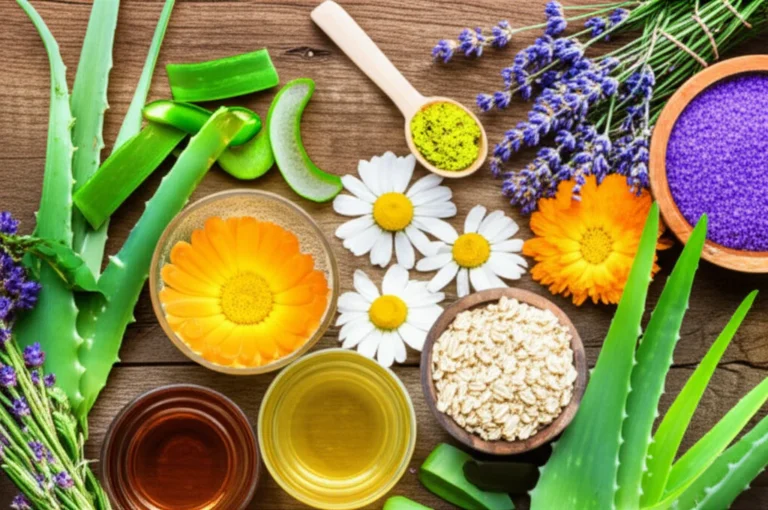
- Antioxidant Power: Herbal extracts are rich in compounds like polyphenols and flavonoids. These molecules are like a SWAT team for free radicals, neutralizing them before they can wreak havoc on your DNA.
- Anti-Inflammatory Action: Sunburn is an inflammatory response. Ingredients like aloe vera, chamomile, and green tea are fantastic at calming this inflammation, reducing redness and soothing the skin.
- Photoprotection: Some extracts can actually absorb, scatter, or block UV radiation, providing a natural (though often low-level) SPF. Others help prevent the immunosuppression caused by UV rays, keeping your skin’s natural defense system in top shape.
Think of it this way: Conventional sunscreen is like a shield, physically blocking the arrows (UV rays). Herbal extracts are like a medic, healing any damage from arrows that get through and reinforcing the shield from within.
🌞 The Science Behind Herbal Extracts in Sunscreens and Lotions
You might be wondering, “Is this just wishful thinking, or is there real science here?” Great question! While there’s a perception of safety and efficacy with botanicals, it’s crucial to look at the data.
How Do They Work?
The magic lies in the phytochemicals—the active compounds in plants.
- Polyphenols (like EGCG in Green Tea): These are antioxidant powerhouses. Studies have shown that topical application of green tea can protect against UV-induced inflammation and even DNA damage.
- Carotenoids (like Beta-Carotene): Found in red and orange plants, these have antioxidant properties. However, studies on beta-carotene for NMSC prevention have been inconsistent, showing it’s not a magic bullet on its own.
- Curcumin (from Turmeric): This golden spice has potent anti-inflammatory and anticarcinogenic effects, shown in preclinical studies to inhibit skin tumor development.
The featured video below, “CU Scientists Develop Skin Cancer Prevention Lotion”, offers a fascinating glimpse into how modern science is harnessing these properties. Researchers are actively developing new formulations, like the one discussed in the video, to maximize the protective benefits of these natural compounds.
What the Studies Say
The scientific community is buzzing with research on this topic. A review in Ayurveda and Integrative Medicine identified over 100 herbal ingredients with proven protective effects against UV damage in various studies. Another study highlighted that while many botanicals show promise, more rigorous human clinical trials are needed to establish firm guidelines. For example, while ingenol mebutate (from the petty spurge plant) is now an FDA-approved treatment for actinic keratosis (a pre-cancerous lesion), other agents like black salve have been reported to be more harmful than therapeutic. This underscores the importance of choosing products backed by sound science, not just anecdotal claims.
🧴 Top 12 Herbal Extracts Proven to Protect Against Skin Cancer
Ready to become a label-reading pro? Here are the top 12 botanical extracts you should be looking for in your skin-protecting lotions.
1. Green Tea Extract (Camellia sinensis)
The superstar of the bunch! Green tea is loaded with polyphenols, especially epigallocatechin-3-gallate (EGCG).
- Benefits: Potent antioxidant and anti-inflammatory. It protects against UV-induced DNA damage and can reduce the redness and inflammation of a sunburn. Both topical application and oral consumption have shown protective effects in studies.
- Find it in: A wide range of products, from daily moisturizers to dedicated sunscreens. Brands like COOLA and Babo Botanicals often incorporate it into their formulas.
2. Aloe Vera (Aloe barbadensis)
Your go-to for after-sun care is also a great pre-sun partner!
- Benefits: Incredibly soothing and moisturizing. It contains a compound called aloin, which can block some UV rays. Its anti-inflammatory properties are legendary for calming sun-stressed skin. Studies show adding it to sunscreen can even boost the SPF value.
- Find it in: Countless lotions and sunscreens. Thinksport and Miaderm Radiation Relief lotions use it for its soothing properties.
3. Turmeric (Curcuma longa)
This golden spice is more than just a curry ingredient.
- Benefits: The active compound, curcumin, is a powerful anti-inflammatory and antioxidant. Preclinical studies show it can inhibit skin tumor carcinogenesis. It’s known to help heal skin and protect against sun damage.
- Find it in: Specialty creams like VICCO Turmeric Skin Cream, which has been a staple in Ayurvedic skincare for decades.
4. Grape Seed Extract (Vitis vinifera)
Don’t toss those seeds! They’re packed with proanthocyanidins.
- Benefits: Demonstrates significant anticarcinogenic effects against UV-induced skin tumors in animal studies. It’s a fantastic antioxidant that helps protect skin cells from damage.
- Find it in: High-end anti-aging serums and some protective lotions.
5. Licorice Root (Glycyrrhiza glabra)
A sweet treat for your skin.
- Benefits: Contains compounds that have anti-inflammatory effects and can help with skin pigmentation issues caused by sun damage. Some studies suggest it has potential in mitigating skin reactions from radiation therapy, though more research is needed.
- Find it in: Skin brightening serums and calming lotions.
6. Neem (Azadirachta indica)
A cornerstone of Ayurvedic medicine.
- Benefits: Known for its antibacterial, anti-inflammatory, and antioxidant properties. It’s often used to soothe irritated skin and can help protect against environmental damage.
- Find it in: Many natural and Ayurvedic skincare lines.
7. Raspberry Seed Oil (Rubus idaeus)
This oil is a hidden gem for sun care.
- Benefits: Rich in antioxidants and essential fatty acids. It offers some natural broad-spectrum UV protection, though the exact SPF can vary. It’s also incredibly nourishing for the skin.
- Find it in: Natural sunscreens and face oils. Thinksport sunscreens include it in their formulations. COOLA also features it in their Plant Protection Complex.
8. Chamomile (Matricaria chamomilla)
Like a calming cup of tea for your face.
- Benefits: Excellent for soothing sensitive and inflamed skin. Its antioxidant properties help protect the skin from environmental stressors. Studies have explored its potential in delaying radiation-induced erythema.
- Find it in: Products for sensitive skin, including those for babies. Babo Botanicals products often feature chamomile.
9. Sea Buckthorn (Hippophae rhamnoides)
This vibrant berry is a skin superfood.
- Benefits: Loaded with vitamins C and E, fatty acids, and antioxidants. It’s fantastic for healing damaged skin and protecting it from oxidative stress.
- Find it in: Regenerative creams and serums.
10. Gotu Kola (Centella asiatica)
A staple in traditional Asian medicine, now a star in modern skincare.
- Benefits: Known for its wound-healing and skin-regenerating properties. It helps boost collagen production and can improve the skin’s barrier function, making it more resilient to sun damage.
- Find it in: “Cica” creams and restorative balms.
11. Red Clover (Trifolium pratense)
More than just a pretty flower.
- Benefits: Contains isoflavones, which have antioxidant properties. It has been traditionally used for various skin ailments. However, it’s also a component in some controversial “escharotic” agents like black salve, so it’s crucial to use it only in professionally formulated, safe products.
- Find it in: Some hormonal balance creams and purifying skin treatments.
12. Silymarin (Milk Thistle, Silybum marianum)
A powerful protector, especially for the liver, but also for the skin!
- Benefits: A potent antioxidant that has shown significant protective effects against both chemical- and UV-induced skin cancer in mouse studies. It works by inhibiting inflammation and oxidative stress. Gels containing silymarin have been shown to significantly reduce the severity of radiation dermatitis.
- Find it in: Specialized protective serums and creams.
🧪 How Herbal Lotions Compare to Conventional Sunscreens
So, should you toss your trusty zinc oxide sunscreen for a bottle of green tea lotion? Not so fast! Let’s break down the pros and cons in a head-to-head comparison.
| Feature | Conventional Sunscreens (Mineral & Chemical) | Lotions with Herbal Extracts |
|---|---|---|
| Primary Function | Block/Absorb UV Rays: Provide a specific, measurable Sun Protection Factor (SPF). | Protect & Repair: Offer antioxidant, anti-inflammatory, and DNA-protective benefits. |
| SPF Rating | ✅ Clearly defined and regulated (e.g., SPF 30, 50). | ❌ Rarely have a standalone SPF rating. Their effect is more supplementary. |
| Broad Spectrum | ✅ Mineral (Zinc/Titanium) is naturally broad-spectrum. Chemical filters are combined for it. | ↔️ Some extracts offer broad-spectrum benefits, but it’s not guaranteed or standardized. |
| Added Skin Benefits | ❌ Often focused solely on sun protection, can be drying or greasy. | ✅ Excellent moisturizing, soothing, and anti-aging properties. |
| Potential for Irritation | ↔️ Chemical sunscreens can cause irritation/allergies. Mineral is generally well-tolerated. | ↔️ Generally gentle, but natural allergies are possible. |
| Environmental Impact | ❌ Some chemical filters (oxybenzone, octinoxate) are harmful to coral reefs. | ✅ Generally biodegradable and reef-safe. |
The Health Facts™ Takeaway: The ultimate power move is to combine them. Use a high-quality, mineral-based sunscreen (we love non-nano zinc oxide!) as your primary defense. Then, layer on a lotion rich in these protective herbal extracts or find a sunscreen that already includes them. This gives you the best of both worlds: proven SPF protection and a deep, cellular-level defense against photodamage.
🛒 Best Skin Cancer Preventing Lotions with Herbal Extracts: Our Top Picks and Reviews
We’ve scoured the shelves and read the ingredient lists so you don’t have to. Here are some of our favorite products that beautifully blend sun protection with botanical power.
1. Thinksport Safe Sunscreen SPF 50+
| Rating | Score (1-10) |
|---|---|
| Herbal Power | 9 |
| SPF Protection | 10 |
| Texture & Feel | 8 |
| Overall | 9.0 |
This one is a long-time favorite in the natural health community, and for good reason. It’s a mineral-based sunscreen (20% zinc oxide) that’s packed with beneficial botanicals. The ingredient list reads like a who’s who of our herbal heroes: aloe vera, jojoba oil, raspberry seed oil, cranberry seed oil, and sunflower oil.
What We Love:
- ✅ Top-Rated Safety: It consistently gets a top rating from the Environmental Working Group (EWG).
- ✅ Rich in Antioxidants: Contains Ascorbic Acid (Vitamin C) and Tocopherols (Vitamin E) alongside the botanical oils.
- ✅ Family-Friendly: Gentle enough for kids and adults.
What Could Be Better:
- ❌ The White Cast: Like many mineral sunscreens, it can leave a slight white cast, though it rubs in better than many others.
- ❌ Formula Changes: Some long-time users have noted formula changes over the years, which is something to be aware of.
👉 Shop Thinksport on:
2. COOLA Classic Face Organic Sunscreen Lotion SPF 50
| Rating | Score (1-10) |
|---|---|
| Herbal Power | 9 |
| SPF Protection | 9 |
| Texture & Feel | 10 |
| Overall | 9.3 |
COOLA excels at creating sunscreens that feel more like luxury skincare. Their “Farm to Face®” formula is over 70% certified organic and features their proprietary Plant Protection® complex. This blend includes antioxidant-rich goodies like Red Raspberry Seed Oil, Buriti Oil, Meadowfoam Seed Oil, and Prickly Pear Extract.
What We Love:
- ✅ Lightweight & Sheer: It layers beautifully under makeup with no greasy feel.
- ✅ Antioxidant-Rich: The Plant Protection® complex helps fight free radicals and nourish the skin barrier.
- ✅ Reef-Friendly: The formula is Hawaii Reef Compliant.
What Could Be Better:
- ❌ Chemical/Mineral Blend: This specific “Classic” line uses chemical UV filters (like Avobenzone and Octocrylene), though they do offer fully mineral lines as well. Always check the label for your preference.
- ❌ Scent: While many love the natural scents, those with fragrance sensitivities might prefer the unscented versions.
👉 Shop COOLA on:
3. Badger Active Mineral Sunscreen Cream – SPF 30
| Rating | Score (1-10) |
|---|---|
| Herbal Power | 8 |
| SPF Protection | 10 |
| Texture & Feel | 7 |
| Overall | 8.3 |
Badger is a pioneer in the world of simple, safe, and organic mineral sunscreens. Their philosophy is “less is more,” and their ingredient lists are often short enough to count on one hand. This cream uses non-nano zinc oxide and a simple base of sunflower oil, beeswax, and Vitamin E.
What We Love:
- ✅ Super Simple & Safe: With just a handful of organic ingredients, it’s perfect for purists and those with sensitive skin.
- ✅ Nourishing: The sunflower oil and beeswax base is incredibly moisturizing.
- ✅ Eco-Conscious: Badger is a B Corp committed to reef safety and environmental stewardship.
What Could Be Better:
- ❌ Thick & White: This is a heavy-duty, traditional mineral sunscreen. It’s thick and leaves a noticeable white cast, which is great for seeing where you’ve applied it on kids but less ideal for a sheer daily look.
- ❌ Can Feel Greasy: The oil-rich base can feel a bit heavy on the skin.
👉 Shop Badger on:
4. My Girls™ Skin Care Cream
| Rating | Score (1-10) |
|---|---|
| Herbal Power | 10 |
| SPF Protection | N/A |
| Texture & Feel | 9 |
| Overall | 9.5 (for its intended purpose) |
This is a special case. My Girls is not a sunscreen, but a therapeutic, plant-based cream designed to soothe and protect skin compromised by medical treatments like radiation therapy. Its star ingredient is Calendula, which is renowned for reducing inflammation and promoting healing. The formula also includes rose petals, coconut oil, jojoba oil, and avocado oil.
What We Love:
- ✅ Incredibly Soothing: Specifically formulated to calm radiation-induced dermatitis and other skin irritations.
- ✅ Clean & Gentle: It’s paraben-free, fragrance-free, and dye-free.
- ✅ Clinically Recommended: It’s used and recommended in many U.S. radiation therapy centers.
What to Know:
- ‼️ This is NOT a sunscreen. It should be used to heal and soothe the skin, but you still need separate SPF protection for sun exposure, especially since treated skin can be extra sensitive.
👉 Shop My Girls on:
💡 Tips for Choosing and Using Herbal Extract Lotions Effectively
Feeling empowered? Here’s how to put your newfound knowledge into action:
- Be a Label Detective 🕵️♀️: Don’t just look at the front of the bottle. Turn it over and scan the inactive ingredients. That’s where you’ll find the botanical treasures like Camellia Sinensis (Green Tea) Leaf Extract or Aloe Barbadensis Leaf Juice.
- Look for Potency: The higher up an ingredient is on the list, the more of it there is in the product. Look for products where the herbal extracts are featured prominently, not just sprinkled in at the very end.
- SPF is Non-Negotiable: For sun protection, repeat after us: Broad Spectrum, SPF 30 or higher. Herbal extracts are the amazing supporting cast, but SPF is the lead actor.
- Application is Everything: Don’t be shy! Most people apply only 25-50% of the recommended amount of sunscreen. For your face, you need about a nickel-sized dollop. Reapply every two hours, and more often if you’re swimming or sweating.
- Layer Like a Pro: Consider a two-step approach. First, apply a serum or light lotion rich in antioxidants (like one with green tea or silymarin). Let it absorb, then apply your mineral sunscreen on top. This gives your skin a double shield of protection.
⚖️ Safety, Side Effects, and Allergies: What You Need to Know
Here at Health Facts™, we’re all about safe and effective solutions. While “natural” often sounds safer, it’s not a free pass from potential issues.
- The Allergy Question: You can be allergic to anything, including plants. Chamomile and calendula, for example, are in the ragweed family and can cause reactions in sensitive individuals. Always, always patch test a new product on your inner arm for a day or two before slathering it all over your face.
- Purity and Formulation Matter: The source and quality of the herbal extract are key. A poorly formulated product won’t be effective and could even be irritating. Stick to reputable brands that are transparent about their ingredients.
- Avoid the “Harmful Herbals”: Be wary of DIY concoctions or products making miraculous claims. As noted in research, some agents like black salve are escharotic (meaning they are caustic and burn tissue) and have been reported to cause extensive skin necrosis and even metastasis of skin cancer. This is a serious reminder to stick with scientifically vetted ingredients and formulations.
- Special Considerations: If you’re pregnant, nursing, or have a specific health condition, it’s always wise to chat with your doctor before trying new products. This is especially important for Children’s Health, as their skin is more delicate.
🌍 Environmental Impact: Are Herbal Lotions Better for the Planet?
When you choose a lotion, you’re not just making a choice for your skin, but for the planet, too. This is a core part of our focus on Environmental Health.
- The Problem with Chemical Sunscreens: Certain chemical UV filters, namely oxybenzone and octinoxate, have been shown to contribute to coral bleaching and are toxic to marine life. This has led to them being banned in places like Hawaii and Key West.
- The Botanical Advantage: Lotions that rely on minerals (non-nano zinc oxide and titanium dioxide) and are fortified with plant extracts are generally considered reef-safe and biodegradable. Brands like Badger, Thinksport, and COOLA are very vocal about their commitment to creating reef-friendly products.
- Sustainable Sourcing: Look for brands that prioritize organic farming and sustainable sourcing for their botanical ingredients. This reduces pesticide use and supports healthier ecosystems.
So, yes! By opting for a well-formulated, mineral-based sunscreen enriched with botanicals, you’re making a choice that’s kinder to your body and our oceans. 🌊
🔄 Integrating Herbal Lotions into Your Daily Skin Care Routine
Making herbal lotions a part of your life is easy and, dare we say, enjoyable! It’s not just another step; it’s an upgrade.
A Sample Morning Routine:
- Cleanse: Start with a gentle cleanser to wash away impurities.
- Tone (Optional): A quick spritz of a hydrating toner can prep your skin.
- Apply Your Herbal Serum/Lotion: This is the moment! Apply a product rich in antioxidants like green tea, silymarin, or vitamin C. Let it sink in for a minute. This is your proactive defense layer.
- Moisturize (If Needed): If your skin is dry, you can add another layer of moisturizer. If your sunscreen is moisturizing enough, you might be able to skip this.
- SUNSCREEN! This is the final and most crucial step. Apply your mineral-based, broad-spectrum SPF 30+ sunscreen generously to your face, neck, and any other exposed skin.
This routine ensures your skin is not only shielded from the sun but is also being actively nourished and repaired throughout the day. And hey, if you’re hitting the gym or going for a run, these extra antioxidants can help combat oxidative stress from exercise, a perfect tie-in to our Fitness Tips!
📊 Botanical Agents in Clinical and Preclinical Studies: What Science Says
Let’s put on our lab coats and look at the evidence. The journey of a botanical from plant to protective lotion is a long one, involving multiple stages of research.
| Botanical Agent | Human Studies Evidence | Preclinical (Animal/Lab) Evidence | The Verdict |
|---|---|---|---|
| Ingenol Mebutate | ✅ Strong evidence; FDA-approved for treating actinic keratosis. Showed high clearance rates for some NMSCs. | N/A (Already in clinical use) | Clinically Proven Treatment |
| Green Tea Polyphenols | ✅ Good evidence; studies show reduced risk of some skin cancers and protection from UV damage. | ✅ Very strong evidence; inhibits tumor formation and inflammation. | Strongly Promising Protector |
| Silymarin (Milk Thistle) | ↔️ Limited but promising; studies on radiation dermatitis show significant reduction in severity. | ✅ Strong evidence; inhibits UV- and chemically-induced skin cancer in mice. | Very Promising Protector |
| Curcumin (Turmeric) | ↔️ Limited human data for skin cancer, but some studies show efficacy against radiation dermatitis. | ✅ Strong evidence; inhibits skin tumor carcinogenesis. | Promising, Needs More Human Data |
| Aloe Vera | ↔️ Mixed results; some studies show it helps with radiation dermatitis, others find it no better than a placebo. However, it’s proven to be soothing. | ✅ Good evidence for soothing, moisturizing, and some UV absorption. | Proven Soother, Mild Protector |
| Beta-Carotene | ❌ No efficacy found in major human trials for preventing NMSC. | ↔️ Shows antioxidant activity in labs. | Not Recommended for Prevention |
| Black Salve | ❌ Harmful; case reports show extensive skin damage and potential for cancer metastasis. | N/A | AVOID |
This table shows why it’s so important to differentiate between promising lab results and proven human efficacy. As one study concludes, for topical botanicals, “histopathological examination for clearance is more appropriate rather than clinical observation for clearance.”
🧬 Role of Lipophilicity and Hydrophilicity in Herbal Extract Absorption
Okay, time for a quick science lesson that’s crucial for understanding if these lotions actually work. For an active ingredient to do its job, it has to get past your skin’s bouncer: the stratum corneum. This is the outermost layer of your skin, and it’s designed to keep things out.
- Lipophilic (Oil-Loving) Compounds: These compounds, like ingenol and silymarin, can more easily penetrate the lipid-rich stratum corneum. They dissolve in fats and oils, allowing them to slip through the skin’s barrier.
- Hydrophilic (Water-Loving) Compounds: These compounds, like many polyphenols, have a tougher time getting through. They prefer water and are repelled by the oily barrier of the skin.
So, how do formulators solve this?
- Smart Formulations: They can use penetration enhancers like liposomes (tiny fat bubbles that encapsulate the ingredient) to shuttle hydrophilic compounds through the skin barrier.
- Extraction Methods: The way an extract is prepared can influence its ability to be absorbed.
This is why you can’t just rub tea leaves on your face and expect the same result as a well-formulated green tea cream. The science of delivery is just as important as the ingredient itself!
🛡️ Herbal Lotions’ Utility Against Nonmelanoma Skin Cancer
While surgical removal remains the gold standard for treating high-risk nonmelanoma skin cancers (NMSCs), there’s a growing interest in the role botanicals can play, especially in prevention and the treatment of very superficial lesions.
Here’s the breakdown:
- Prevention is Key: The primary role for most of us is using these lotions for their chemopreventive properties. By reducing daily UV-induced damage, inflammation, and oxidative stress, you lower your cumulative risk over a lifetime.
- Adjuvant Therapy: For patients undergoing treatments like radiation, lotions containing ingredients like calendula, aloe vera, and silymarin can be incredibly useful in managing side effects like radiodermatitis, helping patients complete their treatment with more comfort.
- Potential for Treatment: Some agents, like the FDA-approved ingenol mebutate, show that botanicals can rise to the level of a standalone treatment for specific, localized NMSCs or precancerous spots.
The future is bright for botanicals in dermatology. As research continues, we may see more of these natural compounds integrated into standard care, not just as alternatives, but as powerful tools in our fight against skin cancer.
🤔 Common Myths and Misconceptions About Herbal Skin Cancer Prevention
Let’s bust some myths! In our Health Myth Busters category, we love tackling misinformation. Here are a few whoppers we hear about natural sun protection.
Myth 1: “If I use a lotion with raspberry seed oil, I don’t need regular sunscreen.”
- Fact: ❌ While some natural oils do have an SPF value, it is unregulated and inconsistent. It can vary wildly based on the crop, the extraction method, and the formulation. It is never a reliable substitute for a product that has been tested and labeled with a specific SPF rating.
Myth 2: “A base tan will protect me, so I don’t need lotion.”
- Fact: ❌ A tan is a sign of skin damage, period. It’s your skin’s panicked response to UV injury. A tan provides, at best, an SPF of about 3-4, which is nowhere near the recommended SPF 30.
Myth 3: “All-natural’ and ‘organic’ on the label means it’s effective for preventing skin cancer.”
- Fact: ❌ These terms are not strictly regulated in the cosmetics industry. A product can be “natural” but contain no effective photoprotective ingredients. Always look for the specific ingredients we’ve discussed and a verified SPF rating.
Myth 4: “I only need to worry about sun protection on sunny summer days.”
- Fact: ❌ UV rays are sneaky! They penetrate clouds and glass and are present year-round. Up to 80% of UV rays can pass through clouds. Daily protection is the most effective strategy for preventing long-term skin damage.
Remember, smart sun safety is a year-round commitment, and being informed is your best defense against both UV rays and misinformation
🎯 Conclusion: Wrapping Up the Herbal Skin Cancer Prevention Journey

Wow, what a journey through the verdant world of skin cancer preventing lotions with herbal extracts! We’ve seen that while herbal extracts are not a standalone replacement for traditional sunscreens, they offer a powerful complementary role in protecting and repairing your skin from UV damage. From the antioxidant punch of green tea to the soothing embrace of aloe vera and the promising chemopreventive effects of silymarin and turmeric, nature’s pharmacy is truly impressive.
Our product reviews, like Thinksport Safe Sunscreen SPF 50+ and COOLA Classic Face Organic Sunscreen Lotion SPF 50, highlight how modern formulations can blend scientifically backed herbal extracts with proven mineral UV filters to give you the best of both worlds: effective sun protection and botanical skin nourishment.
Remember the question we teased earlier: Are there any natural ingredients in lotions that have shown effectiveness in preventing skin cancer? The answer is a confident yes, but with a caveat. The most effective approach is layered—use a broad-spectrum SPF 30+ sunscreen as your frontline defense, and enhance your skin’s resilience with lotions rich in herbal antioxidants and anti-inflammatories.
Positives of top herbal extract lotions:
- Provide antioxidant and anti-inflammatory benefits that help repair and protect skin cells.
- Often more environmentally friendly and reef-safe compared to some chemical sunscreens.
- Can soothe and reduce skin irritation, especially for sensitive or radiation-exposed skin.
Negatives to keep in mind:
- Herbal extracts rarely provide a measurable SPF on their own.
- Potential for allergic reactions in sensitive individuals.
- Quality and concentration of herbal extracts vary widely between products.
Our confident recommendation? Don’t ditch your sunscreen! Instead, seek out products that combine mineral UV filters with potent herbal extracts, or layer your favorite antioxidant-rich lotion under your sunscreen. This strategy maximizes protection and skin health.
Stay curious, stay protected, and let nature and science team up for your skin’s well-being. 🌞🌿
📚 Recommended Links for Further Exploration
Ready to shop or dive deeper? Here are some trusted places to find the products and resources we love:
-
Thinksport Safe Sunscreen SPF 50+:
Amazon | Walmart | Thinksport Official Website -
COOLA Classic Face Organic Sunscreen Lotion SPF 50:
Amazon | COOLA Official Website -
Badger Active Mineral Sunscreen Cream SPF 30:
Amazon | Walmart | Badger Official Website -
My Girls™ Skin Care Cream:
Amazon | Walmart | My Girls Official Website -
Books for deeper reading:
Herbal Medicine: Biomolecular and Clinical Aspects (2nd Edition) – Amazon Link
Botanical Medicine for Women’s Health – Amazon Link
Skin Cancer Prevention and Treatment (various authors) – Search on Amazon for latest editions.
❓ FAQ: Your Burning Questions About Herbal Skin Cancer Lotions Answered

What are the most effective herbal extracts for preventing skin cancer in lotions?
The most effective herbal extracts supported by scientific research include green tea extract (Camellia sinensis), silymarin (milk thistle), turmeric (curcumin), grape seed extract, and aloe vera. These contain potent antioxidants and anti-inflammatory compounds that help neutralize UV-induced free radicals and reduce skin inflammation, both key factors in skin cancer development. However, their protective effects are best used as adjuncts to conventional sunscreens.
Read more about “Can Certain Foods + Lotions Prevent Skin Cancer? 10 Must-Knows (2025) 🌞”
Can lotions with herbal extracts really help prevent skin cancer, or is it just a myth?
It’s not a myth, but it’s important to understand their role. Herbal extracts provide additional cellular-level protection by combating oxidative stress and inflammation caused by UV exposure. They do not replace the physical or chemical UV filters that block or absorb UV rays. Instead, they enhance your skin’s resilience and repair mechanisms, making them valuable components of a comprehensive sun protection strategy.
Which herbal extracts have been scientifically proven to have anti-cancer properties for skin protection?
Several extracts have demonstrated anti-cancer properties in preclinical and some clinical studies:
- Ingenol mebutate (from Euphorbia peplus) is FDA-approved for treating precancerous lesions.
- Green tea polyphenols have shown to inhibit UV-induced skin damage and tumor formation.
- Silymarin has protective effects against UV and chemically induced skin cancers in animal models.
- Curcumin has anti-inflammatory and anticarcinogenic effects.
- Grape seed proanthocyanidins inhibit UV-induced skin tumorigenesis.
While promising, many require further large-scale human trials for definitive proof.
How do I choose the best skin cancer preventing lotion with herbal extracts for my skin type?
Consider these factors:
- Skin Sensitivity: If you have sensitive skin, look for lotions with soothing botanicals like aloe vera, chamomile, or calendula.
- SPF Rating: Always choose a lotion or sunscreen with broad-spectrum SPF 30 or higher.
- Ingredient Transparency: Pick products that clearly list the concentration of herbal extracts and avoid those with unnecessary fragrances or irritants.
- Formulation: For oily skin, lightweight, non-comedogenic lotions are best; for dry skin, richer creams with nourishing oils and extracts like sea buckthorn or raspberry seed oil help.
- Reputation: Choose brands with good reviews and third-party certifications (EWG Verified, USDA Organic).
Are there any side effects of using lotions with herbal extracts for skin cancer prevention?
While generally safe, side effects can include:
- Allergic reactions: Some individuals may react to botanicals like chamomile, calendula, or neem.
- Skin irritation: Overuse or high concentrations can sometimes cause redness or dryness.
- Photosensitivity: Rarely, some herbal extracts can increase sensitivity to sunlight.
Always perform a patch test before full application and consult a dermatologist if you have concerns.
Do herbal extracts in skin lotions provide the same level of protection as traditional sunscreen ingredients?
No. Herbal extracts do not provide a standardized or reliable SPF. They work by neutralizing free radicals and reducing inflammation but do not block or absorb UV radiation effectively on their own. Traditional sunscreens with mineral (zinc oxide, titanium dioxide) or chemical filters remain the primary defense against UV rays.
Can I make my own skin cancer preventing lotion with herbal extracts at home, and is it safe to do so?
DIY lotions can be fun, but making an effective and safe skin cancer preventing lotion at home is challenging. The concentration, stability, and bioavailability of herbal extracts require precise formulation and preservation to be effective and safe. Moreover, homemade lotions lack standardized SPF testing, so they cannot replace commercial sunscreens.
If you want to experiment, use DIY herbal lotions as moisturizers or soothing agents, but always apply a tested sunscreen on top when exposed to the sun.
📑 Reference Links and Scientific Sources
For those who love to dig deeper, here are some authoritative sources we used and recommend for further reading:
-
PMC Article on Botanical Agents for Skin Cancer:
https://www.ncbi.nlm.nih.gov/pmc/articles/PMC3741697/ -
MDPI Review on Herbal Extracts in Radiotherapy Skin Care:
https://www.mdpi.com/2079-9284/9/3/63 -
Herbal Treatment for Dermatologic Disorders – Herbal Medicine (NCBI Bookshelf):
https://www.ncbi.nlm.nih.gov/books/NBK92761/ -
Environmental Working Group (EWG) Sunscreen Guide:
https://www.ewg.org/sunscreen/ -
FDA Guidance on Sunscreen Products:
https://www.fda.gov/cosmetics/cosmetic-products/sunscreen-products -
Thinksport Official Website:
https://gothink.com/ -
COOLA Official Website:
https://coola.com/ -
Badger Official Website:
https://www.badgerbalm.com/ -
My Girls Skin Care Official Website:
https://mygirlsskincare.com/
Thanks for sticking with us through this herbal adventure! Remember, your skin is your largest organ and deserves the best care—science-backed, nature-enhanced, and always with a dash of common sense. Stay sun-safe and skin-happy! 🌞🌿