Support our educational content for free when you purchase through links on our site. Learn more
12 Nutrition Health Facts You Can’t Afford to Miss in 2025 🍎

Did you know that up to 80% of chronic diseases like heart disease and diabetes could be prevented simply by improving your diet? Yet, with so much conflicting information swirling around, it’s easy to feel lost in the nutrition jungle. We’ve all been there—standing in the grocery aisle, overwhelmed by labels and buzzwords, wondering what really matters for our health.
At Health Facts™, we’ve distilled the science, debunked the myths, and uncovered the most crucial nutrition truths you need to thrive in 2025 and beyond. From the essential nutrients your body craves to the surprising link between food and mental health, this comprehensive guide will empower you to make smarter, tastier, and healthier choices every day. Ready to unlock the secrets behind what you eat and how it shapes your life? Let’s dive in!
Key Takeaways
- Eat a colorful variety of whole foods daily to cover all essential nutrients and support long-term health.
- Limit added sugars, unhealthy fats, and salt to reduce risks of chronic diseases.
- Understand the difference between macronutrients and micronutrients to balance your diet effectively.
- Debunk common nutrition myths that can sabotage your wellness goals.
- Explore how nutrition impacts mental health and discover brain-boosting foods.
- Learn to read nutrition labels like a pro and avoid hidden pitfalls in processed foods.
- Follow WHO guidelines for a globally recognized healthy eating framework.
Ready to upgrade your pantry and meal prep game? Check out these top picks:
- Superfoods & Supplements: Blueberries | Kale Powder | Nordic Naturals Omega-3
- Healthy Meal Kits: HelloFresh | Blue Apron
Dive deeper into nutrition wisdom with Health Facts™ and transform your health one bite at a time!
Table of Contents
- Quick Tips and Facts ⚡️
- The Evolution of Nutrition Science: A Deep Dive into Nutrition Health Facts 📜
- 1. Top 10 Essential Nutrients You Absolutely Need 🍎
- 2. Understanding Macronutrients vs. Micronutrients: What’s the Real Deal? 🥑
- 3. The Truth About Popular Diets: Keto, Paleo, Vegan & More 🔍
- 4. Superfoods and Their Science-Backed Benefits 🥦
- 5. How to Read Nutrition Labels Like a Pro 🏷️
- 6. Common Nutrition Myths Debunked: What You Really Need to Know ❌
- 7. Practical Advice on Maintaining a Healthy Diet Every Day 🥗
- 8. How to Promote Healthy Eating Habits in Your Family & Community 🌍
- 9. The Role of Nutrition in Preventing Chronic Diseases ❤️
- 10. Nutrition and Mental Health: The Surprising Connection 🧠
- 11. The Impact of Processed Foods and How to Avoid Them 🚫
- 12. Hydration and Nutrition: Why Water is Your Best Friend 💧
- World Health Organization (WHO) Guidelines on Nutrition and Public Health 🌐
- Conclusion: Wrapping Up Your Nutrition Health Journey 🎯
- Recommended Links for Further Reading 📚
- Frequently Asked Questions (FAQ) About Nutrition Health Facts ❓
- Reference Links and Trusted Sources 🔗
Quick Tips and Facts ⚡️
Welcome to the fast lane of nutrition wisdom! At Health Facts™, we know you want the essentials without the fluff, so here’s a quick rundown to get you started on your nutrition journey:
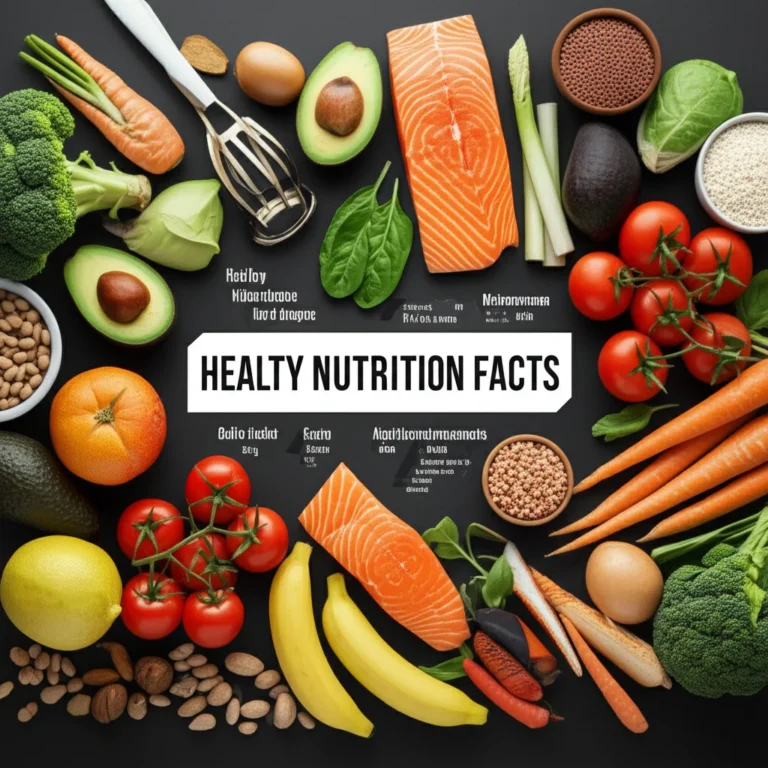
- Eat a rainbow daily: Aim for at least 5 servings (400g) of fruits and veggies to pack in fiber, vitamins, and antioxidants. 🥦🍓
- Balance your fats: Favor unsaturated fats (think olive oil, nuts, avocado) over saturated and trans fats. ✅ Avoid industrial trans fats found in many processed snacks. ❌
- Limit added sugars: Keep free sugars under 10% of your daily calories — ideally less than 5% for extra health perks. That’s about 12 teaspoons max! 🍭
- Watch your salt intake: Less than 5g (one teaspoon) per day helps keep blood pressure in check. Swap out table salt for herbs and spices. 🌿
- Hydrate smartly: Water is your best friend. Avoid sugary drinks and limit fruit juices. 💧
- Read nutrition labels: Learn to spot hidden sugars, unhealthy fats, and sodium bombs. 🏷️
- Choose whole grains: Swap refined carbs for whole grains like quinoa, brown rice, and oats. They keep you fuller longer and support gut health. 🌾
Want to dive deeper? Check out our Health Facts™ nutrition insights for daily tips and myth busters!
The Evolution of Nutrition Science: A Deep Dive into Nutrition Health Facts 📜
Nutrition science has come a long way from the days of “eat your carrots for good eyesight.” Today, it’s a complex, evolving field blending biochemistry, epidemiology, and public health. Here’s a quick tour of how we got here and why it matters:
From Deficiency to Chronic Disease Focus
- Early 20th century: Focused on preventing vitamin and mineral deficiencies (think scurvy and rickets).
- Mid-century: Discovery of essential nutrients and recommended daily allowances (RDAs).
- Late 20th century to now: Shift toward understanding how diet influences chronic diseases like heart disease, diabetes, and cancer.
Modern Nutrition: A Holistic Approach
- Emphasizes whole foods over isolated nutrients.
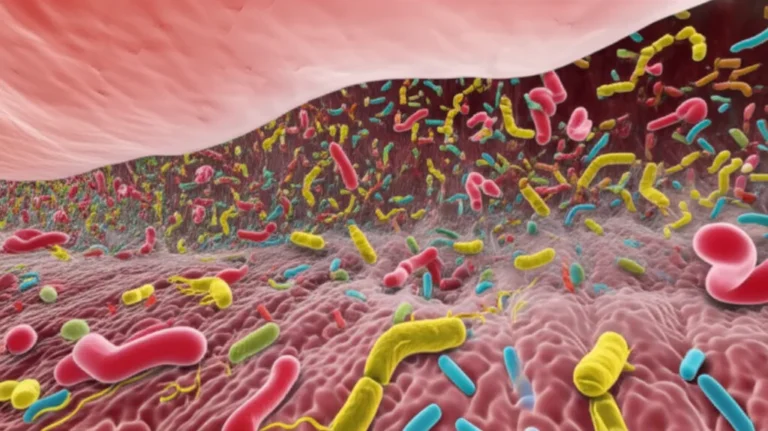
- Considers gut microbiome and personalized nutrition.
- Recognizes social, economic, and environmental factors shaping dietary habits.
Why This Matters to You
Understanding nutrition’s evolution helps you cut through fads and misinformation. It’s not just about calories or carbs — it’s about quality, context, and sustainability.
For a myth-busting deep dive, visit our Health Myth Busters section!
1. Top 10 Essential Nutrients You Absolutely Need 🍎
Let’s break down the VIPs of nutrition — the nutrients your body can’t live without. Missing these is like trying to run a car without oil!
| Nutrient | Role in Body | Food Sources | Fun Fact |
|---|---|---|---|
| 1. Protein | Builds and repairs tissues | Chicken, beans, tofu, Greek yogurt | Your body recycles protein daily! |
| 2. Carbohydrates | Main energy source | Whole grains, fruits, vegetables | Brain’s favorite fuel is glucose! |
| 3. Fats | Supports cell growth, hormone production | Avocado, nuts, olive oil | Not all fats are created equal! |
| 4. Vitamin A | Vision, immune function | Carrots, sweet potatoes, spinach | Deficiency causes night blindness. |
| 5. Vitamin C | Antioxidant, skin health | Citrus fruits, bell peppers, strawberries | Helps absorb iron from plants. |
| 6. Calcium | Bone strength | Dairy, fortified plant milks, kale | Your bones constantly remodel! |
| 7. Iron | Oxygen transport in blood | Red meat, lentils, spinach | Iron deficiency is the world’s top anemia cause. |
| 8. Vitamin D | Bone health, immune support | Sunlight, fatty fish, fortified milk | Called the “sunshine vitamin” for a reason! |
| 9. Potassium | Regulates fluid balance and muscles | Bananas, potatoes, beans | Helps counteract salt’s blood pressure effects. |
| 10. Fiber | Digestive health, blood sugar control | Whole grains, fruits, vegetables | Most Americans don’t get enough! |
Pro tip: Variety is your best friend here — no single food covers all bases.
For detailed nutrient breakdowns, check USDA’s FoodData Central.
2. Understanding Macronutrients vs. Micronutrients: What’s the Real Deal? 🥑
Nutrition jargon alert! Let’s decode the difference between macronutrients and micronutrients — because knowing this helps you eat smarter.
Macronutrients: The Big Three
- Carbohydrates: Provide 4 calories per gram; your energy powerhouse.
- Proteins: Also 4 calories per gram; essential for muscle, enzymes, and immune function.
- Fats: The most calorie-dense at 9 calories per gram; vital for brain health and hormone production.
Micronutrients: The Tiny but Mighty
- Vitamins and minerals needed in small amounts but critical for health.
- Examples: Vitamin C, D, calcium, iron, zinc, magnesium.
Why It Matters
- Overemphasizing macronutrients without micronutrients leads to “empty calories.”
- Micronutrient deficiencies can cause serious health issues even if calorie intake is sufficient.
Fun Fact
Fiber, while not providing calories, is a non-digestible carbohydrate that feeds your gut bacteria — a key to overall wellness!
Learn more about balancing macros and micros in our Fitness Tips series.
3. The Truth About Popular Diets: Keto, Paleo, Vegan & More 🔍
Everyone’s got an opinion on diets, but what does science say? Let’s unpack the pros and cons of some trending diets:
| Diet | What It Is | Benefits | Drawbacks | Who It’s Best For |
|---|---|---|---|---|
| Keto | Very low carb, high fat | Rapid weight loss, blood sugar control | Difficult to sustain, nutrient gaps | Those with epilepsy, some diabetics |
| Paleo | Mimics hunter-gatherer eating | Whole foods focus, no processed foods | Excludes grains/legumes, costly | People wanting to reduce processed foods |
| Vegan | No animal products | Heart health, ethical/environmental benefits | Risk of B12, iron, protein deficiencies | Ethical eaters, environmentally conscious |
| Mediterranean | Plant-based, olive oil, fish | Heart health, longevity | May be higher in fat/calories if not careful | Anyone seeking balanced diet |
| DASH | Emphasizes fruits, veggies, low sodium | Lowers blood pressure | Requires planning, less popular | Hypertension patients |
Our Take
No one-size-fits-all here. The best diet is one you can stick to long-term, meets your nutritional needs, and fits your lifestyle.
Want to explore diet myths? Head over to our Health Myth Busters!
4. Superfoods and Their Science-Backed Benefits 🥦
The term “superfood” gets tossed around like confetti, but some foods truly deserve the hype. Here’s a quick guide to the heavy hitters:
| Superfood | Key Nutrients | Proven Benefits | How to Enjoy |
|---|---|---|---|
| Blueberries | Antioxidants, fiber | Brain health, anti-inflammatory | Fresh, smoothies, oatmeal topping |
| Kale | Vitamins A, C, K, calcium | Bone health, immune support | Salads, sautéed, smoothies |
| Salmon | Omega-3 fatty acids | Heart and brain health | Grilled, baked, sushi |
| Chia Seeds | Fiber, omega-3, protein | Digestive health, satiety | Yogurt, puddings, salads |
| Quinoa | Complete protein, fiber | Blood sugar control, muscle repair | Side dish, salads, breakfast bowl |
Why They Matter
Superfoods pack a nutrient punch that supports overall health and disease prevention. But remember, no single food is a magic bullet!
For more on nutrient-dense foods, visit the USDA’s ChooseMyPlate site.
5. How to Read Nutrition Labels Like a Pro 🏷️
Nutrition labels can feel like decoding ancient scripts, but once you know the tricks, you’ll shop like a champ.
Step-by-Step Label Reading
- Start with serving size: All numbers refer to this amount — beware of multiple servings per package.
- Check calories: Know your daily calorie needs and how this fits in.
- Look at macronutrients: Total fat, saturated fat, trans fat, carbs, fiber, sugars, protein.
- Watch added sugars: Listed separately — keep these low.
- Sodium: Aim for less than 140 mg per serving for low sodium.
- Vitamins and minerals: Check for calcium, iron, vitamin D, potassium.
- Ingredients list: Shorter is usually better; watch for hidden sugars (e.g., corn syrup, maltose).
Pro Tips
- Don’t be fooled by “low-fat” if sugar is high.
- Ingredients are listed by quantity — first few are the main components.
- Look for whole food ingredients rather than additives and preservatives.
Want a deeper dive? Our Environmental Health category covers food additives and safety.
6. Common Nutrition Myths Debunked: What You Really Need to Know ❌
Nutrition is ripe with myths that can confuse even the savviest eaters. Let’s bust some of the biggest ones:
| Myth | Reality |
|---|---|
| “Carbs make you fat” | Quality and quantity matter; whole grains aid weight management. |
| “Eating fat causes heart disease” | Unsaturated fats are heart-healthy; trans and saturated fats are the culprits. |
| “You need supplements to be healthy” | Most nutrients come from food; supplements fill gaps only. |
| “Skipping meals helps lose weight” | Can slow metabolism and cause overeating later. |
| “Detox diets cleanse your body” | Your liver and kidneys do this naturally; detox diets lack scientific support. |
Our Advice
Always question sensational claims and look for peer-reviewed science. We recommend resources like NutritionFacts.org for evidence-based info.
7. Practical Advice on Maintaining a Healthy Diet Every Day 🥗
We get it — life is busy, and eating perfectly can feel like climbing Everest. Here’s how to make healthy eating doable and enjoyable:
Daily Habits for Success
- Plan meals ahead: Batch cook or prep ingredients to avoid last-minute junk food grabs.
- Keep healthy snacks handy: Nuts, fruit, yogurt, or veggie sticks.
- Cook more at home: Control ingredients and portion sizes.
- Stay hydrated: Drink water before meals to curb overeating.
- Mindful eating: Slow down, savor flavors, and listen to hunger cues.
- Limit processed foods: Swap chips and cookies for whole foods.
- Include protein and fiber: Keeps you full and energized.
Tools That Help
- Apps like MyFitnessPal for tracking.
- Meal kit services like HelloFresh or Blue Apron for convenience.
- Nutrition education resources from Nutrition.gov.
8. How to Promote Healthy Eating Habits in Your Family & Community 🌍
Changing your diet is one thing — inspiring others is a whole new ballgame. Here’s how to be a nutrition ambassador:
At Home
- Lead by example: Kids and family mimic what they see.
- Make meals fun: Involve kids in cooking and grocery shopping.
- Create a healthy environment: Stock the fridge with wholesome options.
- Limit sugary drinks and snacks: Replace with water and fruit.
In Your Community
- Support local farmers markets: Fresh, seasonal produce is often cheaper and tastier.
- Advocate for nutrition education: Schools and workplaces benefit from awareness programs.
- Organize group challenges: Walking clubs, healthy potlucks, or recipe swaps.
- Share reliable info: Use trusted sources like Health Facts™ to combat misinformation.
9. The Role of Nutrition in Preventing Chronic Diseases ❤️
Did you know that up to 80% of heart disease, stroke, and type 2 diabetes cases could be prevented through lifestyle changes, including diet? Here’s how nutrition plays a starring role:
Key Nutritional Strategies
- Eat plenty of fruits and vegetables: Their antioxidants combat inflammation.
- Choose whole grains: Reduce risk of diabetes and heart disease.
- Limit saturated and trans fats: Protect arteries and cholesterol levels.
- Reduce sodium: Lowers blood pressure.
- Control sugar intake: Prevents obesity and insulin resistance.
Real-World Impact
The World Health Organization (WHO) estimates that reducing salt intake alone could prevent 1.7 million deaths annually. That’s the power of food!
For more on disease prevention, see our Children’s Health and Fitness Tips categories.
10. Nutrition and Mental Health: The Surprising Connection 🧠
Your brain is a hungry organ — it consumes about 20% of your daily calories! What you eat affects mood, memory, and mental resilience.
Nutrients That Boost Brain Health
- Omega-3 fatty acids: Found in fatty fish like salmon; linked to reduced depression risk.
- B vitamins: Support neurotransmitter production.
- Antioxidants: Combat oxidative stress linked to cognitive decline.
- Magnesium and Zinc: Important for nerve function.
Diet Patterns Linked to Better Mental Health
- Mediterranean diet rich in fruits, veggies, whole grains, and healthy fats.
- Avoiding excessive sugar and processed foods.
Anecdote
One of our Health Facts™ team members shared how switching to a Mediterranean-style diet helped reduce their anxiety symptoms — proof that food is medicine!
11. The Impact of Processed Foods and How to Avoid Them 🚫
Processed foods are everywhere, but they often come with hidden health risks:
Why Processed Foods Can Be Problematic
- High in added sugars, unhealthy fats, and sodium.
- Low in fiber and essential nutrients.
- Linked to obesity, heart disease, and diabetes.
Tips to Avoid or Limit Processed Foods
- Cook from scratch using whole ingredients.
- Read labels to spot additives and preservatives.
- Choose frozen fruits and veggies without sauces or additives.
- Swap sugary cereals for oatmeal or whole grain options.
- Limit fast food and packaged snacks.
Brands to Watch
- Healthier packaged options: Amy’s Kitchen, KIND bars, and RXBAR focus on cleaner ingredients.
- Beware: Many popular brands like Hostess or Lay’s have high trans fats and sugars.
12. Hydration and Nutrition: Why Water is Your Best Friend 💧
We often overlook hydration, but it’s a cornerstone of nutrition health.
Why Water Matters
- Supports digestion and nutrient absorption.
- Regulates body temperature.
- Flushes out toxins.
- Affects energy and concentration.
How Much Water Do You Need?
- General guideline: 8 cups (about 2 liters) daily, but varies by activity, climate, and health.
- Include water-rich foods like cucumbers, watermelon, and oranges.
Tips to Stay Hydrated
- Carry a reusable water bottle.
- Set reminders to drink.
- Flavor water with lemon or mint if plain is boring.
For more hydration hacks, check out our Fitness Tips.
World Health Organization (WHO) Guidelines on Nutrition and Public Health 🌐
The WHO provides a global blueprint for healthy eating that’s practical and science-based:
Core Recommendations
- Eat at least 400g of fruits and vegetables daily.
- Limit free sugars to less than 10% of total energy intake.
- Keep total fat intake under 30% of calories, with saturated fats below 10%.
- Avoid industrial trans fats (<1% of energy).
- Consume less than 5g of salt daily.
Public Health Strategies
- Governments should incentivize fresh produce and regulate processed food marketing.
- Promote breastfeeding and early childhood nutrition.
- Encourage nutrition education and food labeling.
Why It Matters
These guidelines aim to reduce malnutrition and prevent noncommunicable diseases worldwide.
Explore the full WHO fact sheet here: WHO Healthy Diet Fact Sheet.
Conclusion: Wrapping Up Your Nutrition Health Journey 🎯

Congratulations! You’ve just navigated the vast, sometimes confusing world of nutrition health facts with the expert team at Health Facts™. From understanding essential nutrients and debunking myths to practical tips for daily healthy eating and the powerful role nutrition plays in mental and chronic disease health — you’re now equipped to make informed, confident choices.
Remember, there’s no magic bullet or one-size-fits-all diet. The best approach is a balanced, varied diet rich in whole foods, mindful of added sugars, unhealthy fats, and excess salt. Hydration and reading nutrition labels like a pro will keep you ahead of the game.
If you’re inspired to try new foods or meal plans, consider incorporating superfoods like blueberries, kale, and salmon, or exploring diets like the Mediterranean or DASH diet, which have strong scientific backing.
Above all, nutrition is a lifelong journey — one that’s as much about enjoyment and sustainability as it is about health. We hope this guide has cleared up the confusion and sparked your curiosity to learn more.
Stay tuned for our upcoming sections on recommended products and FAQs to deepen your knowledge and support your healthy lifestyle!
Recommended Links for Further Reading 📚
Ready to take action? Here are some top-notch products and resources to help you on your nutrition journey:
- Superfoods & Supplements:
- Meal Kit Services for Healthy Cooking:
- Nutrition Education Books:
- How Not to Die by Michael Greger, MD — Amazon Link
- The Blue Zones Kitchen by Dan Buettner — Amazon Link
- Eat to Beat Disease by William Li, MD — Amazon Link
👉 Shop these products on:
- Amazon | Walmart | Brand Official Websites
Frequently Asked Questions (FAQ) About Nutrition Health Facts ❓

What are the top nutrition health facts for a healthy diet?
The cornerstone facts include consuming at least 400g of fruits and vegetables daily, limiting free sugars to less than 10% of total calories, keeping total fat intake below 30% (favoring unsaturated fats), and restricting salt intake to under 5g per day. These guidelines, endorsed by the WHO, help reduce risks of chronic diseases like heart disease and diabetes. Learn more from WHO.
Read more about “15 Essential Healthy Living Facts You Need to Know in 2025 🌟”
How can I improve my overall health through nutrition and wellness?
Focus on a balanced diet rich in whole foods, including fruits, vegetables, whole grains, lean proteins, and healthy fats. Combine this with regular physical activity, adequate hydration, and mindful eating habits. Planning meals, reducing processed foods, and reading nutrition labels empower you to make healthier choices daily. Also, nurturing mental health through nutrition (like omega-3 intake) supports overall wellness.
Read more about “Medical Health Facts: Your Ultimate Guide ⚕️”
What are the most important nutrients for daily health and energy?
Key nutrients include carbohydrates (primary energy source), proteins (muscle repair and immune function), healthy fats (brain and hormone health), and micronutrients like vitamins A, C, D, calcium, iron, potassium, and fiber. Each plays a unique role, and deficiencies can impair bodily functions. Variety in diet ensures you cover all bases.
What are some common nutrition myths and facts that I should know?
- Myth: Carbs make you fat.
Fact: Quality and quantity matter; whole grains support weight management. - Myth: Eating fat causes heart disease.
Fact: Unsaturated fats are heart-healthy; saturated and trans fats are the real culprits. - Myth: Detox diets cleanse your body.
Fact: Your liver and kidneys naturally detoxify; detox diets lack scientific support.
Always seek evidence-based information from trusted sources like NutritionFacts.org.
Read more about “Conquer Chronic Diseases: Your 8-Step Guide 💪”
How does proper nutrition impact mental health and wellbeing?
Nutrition influences brain function through nutrients like omega-3 fatty acids, B vitamins, and antioxidants that support neurotransmitter production and reduce inflammation. Diets rich in whole foods and low in processed sugars are linked to lower rates of depression and cognitive decline. Mental health and nutrition are deeply interconnected.
Read more about “75 Surprising Health Facts to Transform Your Daily Routine! 🥗”
What are the best food sources for essential vitamins and minerals?
- Vitamin A: Carrots, sweet potatoes, spinach
- Vitamin C: Citrus fruits, bell peppers, strawberries
- Calcium: Dairy products, fortified plant milks, kale
- Iron: Red meat, lentils, spinach
- Vitamin D: Sunlight, fatty fish, fortified milk
- Potassium: Bananas, potatoes, beans
Eating a varied diet ensures adequate intake of these vital nutrients.
Can a healthy nutrition plan help prevent chronic diseases and illnesses?
Absolutely! A diet rich in fruits, vegetables, whole grains, and healthy fats, combined with limited salt, sugar, and unhealthy fats, significantly lowers the risk of heart disease, stroke, type 2 diabetes, and certain cancers. The WHO estimates millions of deaths could be prevented annually through improved nutrition.
Reference Links and Trusted Sources 🔗
- World Health Organization (WHO) Healthy Diet Fact Sheet: https://www.who.int/news-room/fact-sheets/detail/healthy-diet
- Nutrition.gov — USDA Science-Based Nutrition Resources: https://www.nutrition.gov/
- NutritionFacts.org | The Latest Nutrition Related Topics: https://nutritionfacts.org/
- Nordic Naturals Official Website: https://www.nordicnaturals.com/
- HelloFresh Official Website: https://www.hellofresh.com/
- Blue Apron Official Website: https://www.blueapron.com/
- Amy’s Kitchen Official Website: https://amys.com/
- KIND Snacks Official Website: https://www.kindsnacks.com/
- RXBAR Official Website: https://www.rxbar.com/en_US/home.html
For more myth-busting and nutrition insights, explore our Health Myth Busters and Environmental Health categories at Health Facts™.