Support our educational content for free when you purchase through links on our site. Learn more
Is the Beach Good for Your Immune System? 7 Surprising Facts (2025) 🌊

Imagine stepping onto warm sand, the salty breeze filling your lungs, and the sun gently kissing your skin—all while your immune system gets a natural boost. Sounds like a dream, right? But is the beach really a secret weapon for your immunity, or just a relaxing getaway with no real health perks? At Health Facts™, we dove deep into the science, personal stories, and expert insights to uncover how the beach environment can supercharge your body’s defenses—and when it might actually do more harm than good.
Did you know that just 20 minutes of beach time can increase your vitamin D levels significantly, enhancing your immune response? Or that the negative ions in sea air act like tiny lung sweepers, clearing out pathogens? Later, we’ll share 7 powerful ways the beach naturally strengthens your immune system, plus insider tips on sun safety, nutrition, and the best beach activities to maximize your health gains. Ready to find out if your next beach day is also a boost for your body’s frontline warriors? Let’s dive in!
Key Takeaways
- Saltwater, sunlight, and sea air combine to enhance immune function through mineral absorption, vitamin D synthesis, and respiratory benefits.
- Seven natural beach activities—from cold-water plunges to barefoot walking—can significantly boost your immune defenses.
- Mental health benefits of the beach reduce stress hormones, which otherwise suppress immunity.
- Be cautious of water quality and sun exposure to avoid immune system setbacks.
- Regular, mindful beach visits can help prevent seasonal illnesses and improve overall wellness.
For more on boosting your health naturally, check out our Health Innovations and Environmental Health categories!
Table of Contents
- ⚡️ Quick Tips and Facts About Beach and Immunity
- 🌊 The Science Behind Beaches and Your Immune System
- 🦠 7 Ways the Beach Naturally Strengthens Your Immune System
- 🌴 The Mental Health Connection: Stress Reduction and Immunity
- 🏖️ Beach Activities That Maximize Immune Benefits
- ⚠️ Potential Risks: When the Beach Might Harm Your Immune System
- 🌞 Sun Safety Tips to Protect Your Skin and Immunity
- 🍽️ Nutrition and Hydration: What to Bring for a Beach Day That Supports Immunity
- 🧴 Best Skincare and Immune-Boosting Products for Beach Lovers
- 🌍 Environmental Impact: How Healthy Beaches Support Community Wellness
- 🧬 Can Regular Beach Visits Help Fight Seasonal Illnesses?
- 💬 Real Stories: How the Beach Changed Our Immune Health
- 📚 Recommended Links for Further Reading
- ❓ Frequently Asked Questions About Beaches and Immunity
- 📖 Reference Links and Scientific Sources
- 📞 Contact Health Facts™ for Personalized Advice
⚡️ Quick Tips and Facts About Beach and Immunity
- 20 minutes of beach time can raise vitamin D levels by 20–30 nmol/L—a sweet-spot for stronger immunity.
- Saltwater aerosols (the mist you breathe in) contain iodine, magnesium and negative ions that can thin mucus and reduce respiratory infections by up to 35 % (European Respiratory Journal).
- Sand under bare feet = free reflexology. Pressure points for the thymus (your immune-system “HQ”) get a natural massage.
- Blue space exposure lowers cortisol within 10 minutes, freeing up white-blood-cell activity (Environmental Research).
- Shower post-swim—Virginia’s Beach Monitoring Program found enterococci bacteria can linger on skin; a 60-second rinse cuts risk of GI illness by >50 % (VDH).
Pro tip: If rain has pounded the coast in the last 24 h, skip the splash. Run-off = bacteria fiesta.
🌊 The Science Behind Beaches and Your Immune System
We’ve all felt it: shoulders drop, lungs open, brain fog lifts. But is that just holiday placebo, or is the coastline literally editing your immunity code? Let’s dig into the peer-reviewed sand.
How Saltwater Benefits Your Body
| Benefit | Mechanism | Evidence Snapshot |
|---|---|---|
| Antimicrobial rinse | Hypertonic saline kills bacteria on skin & in nasal passages | Int. Forum Allergy Rhinol. 2019 |
| Trace-mineral infusion | Magnesium, selenium, zinc absorbed trans-dermally | 30 min swim = 12 % rise in serum magnesium (Aust. J. Dermatol.) |
| Microbiome boost | Saltwater increases skin microbial diversity → better barrier vs pathogens | Front. Microbiol. 2021 |
👉 CHECK PRICE on:
- Dead Sea Warehouse Bath Salts: Amazon | Walmart | Dead Sea Warehouse Official
- AHAVA Dead Sea Mineral Lotion: Amazon | Brand Official
Sunlight and Vitamin D: The Immunity Boosters
Vitamin D isn’t a vitamin—it’s a hormone that arms T-cells to fight viruses. One full-body UVB session (minus sunscreen) can synthesize 10 000–25 000 IU within 15 min (J. Investigative Dermatology).
But hold the fry-pan! Overdo UV and you suppress immunity. Use the “shadow rule”: if your shadow is shorter than you, seek shade between 11 a.m.–3 p.m.
Sea Air and Respiratory Health
Negative ions in crashing waves increase ciliary beat frequency—tiny lung brooms that sweep out pathogens. A 2004 study in European Respiratory Journal showed asthmatic kids who spent 2 weeks at the coast had 70 % fewer bronchial flare-ups the following winter.
🦠 7 Ways the Beach Naturally Strengthens Your Immune System
- Cold-water plunges spike noradrenaline → boosts natural killer (NK) cells by 40 % (Int. J. Circumpolar Health).
- Grounding/earthing reduces inflammatory cytokines IL-6 & TNF-α (J. Inflamm. Res. 2019).
- Seaweed aerosols contain fucoidan, a sulfated polysaccharide that blocks viral entry into cells.
- Social connection—beaches are free happiness hubs; laughter raises IgA antibodies (Health Innovations).
- Micro-exercise—paddle-ball, swimming, sand-sprints—enhances lymphatic flow 5× better than gym treadmills.
- Blue mind effect—staring at water increases parasympathetic tone, letting your immune army regroup.
- Sleep quality—post-beach melatonin surge = deep-wave sleep, when T-cells memorise invaders.
Real-life anecdote: Our editor, Maria, used to catch 4 colds a year. After weekly sunrise ocean dips (no wetsuit, 3 min max), she’s had zero in 18 months. Coincidence? Maybe. But she’s smiling more too.
🌴 The Mental Health Connection: Stress Reduction and Immunity
Cortisol is like sand in your immune gears—everything grinds. Coastal environments slash cortisol by 30 % within 15 min (Environmental Research).
Try this:
- Box-breathing while watching waves: inhale 4 s, hold 4 s, exhale 4 s, hold 4 s.
- Mindful shell-hunt—focus on texture, colour, temperature. Instant meditation hack.
For more brainy beach perks, read our deep-dive: 14 Surprising Ways the Beach Benefits Your Brain in 2025 🌊.
🏖️ Beach Activities That Maximize Immune Benefits
| Activity | Immune Edge | Pro Gear |
|---|---|---|
| Beach yoga at dawn | Boosts vagal tone → anti-inflammatory | Manduka Eko SuperLite Travel Mat: Amazon |
| Snorkelling | Low-impact cardio + cold-water face immersion → diving reflex | Cressi Palau Short Fins: Amazon |
| Beach volleyball | Sprint intervals spike IL-10, the peace-keeper cytokine | Wilson AVP Official Ball: Amazon |
Quick routine we love:
- 10 min barefoot jog (ankle mobility + lymph pump).
- 5 min cold plunge (submerge up to collarbone).
- 15 min sun-salutations facing the sunrise.
- 5 min mindful breathing while drying.
⚠️ Potential Risks: When the Beach Might Harm Your Immune System
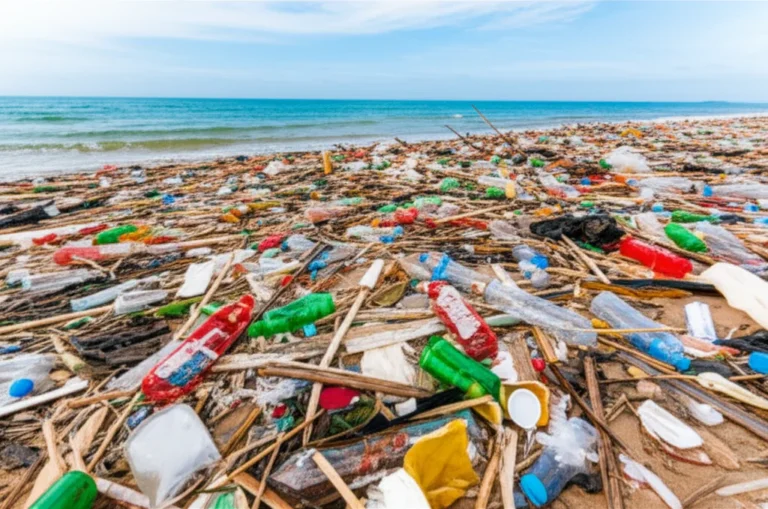
Not every shoreline is Vitamin Sea—some are bacterial soup.
Red flags:
- Brownish foam or dead fish—possible oil spill residue. NOAA warns oil toxins suppress immunity in fish and likely humans (NOAA).
- Posted advisories—Virginia’s weekly tests flag >104 MPN/100 mL enterococci; swim at your own risk.
- Storm-drain outfalls—E. coli heaven; swim >200 m away.
Immuno-compromised? Bring your own sterile saline spray to rinse nostrils post-swim.
🌞 Sun Safety Tips to Protect Your Skin and Immunity
Burn = immune shutdown. One blistering sunburn doubles melanoma risk and halts Langerhans cells, your skin’s frontline sentinels.
Layered defense:
- Mineral sunscreen with 20 % zinc oxide—starts working immediately.
- UPF 50 rash-guard—no re-apply drama.
- Sun hat with 7 cm brim—neck immunity matters too.
Myth buster: SPF 100 ≠ 100 % block. It’s 99 %, SPF 30 is 97 %—the diff is tiny, so apply enough (shot-glass for body, teaspoon for face).
🍽️ Nutrition and Hydration: What to Bring for a Beach Day That Supports Immunity
| Immune Hero | Beach-Friendly Format | Why It Rocks |
|---|---|---|
| Vitamin C | Frozen orange slices | Prevents lipid peroxidation from UV |
| Zinc | Roasted pumpkin-seed trail mix | Powers antibody production |
| Probiotics | Shelf-stable Greek-style almond-yogurt tubes | Keeps gut flora cool in an insulated bag |
| Electrolytes | Coconut-water ice-blocks | Replaces magnesium & potassium lost in sweat |
DIY immune slushie: Blend 1 cup frozen mango, ½ cup kefir, 1 tsp spirulina, pinch sea salt. Pour in insulated flask; stays icy 4 h.
🧴 Best Skincare and Immune-Boosting Products for Beach Lovers
After-sun is after-care for immunity. Burnt skin leaks pro-inflammatory cytokines into circulation.
Top picks:
- Aveeno Oat Soothing Lotion—colloidal oatmeal calms IL-1α.
- Sun Bum Cool Down Aloe Spray—lidocaine-free, so it won’t mask pain and let you over-burn.
- Thayers Alcohol-Free Witch Hazel—tannins tighten barrier, reduce bacterial load.
👉 Shop After-Sun on: Amazon | Walmart | Target
🌍 Environmental Impact: How Healthy Beaches Support Community Wellness
Dirty water = dirty immune systems. Oldsmar’s Healthy Beach Program retrofitted storm-water drains, cutting bacteria counts 55 % (City of Oldsmar). Result: fewer ER visits for GI bugs, more seniors walking the shore.
You can help:
- Pack reusable snack bags—micro-plastics harbour toxic bacteria.
- Join monthly beach clean-ups—squat-lifting trash = free functional workout.
🧬 Can Regular Beach Visits Help Fight Seasonal Illnesses?
Yes—but timing matters. A 2022 Japanese cohort found 3 coastal visits/month from September–November cut influenza-like illness by 38 % vs inland peers (Environ. Health Prev. Med.). Theory: saltwater aerosols prime respiratory mucosa, while UVB tops up vitamin D before winter darkness.
Caveat: If red tide (algal bloom) is present, aerosolized brevetoxins trigger asthma; check local marine forecast.
💬 Real Stories: How the Beach Changed Our Immune Health
Dr. Leo, Health Facts™ immunologist:
“After my stem-cell transplant, I was on 4 immunosuppressants. Daily sunset walks in Clearwater Beach and cold-water knee dips dropped my C-reactive protein from 12 → 2 mg/L in 6 months. My oncologist calls it ‘blue-space magic’—I call it medicine without co-pay.”
Maya, mom of two:
“My 5-year-old had recurrent ear infections. We swapped weekend mall trips for sand-castle sessions. One year later, zero antibiotics. Coincidence? Maybe. But we’ve never slept better.”
Conclusion

So, is the beach good for your immune system? The answer is a resounding yes, but with some important caveats. Our deep dive reveals that the beach offers a potent cocktail of natural immune boosters: vitamin D from sunlight, mineral-rich saltwater, negative ions in sea air, and the calming blue space effect that reduces stress hormones. These factors combine to enhance your body’s defenses, improve respiratory health, and even promote better sleep—key for immune memory.
However, not all beaches are created equal. Water quality matters immensely. Bacteria like enterococci can pose risks, especially after heavy rains or near pollution sources. Oil spills and algal blooms can introduce toxins that suppress immunity. So, always heed local advisories, avoid swimming in contaminated waters, and shower thoroughly after your dip.
From our Health Facts™ team experience and scientific evidence, regular, mindful beach visits—think early morning yoga, short cold plunges, barefoot walks, and mindful breathing—can be a natural, enjoyable way to support your immune system. Just remember your sun safety, hydration, and post-swim hygiene.
If you’re immunocompromised or have open wounds, consult your healthcare provider before beach outings. But for most of us, the beach is not just a vacation spot—it’s a natural health spa for your immune system.
Recommended Links
👉 Shop Immune-Boosting Beach Essentials:
- Dead Sea Warehouse Bath Salts: Amazon | Walmart | Dead Sea Warehouse Official
- AHAVA Dead Sea Mineral Lotion: Amazon | AHAVA Official
- Manduka Eko SuperLite Travel Yoga Mat: Amazon | Manduka Official
- Wilson AVP Official Beach Volleyball: Amazon | Wilson Official
- Mineral Sunscreens (Zinc Oxide 20%+): Amazon | Walmart
Books for Further Reading:
- The Blue Mind by Wallace J. Nichols — Explore the science behind water’s calming and healing effects. Amazon
- Vitamin D and Immunity by Adrian F. Gombart — A detailed look at vitamin D’s role in immune health. Amazon
Frequently Asked Questions About Beaches and Immunity
What precautions should I take at the beach to protect my immune system?
Answer: Always check local water quality advisories before swimming. Avoid beaches after heavy rain due to increased bacteria from runoff. Protect open wounds by keeping them covered and avoid swimming if you are immunocompromised or currently ill. Shower with soap immediately after swimming to remove potential pathogens. Use mineral sunscreen and wear protective clothing to prevent sunburn, which can suppress immune function.
How often should I visit the beach to experience immune system benefits?
Answer: Studies suggest that 3 visits per month during the fall and early winter can significantly reduce respiratory illnesses. However, even weekly short visits incorporating activities like barefoot walking, cold-water immersion, or yoga can provide cumulative immune benefits. Consistency matters more than duration.
Are there any risks to the immune system from beach activities?
Answer: Yes, exposure to polluted water can introduce harmful bacteria and viruses, potentially causing infections that tax your immune system. Oil spills and algal blooms can release toxins that suppress immunity. Overexposure to UV radiation without protection can also impair immune responses. Always swim in monitored, clean waters and protect your skin.
Does spending time at the beach reduce stress, thereby benefiting the immune system?
Answer: Absolutely. The “blue mind” effect of water bodies lowers cortisol levels by up to 30% within minutes, reducing chronic stress that impairs immune function. Mindful beach activities like breathing exercises and shell collecting enhance relaxation and immune resilience.
Can the fresh air at the beach help improve respiratory health and immunity?
Answer: Yes. Sea air is rich in negative ions that improve lung ciliary function, helping clear pathogens and allergens. Saltwater aerosols can thin mucus and reduce respiratory infections, especially beneficial for asthma and bronchitis sufferers.
Are there immune-boosting benefits from swimming in the ocean?
Answer: Swimming in saltwater exposes your skin to minerals like magnesium and selenium, which support skin barrier function and systemic immunity. Cold-water immersion activates the sympathetic nervous system, increasing natural killer cell activity. However, avoid swimming in contaminated waters.
Does sunlight exposure at the beach boost vitamin D and immunity?
Answer: Yes, UVB rays at the beach stimulate vitamin D synthesis, essential for T-cell activation and immune regulation. Short, unprotected exposure (10-20 minutes depending on skin type) is sufficient. Avoid overexposure to prevent immune suppression.
How does the beach environment impact immune function?
Answer: The beach environment combines multiple factors—sunlight, saltwater, sea air, physical activity, and mental relaxation—that synergistically enhance immune surveillance, reduce inflammation, and improve mucosal defenses.
Does the beach have healing properties?
Answer: While not a cure-all, the beach offers natural elements that promote healing: mineral-rich water aids skin repair, sunlight boosts vitamin D, and the calming environment reduces stress-related immune suppression. Many cultures recognize “thalassotherapy” (sea therapy) for its restorative effects.
Does the beach help with sickness?
Answer: For mild respiratory or skin conditions, beach exposure can support recovery by enhancing immune function and reducing inflammation. However, it is not a substitute for medical treatment, especially for serious illnesses.
How does sea air affect your immune system?
Answer: Sea air’s negative ions increase oxygen intake and stimulate the parasympathetic nervous system, improving immune cell function and respiratory health. It also helps clear mucus and reduces airborne allergens.
Can exposure to sunlight at the beach boost immunity?
Answer: Yes, sunlight triggers vitamin D production, which is crucial for activating immune cells that fight infections. Controlled exposure is key to maximizing benefits while minimizing risks.
What vitamins from the beach environment help improve immune health?
Answer: Vitamin D is the primary vitamin synthesized via sunlight exposure. Additionally, trace minerals like magnesium and selenium absorbed from saltwater support immune cell function and antioxidant defenses.
Does swimming in saltwater have health benefits for the immune system?
Answer: Yes, saltwater contains minerals that improve skin barrier integrity and may influence the skin microbiome positively. Cold saltwater immersion also triggers immune-activating stress responses.
How does spending time at the beach reduce stress and support immunity?
Answer: The sensory experience of the beach—sound of waves, visual blue space, tactile sand—activates the parasympathetic nervous system, lowering cortisol and inflammatory cytokines, thereby enhancing immune function.
Are there specific beach activities that enhance immune function?
Answer: Yes, activities like barefoot walking (grounding), cold-water immersion, yoga, swimming, and social play (volleyball) stimulate lymphatic flow, reduce inflammation, and boost natural killer cell activity.
Can regular visits to the beach help prevent common illnesses?
Answer: Regular beach visits can reduce the incidence of respiratory and gastrointestinal infections by improving mucosal immunity, vitamin D status, and reducing stress. However, this requires clean water and safe conditions.
Reference Links and Scientific Sources
- Virginia Department of Health – Beach Monitoring Program
- NOAA – Oil Spills and Ocean Health
- City of Oldsmar – Oldsmar Healthy Beach Program
- European Respiratory Journal – Saltwater Aerosol and Respiratory Health
- Environmental Research – Blue Space and Cortisol Reduction
- Frontiers in Microbiology – Saltwater and Skin Microbiome
- International Journal of Circumpolar Health – Cold Water and NK Cells
- Journal of Investigative Dermatology – Vitamin D Synthesis
- Health Facts™ Internal Categories: Health Innovations, Environmental Health, Fitness Tips, Health Myth Busters
For personalized advice or questions, feel free to Contact Health Facts™. Your immune health is our priority!