
Support our educational content for free when you purchase through links on our site. Learn more
16 Herbal Remedies for Skin Protection You Need to Try in 2025 🌿

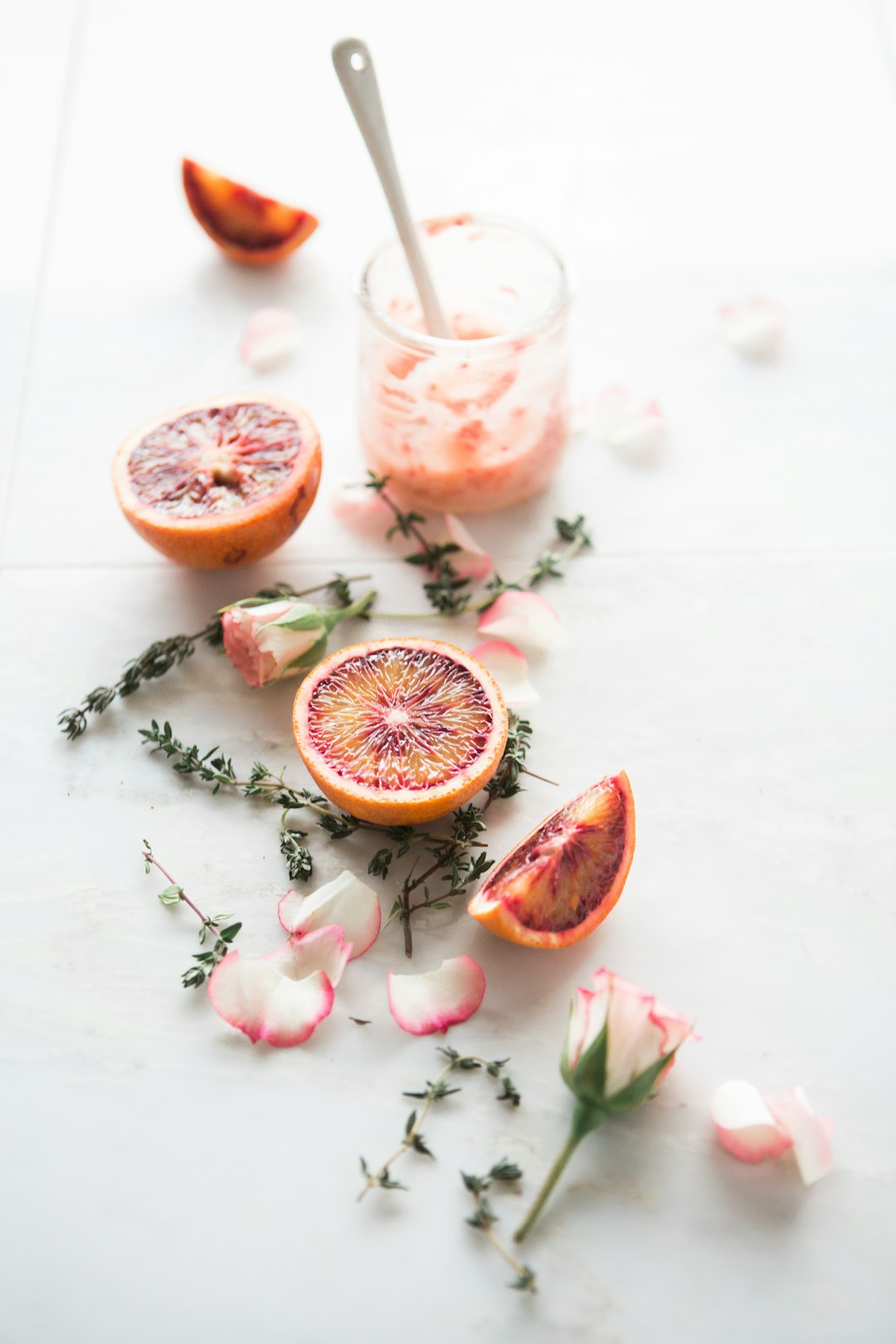
Imagine stepping outside on a sunny day, knowing your skin is naturally shielded—not just by sunscreen, but by the powerful magic of plants. Sounds dreamy, right? Well, it’s not just folklore; herbal remedies have been quietly guarding our skin for thousands of years, and modern science is finally catching up. From soothing sunburns with aloe vera to fighting pollution with witch hazel, this article uncovers 16 potent herbs that can transform your skincare routine into a botanical fortress.
But here’s the twist: while herbs are incredible allies, they’re not a one-stop solution. Curious how to blend ancient wisdom with modern skincare? Or how to safely craft your own herbal potions at home? Stick around—we’re about to reveal everything you need to know to protect, heal, and glow naturally in 2025 and beyond!
Key Takeaways
- Herbal remedies offer multi-layered skin protection against UV rays, pollution, inflammation, and aging.
- Top herbs include aloe vera, green tea, calendula, tea tree oil, and turmeric, each with unique benefits backed by research.
- DIY herbal toners, oils, and masks are easy to make and effective, but always patch test first!
- Herbs complement, not replace, sunscreen and modern skincare products.
- Choose reputable brands like Kiehl’s, The Body Shop, and Herbivore Botanicals for quality and safety.
- Be mindful of allergies, sensitivities, and potential herb-drug interactions—consult professionals when in doubt.
👉 Shop trusted herbal skin protectors:
- Kiehl’s Calendula Herbal Toner on Amazon | Kiehl’s Official Website
- The Body Shop Tea Tree Oil on Amazon | The Body Shop Official Website
- Herbivore Botanicals Jasmine Mask on Amazon | Herbivore Official Website
Table of Contents
- ⚡️ Quick Tips and Facts
- 🌱 The Ancient Roots of Skin Protection: Unearthing Our Herbal Heritage
- Why Go Green? The Power of Plants for Your Precious Skin
- Understanding Skin Protection: More Than Just Sunscreen!
- Your Herbal Arsenal: 16+ Powerhouse Plants for Skin Protection
-
- ☀️ Sun-Kissed Saviors: Herbs for Natural UV Defense & Sunburn Soothe
-
- 🏙️ Pollution Fighters: Shielding Your Skin from Environmental Mayhem
-
- ✨ Antioxidant All-Stars: Battling Free Radicals & Premature Aging
-
- 💧 Barrier Boosters: Strengthening Your Skin’s Natural Shield
-
- 😌 Soothing Superstars: Calming Irritated & Inflamed Skin
-
- 🩹 Healing Heroes: Repairing & Regenerating Damaged Skin
-
- 🌊 Hydration Havens: Keeping Your Skin Plump & Protected
-
- ⚖️ Balancing Botanicals: For Oily & Acne-Prone Skin Protection
-
- 🌬️ Wind & Cold Warriors: Defending Against Harsh Elements
-
- 🌟 Brightening Botanicals: Enhancing Skin Radiance & Protection
-
- 🦟 Insect Repelling Herbs: Natural Defense for Outdoor Adventures
-
- 🍄 Fungal Foes: Herbal Support Against Skin Infections
-
- 🦠 Antimicrobial Allies: Keeping Skin Clean & Protected
-
- 🧘♀️ Stress-Busting Botanicals: How Stress Impacts Skin & How Herbs Help
-
- 😴 Nighttime Nurturers: Herbs for Overnight Skin Repair & Protection
-
- 👶 Gentle Guardians: Herbal Protection for Sensitive & Baby Skin
-
- 🧪 DIY Delights: Crafting Your Own Herbal Skin Protection Potions
- Simple Infusions & Teas for Topical Use
- Herbal Oils & Balms: Your Skin’s Best Friends
- Face Masks & Compresses: Targeted Herbal Treatments
- 🤝 Beyond the Herb Garden: Integrating Herbal Remedies with Modern Skincare
- 🔬 The Science Speaks: What Research Says About Herbal Skin Protection
- 🛒 Navigating the Wild West: Choosing Safe & Effective Herbal Products
- What to Look For (and What to Avoid!)
- Understanding Labels & Certifications: Your Green Light Guide
- 🚨 The Dark Side of Green: Potential Pitfalls & Precautions with Herbal Remedies
- Patch Testing: Your Skin’s Best Friend
- Allergies & Sensitivities: Listen to Your Skin
- Interactions with Medications: A Crucial Conversation
- When to Consult a Pro: Dermatologist, Herbalist, or Both?
- 🤔 Myth vs. Magic: Debunking Common Misconceptions About Herbal Skin Protection
- 🌍 Sustainable Skincare: Ethical Sourcing & Environmental Impact of Herbal Remedies
- 🏆 Our Top Picks: Trusted Brands & Products We Love (and Why!)
- Conclusion: Your Journey to Naturally Protected, Radiant Skin Starts Now!
- Recommended Links: Dive Deeper into the World of Herbal Skincare
- FAQ: Your Burning Questions About Herbal Skin Protection, Answered!
- Reference Links: The Science Behind Our Recommendations
⚡️ Quick Tips and Facts
Welcome to your ultimate guide on herbal remedies for skin protection! Before we dive into the lush garden of nature’s skin saviors, here are some quick nuggets from the health pros at Health Facts™ to get you started:
- ✅ Herbs can protect against UV damage, pollution, and inflammation — but they’re not a replacement for sunscreen. Think of them as your skin’s green bodyguards, not the whole security system.
- ✅ Aloe vera, green tea, and calendula are superstar herbs with solid scientific backing for soothing and protecting skin.
- ✅ ❌ Beware of allergies and sensitivities — always patch test new herbal products or DIY concoctions!
- ✅ Hydration and a balanced diet amplify herbal benefits — your skin’s health is a team effort.
- ✅ Herbal remedies often work best over time; patience is key.
- ✅ Consult your dermatologist or herbalist if you’re on medications or have chronic skin conditions.
Curious about which herbs pack the biggest punch? Or how to whip up your own herbal skin potions? Keep reading — we’re just getting started! And if you want to geek out on natural ingredients that may help prevent skin cancer, check out our related article Are there any natural ingredients in lotions that have shown effectiveness in preventing skin cancer?.
🌱 The Ancient Roots of Skin Protection: Unearthing Our Herbal Heritage
Did you know that herbal remedies for skin protection have been around for thousands of years? From the Ayurvedic traditions of India (dating back to 3000 BC) to Traditional Chinese Medicine (TCM) with its 4000-year-old wisdom, humans have long turned to plants to shield and heal their skin.
- Ayurveda views skin health as a balance of five elements and three doshas, prescribing herbs like turmeric and neem for skin vitality.
- TCM focuses on balancing yin and yang, using herbs such as ginseng and licorice to harmonize skin function.
- In Western folk medicine, plants like witch hazel and chamomile have been staples for centuries.
This rich history is more than folklore — it’s a treasure trove of knowledge that modern science is now validating. For example, the German Commission E has rigorously evaluated over 300 herbal preparations for safety and efficacy, including many used for skin conditions. Source: NCBI Bookshelf
So, when you apply that soothing aloe vera gel or sip green tea, you’re tapping into millennia of skin wisdom. Ready to explore which herbs make the cut? Let’s go!
Why Go Green? The Power of Plants for Your Precious Skin
Why are herbal remedies gaining so much buzz in skincare? Because plants are packed with bioactive compounds that can:
- Shield your skin from UV rays and pollution
- Calm inflammation and redness
- Boost antioxidant defenses to fight premature aging
- Support skin barrier repair and hydration
- Combat microbes and infections naturally
Unlike some synthetic chemicals, many herbs offer multifaceted benefits with fewer side effects when used correctly. Plus, they often come with a bonus: a delightful scent and a connection to nature that feels good for your mind and skin alike.
But remember: not all herbs are created equal, and “natural” doesn’t always mean “safe.” That’s why we’ll help you navigate the best choices, backed by science and real-world experience.
Understanding Skin Protection: More Than Just Sunscreen!
When we talk about skin protection, most of us think “sunscreen” — and rightly so. But your skin faces many daily challenges beyond UV rays:
- Environmental pollutants like smog and cigarette smoke
- Harsh weather: wind, cold, and dryness
- Microbial threats: bacteria, fungi, viruses
- Oxidative stress from free radicals
- Inflammation and irritation from allergens or chemicals
Herbal remedies can complement your sunscreen and skincare routine by strengthening your skin’s natural defenses and promoting healing. For example, green tea polyphenols have been shown to reduce UV-induced skin damage, while witch hazel’s tannins act as gentle astringents to soothe irritation.
So, think of herbal skin protection as a multi-layered shield — sunscreen is the outer armor, and herbs are the reinforcements inside.
Your Herbal Arsenal: 16+ Powerhouse Plants for Skin Protection
Ready to meet the botanical heroes that can transform your skin’s defense game? We’ve curated 16+ herbs, grouped by their superpowers, with tips on how to use them safely and effectively.
1. ☀️ Sun-Kissed Saviors: Herbs for Natural UV Defense & Sunburn Soothe
- Green Tea (Camellia sinensis): Rich in catechins, green tea reduces UV damage and inflammation. Studies show topical green tea extracts can prevent sunburn and photoaging.
- Aloe Vera (Aloe barbadensis): Famous for cooling sunburn relief and promoting skin repair. Contains mucopolysaccharides that lock in moisture.
- Calendula (Calendula officinalis): Anti-inflammatory and wound-healing properties help soothe sun-damaged skin.
- Red Raspberry Seed Oil: Contains natural SPF properties (~28-50), making it a gentle sunscreen booster.
Usage Tip: Apply aloe vera gel or calendula cream after sun exposure to calm redness. Use green tea-infused toners before heading outdoors for extra antioxidant protection.
2. 🏙️ Pollution Fighters: Shielding Your Skin from Environmental Mayhem
- Witch Hazel (Hamamelis virginiana): Tannins tighten pores and reduce irritation caused by pollutants.
- Rosemary (Rosmarinus officinalis): Antioxidant-rich, it protects skin cells from pollution-induced oxidative stress.
- Ginkgo Biloba: Enhances microcirculation and defends against environmental toxins.
Pro Tip: Use witch hazel as a toner after cleansing to remove residual pollutants and tighten pores.
3. ✨ Antioxidant All-Stars: Battling Free Radicals & Premature Aging
- Turmeric (Curcuma longa): Contains curcumin, a potent antioxidant and anti-inflammatory agent.
- Green Tea: Again, a double-duty hero with powerful polyphenols.
- Silymarin (Milk Thistle): Protects skin cells from oxidative damage and supports regeneration.
- Rosehip Oil: Rich in vitamins A and C, it boosts collagen and fades scars.
4. 💧 Barrier Boosters: Strengthening Your Skin’s Natural Shield
- Oat Extract (Avena sativa): Soothes and restores the skin barrier, ideal for dry or eczema-prone skin.
- Chamomile (Matricaria recutita): Anti-inflammatory and calming, helps repair skin.
- Marigold (Calendula officinalis): Supports wound healing and barrier repair.
5. 😌 Soothing Superstars: Calming Irritated & Inflamed Skin
- Lavender (Lavandula angustifolia): Aromatic and anti-inflammatory, reduces redness and itching.
- Jewelweed (Impatiens capensis): Traditional remedy for poison ivy and dermatitis (mixed research results).
- Honey: Natural antimicrobial and humectant, great for soothing irritated skin.
6. 🩹 Healing Heroes: Repairing & Regenerating Damaged Skin
- Aloe Vera: Promotes wound healing and reduces scarring.
- Honey: Antibacterial and accelerates tissue repair.
- Gotu Kola (Centella asiatica): Stimulates collagen synthesis and wound healing.
7. 🌊 Hydration Havens: Keeping Your Skin Plump & Protected
- Aloe Vera Gel: Hydrates without clogging pores.
- Cucumber Extract: Cooling and moisturizing.
- Jojoba Oil: Mimics skin’s natural sebum, locks in moisture.
8. ⚖️ Balancing Botanicals: For Oily & Acne-Prone Skin Protection
- Tea Tree Oil (Melaleuca alternifolia): Antimicrobial and anti-inflammatory; effective for mild to moderate acne.
- Witch Hazel: Controls oil and tightens pores.
- Neem (Azadirachta indica): Antibacterial and antifungal, used in traditional acne treatments.
9. 🌬️ Wind & Cold Warriors: Defending Against Harsh Elements
- Shea Butter: Rich emollient that protects against dryness and cracking.
- Calendula: Soothes chapped skin.
- Comfrey (Symphytum officinale): Supports skin repair in cold weather damage.
10. 🌟 Brightening Botanicals: Enhancing Skin Radiance & Protection
- Licorice Root (Glycyrrhiza glabra): Reduces hyperpigmentation and evens skin tone.
- Turmeric: Brightens and reduces dark spots.
- Vitamin C-rich Rosehip Oil: Fades scars and brightens complexion.
11. 🦟 Insect Repelling Herbs: Natural Defense for Outdoor Adventures
- Citronella: Classic mosquito repellent.
- Lemongrass: Repels insects and refreshes skin.
- Neem Oil: Natural insecticide and skin protector.
12. 🍄 Fungal Foes: Herbal Support Against Skin Infections
- Garlic (Allium sativum): Ajoene compound fights fungal infections like athlete’s foot.
- Tea Tree Oil: Effective against candida and dermatophytes.
- Thyme Oil (Thymus vulgaris): Antibacterial and antifungal properties.
13. 🦠 Antimicrobial Allies: Keeping Skin Clean & Protected
- Honey: Antimicrobial and wound healing.
- Propolis: Bee resin with antimicrobial effects.
- Echinacea: Boosts skin immunity.
14. 🧘♀️ Stress-Busting Botanicals: How Stress Impacts Skin & How Herbs Help
Stress can wreak havoc on your skin, triggering acne, eczema, and premature aging. Herbs like:
- Lavender (aromatherapy reduces anxiety)
- Passionflower (calming effects)
- Lemon balm (reduces nervousness)
can help soothe your mind and skin alike.
15. 😴 Nighttime Nurturers: Herbs for Overnight Skin Repair & Protection
- Chamomile: Calms skin for overnight repair.
- Rosehip Oil: Supports collagen synthesis during sleep.
- Valerian: Promotes restful sleep, indirectly benefiting skin health.
16. 👶 Gentle Guardians: Herbal Protection for Sensitive & Baby Skin
- Oatmeal Baths: Soothing for babies with eczema or dry skin.
- Calendula Creams: Mild and safe for delicate skin.
- Chamomile: Gentle anti-inflammatory properties.
🧪 DIY Delights: Crafting Your Own Herbal Skin Protection Potions
Feeling inspired to get your hands dirty? Here’s how you can create simple, effective herbal remedies at home:
Simple Infusions & Teas for Topical Use
- Green Tea Toner: Brew strong green tea, cool, and apply with a cotton pad to refresh and protect skin.
- Chamomile Compress: Steep chamomile flowers, soak a clean cloth, and apply to irritated skin for 10 minutes.
Herbal Oils & Balms: Your Skin’s Best Friends
- Calendula Oil: Infuse dried calendula flowers in olive or jojoba oil for 4-6 weeks. Use as a soothing moisturizer.
- Tea Tree Oil Dilution: Mix 1-2 drops of tea tree oil with a tablespoon of carrier oil (like almond oil) for acne spot treatment.
- DIY Healing Balm: Combine beeswax, coconut oil, and infused herbal oils (like comfrey or calendula) for a protective skin salve.
Face Masks & Compresses: Targeted Herbal Treatments
- Turmeric & Yogurt Mask: Mix 1 tsp turmeric with 2 tbsp plain yogurt. Apply for 10 minutes to brighten and calm skin.
- Oatmeal & Honey Mask: Blend 2 tbsp oats with 1 tbsp honey and a splash of water. Apply for 15-20 minutes to hydrate and soothe.
- Avocado & Aloe Gel Mask: Mash half an avocado with 1 tbsp aloe vera gel for a hydrating treat.
Pro Tip: Always patch test homemade recipes on a small skin area and avoid overuse to prevent irritation.
🤝 Beyond the Herb Garden: Integrating Herbal Remedies with Modern Skincare
Herbal remedies shine brightest when combined thoughtfully with modern skincare:
- Use herbal toners or serums alongside your moisturizer and sunscreen.
- Look for products that include clinically tested herbal extracts like green tea or licorice root.
- Avoid mixing potent essential oils with retinoids or acids without professional advice.
- Consider herbal supplements (like oral turmeric or ginseng) for systemic skin benefits, but consult your doctor first.
Brands like Kiehl’s Calendula Herbal Extract Toner and The Body Shop Tea Tree Oil offer great entry points into herbal skincare with reliable formulations.
🔬 The Science Speaks: What Research Says About Herbal Skin Protection
Science backs many herbal claims, but with nuances:
| Herb | Key Benefits | Evidence Level | Notes |
|---|---|---|---|
| Green Tea | Antioxidant, UV protection | Strong (RCTs, reviews) | Topical and oral benefits confirmed |
| Aloe Vera | Wound healing, moisturizing | Moderate | Patch test recommended |
| Tea Tree Oil | Antimicrobial, acne treatment | Strong | Use diluted; may cause irritation |
| Calendula | Anti-inflammatory, wound healing | Moderate | Safe for sensitive skin |
| Turmeric | Anti-inflammatory, antioxidant | Moderate | Oral and topical use; staining possible |
| Witch Hazel | Astringent, anti-inflammatory | Moderate | Alcohol-based extracts may dry skin |
RCT = Randomized Controlled Trial
Fun fact: A 2015 study found that a blend of thyme, rosemary, lavender, and cedarwood oils improved hair growth by 44% in participants, showing the power of herbal synergy! Source: NCBI
🛒 Navigating the Wild West: Choosing Safe & Effective Herbal Products
With so many herbal products flooding the market, how do you pick the gems?
What to Look For (and What to Avoid!)
- ✅ Transparent labeling: Look for clear ingredient lists with Latin names and plant parts used.
- ✅ Third-party testing: Certifications from NSF, USP, or non-GMO project add credibility.
- ✅ Reputable brands: Established companies like Burt’s Bees, Kiehl’s, Dr. Bronner’s, and Herbivore Botanicals are known for quality.
- ❌ Avoid products with vague “fragrance” or “natural flavors” that may hide allergens.
- ❌ Beware of unregulated supplements making bold health claims without evidence.
Understanding Labels & Certifications: Your Green Light Guide
- USDA Organic: Indicates organic farming practices.
- Non-GMO: No genetically modified organisms used.
- Cruelty-Free: Not tested on animals.
- Vegan: No animal-derived ingredients.
🚨 The Dark Side of Green: Potential Pitfalls & Precautions with Herbal Remedies
Herbs are powerful, but not risk-free. Here’s what to watch out for:
Patch Testing: Your Skin’s Best Friend
- Apply a small amount of the herbal product on your inner forearm or behind the ear.
- Wait 24-48 hours for any redness, itching, or swelling.
- If irritation occurs, discontinue use immediately.
Allergies & Sensitivities: Listen to Your Skin
- Some herbs like tea tree oil and lavender can cause contact dermatitis in sensitive individuals.
- Avoid essential oils on broken or inflamed skin unless diluted.
Interactions with Medications: A Crucial Conversation
- Herbs like St. John’s Wort can interfere with prescription drugs.
- Always inform your healthcare provider about any herbal supplements or topical products you use.
When to Consult a Pro: Dermatologist, Herbalist, or Both?
- For chronic skin conditions like eczema, psoriasis, or severe acne, professional guidance is essential.
- Integrative dermatologists and certified herbalists can tailor safe, effective regimens.
🤔 Myth vs. Magic: Debunking Common Misconceptions About Herbal Skin Protection
Let’s bust some myths that might be holding you back:
- ❌ Myth: “Natural means no side effects.”
✅ Reality: Natural herbs can cause allergies and irritation; always patch test. - ❌ Myth: “Herbs replace sunscreen.”
✅ Reality: Herbs complement but do not replace broad-spectrum sunscreen. - ❌ Myth: “More is better.”
✅ Reality: Overuse can lead to sensitization or imbalance. - ❌ Myth: “All herbal products are safe.”
✅ Reality: Quality varies; choose reputable brands and check certifications.
🌍 Sustainable Skincare: Ethical Sourcing & Environmental Impact of Herbal Remedies
We love plants, but we also love the planet! Here’s how to keep your skincare green and clean:
- Choose brands committed to sustainable harvesting and fair trade practices.
- Support companies using organic farming to reduce pesticide use.
- Avoid overharvesting wild herbs to protect biodiversity.
- Look for recyclable packaging and minimal plastic use.
Brands like Herbivore Botanicals and Tata Harper lead the way in eco-friendly herbal skincare.
🏆 Our Top Picks: Trusted Brands & Products We Love (and Why!)
Here’s a quick rating table for some of our favorite herbal skin protection products:
| Product | Design (1-10) | Functionality (1-10) | Ingredient Quality (1-10) | Overall Rating (1-10) |
|---|---|---|---|---|
| Kiehl’s Calendula Herbal Toner | 9 | 9 | 9 | 9 |
| The Body Shop Tea Tree Oil | 8 | 9 | 8 | 8.5 |
| Herbivore Botanicals Jasmine Mask | 9 | 8 | 10 | 9 |
| Burt’s Bees Sensitive Facial Cream | 8 | 8 | 9 | 8.3 |
| Dr. Bronner’s Organic Aloe Gel | 8 | 9 | 9 | 8.7 |
Kiehl’s Calendula Herbal Toner
- Why we love it: Alcohol-free, soothing, and great for sensitive skin.
- Best for: Calming irritated skin and daily toning.
- Drawbacks: May not suit very oily skin types.
The Body Shop Tea Tree Oil
- Why we love it: Potent antimicrobial, great for spot treatment of acne.
- Best for: Acne-prone skin needing targeted care.
- Drawbacks: Must dilute or use sparingly to avoid irritation.
Herbivore Botanicals Jasmine Mask
- Why we love it: Combines jasmine and other botanicals for brightening and soothing.
- Best for: Dull or uneven skin tone.
- Drawbacks: Slightly pricier but worth it for quality.
👉 Shop these products on:
- Kiehl’s Calendula Herbal Toner: Amazon | Kiehl’s Official Website
- The Body Shop Tea Tree Oil: Amazon | The Body Shop Official Website
- Herbivore Botanicals Jasmine Mask: Amazon | Herbivore Official Website
Conclusion: Your Journey to Naturally Protected, Radiant Skin Starts Now!
Wow, what a journey through the vibrant world of herbal remedies for skin protection! From ancient traditions to modern science, herbs have proven to be powerful allies in shielding your skin against the sun, pollution, inflammation, and aging. Whether it’s the soothing touch of aloe vera, the antioxidant punch of green tea, or the healing magic of calendula, nature offers a rich palette of options to nurture your skin.
Remember, herbal remedies are best seen as complements—not substitutes—to your daily sunscreen and skincare routine. They work gently but effectively over time, so patience is your secret weapon. And always, always patch test and consult professionals if you have sensitive or chronic skin conditions.
If you’re looking to dip your toes into herbal skincare, our top picks like Kiehl’s Calendula Herbal Toner and The Body Shop Tea Tree Oil offer reliable, science-backed options that marry tradition with quality.
So, ready to embrace your skin’s natural glow with the help of these botanical beauties? Your skin’s green bodyguards are waiting — and trust us, your future self will thank you! 🌿✨
Recommended Links: Dive Deeper and Shop Your Herbal Skin Essentials
👉 Shop trusted herbal skincare products:
- Kiehl’s Calendula Herbal Toner: Amazon | Kiehl’s Official Website
- The Body Shop Tea Tree Oil: Amazon | The Body Shop Official Website
- Herbivore Botanicals Jasmine Mask: Amazon | Herbivore Official Website
- Dr. Bronner’s Organic Aloe Gel: Amazon | Dr. Bronner’s Official Website
- Burt’s Bees Sensitive Facial Cream: Amazon | Burt’s Bees Official Website
Must-read books on herbal skincare and natural remedies:
- Herbal Medicine: Biomolecular and Clinical Aspects, 2nd edition by Iris F. F. Benzie and Sissi Wachtel-Galor — Amazon Link
- The Green Pharmacy: The Ultimate Compendium Of Natural Remedies From The World’s Foremost Authority On Healing Herbs by James A. Duke — Amazon Link
- The Complete Herbal Tutor: The Definitive Guide to the Principles and Practices of Herbal Medicine by Anne McIntyre — Amazon Link
FAQ: Your Burning Questions About Herbal Skin Protection, Answered!
What are the most effective herbal remedies for protecting skin from the sun?
Aloe vera, green tea, calendula, and red raspberry seed oil are among the top herbal protectors against UV damage. Aloe vera soothes sunburn and promotes healing, while green tea’s polyphenols reduce inflammation and oxidative stress caused by UV rays. Calendula supports skin repair, and red raspberry seed oil offers natural SPF properties. However, these herbs should complement, not replace, broad-spectrum sunscreen. For best results, use herbal products alongside daily SPF 30+ sunscreen.
Can herbal remedies help to reduce the appearance of fine lines and wrinkles on the skin?
Absolutely! Herbs rich in antioxidants and vitamins, such as rosehip oil, turmeric, and silymarin (milk thistle), help combat free radicals that accelerate skin aging. Rosehip oil is particularly noted for its vitamin A and C content, which stimulate collagen production and improve skin elasticity. Turmeric’s anti-inflammatory properties also reduce skin damage, while silymarin protects skin cells from oxidative stress. Regular use of these herbs can improve skin texture and reduce fine lines over time.
How do herbal remedies like aloe vera and tea tree oil help to soothe and protect irritated skin?
Aloe vera contains mucopolysaccharides that lock in moisture and promote skin regeneration, making it excellent for soothing burns, dryness, and irritation. Tea tree oil has potent antimicrobial and anti-inflammatory properties, effective for calming acne and minor skin infections. However, tea tree oil must be diluted before topical use to avoid irritation, especially on sensitive skin. Together, these herbs provide a natural calming effect and help restore skin health.
What are some natural herbal remedies for protecting skin from pollution and environmental stressors?
Pollution generates free radicals and inflammation, but herbs like witch hazel, rosemary, and ginkgo biloba can help. Witch hazel acts as a gentle astringent, tightening pores and removing pollutant residues. Rosemary is rich in antioxidants that neutralize free radicals, and ginkgo enhances microcirculation and detoxification. Using herbal toners or serums containing these extracts can fortify your skin’s defenses against daily environmental assaults.
Are there any herbal remedies that can help to reduce the risk of skin cancer and promote overall skin health?
While no herbal remedy replaces medical prevention, some herbs show promising protective effects. Green tea polyphenols, silymarin from milk thistle, rosemary extract, and red ginseng have demonstrated anti-tumor and chemopreventive properties in lab studies. Green tea, in particular, has been extensively studied for its ability to reduce UV-induced DNA damage. Incorporating these herbs into your skincare and diet may support your skin’s resilience and overall health, but always pair with sun-safe behaviors.
Can herbal remedies like lavender and chamomile help to improve skin elasticity and firmness?
Yes! Both lavender and chamomile possess anti-inflammatory and antioxidant properties that help reduce skin irritation and promote collagen synthesis. Chamomile has been shown to support skin barrier repair, while lavender aromatherapy can reduce stress-related skin aging. While they may not be miracle firming agents alone, combined with other antioxidants and a healthy lifestyle, they contribute to improved skin texture and elasticity.
Do herbal remedies like green tea and rosemary have antioxidant properties that can help to protect the skin from damage?
Definitely! Both green tea and rosemary are rich in antioxidants that neutralize harmful free radicals generated by UV exposure and pollution. Green tea’s catechins and rosemary’s carnosic acid help reduce oxidative stress, inflammation, and DNA damage in skin cells. Regular topical or oral use of these herbs can enhance your skin’s natural defense mechanisms and slow premature aging.
How can I safely incorporate herbal remedies into my daily skincare routine?
Start by patch testing any new herbal product on a small skin area to check for allergies or sensitivities. Introduce one product at a time and observe your skin’s response over several days. Use herbal toners, serums, or moisturizers as complements to your existing routine, especially after cleansing and before sunscreen. Avoid mixing potent essential oils with strong actives like retinoids without professional advice. And if you have chronic skin conditions or are on medications, consult your healthcare provider or a certified herbalist.
Are there any risks or side effects associated with using herbal remedies on the skin?
While many herbs are safe, some can cause allergic reactions, irritation, or photosensitivity. Essential oils like tea tree and lavender should be diluted before use. Herbs such as St. John’s Wort may interact with medications if taken orally. Always read labels carefully, avoid products with unknown “fragrance” ingredients, and discontinue use if you notice redness, itching, or swelling. Consulting a dermatologist or herbalist is recommended for personalized advice.
Reference Links: The Science Behind Our Recommendations
- National Center for Biotechnology Information (NCBI) — Herbal Remedies for Skin Protection
- Healthline — Home Remedies for Glowing Skin
- Everyday Health — 13 Natural Dry-Skin Remedies to DIY
- Kiehl’s Official Website — Calendula Herbal Toner
- The Body Shop Official Website — Tea Tree Oil
- Herbivore Botanicals Official Website — Jasmine Mask
- Dr. Bronner’s Official Website — Organic Aloe Gel
- Burt’s Bees Official Website — Sensitive Facial Cream
- Health Facts™ — Are there any natural ingredients in lotions that have shown effectiveness in preventing skin cancer?
- Health Facts™ — Health Myth Busters
- Health Facts™ — Environmental Health
- Health Facts™ — Holistic Medicine
Ready to embrace the green glow? Your skin’s natural protectors await! 🌿✨