Support our educational content for free when you purchase through links on our site. Learn more
🌿 7 Essential Oils with Proven Anti-Cancer Potential for Skin (2025)

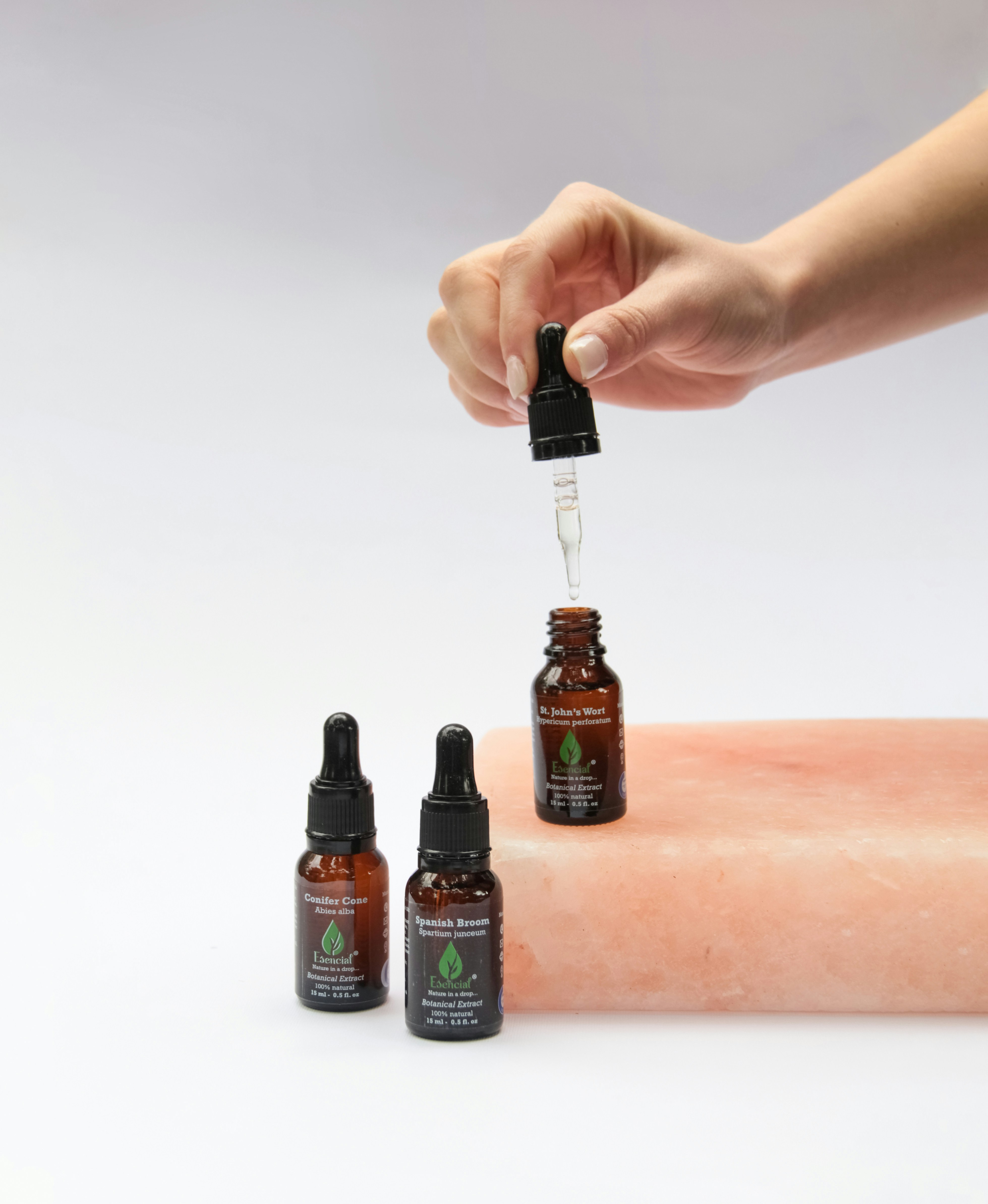
Have you ever wondered if the fragrant oils sitting on your shelf could do more than just smell amazing? What if some of these essential oils actually had the power to fight skin cancer cells? It sounds like something straight out of a sci-fi novel, but the truth is, modern science is uncovering fascinating evidence that certain essential oils—like the legendary Frankincense—may have real anti-cancer properties, especially against skin cancers such as melanoma.
Our Health Facts™ team dove deep into the latest research to separate fact from fiction. Spoiler alert: while no essential oil is a miracle cure, some have shown impressive abilities to selectively target cancer cells in lab and animal studies. Curious which oils made the cut? And how you can safely integrate them into your skin health routine? Keep reading—we’ll reveal the top 7 essential oils backed by science, explain how they work on a cellular level, and share expert tips on safe usage. Plus, we’ll bust myths and highlight why conventional treatment remains your best bet.
Key Takeaways
- Frankincense leads the pack with strong lab evidence showing it can induce cancer cell death while sparing healthy skin cells.
- Other promising oils include Sandalwood, Lemongrass, Thyme, Myrrh, and Tea Tree Oil, each with unique anti-inflammatory and antioxidant compounds.
- Most research is preliminary—limited to lab and animal studies; human clinical trials are still needed to confirm effectiveness and safety.
- Essential oils should never replace conventional skin cancer treatments but can be used as complementary therapies under professional guidance.
- Safe topical use requires proper dilution with carrier oils and patch testing to avoid irritation or phototoxicity.
- For quality and purity, trusted brands like Plant Therapy, doTERRA, and NOW Foods are recommended.
👉 Shop Quality Essential Oils:
- Frankincense & Sandalwood: Amazon | Plant Therapy
- Lemongrass & Tea Tree: Amazon | NOW Foods
Ready to unlock nature’s aromatic secrets for your skin? Let’s dive in!
Table of Contents
- ⚡️ Quick Tips and Facts
- 🌿 The Buzz Around Essential Oils: A Historical Perspective on Skin Health & Cancer Research
- 🔬 Unpacking the Science: Do Essential Oils Really Fight Skin Cancer?
- 💧 Specific Essential Oils Under the Microscope: Nature’s Aromatic Arsenal
- 1. Frankincense (Boswellia serrata): The King of Oils and Cellular Health 👑
- 2. Sandalwood (Santalum album): Soothing Scents with Potential Skin Benefits ✨
- 3. Thyme (Thymus vulgaris): A Potent Herb’s Promise 🌱
- 4. Lemongrass (Cymbopogon citratus): More Than Just a Fresh Scent 🍋
- 5. Myrrh (Commiphora myrrha): Ancient Wisdom, Modern Research 🌿
- 6. Tea Tree Oil (Melaleuca alternifolia): Beyond Blemishes? 🍃
- 7. Other Essential Oils of Interest: Exploring the Aromatic Arsenal 🧪
- 🧬 How Essential Oils Could Influence Skin Cancer Cells: A Peek into the Cellular World
- 🧴 Navigating Topical Application: Safe Practices for Skin Health
- 🤝 Integrating Essential Oils with Conventional Treatments: A Complementary Path
- 🍎 Lifestyle & Dietary Pillars for Skin Health: Nourishing from Within
- 🩺 Regular Skin Checks & Professional Guidance: Don’t Skip Your Dermatologist!
- ⚠️ The “Proof” Problem: Why We Need More Human Clinical Trials
- ❌ Essential Oils Are NOT a Cure: Setting Realistic Expectations
- 👩⚕️ When to Consult a Professional: Your Health, Our Priority
- 🎯 Conclusion: Wrapping It Up – Our Take on Essential Oils and Skin Cancer
- 🔗 Recommended Links
- 🤔 Frequently Asked Questions (FAQ)
- 📚 Reference Links
Here is the main body content for your blog post, crafted by the expert team at Health Facts™.
⚡️ Quick Tips and Facts
Welcome! Let’s cut to the chase. You’re here because you’ve heard the buzz about essential oils and skin cancer, and you want the real, no-fluff story. We get it. Here at Health Facts™, we’re all about digging through the science so you don’t have to.
Here’s the skinny, right up front:
- The Big Question: Can essential oils cure skin cancer? A resounding NO. ❌ Essential oils should NEVER be used as a standalone treatment for any type of cancer. Always, always, always consult with an oncologist and dermatologist for diagnosis and treatment.
- The Promising Part: Some essential oils, most notably Frankincense, have shown fascinating “anti-cancer” properties in laboratory settings (in vitro) and animal studies (in vivo). This means they’ve been observed to kill cancer cells or stop their growth in a petri dish or in mice.
- Key Players: The oils getting the most scientific attention for skin cancer research include Frankincense, Sandalwood, Thyme, Lemongrass, and Tea Tree Oil.
- How They Might Work: These potent plant extracts contain compounds that may trigger apoptosis (a fancy term for programmed cell death—think of it as telling a cancer cell to self-destruct 💥), reduce inflammation, and act as powerful antioxidants.
- Safety First!: Essential oils are incredibly concentrated. Using them directly on your skin is a recipe for irritation or a chemical burn. ALWAYS dilute them with a carrier oil like jojoba or coconut oil.
- The Human Factor: Here’s the catch—robust, large-scale human clinical trials are still lacking. What works in a lab doesn’t always translate to a complex human body. We’re watching the research closely, but for now, it’s a “promising, but not proven” situation.
🌿 The Buzz Around Essential Oils: A Historical Perspective on Skin Health & Cancer Research
Essential oils aren’t some new wellness fad cooked up on Instagram. We’re talking about a practice that’s ancient. Egyptians used aromatic resins like Frankincense and Myrrh for everything from religious ceremonies to embalming (talk about preservation!). Traditional Chinese and Ayurvedic medicine have relied on plant extracts for millennia to treat a host of ailments.
Fast forward to today. We’re not just relying on ancient texts; we’re putting these compounds under the microscope. The scientific community’s interest has exploded. A 2014 review in the Journal of Environmental Science and Health noted that “Over five hundred papers have been published on anticancer activity of EOs.” That’s a lot of scientists in white coats peering into petri dishes!
This renewed interest bridges the gap between ancient wisdom and modern medicine, moving from historical anecdotes to quantifiable data. It’s a fascinating field that sits at the crossroads of botany, chemistry, and oncology, and it’s a cornerstone of our work in Holistic Medicine.
🔬 Unpacking the Science: Do Essential Oils Really Fight Skin Cancer?
Okay, let’s get into the nitty-gritty. When you see a headline screaming “Essential Oil Kills Cancer Cells,” it’s both exciting and a little misleading. We need to understand what that really means.
Understanding “Anti-Cancer Properties”: What Does It Mean?
“Anti-cancer” isn’t a single action. It’s an umbrella term for several cellular behaviors observed in a lab. When researchers say an oil has these properties, they usually mean it can do one or more of the following to cancer cells:
- Induce Apoptosis: Triggers the cell’s natural “self-destruct” sequence.
- Be Cytotoxic: It’s directly toxic to the cell, causing it to die.
- Inhibit Proliferation: Stops the cancer cells from multiplying and making more of themselves.
- Prevent Angiogenesis: Cuts off the formation of new blood vessels that feed a tumor.
- Reduce Metastasis: Prevents the cancer cells from spreading to other parts of the body.
The key takeaway is that these effects are almost exclusively documented in controlled lab environments, not in human patients being treated for skin cancer.
The Lab vs. The Clinic: Where Do We Stand on Human Evidence?
This is the most important distinction we can make. There’s a world of difference between these stages of research:
| Research Stage | What It Is | What It Tells Us About Essential Oils & Skin Cancer |
|---|---|---|
|
In Vitro (In Glass) |
Research done on cells in a petri dish or test tube. | This is where most of the exciting findings are. Scientists can see if an oil’s compounds directly kill melanoma cells. It’s a crucial first step. |
|
In Vivo (In the Living) |
Research done on a living organism, typically mice or rats. | This is a step up. It shows if the oil can have an effect in a complex biological system, like shrinking a tumor on a mouse. |
| Human Clinical Trials | Rigorous, controlled studies on human volunteers, split into treatment and placebo groups. | This is the gold standard of proof, and it’s what is currently missing. We don’t have the data to confirm safety, dosage, and efficacy in humans for treating skin cancer. |
So, when we talk about “proof,” we’re talking about lab proof. It’s a giant leap from a petri dish to a person.
💧 Specific Essential Oils Under the Microscope: Nature’s Aromatic Arsenal
Alright, let’s talk about the specific oils making waves. While many natural ingredients in lotions have shown promise in preventing skin cancer, as we discuss in our related article, the following oils are being studied for their potential effects on existing cancer cells. Remember, this is based on lab research, not human treatment protocols.
1. Frankincense (Boswellia serrata): The King of Oils and Cellular Health 👑
If there’s one star of this show, it’s Frankincense. This ancient resin has a modern reputation that’s backed by some seriously compelling research.
A groundbreaking 2019 study published in Molecules put Frankincense Essential Oil (FEO) to the test against melanoma. The results were stunning. The researchers found that FEO was able to kill both mouse and human melanoma cells in the lab. Even more impressively, they noted that “FEO induced cytotoxicity in tumor cells by sparing normal cells.” Think about that—it’s like a smart bomb that targets the bad guys while leaving the civilians unharmed.
- Key Compound: Boswellic Acids. These are the active constituents believed to be responsible for Frankincense’s anti-inflammatory and anti-cancer effects.
- The Science Says: The study showed FEO triggered apoptosis in melanoma cells and significantly reduced tumor size in mice. It even showed a protective effect on the liver, which is a huge deal since many conventional cancer treatments can be hard on it.
- Our Take: The evidence for Frankincense is the most robust we’ve seen. While it’s not a cure, its potential as a complementary therapy is incredibly exciting and warrants further human research.
2. Sandalwood (Santalum album): Soothing Scents with Potential Skin Benefits ✨
Sandalwood is famous for its rich, woody aroma used in perfumes and incense. But its active compound, alpha-santalol, is a powerhouse being studied for its chemopreventive (cancer-preventing) and therapeutic potential. Research from the University of Wisconsin has shown that alpha-santalol can induce apoptosis in skin cancer cells and may help prevent the development of skin tumors in animal models.
3. Thyme (Thymus vulgaris): A Potent Herb’s Promise 🌱
Don’t underestimate this common kitchen herb! Thyme oil is packed with thymol and carvacrol, two phenols with potent antiseptic and antioxidant properties. A 2010 study found that essential oil from wild thyme was highly toxic to human breast cancer cells. While this wasn’t a skin cancer study, the potent cytotoxic effects of its compounds have put it on the radar for broader cancer research.
4. Lemongrass (Cymbopogon citratus): More Than Just a Fresh Scent 🍋
That bright, citrusy scent you love? It comes from a compound called citral. The Immunity Therapy Center highlights Lemongrass, noting that citral “has demonstrated anti-cancer activity in some research.” Studies, like one from Ben Gurion University in Israel, found that citral can induce apoptosis in cancer cells while leaving healthy cells alone. Again, this was in a test tube, but it’s another example of an oil showing that “smart bomb” potential.
5. Myrrh (Commiphora myrrha): Ancient Wisdom, Modern Research 🌿
Often paired with Frankincense, Myrrh is another ancient resin with modern relevance. Research published in the Journal of Natural Products found that a compound in myrrh was toxic to a human gynecological cancer cell line that was resistant to chemotherapy drugs. The ability to affect drug-resistant cells is a huge area of interest for researchers.
6. Tea Tree Oil (Melaleuca alternifolia): Beyond Blemishes? 🍃
You probably know Tea Tree oil as a go-to for acne and fungal infections, thanks to its powerful antimicrobial properties. But research is starting to look deeper. A study from the University of Western Australia found that topical application of tea tree oil could slow the growth of skin tumors in mice. The researchers believe its anti-inflammatory and immune-stimulating effects play a big role.
7. Other Essential Oils of Interest: Exploring the Aromatic Arsenal 🧪
The 2014 review in the Journal of Environmental Science and Health was a treasure trove, pointing to a host of other oils that have shown cytotoxic activity against melanoma cells in the lab. These are less common, but the science is just as intriguing:
- Afrostyrax lepidophyllus and Scorodophloeus zenkeri (two African spice plants)
- Athanasia brownii (a South African shrub)
- Neolitsea variabillima (from the laurel family)
- Curcuma zedoaria (white turmeric)
This shows us that nature’s medicine cabinet is vast and we’ve only just begun to explore its contents.
🧬 How Essential Oils Could Influence Skin Cancer Cells: A Peek into the Cellular World
So, what’s happening on a microscopic level when an essential oil meets a cancer cell in a petri dish? It’s like a tiny, invisible war. Here are the main battle strategies these plant compounds seem to use.
Apoptosis (Programmed Cell Death): The “Self-Destruct” Button 💥
Healthy cells have a built-in “use by” date. When they get old or damaged, they initiate a clean, orderly self-destruction process called apoptosis. Cancer cells, on the other hand, are famous for ignoring this signal—they’re immortal, in a way. Some essential oil compounds, like citral in Lemongrass and the compounds in Frankincense, appear to flip that self-destruct switch back on in cancer cells.
Anti-Inflammatory Pathways: Calming the Storm Within 🌬️
Chronic inflammation is like a constant state of emergency in your body, and it’s a known driver of cancer. It creates an environment where cancer cells can thrive. Oils like Frankincense (with its boswellic acids) and Tea Tree Oil are potent anti-inflammatories. By calming this chronic inflammation, they may help make the cellular neighborhood less hospitable to cancer.
Antioxidant Power: Battling Oxidative Stress 🛡️
Every day, our cells are bombarded by free radicals from things like UV radiation (a major cause of skin cancer), pollution, and normal metabolic processes. This damage is called oxidative stress. Antioxidants are like your cells’ personal bodyguards, neutralizing these free radicals. Many essential oils, especially those rich in phenols like Thyme and Clove, are packed with antioxidants, helping to protect DNA from the kind of damage that can lead to cancerous mutations. This is a key principle in protecting your Environmental Health.
Immune System Modulation: Boosting Your Body’s Defenses 🛡️
Your immune system is your primary defense against cancer. Sometimes, cancer cells are tricky and learn how to hide from immune cells. Some research suggests that certain essential oils might help “wake up” the immune system, making it better at recognizing and attacking cancer cells.
🧴 Navigating Topical Application: Safe Practices for Skin Health
Okay, you’re intrigued. You want to try using some of these oils for general skin health or as a complementary therapy. STOP! Before you even unscrew the cap, we need to talk about safety. Using these oils incorrectly can do more harm than good.
Dilution Ratios: The Golden Rule for Skin Safety ✅
Never, ever, ever apply an essential oil “neat” (undiluted) to your skin, especially over a large area. They are incredibly potent. As the Immunity Therapy Center wisely states, “Essential oils are highly concentrated and must be diluted with a carrier oil before topical application to avoid skin irritation.”
Here’s a simple guide for safe dilution for adults:
| Desired Strength | Essential Oil Drops | Carrier Oil Amount | Best For… |
|---|---|---|---|
| 1% Dilution | 5-6 drops | 1 ounce (30ml) | Daily use, facial application, sensitive skin. |
| 2% Dilution | 10-12 drops | 1 ounce (30ml) | Most common for general, full-body use. |
| 3-5% Dilution | 15-30 drops | 1 ounce (30ml) | Short-term use for a specific, localized issue. |
Carrier Oils: Your Essential Oil’s Best Friend 🥥
A carrier oil is a neutral, plant-based oil that “carries” the essential oil onto your skin, diluting its potency and aiding absorption.
- Jojoba Oil: Mimics the skin’s natural sebum. Great for all skin types, especially oily or acne-prone.
- Fractionated Coconut Oil: Lightweight, non-greasy, and has a long shelf life.
- Sweet Almond Oil: Rich in Vitamin E, excellent for dry or irritated skin.
- Rosehip Seed Oil: Fantastic for scars and mature skin, but has a shorter shelf life.
Patch Testing: Your Skin’s Personal Veto Power ✋
Before you slather a new blend all over, do a patch test.
- Mix your diluted oil.
- Apply a small, dime-sized amount to the inside of your elbow or wrist.
- Cover with a bandage and wait 24-48 hours.
- If you see any redness, itching, or irritation, your skin has vetoed that oil. Don’t use it.
Phototoxicity: When Sunshine and Oils Don’t Mix ☀️❌
Heads up! Certain essential oils, especially citrus oils like Lemon, Bergamot, and Grapefruit, are phototoxic. This means if you apply them to your skin and then go out in the sun, you can get a severe reaction, like a bad sunburn or blistering. Always check if an oil is phototoxic before using it, and if it is, avoid sun exposure on that area for at least 12-18 hours.
Quality Matters: Sourcing Pure, Potent Essential Oils 💯
The essential oil market is like the Wild West. Not all oils are created equal. You want oils that are 100% pure, unadulterated, and properly sourced. A cheap, synthetic “fragrance oil” will not have any therapeutic properties and could be harmful.
Look for brands that provide GC/MS (Gas Chromatography/Mass Spectrometry) testing reports. This is a chemical analysis that proves the oil’s purity and composition.
Some reputable brands known for their quality control include:
- Plant Therapy: Known for transparency, affordability, and rigorous third-party testing.
- doTERRA: A popular multi-level marketing brand with a “Certified Pure Therapeutic Grade” standard.
- Young Living: Another major MLM brand with a “Seed to Seal” quality commitment.
- NOW Foods: Widely available in health food stores, known for quality and affordability.
👉 Shop Quality Essential Oils on:
- Plant Therapy: Amazon | Plant Therapy Official Website
- doTERRA: Amazon | doTERRA Official Website
- NOW Foods: Amazon | Walmart
🤝 Integrating Essential Oils with Conventional Treatments: A Complementary Path
Let’s be crystal clear. We are talking about complementary or integrative medicine, not alternative medicine.
- Alternative: Using an unproven method instead of conventional medical treatment. This is dangerous and we strongly advise against it.
- Complementary/Integrative: Using a non-mainstream therapy alongside conventional treatment, often to manage symptoms, reduce side effects, and improve overall well-being.
If you are undergoing treatment for skin cancer (like surgery, radiation, or chemotherapy), talk to your oncologist before using any essential oils. Some oils could potentially interfere with your treatment. However, many cancer centers are now incorporating therapies like aromatherapy to help patients manage anxiety, nausea, and pain. It’s all about open communication with your healthcare team.
🍎 Lifestyle & Dietary Pillars for Skin Health: Nourishing from Within
Essential oils are just one small piece of a much larger puzzle. You can’t out-run a bad diet or poor sun habits with a drop of Frankincense. True skin health is built from the inside out and involves a holistic approach.
Sun Protection Strategies: Your First Line of Defense 🏖️
The number one cause of most skin cancers is overexposure to UV radiation from the sun. This is non-negotiable.
- Sunscreen: Use a broad-spectrum sunscreen with an SPF of 30 or higher. Every. Single. Day. Rain or shine. We love mineral-based sunscreens with zinc oxide like Thinksport or chemical sunscreens from trusted brands like La Roche-Posay.
- Protective Clothing: Wear wide-brimmed hats, sunglasses, and UPF (Ultraviolet Protection Factor) clothing.
- Seek Shade: Avoid direct sun during peak hours (usually 10 a.m. to 4 p.m.).
Nutrient-Rich Diet: Fueling Your Skin’s Resilience 🥕
Your skin is your largest organ; feed it well! Focus on an anti-inflammatory diet rich in:
- Antioxidants: Berries, dark leafy greens (spinach, kale), and colorful vegetables.
- Healthy Fats: Avocados, nuts, seeds, and olive oil.
- Lean Protein: Fish (especially fatty fish like salmon for its omega-3s), chicken, and legumes.
- Hydration: Drink plenty of water!
Stress Management & Sleep: The Unsung Heroes of Health 😴
Chronic stress and poor sleep wreak havoc on your immune system. When your defenses are down, your body is less equipped to handle cellular damage. Incorporating stress-reducing activities and prioritizing 7-9 hours of quality sleep is as important as any cream or oil you can apply. Check out our Fitness Tips for ideas on how exercise can help manage stress.
🩺 Regular Skin Checks & Professional Guidance: Don’t Skip Your Dermatologist!
Here’s a personal story from our team. One of our health writers, Mike, noticed a weird-looking mole on his back. He almost brushed it off, but his wife urged him to see a dermatologist. Good thing he did—it was an early-stage melanoma. It was removed surgically, and he’s perfectly fine today. His dermatologist told him, “You didn’t wait. That’s what saved you.”
The moral of the story? You are not a dermatologist. We are not dermatologists. Google is not a dermatologist.
- Perform monthly self-checks: Look for the ABCDEs of melanoma: Asymmetry, irregular Border, uneven Color, Diameter larger than a pencil eraser, and Evolving or changing moles.
- Get an annual professional skin check: A dermatologist has a trained eye and special tools (like a dermatoscope) to see things you can’t. This is the single most effective way to catch skin cancer early when it’s most treatable.
⚠️ The “Proof” Problem: Why We Need More Human Clinical Trials
We’ve thrown a lot of exciting lab science at you. But we have to end this section with a dose of reality. The reason we, and every other responsible health professional, keep saying “don’t use this to treat cancer” is the proof problem.
As the authors of the comprehensive 2014 review stated, “More and more studies are necessary to carry out on the anti-cancer activity of EOs as nature is a rich source of biological and chemical diversity.” They also point out that “Very few studies have been done on the combination of EOs and their major compounds to find putative synergistic beneficial effects.”
We need large-scale, double-blind, placebo-controlled human trials to answer critical questions:
- Does it actually work in people?
- What is a safe and effective dose?
- How should it be administered (topically, internally, inhaled)?
- Does it interact with chemotherapy or other drugs?
Until we have those answers, using essential oils as a primary treatment is a dangerous gamble. This is a topic we tackle often in our Health Myth Busters category.
❌ Essential Oils Are NOT a Cure: Setting Realistic Expectations
Let’s put this in the biggest, boldest letters we can.
ESSENTIAL OILS ARE NOT A PROVEN CURE FOR SKIN CANCER.
To suggest otherwise is irresponsible and dangerous. The internet is full of miraculous claims and anecdotes. While personal stories can be powerful, they are not scientific evidence. Relying on them in place of proven medical treatment can have tragic consequences.
Think of essential oils as potential allies for your skin’s general health and your overall well-being. Use them for their beautiful aromas, their potential to soothe irritated skin (when diluted!), and to help you relax. But when it comes to a serious diagnosis like cancer, put your trust in medical science.
👩⚕️ When to Consult a Professional: Your Health, Our Priority
Your health is not a DIY project. If you have any spot on your skin that concerns you, or if you are considering using essential oils as part of a health regimen—especially if you have a pre-existing condition or are pregnant—please consult a professional.
- For any suspicious skin lesion: See a board-certified dermatologist.
- For a cancer diagnosis: Work with an oncologist.
- For using complementary therapies: Talk to your doctor and consider consulting a qualified naturopathic doctor or clinical aromatherapist who can work with your medical team.
🎯 Conclusion: Wrapping It Up – Our Take on Essential Oils and Skin Cancer
After diving deep into the aromatic world of essential oils and their potential anti-cancer properties for the skin, here’s the bottom line from your Health Facts™ team:
Positives:
- Frankincense Essential Oil stands out with compelling lab and animal research demonstrating its ability to selectively induce apoptosis in melanoma cells while sparing healthy skin cells. It also shows hepatoprotective effects, which is a bonus for overall health during cancer treatment.
- Other oils like Sandalwood, Lemongrass, Thyme, Myrrh, and Tea Tree Oil bring promising anti-inflammatory, antioxidant, and cytotoxic properties to the table.
- Essential oils may serve as valuable complementary therapies to conventional treatments, potentially easing inflammation and supporting skin health.
- When used safely and properly diluted, essential oils can enhance well-being and skin care routines.
Negatives:
- The lack of robust human clinical trials means we cannot confidently recommend essential oils as standalone treatments or cures for skin cancer.
- Improper use of essential oils can cause skin irritation, allergic reactions, or phototoxicity.
- Quality and purity vary widely across brands, making it critical to source from reputable suppliers.
- Essential oils may interact with conventional cancer treatments; unmonitored use could pose risks.
Our Confident Recommendation:
Essential oils, especially Frankincense, are exciting natural compounds with scientifically observed anti-cancer activities in lab and animal studies. However, they are NOT a replacement for conventional medical treatment for skin cancer. If you want to explore essential oils as a complementary approach, always consult your healthcare team first and use them responsibly with proper dilution and quality products.
Remember Mike’s story from earlier? Early detection and professional treatment saved his life. Essential oils can be part of your skin health toolkit, but your dermatologist and oncologist remain your frontline defense.
So, are essential oils the magic bullet for skin cancer? Not yet. But they’re a fascinating piece of nature’s puzzle that deserves more research and respect.
🔗 Recommended Links
👉 Shop High-Quality Essential Oils:
-
Frankincense Essential Oil:
Amazon | Plant Therapy | doTERRA Official Website -
Sandalwood Essential Oil:
Amazon | Plant Therapy | Young Living Official Website -
Lemongrass Essential Oil:
Amazon | Plant Therapy
Books for Deeper Understanding:
- Essential Oils Desk Reference by Life Science Publishing — Amazon Link
- The Healing Power of Essential Oils by Eric Zielinski — Amazon Link
- Aromatherapy for Health Professionals by Shirley Price — Amazon Link
🤔 Frequently Asked Questions (FAQ)
What essential oils are safe to use on the skin for therapeutic benefits?
Answer:
Essential oils like Lavender, Frankincense, Chamomile, and Tea Tree are generally considered safe for topical use when properly diluted (usually 1-2% dilution). Always perform a patch test before widespread use. Avoid phototoxic oils like Bergamot or Lemon before sun exposure. Use high-quality, pure oils from reputable brands to minimize risks of contamination or adulteration.
Read more about “7 Powerful Ways Polyphenols Prevent Skin Cancer in Topical Creams 🧴 (2025)”
Can topical application of essential oils really help prevent skin cancer?
Answer:
While some essential oils have antioxidant and anti-inflammatory properties that may protect skin cells from damage, there is no conclusive evidence that topical essential oils alone can prevent skin cancer. Sun protection with sunscreen, protective clothing, and avoiding UV exposure remain the most effective preventive measures. Essential oils may support skin health but should not replace proven sun safety practices.
Which essential oil blends are most effective for reducing inflammation and promoting skin health?
Answer:
Blends containing Frankincense, Lavender, Chamomile, and Helichrysum are popular for their anti-inflammatory and skin-soothing effects. For example, a 2% dilution blend of Frankincense and Lavender in jojoba oil can help calm irritated skin and support healing. Always tailor blends to your skin type and sensitivities, and consult a certified aromatherapist for personalized recommendations.
How do I use essential oils to support skin health and potentially reduce cancer risk?
Answer:
Use essential oils as part of a holistic skin care routine by:
- Diluting oils properly with carrier oils before topical application.
- Incorporating antioxidant-rich oils like Frankincense and Sandalwood.
- Using oils in aromatherapy to reduce stress, which indirectly supports immune health.
- Combining with sun-safe behaviors and a healthy diet rich in antioxidants.
- Avoiding direct sun exposure immediately after applying phototoxic oils.
Remember, essential oils are supportive, not curative.
Are there any scientific studies that confirm the anti-cancer properties of specific essential oils?
Answer:
Yes, numerous in vitro and in vivo studies have demonstrated anti-cancer activities of oils like Frankincense, Lemongrass, and Sandalwood. For example, a 2019 study published in Molecules showed Frankincense oil induced apoptosis in melanoma cells and reduced tumor size in mice. However, human clinical trials are limited, so these findings are promising but preliminary.
Can essential oils be used in conjunction with traditional cancer treatments to enhance their effectiveness?
Answer:
Potentially, yes. Essential oils may help alleviate side effects like inflammation, anxiety, or skin irritation during conventional treatments. However, they should never replace medical treatment. Always discuss with your oncologist before adding essential oils to your regimen, as some oils may interact with medications or affect treatment efficacy.
What are the most common essential oils used in aromatherapy for skin cancer prevention and treatment?
Answer:
The most commonly used oils include:
- Frankincense: For its anti-inflammatory and apoptosis-inducing properties.
- Lavender: For calming effects and skin healing.
- Tea Tree: For antimicrobial and anti-inflammatory benefits.
- Sandalwood: For skin repair and anti-cancer potential.
- Lemongrass: For antioxidant and apoptosis-inducing effects.
These oils are often used in blends for aromatherapy or topical application (diluted), but always as complementary to medical care.
📚 Reference Links
- Frankincense Essential Oil Suppresses Melanoma Cancer Through Apoptosis and Tumor Remission
- Review on Anticancer Activity of Essential Oils
- Essential Oils for Skin Cancer – Immunity Therapy Center
- Plant Therapy Essential Oils
- doTERRA Essential Oils
- Young Living Essential Oils
- NOW Foods Essential Oils
- Health Facts™ Holistic Medicine Category
- Health Facts™ Environmental Health Category
- Health Facts™ Health Myth Busters
Thank you for trusting Health Facts™ to guide you through the fragrant, complex world of essential oils and skin cancer. Stay curious, stay safe, and always prioritize your health with evidence-based care!