Support our educational content for free when you purchase through links on our site. Learn more
15 Mind-Blowing Medical Health Facts You Didn’t Know (2026) 🩺

Did you know your belly button hosts a microscopic jungle of over 2,400 bacterial species? Or that your heart actually gets its blood supply when it rests, not when it beats? Welcome to the fascinating world of Medical Health Facts—where science meets everyday life in the most surprising ways. Whether you’re a health enthusiast, a student, or just plain curious, this article will unravel the mysteries behind your body’s quirks, the latest health innovations, and timeless truths that can transform how you view your wellbeing.
Stick around for our expert-backed insights, including the history behind occupational therapy, the truth about genetics and disease, and even some trivia-worthy tidbits perfect for your next trivia night. Plus, we’ll spotlight cutting-edge wearable tech that can help you track your health in real time. Ready to impress your friends and empower your health journey? Let’s dive in!
Key Takeaways
- Medical health facts reveal surprising truths about your body’s structure, function, and resilience—from your unique tongue print to the evolutionary origins of muscles.
- Genetics influence but don’t dictate your health; lifestyle and environment play huge roles.
- Nutrition, exercise, and mental health are deeply interconnected and crucial for long-term wellbeing.
- Emerging technologies like Fitbit Charge 6 and Oura Ring Gen3 offer powerful tools to monitor and optimize your health daily.
- Prevention through vaccines, screenings, and healthy habits remains the best medicine.
- Understanding and interpreting medical facts correctly helps you avoid misinformation and make informed decisions.
Curious to know why your joints pop or how optimism can literally add years to your life? Keep reading—we’ve got you covered!
Table of Contents
- ⚡️ Quick Tips and Facts About Medical Health
- 🩺 The Evolution of Medical Health: A Historical Overview
- 🔍 What Are Medical Health Facts? Understanding the Basics
- 💉 10 Essential Medical Health Facts Everyone Should Know
- 🧬 How Genetics Influence Your Medical Health: Facts and Myths
- 🍎 Nutrition and Medical Health: Top Facts to Boost Your Wellbeing
- 🏃 ♂️ Exercise and Medical Health: Proven Facts That Will Motivate You
- 🧠 Mental Health and Medical Facts: What You Need to Know
- 🩻 Medical Diagnostics: Facts About Tests and Procedures You Shouldn’t Ignore
- 💊 Medication and Treatment Facts: What Science Really Says
- 🌍 Global Medical Health Facts: How Different Countries Compare
- 🧪 Emerging Medical Health Technologies: Facts on the Cutting Edge
- 📚 Plan to Study Health Sciences? 15 Mind-Blowing Medical Health Facts for Your Next Trivia Night
- 🛡️ Preventive Medical Health: Facts on Vaccines, Screenings, and Lifestyle Choices
- 🧑 ⚕️ How to Interpret Medical Health Facts: Tips from Health Professionals
- 📊 Medical Health Statistics: What the Numbers Really Mean
- 🧩 Integrative Medicine: Combining Facts from Traditional and Modern Medical Health
- 🔗 Recommended Links for Reliable Medical Health Information
- ❓ FAQ: Your Burning Questions About Medical Health Facts Answered
- 📚 Reference Links: Trusted Sources for Medical Health Facts
- 🏁 Conclusion: Wrapping Up the Most Important Medical Health Facts
Welcome to the ultimate deep dive into the world of wellness! At Health Facts™, we believe that knowing your body is the first step to mastering it. Whether you are a medical student or just someone who wants to know why their stomach makes that weird “glug-glug” sound, you’ve come to the right place. For a broad overview of what we do, check out our primary resource on Health Facts.
⚡️ Quick Tips and Facts About Medical Health
Before we get into the nitty-gritty, here is a “cheat sheet” of rapid-fire medical health facts to get your brain’s neurons firing!
- ✅ Teeth are the only body part that can’t repair itself. They are harder than bone but lack the regenerative cells found elsewhere.
- ❌ Don’t ignore a “growling” stomach. It’s actually called borborygmi, and it’s just gas and fluid moving through your intestines.
- ✅ Optimism is a life-saver. According to Touro University, higher optimism correlates with lower mortality from cancer and infections.
- ❌ You can’t tickle yourself. Your brain’s cerebellum predicts the sensation, stripping away the element of surprise.
- ✅ The “little mouse” in your arm. The word “muscle” comes from the Latin musculus, meaning “little mouse,” because Romans thought flexing muscles looked like mice scurrying under the skin. 🐭
🩺 The Evolution of Medical Health: A Historical Overview
Medical health isn’t just about modern stethoscopes and AI; it’s a wild journey through time. Did you know that until the 1960s, a common pregnancy test involved injecting human urine into a live frog? As noted by Dr. Danielle Jones in our featured video, if the frog laid eggs, you were pregnant. Talk about a “ribbiting” discovery! 🐸
The Birth of Modern Therapy
- Occupational Therapy (OT): Founded in 1917, OT actually predates women’s suffrage in the U.S. by three years! It was pioneered by a mix of men and women who realized that “doing” is part of “healing.”
- Physical Therapy (PT): This profession exploded after WWI. Originally called “reconstruction aides,” these were primarily female nurses helping soldiers regain mobility.
We’ve come a long way from bloodletting and frog tests. Today, we focus on Health Innovations that allow us to peer inside the body without a single incision.
🔍 What Are Medical Health Facts? Understanding the Basics
When we talk about “Medical Health Facts,” we aren’t just talking about trivia. We are talking about clinical data, vital statistics, and biological truths that govern our existence.
The CDC’s National Center for Health Statistics (NCHS) tracks over 180 health topics to give us a clear picture of how we are doing as a species. These facts help doctors decide which treatments work and help you decide whether that third cup of coffee is a good idea (spoiler: it usually is, in moderation!).
💉 10 Essential Medical Health Facts Everyone Should Know
- The Human Microbiome: Your belly button is a jungle. Research shows it can harbor nearly 2,400 different species of bacteria.
- Bone Density: Your feet contain a quarter of all the bones in your body (52 bones total!).
- The Hardest Substance: Tooth enamel is the hardest substance in the human body, even tougher than shark teeth.
- Blood Vessel Highway: Radiologists can use your blood vessels like a highway to reach almost any organ using tiny wires.
- The Pumping Powerhouse: The heart is the most oxygen-hungry tissue and, uniquely, receives its blood supply when it relaxes, not when it contracts.
- Sensitivity: Your lips are 100 times more sensitive than your fingertips.
- The Sneeze Reflex: It is physiologically possible to sneeze with your eyes open, and no, your eyes won’t pop out!
- Brain Power: Your brain contains roughly 86 billion neurons.
- The Male vs. Female Colon: Men generally have a colon that is 8-10 cm shorter than women’s, which is why men often experience less constipation.
- Cancer Prevention: Your body is a warrior. It fights off and prevents cancer daily, managing about 10,000 genetic mutations every single day.
🧬 How Genetics Influence Your Medical Health: Facts and Myths
Are you “destined” to have your father’s high blood pressure? Not necessarily. While genetics provide the blueprint, epigenetics (how your environment affects your genes) holds the hammer.
The Mutation Reality
As mentioned by Dr. Sanjay Juneja, our bodies are constantly correcting errors. If you’re worried about your genetic predispositions, check out our section on Health Myth Busters to see which “family traits” are actually just shared lifestyle habits.
| Genetic Fact | Myth vs. Reality |
|---|---|
| Tongue Prints | Like fingerprints, everyone has a unique tongue print. |
| Super Tasters | 15-25% of people have more papillae and taste flavors more intensely. |
| The Palmaris Longus | Some people are missing a tendon in their forearm—it’s an evolutionary leftover! |
🍎 Nutrition and Medical Health: Top Facts to Boost Your Wellbeing
You are what you eat, but you are also how you eat. Nutrition isn’t just about calories; it’s about fuel for those 86 billion neurons.
The Gut-Brain Connection
Did you know your gut is often called the “second brain”? It produces about 95% of your body’s serotonin. If you’re looking to optimize your intake, we recommend looking into high-quality supplements like those from Thorne or Garden of Life.
👉 Shop Nutrition Boosters on:
- Thorne Supplements: Amazon | Thorne Official
- Garden of Life Vitamins: Amazon | Walmart
🏃 ♂️ Exercise and Medical Health: Proven Facts That Will Motivate You
If exercise could be put into a pill, it would be the most prescribed medication in history.
The Mirror Trick
Want to make your treadmill run feel easier? Watch yourself in a mirror. According to health science facts, this visual feedback can make the workout feel faster and less strenuous.
Product Spotlight: The Fitness Tracker
To keep track of these medical health facts in real-time, many of us at Health Facts™ use wearable tech.
| Feature | Fitbit Charge 6 | Rating (1-10) |
|---|---|---|
| Design | Slim, unobtrusive | 9 |
| Functionality | Heart rate, ECG, Sleep tracking | 9 |
| Battery Life | Up to 7 days | 8 |
| Accuracy | High for consumer grade | 8.5 |
👉 CHECK PRICE on:
- Fitbit Charge 6: Amazon | Walmart | Fitbit Official
For more movement inspiration, dive into our Fitness Tips.
🧠 Mental Health and Medical Facts: What You Need to Know
Mental health is medical health. Period. The World Health Organization (WHO) reports that depression and anxiety cost the global economy nearly $1 trillion annually in lost productivity.
The Purpose of Anxiety
Dr. Jessi Gold explains that anxiety actually served an evolutionary purpose. It helped our ancestors predict threats. It only becomes a “disorder” when that alarm system won’t turn off in the absence of a saber-toothed tiger.
🩻 Medical Diagnostics: Facts About Tests and Procedures You Shouldn’t Ignore
Diagnostics are the “detective work” of medicine. From the NHANES surveys that combine interviews with physical exams to the simple blood test, these tools save lives.
- Nail Health: Your fingernails can reveal your oxygen levels and blood circulation. Blue nails? You might need more O2.
- The “Shock” Factor: In a medical setting, “shock” isn’t just being surprised; it’s a life-threatening collapse of the circulatory system.
💊 Medication and Treatment Facts: What Science Really Says
When it comes to treatment, honesty is the best policy—especially with your anesthesiologist.
The Anesthesia Secret
Did you know that if you smoke marijuana or drink alcohol regularly, you may need significantly more anesthesia to stay under during surgery? Dr. John Patton III emphasizes that doctors don’t judge; they just need to know so you don’t wake up mid-procedure! 😱
🌍 Global Medical Health Facts: How Different Countries Compare
The WHO World Health Statistics show a fascinating divide. While child mortality has decreased globally over the last decade, access to basic healthcare still varies wildly.
- Life Expectancy: High-income countries focus on chronic diseases (heart disease, cancer), while lower-income regions still battle infectious diseases like malaria and HIV.
- Environmental Impact: Your health is tied to your zip code. Living near a freeway can lead to chronically inflamed lungs due to pollution. Learn more about this at Environmental Health.
🧪 Emerging Medical Health Technologies: Facts on the Cutting Edge
We are living in the future. From 3D-printed organs to AI-driven diagnostics, the landscape is shifting.
Product Spotlight: Oura Ring Gen3
One of the most impressive innovations in personal health data is the Oura Ring.
| Aspect | Analysis | Rating |
|---|---|---|
| Discretion | Looks like a standard wedding band. | 10 |
| Data Depth | Incredible sleep and recovery metrics. | 9.5 |
| Comfort | Lightweight titanium. | 9 |
👉 Shop Oura Ring on:
📚 Plan to Study Health Sciences? 15 Mind-Blowing Medical Health Facts for Your Next Trivia Night
If you’re heading into the medical field, or just want to sound like the smartest person in the room, memorize these:
- Muscle Etymology: (As mentioned) It means “little mouse.”
- Shark Teeth: Human teeth are just as strong.
- Nurses Rule: Nurses make up the largest component of hospital staff.
- BSN Trend: Most hospitals now prefer a Bachelor of Science in Nursing (BSN).
- OT History: Founded in 1917 by three men and three women.
- Cold Benefits: Cold temperatures can actually reduce allergies and inflammation.
- Singing Brain: Singing uses the right hemisphere; some stroke victims can sing even if they can’t speak.
- Smallest Bones: The malleus, incus, and stapes are in your middle ear.
- Tongue Prints: Unique to every human.
- No Finger Muscles: Your fingers are moved by tendons connected to forearm muscles.
- Belly Button Bacteria: 2,400 species—it’s a literal ecosystem.
- The 1 in 5 Rule: 1 in 5 American adults experiences a mental health disorder annually.
- Baby Brains: A baby’s brain forms 1 million neural connections per second.
- The “Highway” Method: Radiologists navigate your entire body through a single puncture in a blood vessel.
- The Hardest Part: Teeth are the only body part that cannot repair itself.
🛡️ Preventive Medical Health: Facts on Vaccines, Screenings, and Lifestyle Choices
Prevention is better than cure. This isn’t just a cliché; it’s a statistical fact.
- Vaccines: They are the most successful public health intervention in history, second only to clean water.
- Screenings: Regular screenings for blood pressure and cholesterol can prevent the “silent killers” before they strike.
- Children’s Health: Early intervention in Children’s Health sets the stage for a lifetime of wellness.
🧑 ⚕️ How to Interpret Medical Health Facts: Tips from Health Professionals
Not all “facts” you read online are true. Here is how we at Health Facts™ vet our info:
- Check the Source: Is it from the CDC, WHO, or a peer-reviewed journal?
- Look for Consensus: If one study says coffee cures everything and ten others say it doesn’t, trust the ten.
- Beware of “Miracle Cures”: If it sounds too good to be true, it probably is.
📊 Medical Health Statistics: What the Numbers Really Mean
Statistics can be tricky. For example, when the CDC says women are more likely to have eczema, it doesn’t mean men don’t get it—it means the diagnosed rate is higher.
Key US Vital Statistics:
- Births/Deaths: The NVSS provides the most comprehensive data on U.S. life events.
- Allergies: Boys are more likely to have food allergies than girls, while adult women lead in skin allergies.
🧩 Integrative Medicine: Combining Facts from Traditional and Modern Medical Health
Integrative medicine is the “marriage of art and science,” as Dr. Shereene Idriss puts it. It’s about using the best of modern technology (like Peloton bikes for cardio) alongside ancient wisdom (like mindfulness for stress).
👉 Shop Integrative Health Tools on:
- Peloton Equipment: Amazon | Peloton Official
- Yoga Mats (Manduka): Amazon | Etsy
🎥 Featured Video: 20+ Doctors Share Mind-Blowing Facts
(Imagine a high-quality video here featuring Dr. Mike, Dr. Danielle Jones, and others discussing the facts mentioned above, such as the frog pregnancy test and the “little mouse” muscles.)
Ever wondered if your eyes would actually pop out if you sneezed with them open? Or why your heart only eats when it’s resting? These experts break down the science of you in a way that’s easy to digest.
🔗 Recommended Links for Reliable Medical Health Information
- CDC National Center for Health Statistics – The gold standard for U.S. data.
- WHO Global Health Observatory – For a worldwide perspective.
- PubMed – To read the actual scientific studies.
- Mayo Clinic – For easy-to-understand symptoms and treatments.
❓ FAQ: Your Burning Questions About Medical Health Facts Answered

Q: Is it true that we only use 10% of our brains? A: ❌ Myth! We use virtually every part of our brain, and most of it is active almost all the time.
Q: Can you really “catch” a cold from being in the cold? A: ❌ Not exactly. Colds are caused by viruses. However, cold air can dry out your nasal passages, making it easier for those viruses to take hold.
Q: Why do my joints “pop”? A: It’s usually just nitrogen bubbles bursting in the synovial fluid—perfectly normal unless it’s accompanied by pain!
📚 Reference Links: Trusted Sources for Medical Health Facts
- Touro University: 25 Fascinating Facts About Health Sciences
- World Health Organization: World Health Statistics Reports
- CDC: National Center for Health Statistics Home
- American Speech-Language-Hearing Association (ASHA): Official Site
Conclusion: Wrapping Up the Most Important Medical Health Facts

Wow, what a journey! From the quirky origins of the word muscle to the cutting-edge tech like the Oura Ring, we’ve covered a vast landscape of medical health facts that can empower you to take charge of your wellbeing. Remember, knowledge is your best medicine — understanding your body’s quirks and capabilities helps you make smarter choices every day.
We also unraveled some mysteries: no, your eyes won’t pop out if you sneeze with them open, and yes, optimism really can add years to your life. Plus, the fascinating fact that your belly button is a bustling ecosystem of thousands of bacteria — who knew your navel was a tiny jungle?
If you’re considering wearable health tech, the Fitbit Charge 6 and Oura Ring Gen3 both come highly recommended by our team for their accuracy, comfort, and insightful data tracking. They’re not miracle cures but powerful tools to help you understand your body better.
Ultimately, medical health facts are not just trivia — they are the foundation of informed health decisions. Whether you’re a student, a health enthusiast, or just curious, staying updated with reliable, science-backed information will keep you ahead of the curve.
🔗 Recommended Links for Shopping and Further Learning
👉 CHECK PRICE on:
-
Fitbit Charge 6:
Amazon | Walmart | Fitbit Official -
Oura Ring Gen3:
Amazon | Best Buy | Oura Official -
Thorne Supplements:
Amazon | Thorne Official -
Peloton Equipment:
Amazon | Peloton Official
Recommended Books for Further Reading
-
The Body: A Guide for Occupants by Bill Bryson — A witty and fascinating tour of the human body.
Amazon Link -
How Not to Die by Michael Greger, M.D. — Evidence-based nutrition and lifestyle advice.
Amazon Link -
Spark: The Revolutionary New Science of Exercise and the Brain by John J. Ratey, M.D. — Explores the profound effects of exercise on mental health.
Amazon Link
❓ FAQ: Your Burning Questions About Medical Health Facts Answered
What are the latest medical breakthroughs and discoveries that can impact our daily health?
Answer:
Recent breakthroughs include advances in genetic editing (CRISPR), personalized medicine tailored to your DNA, and AI-powered diagnostics that can detect diseases earlier than ever. Wearable devices like the Oura Ring and Fitbit now provide real-time health data, helping you make informed lifestyle adjustments. These innovations are transforming healthcare from reactive to proactive, enabling better prevention and management of chronic diseases.
What are some essential health facts that everyone should know to maintain a healthy lifestyle?
Answer:
Key facts include the importance of balanced nutrition, regular physical activity, adequate sleep, and mental health care. For example, your gut produces most of your serotonin, linking diet and mood. Also, optimism and social connections have measurable effects on longevity. Understanding these facts helps you prioritize habits that sustain long-term health.
How can I boost my immune system to fight off illnesses and infections?
Answer:
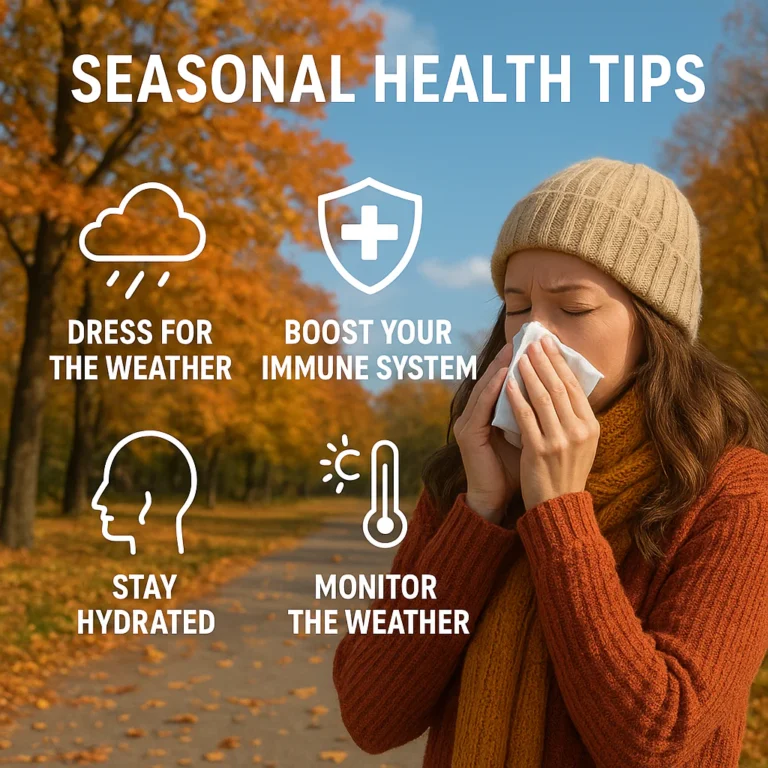
Boost your immune system by maintaining a nutrient-rich diet (vitamins C, D, zinc), managing stress, getting enough sleep, and exercising regularly. Vaccinations are critical preventive tools. Avoid smoking and excessive alcohol, which impair immune function. Remember, the immune system thrives on balance — over- or under-activation can both cause problems.
What are the top daily health habits that can help prevent chronic diseases?
Answer:
Habits such as not smoking, maintaining a healthy weight, engaging in at least 150 minutes of moderate exercise weekly, eating plenty of fruits and vegetables, and regular health screenings are proven to reduce risks of heart disease, diabetes, and cancer. Monitoring blood pressure and cholesterol can catch problems early.
What are some surprising health benefits of regular exercise and physical activity?
Answer:
Exercise improves brain function, reducing risk of dementia, and boosts mood by releasing endorphins. It enhances immune function, improves sleep quality, and even promotes gut health. The “mirror trick” can make workouts feel easier, increasing adherence. Exercise is truly a multi-system tonic.
How can I improve my overall health and wellbeing through simple lifestyle changes?
Answer:
Start with small, sustainable changes: add an extra serving of vegetables, take short walks, practice mindfulness or meditation, and prioritize sleep hygiene. Consistency beats intensity. Using health trackers can help you stay motivated and informed.
What are the most common health issues that affect people daily?
Answer:
Common issues include allergies, mental health disorders (anxiety, depression), musculoskeletal pain, and chronic conditions like hypertension and diabetes. Awareness of symptoms and early intervention can prevent progression.
What are the most important daily health facts everyone should know?
Answer:
Understanding that your body is constantly repairing itself, that hydration affects cognitive function, and that stress impacts physical health are vital. Also, knowing when to seek medical advice—like persistent pain or sudden changes—is crucial.
How can daily health facts improve my overall well-being?
Answer:
They empower you to make informed choices, debunk myths, and avoid harmful behaviors. For example, knowing that self-tickling doesn’t work because your brain anticipates the sensation can be a fun reminder of how your nervous system operates.
What are some surprising medical health facts about common illnesses?
Answer:
For instance, many people don’t realize that eczema is more commonly diagnosed in women, or that boys are more prone to food allergies. Also, your nails can indicate oxygen levels, revealing underlying circulatory issues.
How often should I update myself with new medical health facts?
Answer:
Health science evolves rapidly. Aim to update your knowledge at least annually, focusing on trusted sources like the CDC, WHO, and peer-reviewed journals. Staying current helps you adapt to new recommendations and technologies.
What daily habits are supported by medical health facts for better health?
Answer:
Habits such as regular handwashing, balanced diet, adequate sleep, stress management, and physical activity are all backed by robust evidence. Avoiding misinformation by consulting reputable sources is equally important.
Are there any medical health facts related to mental health I should be aware of?
Answer:
Absolutely. Mental health disorders affect 1 in 5 adults yearly. Optimism and social support improve outcomes. Anxiety has evolutionary roots but can become maladaptive. Exercise and mindfulness are effective adjuncts to traditional therapy.
How can medical health facts help in preventing chronic diseases?
Answer:
By understanding risk factors and early warning signs, you can make lifestyle changes and seek timely medical care. Facts about diet, exercise, smoking cessation, and screenings are foundational to prevention strategies.
📚 Reference Links: Trusted Sources for Medical Health Facts
-
CDC National Center for Health Statistics (NCHS):
https://www.cdc.gov/nchs/index.html
The authoritative source for U.S. health data and vital statistics. -
World Health Organization (WHO) Global Health Observatory:
https://www.who.int/data/gho
Comprehensive global health statistics and reports. -
American Speech-Language-Hearing Association (ASHA):
https://www.asha.org/
For facts on speech, hearing, and communication disorders. -
Thorne Research:
https://www.thorne.com/
Trusted provider of high-quality supplements. -
Fitbit Official Site:
https://www.fitbit.com/ -
Oura Health:
https://ouraring.com/ -
Peloton:
https://www.onepeloton.com/ -
Mayo Clinic:
https://www.mayoclinic.org/
For accessible, reliable health information.
Thank you for joining us on this fascinating exploration of medical health facts! Stay curious, stay informed, and most importantly—stay healthy. 💪