Support our educational content for free when you purchase through links on our site. Learn more
17 Weird Health Facts That Will Blow Your Mind in 2025 🤯


Did you know your body produces enough heat in just 30 minutes to boil a half-gallon of water? Or that your brain runs on about the same wattage as a small LED bulb? Welcome to the wonderfully weird world of health, where the human body constantly surprises us with its bizarre and fascinating quirks. In this article, we’ll uncover 17 of the strangest, most mind-blowing health facts that you probably never learned in school — and trust us, some of them are downright hilarious!
From the surprising effects of laughter on your well-being to the curious science behind why asparagus makes your pee smell funky, we’ll explore every angle of weird health phenomena. Plus, we’ll dive into the latest on GLP-1 weight loss medications like Ozempic and Wegovy, the hidden dangers of chronic sleep deprivation, and how to motivate yourself to care for your amazing body with tools like Evidation. Ready to have your mind blown and your curiosity satisfied? Let’s get weird!
Key Takeaways
- Your body is a powerhouse: It generates heat, produces natural antibiotics, and your bones are stronger than steel.
- Sleep and laughter are more powerful than you think, influencing brain function, mood, and even blood sugar levels.
- Nutrition has quirky effects: From beeturia to asparagus pee, food impacts your body in unexpected ways.
- Mental and physical health are deeply connected, especially in chronic conditions like migraines and depression.
- GLP-1 medications like Ozempic, Wegovy, Mounjaro, and Zepbound offer promising weight loss options but require medical guidance.
- Motivation tools like Evidation can help turn healthy habits into rewarding routines.
👉 Shop GLP-1 Medications and Health Tools:
- Ozempic on Amazon | Ozempic Official Website
- Wegovy on Amazon | Wegovy Official Website
- Mounjaro on Amazon | Mounjaro Official Website
- Zepbound on Amazon | Zepbound Official Website
- Evidation App on App Store | Evidation on Google Play
Table of Contents
- ⚡️ Quick Tips and Fascinating Facts About Health
- 🧬 The Curious History and Science Behind Weird Health Facts
- 1. 🤯 15 Bizarre Yet True Facts About the Human Body
- 2. 💤 How Sleep Weirdly Influences Your Health and Brain
- 3. 😂 The Surprising Power of Laughter on Your Well-Being
- 4. 💧 Hydration Mysteries: Lesser-Known Facts About Water and Health
- 5. 🍎 Nutritional Oddities That Affect Your Body in Unexpected Ways
- 6. 🧐 Debunking Common Health Myths With Science-Backed Facts
- 7. 🧠 The Intriguing Link Between Mental Health and Chronic Physical Conditions
- 8. 🔥 GLP-1 Medications for Weight Loss: Ozempic, Wegovy, Mounjaro, and Zepbound Explained
- 9. 😴 The Hidden Dangers of Sleeping Only 4 Hours a Night: Causes and Solutions
- 10. 💪 How to Motivate Yourself to Care for Your Amazing Body Using Evidation
- 📜 Conclusion: Embrace the Weird and Wonderful World of Health
- 🔗 Recommended Links for Further Exploration
- ❓ Frequently Asked Questions About Weird Health Facts
- 📚 Reference Links and Trusted Sources
Here at Health Facts™, we’re a team of health professionals who are absolutely obsessed with the weird, wonderful, and downright bizarre inner workings of the human body. We believe that learning about your health should be engaging, entertaining, and, most importantly, helpful! Forget dry, boring medical jargon. We’re here to give you the straight scoop, based on our personal experiences and the latest science, with a healthy dose of wit.
Ready to have your mind blown? Let’s dive into some of the strangest facts about your health that you probably never learned in school.
⚡️ Quick Tips and Fascinating Facts About Health
Ever feel like your body is a complete mystery? You’re not alone! It’s a complex, incredible machine with more quirks than a vintage car. To get you started, we’ve compiled some of our favorite tidbits. And if you’re hungry for more, check out our deep dive into 15 Strange but True Facts About Humans That Will Blow Your Mind 🤯 (2025).
Here’s a quick look at some truly weird health facts:
| Fact Category | The Weird Fact | Implication / Quick Tip |
|---|---|---|
| Brain Power 🧠 | Your brain operates on about 12-25 watts of power, enough to light up a low-wattage LED bulb. | Your brain is incredibly efficient! Keep it fueled with healthy fats and get enough sleep to maintain its power. |
| Body Heat 🔥 | In just 30 minutes, your body produces enough heat to boil a half-gallon of water. | This is your metabolism at work! Stay hydrated to help regulate this internal furnace, especially during exercise. |
| Super Smeller 👃 | Your nose is a memory powerhouse, capable of remembering around 50,000 different scents. | Scents are strongly tied to emotions and memories. Use aromatherapy with scents like lavender or vanilla to de-stress. |
| Bone Strength 💪 | Ounce for ounce, human bone is stronger than steel. | Protect your incredible skeleton with weight-bearing exercises and a calcium-rich diet to keep it strong for life. |
| Emotional Crying 💧 | Humans are the only animals known to cry tears as a response to emotions. | Having a good cry can actually be a release of stress hormones. Don’t hold it back! |
🧬 The Curious History and Science Behind Weird Health Facts

Have you ever wondered how we know this stuff? For centuries, what we considered “health facts” was a wild mix of observation, superstition, and sometimes, just plain guessing. Think about ancient practices like bloodletting to balance the “humors”—it seems bizarre now, but it was cutting-edge medicine at the time!
Today, we rely on the scientific method. It’s a rigorous process of observation, hypothesis, and experimentation that helps us separate fact from fiction. Every weird fact in this article is the result of countless hours of research by curious scientists. They’re the ones who ask the strange questions, like “What’s really in an emotional tear?” or “Why does asparagus make your pee smell funny?” (Don’t worry, we’ll get to that!).
This spirit of inquiry is what drives medical breakthroughs and helps us understand the beautiful complexity of the human body. It’s a journey from anecdotal evidence to evidence-based medicine, and it’s what allows us to confidently share these fascinating insights with you. This approach is central to many fields, including Holistic Medicine, which considers the whole person—body, mind, and spirit.
🤯 15 Bizarre Yet True Facts About the Human Body
Alright, let’s get to the main event! Prepare to be amazed by these 15 strange-but-true facts about that incredible body you live in every day.
- Your Brain is Mostly Fat. That’s right, about 60% of your brain is composed of fat, making it the fattiest organ in your body. This is why healthy fats, like omega-3 fatty acids found in fish and nuts, are crucial for brain health and performance.
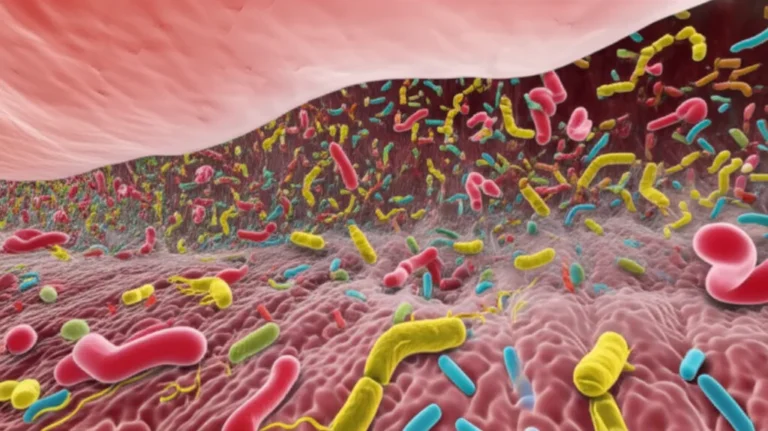
- You’re More Bacteria Than Human. The human body is home to trillions of microorganisms, and bacterial cells are thought to outnumber human cells. This community, your microbiome, is vital for digestion, immunity, and even your mood.
- Your Stomach Gets a New Lining Every Few Days. The acid in your stomach is strong enough to dissolve some metals. To protect itself, the stomach lining constantly regenerates every three to four days.
- You Produce Enough Saliva to Fill Two Swimming Pools in a Lifetime. Over your life, your salivary glands will produce an astonishing amount of saliva, which is essential for digestion and protecting your teeth.
- Ounce for Ounce, Bone is Stronger Than Steel. A block of bone the size of a matchbox can support up to 18,000 pounds. It’s the unique combination of strength and flexibility that makes our skeleton so remarkable.
- Your Skin is Your Largest Organ. The average adult is covered in about 22 square feet of skin, which is constantly shedding and renewing itself.
- Your Nose Can Remember 50,000 Scents. Your sense of smell is deeply connected to the memory centers in your brain. A single scent can trigger a vivid memory or a powerful emotion.
- Your Ears and Nose Never Stop Growing. While your bones stop growing after puberty, the cartilage in your ears and nose continues to grow and change throughout your life. Gravity also plays a role, causing earlobes to elongate over time.
- Your Tongue Print is as Unique as Your Fingerprint. If you ever need a foolproof way to prove your identity, just stick out your tongue!
- Emotional Tears Are Chemically Different. Tears shed from sadness or joy contain different proteins and hormones than tears shed due to an irritant, like an onion. Emotional tears contain stress hormones, suggesting that crying is a way for the body to release them.
- Your Heart Can Beat Outside Your Body. The heart has its own electrical system and can continue to beat for a short time even when separated from the body, as long as it has a supply of oxygen.
- Your Brain Generates Enough Electricity to Power a Light Bulb. As mentioned in our quick facts, the 12-25 watts your brain produces while you’re awake is enough to power a small LED light.
- You are a Heat-Generating Machine. The human body produces a significant amount of heat. In just half an hour, it’s enough to boil a half-gallon of water.
- Your Body Can Produce Its Own Antibiotics. Certain cells in your body are capable of creating antimicrobial peptides, which are natural substances that can fight off infections.
- You Can’t Smell When You’re Asleep. Your sense of smell shuts down when you’re sleeping. This is why smoke detectors are so important, as you wouldn’t be able to smell a fire.
For more mind-bending information, the video “25 Bizarre Medical Facts” by List 25, which you can find at #featured-video, offers even more fascinating insights into this topic.
💤 How Sleep Weirdly Influences Your Health and Brain
Think you’re just “off” when you’re sleeping? Think again! Your brain is a hotbed of activity. One of the biggest myths is that we only use 10% of our brain. As neurologists confirm, “You actually use all of it, even when you are sleeping.”
While you’re dreaming, your brain is hard at work:
- Consolidating Memories: It’s like a librarian, filing away the important events of the day and tossing out the junk.
- Cleaning House: A fascinating process called the glymphatic system kicks into high gear during sleep. It clears out waste products from the brain that build up while you’re awake.
- Problem-Solving: Have you ever woken up with the solution to a problem? That’s your sleeping brain at work, making connections your conscious mind might have missed.
Getting enough quality sleep is one of the most important things you can do for your health. It’s not just about feeling rested; it’s about giving your brain the time it needs to perform these critical maintenance tasks. Consistent, quality sleep is a cornerstone of our Fitness Tips because, without it, muscle recovery and overall performance suffer.
😂 The Surprising Power of Laughter on Your Well-Being
Ever heard the saying “laughter is the best medicine”? Well, there’s some serious science to back that up! A good, hearty laugh isn’t just fun; it triggers a cascade of positive physiological changes in your body.
Here’s what happens when you laugh:
- Endorphin Release: Laughter releases endorphins, your body’s natural feel-good chemicals. These can promote an overall sense of well-being and can even temporarily relieve pain.
- Stress Reduction: It fires up and then cools down your stress response, increasing your heart rate and blood pressure initially, then leaving you with a good, relaxed feeling.
- Internal Workout: A good laugh can stimulate your organs. It enhances your intake of oxygen-rich air, stimulates your heart, lungs, and muscles, and can even aid in muscle relaxation.
- Blood Sugar Impact: Some studies have even shown that laughter can help lower the increase in blood sugar levels after a meal, particularly for people with diabetes.
So, go ahead! Watch that funny movie, share a joke with a friend, or find the humor in everyday situations. Your body and mind will thank you for it.
💧 Hydration Mysteries: Lesser-Known Facts About Water and Health
You know you need to drink water, but the world of hydration is full of myths and surprising truths. Let’s clear up a few things.
- ❌ Myth: You need to drink eight 8-ounce glasses of water a day. The truth is, hydration needs are highly personal. They depend on your activity level, weight, climate, and overall health. The “eight glasses” rule is a general guideline, not a strict command.
- ✅ Fact: By the time you feel thirsty, you’re already dehydrated. Thirst is a delayed signal. It’s better to sip water consistently throughout the day to stay ahead of the curve.
- ✅ Fact: You can get about 20% of your hydration from food. Water-rich foods like fruits (watermelon, strawberries), vegetables (cucumber, celery), and soups contribute significantly to your daily fluid intake.
- ✅ Fact: Coffee can contribute to your hydration. While caffeine has a mild diuretic effect, the water in a cup of coffee more than makes up for it. In moderation, “you can get hydrated with coffee.”
- ❌ Myth: You can’t drink too much water. It’s rare, but it is possible to “overdose” on water. Drinking excessive amounts in a short period can lead to a dangerous condition called hyponatremia, where sodium levels in your blood become dangerously diluted.
Staying properly hydrated is crucial for everything from energy levels to brain function. It’s also a key component of Environmental Health, as access to clean, safe drinking water is a global priority.
🍎 Nutritional Oddities That Affect Your Body in Unexpected Ways
Food is fuel, but sometimes it has some pretty weird side effects! What you eat can affect your body in ways you might never expect.
- The Beeturia Phenomenon: Ever eaten beets and then been shocked to see pink or red urine? This is a harmless condition called beeturia. It happens because some people’s bodies don’t fully break down the pigment (betanin) that gives beets their vibrant color. While usually harmless, if it happens every time, it could be a sign of low stomach acid or iron deficiency.
- Asparagus and Your Pee: Ah, the infamous asparagus pee. That distinct, slightly unpleasant smell is caused by the breakdown of asparagusic acid, a compound found only in asparagus. Your body metabolizes it into sulfur-containing compounds, which are smelly. Fun fact: Not everyone can smell it! There’s a genetic variation that affects whether you can detect the odor.
- Your Gut as a “Second Brain”: The gut microbiome, the vast community of bacteria living in your digestive system, has a profound impact on your health. It influences everything from digestion and immunity to your mood and mental health. This gut-brain connection is a hot area of research.
Understanding how different foods affect your body is key to a healthy diet. This is especially important for Children’s Health, as establishing good eating habits early on can have lifelong benefits.
🧐 Debunking Common Health Myths With Science-Backed Facts
In the age of the internet, health misinformation spreads like wildfire. As your trusted team at Health Facts™, we’re here to set the record straight. Let’s bust some myths with our friends at our Health Myth Busters division!
- ❌ Myth: Cracking your knuckles causes arthritis.
- Fact: This is a classic old wives’ tale. The “popping” sound is just gas bubbles in your synovial fluid being released. While it might annoy people around you, there’s no scientific evidence linking it to arthritis.
- ❌ Myth: You need to do a “detox” or “cleanse” to rid your body of toxins.
- Fact: You already have a highly efficient, built-in detoxification system: your liver and kidneys. These organs work 24/7 to filter your blood and eliminate waste. Save your money on those expensive juices and focus on supporting your body’s natural processes with a healthy diet and plenty of water.
- ❌ Myth: Sugar makes kids hyper.
- Fact: Multiple studies have debunked this. What parents often perceive as a “sugar rush” is more likely excitement from the situation (like a birthday party) where sugary treats are common. While too much sugar isn’t healthy for other reasons, it’s not the direct cause of hyperactivity.
- ❌ Myth: Eating late at night makes you gain weight.
- Fact: It’s not when you eat, but what and how much you eat that matters most for weight management. A calorie is a calorie, whether you consume it at 8 AM or 8 PM. The key is your total daily caloric intake versus your expenditure.
🧠 The Intriguing Link Between Mental Health and Chronic Physical Conditions
Your mind and body are not separate entities; they are deeply and intricately connected. Living with a chronic physical condition like diabetes, heart disease, or chronic pain can significantly increase your risk of developing mental health challenges like depression and anxiety.
Here’s why:
- The Burden of Management: Constantly managing symptoms, treatments, and appointments can be exhausting and stressful.
- Stress and Cortisol: Chronic stress, a common companion to chronic illness, can lead to elevated levels of the hormone cortisol. High cortisol can raise blood sugar, increasing the risk for type 2 diabetes.
- Inflammation: Both chronic illness and depression are linked to systemic inflammation, creating a vicious cycle where each condition can worsen the other.
- The Anxiety-Migraine Loop: People with chronic migraines are significantly more likely to also suffer from anxiety and depression. The constant worry about when the next attack will strike can fuel anxiety, while the pain and disruption of migraines can lead to feelings of hopelessness and depression.
It’s crucial to treat the whole person. If you’re living with a chronic condition, paying attention to your mental health is just as important as managing your physical symptoms.
🔥 GLP-1 Medications for Weight Loss: Ozempic, Wegovy, Mounjaro, and Zepbound Explained
You’ve likely heard the buzz around a class of medications called GLP-1 receptor agonists. Originally developed for type 2 diabetes, drugs like Ozempic and Mounjaro have become famous for their significant weight loss side effects. This has led to the development and approval of versions specifically for weight management, like Wegovy and Zepbound.
So, what’s the difference? Let’s break it down.
How They Work
GLP-1 (glucagon-like peptide-1) is a natural hormone your gut releases when you eat. These medications mimic that hormone, which does a few key things:
- Tells your brain you’re full, reducing appetite.
- Slows down how quickly your stomach empties, keeping you feeling full for longer.
- Prompts your pancreas to release insulin, which helps lower blood sugar.
Mounjaro and Zepbound go a step further. They are “dual agonists,” meaning they mimic GLP-1 and another hormone called GIP (glucose-dependent insulinotropic polypeptide). This dual action can lead to even more significant blood sugar control and weight loss.
Comparison of Popular GLP-1 Medications
| Medication | Active Ingredient | Primary FDA Approval | How it Works | Administration |
|---|---|---|---|---|
| Ozempic | Semaglutide | Type 2 Diabetes | GLP-1 Agonist | Weekly Injection |
| Wegovy | Semaglutide | Chronic Weight Management | GLP-1 Agonist | Weekly Injection |
| Mounjaro | Tirzepatide | Type 2 Diabetes | Dual GLP-1/GIP Agonist | Weekly Injection |
| Zepbound | Tirzepatide | Chronic Weight Management | Dual GLP-1/GIP Agonist | Weekly Injection |
Key Takeaway: Wegovy is essentially a higher-dose version of Ozempic approved for weight loss. Similarly, Zepbound is the exact same drug as Mounjaro, but it’s marketed and approved specifically for weight management. Clinical trials have shown that tirzepatide (Mounjaro/Zepbound) may lead to more substantial weight loss than semaglutide (Ozempic/Wegovy).
These are prescription medications and should only be taken under the guidance of a healthcare provider.
- Learn More on Official Websites:
😴 The Hidden Dangers of Sleeping Only 4 Hours a Night: Causes and Solutions
In our hustle culture, skimping on sleep can sometimes feel like a badge of honor. But consistently getting only 4 hours of sleep a night is a recipe for disaster. It’s not just about feeling tired; it’s about inflicting serious damage on your brain and body.
What Causes Chronic Sleep Deprivation?
- High-Stress Lifestyles: Demanding jobs, financial worries, and family responsibilities can keep your mind racing.
- Poor Sleep Hygiene: Inconsistent bedtimes, exposure to blue light from screens before bed, and an uncomfortable sleep environment can all wreck your sleep quality.
- Underlying Medical Conditions: Sleep apnea, restless legs syndrome, and chronic pain can make it impossible to get a full night’s rest.
The Dangers of Insufficient Sleep
When you consistently get too little sleep, you’re at a higher risk for:
- Cognitive Impairment: Difficulty concentrating, poor memory, and reduced problem-solving skills.
- Mood Disturbances: Increased irritability, anxiety, and risk of depression.
- Weakened Immune System: You’ll be more susceptible to infections like the common cold.
- Serious Health Problems: Chronic sleep deprivation is linked to a higher risk of obesity, diabetes, cardiovascular disease, and even Alzheimer’s disease.
Solutions for Better Sleep
✅ Prioritize a Consistent Schedule: Go to bed and wake up around the same time every day, even on weekends.
✅ Create a Relaxing Bedtime Routine: Read a book, take a warm bath, or listen to calming music.
✅ Optimize Your Bedroom: Keep it dark, quiet, and cool.
✅ Limit Caffeine and Alcohol: Avoid these substances, especially in the hours leading up to bedtime.
✅ Seek Professional Help: If you suspect an underlying sleep disorder, talk to your doctor.
💪 How to Motivate Yourself to Care for Your Amazing Body Using Evidation
Knowing all these amazing facts is one thing, but turning that knowledge into motivation can be tough. We get it! Life is busy. That’s where innovative tools can make a huge difference. One that we’ve found particularly interesting is the Evidation app.
What is Evidation?
Evidation is a free health app that rewards you for making healthy choices. You can connect it to over 30 other health and fitness apps (like Apple Health, Google Fit, Fitbit, etc.) and earn points for activities you’re already doing, such as:
- Walking and exercising
- Tracking your sleep
- Logging your meals
- Monitoring your heart rate
- Answering health surveys
Why It Works: The Power of Positive Reinforcement
Building healthy habits is hard because the rewards often feel far away. Evidation provides a little bit of instant gratification. By earning points that you can redeem for cash or gift cards, you get a small, immediate reward for your efforts. This encourages you to repeat those healthy actions day after day, which is exactly how you build a lasting habit.
It’s a clever way to stay accountable to yourself and get a little nudge of motivation to take care of the incredible, weird, and wonderful body you call home.
- Check out the app: Evidation on the App Store | Evidation on Google Play
Conclusion: Embrace the Weird and Wonderful World of Health

Wow, what a journey! From your brain’s fat content powering a tiny light bulb to your body generating enough heat to boil water, the human body is a marvel packed with quirks and surprises. We’ve busted myths, uncovered weird nutritional oddities, and explored the fascinating connections between mental and physical health. And yes, laughter really is a powerful medicine, so don’t forget to chuckle daily! 😂
If you’re curious about weight loss medications like Ozempic, Wegovy, Mounjaro, or Zepbound, remember these are powerful tools best used under medical supervision. They offer promising results but come with considerations and potential side effects to discuss with your healthcare provider.
Sleep is non-negotiable. The dangers of chronic sleep deprivation are real and wide-ranging, but with some simple lifestyle changes and professional help when needed, you can reclaim your rest and recharge your body and brain.
Finally, motivation is key. Apps like Evidation can help turn your newfound knowledge into daily action by rewarding your healthy habits. After all, caring for your amazing body is the best investment you’ll ever make.
So, next time you think about your health, remember: it’s weird, wonderful, and worth celebrating every day. Stay curious, stay informed, and keep loving your body for all its incredible feats!
Recommended Links for Further Exploration
Shop GLP-1 Medications and Health Tools
- Ozempic: Amazon Search | Ozempic Official Website
- Wegovy: Amazon Search | Wegovy Official Website
- Mounjaro: Amazon Search | Mounjaro Official Website
- Zepbound: Amazon Search | Zepbound Official Website
- Evidation App: App Store | Google Play
Recommended Books on Weird Health Facts and Human Biology
- The Body: A Guide for Occupants by Bill Bryson — Amazon Link
- Anatomy of an Illness by Norman Cousins — Amazon Link
- The Man Who Mistook His Wife for a Hat by Oliver Sacks — Amazon Link
Frequently Asked Questions About Weird Health Facts
What are some unusual health benefits of common foods?
Many everyday foods have surprising health perks beyond basic nutrition. For example:
- Garlic: Known for its antimicrobial properties, garlic can boost your immune system and may help reduce blood pressure.
- Turmeric: Contains curcumin, a compound with anti-inflammatory and antioxidant effects that may aid in managing arthritis and other chronic conditions.
- Dark Chocolate: Rich in flavonoids, it can improve heart health by lowering blood pressure and improving blood flow.
- Chili Peppers: Capsaicin in peppers can temporarily boost metabolism and reduce appetite, aiding weight management.
These benefits are supported by numerous studies but remember, moderation and overall diet quality matter most.
Are there any strange health conditions that affect only a small percentage of the population?
Absolutely! Some rare and fascinating conditions include:
- Foreign Accent Syndrome: After brain injury or stroke, some people suddenly speak with a different accent, often unrecognizable to themselves.
- Alice in Wonderland Syndrome: Causes distortions in perception of size, distance, and time, often linked to migraines or infections.
- Exploding Head Syndrome: A benign condition where people hear loud imagined noises or explosions when falling asleep or waking up.
- Congenital Insensitivity to Pain: A rare genetic disorder where individuals cannot feel physical pain, which can be dangerous without proper precautions.
These conditions highlight the complexity of the nervous system and brain.
Can certain everyday habits have unexpected effects on our overall health and wellbeing?
Yes! Small habits can have outsized impacts:
- Posture: Slouching can lead to chronic back pain and even affect mood and energy levels.
- Screen Time Before Bed: Blue light exposure disrupts melatonin production, making it harder to fall asleep.
- Hydration Timing: Drinking large amounts of water right before bed can disrupt sleep with frequent bathroom trips.
- Social Connection: Regular social interaction boosts mental health and even immune function.
Being mindful of these habits can improve your quality of life significantly.
What are some bizarre medical conditions that have been documented in medical history?
Medical history is full of strange cases:
- Stone Man Syndrome (Fibrodysplasia Ossificans Progressiva): Soft tissues gradually turn into bone, severely restricting movement.
- Walking Corpse Syndrome (Cotard’s Delusion): A rare psychiatric condition where individuals believe they are dead or do not exist.
- Hyperthymesia: People with this condition have an extraordinary autobiographical memory, recalling nearly every day of their lives in vivid detail.
- Pica: The craving and consumption of non-food items like dirt or chalk, often linked to nutritional deficiencies or mental health disorders.
These conditions remind us how diverse and mysterious human health can be.
Reference Links and Trusted Sources
- Northwestern Medicine: 11 Fun Facts About Your Brain
- Evidation Health Blog: 23 Health Facts & Surprising Insights
- Purple Mattress Blog: 30 Weirdly Fascinating Health Body Facts
- Ozempic Official Website: https://www.ozempic.com
- Wegovy Official Website: https://www.wegovy.com
- Mounjaro Official Website: https://mounjaro.lilly.com/
- Zepbound Official Website: https://zepbound.lilly.com/
- Evidation Official Website: https://www.evidation.com
- Health Facts™ Categories:
We hope this deep dive into weird health facts has entertained, enlightened, and empowered you to appreciate your body’s incredible complexity. Stay curious, stay healthy, and keep exploring the fascinating world of health with us at Health Facts™!