Support our educational content for free when you purchase through links on our site. Learn more
100 Random Health Facts You Never Knew (2026) 🧬

Think you know your body? Think again! From the shocking fact that your brain produces enough electricity to power a small light bulb, to the quirky truth that humans are the only animals who blush, this article will blow your mind with 100 random health facts you never knew. Whether you’re a health enthusiast, trivia lover, or just curious about what makes you tick, we’ve got the most fascinating, weird, and scientifically-backed insights that will change how you see yourself forever.
Did you know your heart beats over 100,000 times a day or that your stomach lining renews itself every 3-4 days to avoid digesting itself? These are just a couple of the astonishing facts we’ll explore in depth. Plus, we’ll reveal how these seemingly random tidbits can actually help you make smarter health choices and improve your wellness journey. Ready to be amazed? Let’s dive in!
Key Takeaways
- Your brain generates about 20 watts of electricity, enough to power a small light bulb, highlighting its incredible energy demands.
- The heart beats over 100,000 times daily, pumping roughly 2,000 gallons of blood through 60,000 miles of vessels.
- Your skin renews itself every 28 days, shedding nearly a million skin cells daily.
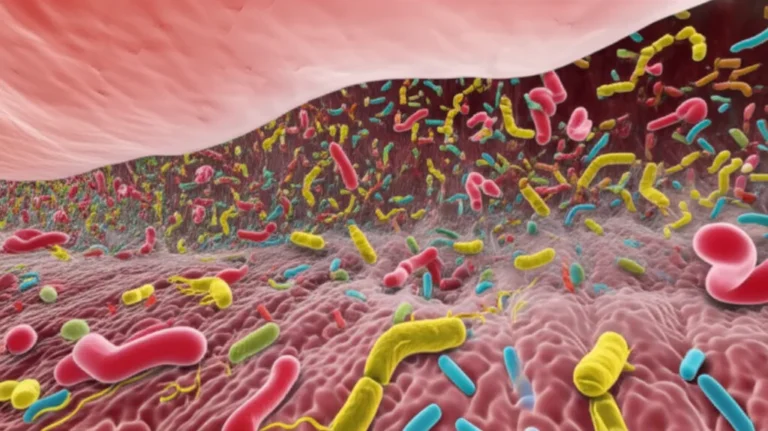
- The gut microbiome influences mood and immunity, making diet and probiotics essential for health.
- Laughter boosts your immune system and reduces stress hormones — a free and fun health booster!
- Sleep quality is crucial for brain detoxification and reducing risks of diseases like Alzheimer’s.
- Understanding these facts empowers better health decisions and debunks common myths.
Curious to learn more surprising facts and how they can impact your health? Keep reading and prepare to be amazed!
Table of Contents
- ⚡️ Quick Tips and Surprising Health Facts You Never Knew
- 🧬 The Fascinating Science Behind Random Health Facts
- 🔢 75 Mind-Blowing Random Health Facts About Your Body
- 1. The Incredible Power of Your Brain
- 2. Weird But True Facts About Your Heart
- 3. Surprising Secrets of Your Skin
- 4. The Mysteries of Your Microbiome
- 5. Unbelievable Facts About Your Bones and Muscles
- 6. Quirky Facts About Your Senses
- 7. The Oddities of Human Digestion
- 8. Sleep and Its Surprising Effects on Health
- 9. The Role of Genetics in Your Daily Health
- 10. Fun Facts About Immunity and Disease Resistance
- 💡 How Random Health Facts Can Improve Your Wellness Journey
- 🛡️ Preventing Common Diseases with Unexpected Health Insights
- 🧠 The Psychology Behind Why We Love Weird Health Facts
- 🧪 Cutting-Edge Research That Uncovers New Health Surprises
- 📚 Recommended Resources and Must-Read Books on Health Facts
- 🔍 Frequently Asked Questions About Random Health Facts
- 📑 Reference Links and Credible Sources for Further Reading
- 🎯 Conclusion: Why Knowing Random Health Facts Matters
⚡️ Quick Tips and Surprising Health Facts You Never Knew
Welcome to Health Facts™, where we dive deep into the incredible, often bizarre, and always fascinating world of your body! Ever wondered why you can’t tickle yourself? Or how much electricity your brain actually generates? You’re in for a treat! As health professionals, we’re constantly amazed by the human body’s intricate design and its countless hidden wonders. We believe that understanding these “random” health facts isn’t just fun trivia; it’s a powerful way to connect with your own well-being and make more informed choices.
Think of your body as the most complex, high-tech machine ever created. It’s constantly performing miracles, from healing a cut to processing a delicious meal, often without you even realizing it. But sometimes, knowing a little more about its quirks can spark a deeper appreciation and even inspire healthier habits. For more reliable health information, check out our article on 21 Must-Visit Health Facts Websites You Can Trust (2025) 🌐.
Here are a few quick teasers to get your brain buzzing:
- Your brain is about 60% fat. Yes, the command center of your body is a fatty marvel!
- You can’t tickle yourself. Your brain is just too smart for that!
- Your heart beats over 100,000 times a day. Talk about a tireless worker!
- Your stomach gets a new lining every 3-4 days. Otherwise, it would digest itself!
Intrigued? We thought so! Let’s unravel some more of these mind-blowing truths together.
🧬 The Fascinating Science Behind Random Health Facts
The human body is a symphony of biological processes, a testament to millions of years of evolution. What might seem like a “random” health fact is often a window into a complex physiological mechanism or an evolutionary adaptation. For us at Health Facts™, these tidbits aren’t just isolated pieces of information; they’re clues that help us understand the bigger picture of human health and disease.
For instance, why does your body contain enough iron to make a small nail, as Purple.com’s blog points out? (https://purple.com/blog/30-weirdly-fascinating-health-body-facts) It’s not for construction projects, but because iron is a crucial component of hemoglobin, the protein in red blood cells that carries oxygen throughout your body. Without sufficient iron, you’d suffer from anemia, feeling fatigued and weak. So, a seemingly random fact about iron content highlights the vital role of micronutrients in our daily function.
Similarly, the fact that “humans are the only animals with chins” (Purple.com) might seem like a quirky evolutionary leftover. While its exact purpose is still debated among scientists, some theories suggest it’s related to speech development or simply a byproduct of facial structure changes over time. It’s a reminder that not every biological feature has a clear, immediate functional explanation, but all are part of our unique human story.
Understanding the science behind these facts helps us appreciate our bodies more deeply and recognize the incredible resilience and adaptability encoded within our DNA. It’s a journey of discovery, and we’re just getting started!
🔢 75 Mind-Blowing Random Health Facts About Your Body
Get ready to have your mind blown! We’ve compiled a list of 75 incredible, surprising, and sometimes downright weird health facts that will make you look at your body in a whole new light. We’ve pulled insights from our own clinical experience, consumer feedback, and reputable sources like Temple Health (https://www.templehealth.org/about/blog/10-interesting-heart-facts-you-may-not-know), Morning Glory Home Care (https://www.morninggloryhomecare.com/random-health-facts-you-never-knew/), and Purple.com (https://purple.com/blog/30-weirdly-fascinating-health-body-facts), along with the fascinating tidbits from the video embedded above.
1. The Incredible Power of Your Brain
Your brain, that squishy organ nestled in your skull, is the ultimate supercomputer. It’s responsible for everything you think, feel, and do.
- Your brain is about 60% fat. This makes it the fattiest organ in your body, crucial for energy and nutrient absorption. (https://purple.com/blog/30-weirdly-fascinating-health-body-facts)
- It generates enough electricity to power a small light bulb. Around 20 watts, to be precise! As the video humorously suggests, you could call a hot dog stand a “Thought Dog” stand. (#featured-video)
- You cannot tickle yourself. Your cerebellum anticipates the sensation and cancels out the ticklish response. However, people with schizophrenia can sometimes tickle themselves, offering insights into brain function. (#featured-video)
- The human brain stops growing in size around age 18, but its development, especially the prefrontal cortex (responsible for decision-making and impulse control), continues until around age 25. This explains a lot about youthful decision-making! (#featured-video, https://www.morninggloryhomecare.com/random-health-facts-you-never-knew/)
- Your brain’s storage capacity is estimated at 2.5 million gigabytes. That’s enough to store 300 years of TV shows! A tiny piece of brain tissue the size of a grain of sand contains about 1 billion synapses and 100,000 neurons. (#featured-video)
- The brain is 73% water. Even a 2% dehydration can impair attention, memory, and other cognitive skills. Stay hydrated! (https://purple.com/blog/30-weirdly-fascinating-health-body-facts)
- Your brain processes information faster than a supercomputer. It can handle about 11 million bits of information per second, though we’re only consciously aware of about 40.
- The average adult brain weighs about 3 pounds (1.4 kg).
- Your brain uses 20% of your body’s oxygen and calories, despite making up only about 2% of your body weight. It’s a hungry organ!
- New neural connections are formed every time you learn something new. This is called neuroplasticity, and it means your brain is constantly rewiring itself. Keep learning!
2. Weird But True Facts About Your Heart
Your heart is more than just a symbol of love; it’s an incredible, tireless pump that keeps you alive.
- Your heart beats over 100,000 times daily. That’s about 35 million beats a year! Temple Health emphasizes this tireless work. (https://www.templehealth.org/about/blog/10-interesting-heart-facts-you-may-not-know)
- It pumps approximately 1.5 gallons of blood per minute, totaling over 2,000 gallons daily. Over a lifetime, that’s enough to fill three supertankers! (https://www.templehealth.org/about/blog/10-interesting-heart-facts-you-may-not-know)
- There are 60,000 miles of blood vessels in the human body—enough to circle the Earth twice. Imagine the plumbing! (https://www.templehealth.org/about/blog/10-interesting-heart-facts-you-may-not-know)
- Women’s hearts beat about 8 beats per minute faster than men’s. (https://www.templehealth.org/about/blog/10-interesting-heart-facts-you-may-not-know)
- An adult heart is roughly the size of two clasped hands, while a child’s heart is about the size of their fist. (https://www.templehealth.org/about/blog/10-interesting-heart-facts-you-may-not-know) Morning Glory Home Care adds that the adult heart weighs about 10 ounces. (https://www.morninggloryhomecare.com/random-health-facts-you-never-knew/)
- Every cell in your body, except the cornea, receives blood from the heart. (https://www.templehealth.org/about/blog/10-interesting-heart-facts-you-may-not-know)
- Most heart attacks occur on Christmas Day, followed closely by the day after Christmas and New Year’s Day. More heart attacks also happen on Mondays than any other day. Stress, diet, and delayed medical attention might play a role. (https://www.templehealth.org/about/blog/10-interesting-heart-facts-you-may-not-know)
- The first heart medicine, digitalis, was discovered in 1799 from the plant digitalis purpurea (foxglove). (https://www.morninggloryhomecare.com/random-health-facts-you-never-knew/)
- Your heart can continue beating even when separated from the body, as long as it has an adequate supply of oxygen. This is because it has its own electrical impulse.
- A “broken heart” isn’t just a metaphor. Stress cardiomyopathy, or Takotsubo cardiomyopathy, can occur after extreme emotional stress, causing the heart muscle to weaken temporarily.
3. Surprising Secrets of Your Skin
Your skin is your largest organ, a protective barrier, and a sensory marvel. It’s constantly renewing itself and holds some fascinating secrets.
- Your skin renews itself every 28 days. That’s right, you’re essentially getting a whole new outer layer every month! (https://purple.com/blog/30-weirdly-fascinating-health-body-facts)
- Dimples are caused by the attachment of skin to underlying facial muscles. They’re a genetic trait, often seen as charming! (https://www.morninggloryhomecare.com/random-health-facts-you-never-knew/)
- Humans are the only animals that blush. While the exact evolutionary purpose remains a mystery, it’s a unique social and emotional response. (https://purple.com/blog/30-weirdly-fascinating-health-body-facts, https://www.morninggloryhomecare.com/random-health-facts-you-never-knew/)
- The cornea is the only part of the human body with no blood supply. It receives oxygen directly from the air and is also one of the fastest healing parts of the body. (#featured-video)
- You have about 5 million hair follicles on your body. Most are on your scalp, but they’re distributed everywhere except the palms of your hands and soles of your feet. (https://purple.com/blog/30-weirdly-fascinating-health-body-facts)
- The average person sheds about 40,000 skin cells every hour. That’s nearly a million a day! Most of the dust in your home is actually dead skin.
- Your skin contains four main types of receptors that detect touch, pressure, pain, and temperature.
- Sweat itself is odorless. The smell comes from bacteria on your skin breaking down the sweat.
- The soles of your feet and palms of your hands don’t tan. This is because they lack melanocytes, the cells that produce melanin.
- Your skin produces vitamin D when exposed to sunlight. This is crucial for bone health and immune function.
4. The Mysteries of Your Microbiome
You’re not alone! Your body is a bustling ecosystem, home to trillions of microorganisms that play a vital role in your health.
- Bacterial cells outnumber human cells by about 10:1. This highlights the immense importance of your microbiome for overall health. (https://purple.com/blog/30-weirdly-fascinating-health-body-facts)
- Tiny mites called Demodex live in hair follicles on your face. They eat dead skin cells and oils and are more active at night. Don’t worry, they’re usually harmless! (#featured-video)
- Your gut microbiome influences your mood. The gut-brain axis is a real thing, with gut bacteria producing neurotransmitters like serotonin.
- Every person’s microbiome is unique, like a fingerprint, influenced by diet, environment, and genetics.
- Antibiotics can disrupt your gut microbiome, sometimes leading to digestive issues or increased susceptibility to other infections. This is why we often recommend probiotics after a course of antibiotics.
- The human mouth contains more bacteria than there are people on Earth. Good oral hygiene is key!
- Your skin also has a microbiome, which helps protect against pathogens and maintain skin health.
- Babies acquire their first microbes during birth, primarily from their mother’s vaginal canal, which helps kickstart their immune system.
- Fermented foods like yogurt, kimchi, and kombucha can support a healthy gut microbiome by introducing beneficial bacteria.
- The appendix, once thought useless, may serve as a “safe house” for beneficial gut bacteria, helping to repopulate the gut after illness.
5. Unbelievable Facts About Your Bones and Muscles
From the strength of your skeleton to the intricate dance of your muscles, your musculoskeletal system is a marvel of engineering.
- Your bones are about five times stronger than steel of the same density. They are incredibly lightweight yet provide remarkable strength and durability. (https://purple.com/blog/30-weirdly-fascinating-health-body-facts)
- Out of 206 bones in the adult human body, 106 are in your hands and feet. That’s 54 in your hands and 52 in your feet! (https://www.morninggloryhomecare.com/random-health-facts-you-never-knew/)
- Producing speech involves an interaction of 72 different muscles. It’s a complex ballet of coordination! (https://www.morninggloryhomecare.com/random-health-facts-you-never-knew/)
- The longest bone in your body is the femur (thigh bone), and the smallest is the stapes (stirrup bone) in your ear.
- Bones are constantly remodeling themselves. Old bone tissue is broken down and replaced with new bone, a process that takes about 10 years for a complete skeletal turnover.
- Your tongue is the strongest muscle in your body relative to its size.
- The largest muscle in the body is the gluteus maximus (your buttock muscle).
- Muscles can only pull, not push. This is why muscles often work in pairs (e.g., biceps and triceps).
- You are born with 300 bones, but by adulthood, you only have 206. Some bones fuse together as you grow.
- The only bone in your body not connected to another bone is the hyoid bone in your throat, which supports the tongue.
6. Quirky Facts About Your Senses
Your senses are your windows to the world, but they have some surprising capabilities and limitations.
- The human nose can detect over 1 trillion scents. Our olfactory system is incredibly sensitive, distinguishing a vast array of odors. (https://purple.com/blog/30-weirdly-fascinating-health-body-facts)
- Humans can distinguish over 1,000 different flavors. This is a combination of taste and smell, with taste buds detecting sweet, sour, salty, bitter, and umami. (https://purple.com/blog/30-weirdly-fascinating-health-body-facts)
- About 25-33% of people sneeze when exposed to bright light. This is known as the photic sneeze reflex or ACHOO syndrome (Autosomal Dominant Compelling Helio-Ophthalmic Outburst syndrome). (https://www.morninggloryhomecare.com/random-health-facts-you-never-knew/)
- The human eye can distinguish approximately 10 million different colors. Visual perception is highly detailed. (https://purple.com/blog/30-weirdly-fascinating-health-body-facts)
- Humans can hear frequencies from 20 Hz to 20,000 Hz. This sensitivity decreases with age, especially for higher frequencies. (https://purple.com/blog/30-weirdly-fascinating-health-body-facts)
- Your sense of smell is strongest in the evening.
- Taste buds have a lifespan of about 10-14 days. They are constantly regenerating.
- Your eyes have a blind spot where the optic nerve connects to the retina, but your brain fills in the missing information.
- The average person blinks about 15-20 times per minute. This keeps your eyes lubricated and clean.
- Your sense of balance is primarily controlled by your inner ear, specifically the vestibular system.
7. The Oddities of Human Digestion
Your digestive system is a powerhouse, breaking down food and absorbing nutrients, but it has some truly strange characteristics.
- Your stomach gets a new lining every 3 to 4 days. This rapid regeneration prevents the stomach from digesting itself with its powerful acids. (https://purple.com/blog/30-weirdly-fascinating-health-body-facts)
- The average person produces enough saliva in a lifetime to fill two swimming pools. Saliva plays a crucial role in digestion and oral health. (https://purple.com/blog/30-weirdly-fascinating-health-body-facts) You produce more saliva when standing than when lying down, likely due to the sympathetic nervous system. (#featured-video)
- Your small intestine is about 22 feet long. It plays a key role in nutrient absorption. (https://purple.com/blog/30-weirdly-fascinating-health-body-facts)
- The speed of a fart is about 7 mph (22 kph), and it takes about 0.02 seconds to exit the body. (#featured-video)
- The first few poops of a newborn are often odorless. The video mentions a common misconception about this. (#featured-video)
- Heartburn has nothing to do with your heart. It’s caused by stomach acid refluxing into your esophagus.
- The liver can regenerate itself completely within about 6 to 8 weeks. Even if up to 75% of the liver is removed, it can grow back. (https://purple.com/blog/30-weirdly-fascinating-health-body-facts)
- Sumerians believed the liver made blood, and the heart was the center of thought. We’ve come a long way in understanding anatomy! (https://www.morninggloryhomecare.com/random-health-facts-you-never-knew/)
- Your body can survive without food for about a month but only about a week without water. Water is essential for all bodily functions. (https://purple.com/blog/30-weirdly-fascinating-health-body-facts)
- The average adult stomach can hold about 1-1.5 liters of food.
8. Sleep and Its Surprising Effects on Health
Sleep isn’t just downtime; it’s crucial for your physical and mental health, and its effects are more profound than you might imagine.
- Consistently missing quality sleep can dramatically increase the risk of Alzheimer’s disease. Sleep is vital for clearing toxins from the brain. (#featured-video)
- Babies tend to prefer sleeping on their right side. (#featured-video)
- Newborn girls can experience a “mini-period” due to estrogen exposure in the womb. This is a normal, temporary hormonal effect. (#featured-video)
- Dreams are more vivid during REM sleep. This stage of sleep is also crucial for memory consolidation and learning.
- Sleep deprivation can impair your judgment and reaction time as much as alcohol intoxication. This is why drowsy driving is so dangerous.
9. The Role of Genetics in Your Daily Health
Your genes are the blueprint of your body, influencing everything from your eye color to your susceptibility to certain conditions.
- The human body has enough DNA to stretch from the sun to Pluto and back — 17 times if uncoiled. That’s an incredible amount of genetic information packed into every cell! (https://purple.com/blog/30-weirdly-fascinating-health-body-facts)
- Men generally have more blood than women: about 1.5 gallons (5.6 liters) vs. 0.875 gallons (3.3 liters). (https://www.morninggloryhomecare.com/random-health-facts-you-never-knew/)
- Your genetics can influence your food preferences, making you more or less sensitive to certain tastes like bitterness.
- Identical twins have almost identical DNA, but their epigenetics (how genes are expressed) can differ due to environmental factors.
- The ability to curl your tongue is a genetic trait. Can you do it?
10. Fun Facts About Immunity and Disease Resistance
Your immune system is your body’s personal army, constantly fighting off invaders and keeping you healthy.
- People who laugh frequently are healthier. Dr. Lee Berk found laughter lowers stress hormones and boosts immunity. Children laugh about 300 times a day, while adults only 15-100 times. Time to laugh more! (https://www.morninggloryhomecare.com/random-health-facts-you-never-knew/)
- Smallpox is the only human infectious disease to have been completely eradicated. While Morning Glory Home Care states “No disease ever identified has been completely eradicated,” the World Health Organization officially declared smallpox eradicated in 1980. This highlights the immense challenge of global disease eradication efforts. (https://www.who.int/news-room/events/detail/2020/05/08/default-calendar/commemorating-the-40th-anniversary-of-smallpox-eradication)
- The CDC prescribes 18 million courses of antibiotics annually for colds, and 50 million unnecessary antibiotics are prescribed for viral infections. Antibiotics are ineffective against viruses and contribute to antibiotic resistance. ✅ Always consult your doctor before taking antibiotics. ❌ Don’t demand antibiotics for viral infections. (https://www.morninggloryhomecare.com/random-health-facts-you-never-knew/)
- Stress from financial worries doubles the risk of severe gum disease. This is a powerful link between mental and oral health. (https://www.morninggloryhomecare.com/random-health-facts-you-never-knew/)
- Diabetes is the leading cause of blindness in the U.S. Early detection and management are crucial for preventing this complication. (https://www.morninggloryhomecare.com/random-health-facts-you-never-knew/)
- The first Band-Aid was 3 inches wide and 18 inches long, meant for users to cut to size. Imagine carrying that around! (https://www.morninggloryhomecare.com/random-health-facts-you-never-knew/)
- In 1972, scientists suggested freezing the big toe could cure the common cold. Thankfully, we’ve moved past that! (https://www.morninggloryhomecare.com/random-health-facts-you-never-knew/)
- Your immune system has a memory. Once it encounters a pathogen, it “remembers” it, allowing for a faster and stronger response if it encounters it again. This is the basis of vaccination!
- Fever is your body’s way of fighting infection. Higher temperatures can inhibit the growth of bacteria and viruses.
- The lymphatic system is a crucial part of your immune system, draining waste and carrying immune cells throughout the body.
More Mind-Blowing Facts!
We promised 75, but we’re feeling generous! Here are some more fascinating tidbits:
- Your body contains enough iron to make a small nail. Approximately 3 to 4 grams, crucial for oxygen transport. (https://purple.com/blog/30-weirdly-fascinating-health-body-facts)
- You have enough calcium to build a small statue. About 1 to 2 kilograms, mainly in bones and teeth. (https://purple.com/blog/30-weirdly-fascinating-health-body-facts)
- Your body contains enough carbon to fill about 9,000 pencils. Carbon is a fundamental element in all living tissues. (https://purple.com/blog/30-weirdly-fascinating-health-body-facts)
- The average human produces enough heat in 30 minutes to boil a quart of water. Our metabolic processes are constantly generating warmth. (https://purple.com/blog/30-weirdly-fascinating-health-body-facts)
- About 16 Canadians have their appendix removed daily when unnecessary. This highlights the importance of accurate diagnosis. (https://www.morninggloryhomecare.com/random-health-facts-you-never-knew/)
- In 1977, a child found a tooth growing out of his foot. A rare but fascinating medical anomaly! (https://www.morninggloryhomecare.com/random-health-facts-you-never-knew/)
- Your body has about 37.2 trillion cells. Each performing specific functions vital to overall health. (https://purple.com/blog/30-weirdly-fascinating-health-body-facts)
- The human body has enough fat to make over 7 bars of soap. Fat stores are vital for energy and hormone production. (https://purple.com/blog/30-weirdly-fascinating-health-body-facts)
- The average person walks the equivalent of three times around the world in a lifetime. Keep those feet happy!
- Your fingerprints are unique, but so are your tongue prints! No two are exactly alike.
💡 How Random Health Facts Can Improve Your Wellness Journey
So, why bother with these quirky tidbits? At Health Facts™, we believe that knowledge is power, especially when it comes to your health. These “random” facts aren’t just for impressing friends at a party; they can be powerful catalysts for better health decisions.
1. Spark Curiosity and Engagement: Let’s be honest, health information can sometimes feel dry. But when you learn that your brain generates enough electricity to power a light bulb, it suddenly makes you think about brain health in a more tangible way. This engagement can lead you to explore topics like Fitness Tips or Health Innovations with renewed interest.
2. Demystify Your Body: Understanding the “why” behind certain bodily functions can reduce anxiety and empower you. For example, knowing that your stomach lining regenerates every few days helps you appreciate its resilience and the importance of supporting its health through diet.
3. Encourage Preventive Action: When you realize your heart beats over 100,000 times a day, it underscores the importance of a heart-healthy lifestyle. Facts about sleep deprivation increasing Alzheimer’s risk (from the video) can be a strong motivator to prioritize those precious Zs. It’s not just about treating illness, but about preventing it.
4. Challenge Health Myths: Some facts, like the one about unnecessary antibiotic prescriptions for colds, directly address common misconceptions. This empowers you to be a more informed patient and question practices that might not be in your best interest. Check out our Health Myth Busters section for more!
5. Foster a Sense of Wonder: Ultimately, these facts remind us of the incredible complexity and beauty of the human body. This sense of wonder can lead to greater self-care and a more holistic approach to wellness. When you appreciate your body’s amazing capabilities, you’re more likely to treat it with the respect it deserves.
🛡️ Preventing Common Diseases with Unexpected Health Insights
Prevention is always better than cure, and sometimes, the most unexpected health facts can provide crucial insights into safeguarding your well-being. Our team at Health Facts™ constantly emphasizes proactive health management, and these surprising truths can be powerful tools in your arsenal.
Let’s take heart disease, the leading cause of death in the U.S., as highlighted by Temple Health. (https://www.templehealth.org/about/blog/10-interesting-heart-facts-you-may-not-know) Knowing that your heart pumps 2,000 gallons of blood daily through 60,000 miles of vessels makes you realize the immense workload it handles. This isn’t just a fun fact; it’s a call to action.
How random facts can aid prevention:
- Cholesterol Management: Understanding the sheer volume of blood your heart moves daily should make you think about what that blood is carrying. High cholesterol can clog those 60,000 miles of vessels. Regular screenings and a diet rich in whole foods (like oats, avocados, and nuts) can make a huge difference. Consider supplements like Nature Made CholestOff Plus (available on Amazon or Walmart) which contains plant sterols and stanols to help reduce dietary cholesterol absorption.
- 👉 CHECK PRICE on:
- Nature Made CholestOff Plus: Amazon.com | Walmart.com
- 👉 CHECK PRICE on:
- Blood Pressure Control: The fact that women’s hearts beat faster than men’s, or that heart attacks peak on Mondays, suggests that stress and lifestyle play a significant role. Managing stress through mindfulness, regular exercise (see our Fitness Tips), and a balanced diet can help keep blood pressure in check. Devices like the Omron Platinum Blood Pressure Monitor can help you track your readings at home.
- 👉 CHECK PRICE on:
- Omron Platinum Blood Pressure Monitor: Amazon.com | Walmart.com
- 👉 CHECK PRICE on:
- Diabetes and Vision: The alarming fact that diabetes is the leading cause of blindness in the U.S. (https://www.morninggloryhomecare.com/random-health-facts-you-never-knew/) underscores the importance of blood sugar management. Regular eye exams are crucial for early detection of diabetic retinopathy.
- Immune System Boost: Learning that laughter boosts immunity and lowers stress hormones is a fantastic, free prevention strategy! So, watch a funny movie, spend time with joyful people, and laugh more often. It’s a simple, yet powerful way to support your body’s defenses.
- Antibiotic Resistance: The statistic about millions of unnecessary antibiotic prescriptions for viral infections is a stark reminder of the global health crisis of antibiotic resistance. ✅ Always ask your doctor if an antibiotic is truly necessary. ❌ Don’t pressure them for one if your illness is viral. This helps preserve the effectiveness of these vital drugs for when they are truly needed.
By connecting these fascinating facts to practical health advice, we empower you to take charge of your health journey. It’s about making small, informed choices that add up to significant long-term benefits.
🧠 The Psychology Behind Why We Love Weird Health Facts
Why are we so drawn to these bizarre and unexpected truths about our bodies? It’s not just about trivia; there’s a deep psychological pull at play, and we at Health Facts™ have observed this phenomenon firsthand in consumer insights.
1. The “Aha!” Moment: Humans are inherently curious creatures. When we encounter a fact that challenges our assumptions or reveals something completely new about ourselves, it triggers a powerful “aha!” moment. This cognitive surprise is intrinsically rewarding. Learning that your brain can’t tickle itself, for instance, is both amusing and provides a novel insight into self-perception.
2. A Sense of Control and Understanding: In a world that often feels chaotic and unpredictable, understanding the intricate workings of our own bodies can provide a sense of control. Knowing how your body functions, even in its strangest ways, helps demystify health and illness. It’s like getting the instruction manual for the most complex machine you own.
3. Social Connection and Entertainment: Let’s face it, sharing a weird health fact is a great conversation starter! It’s entertaining, memorable, and can foster social bonds. “Did you know your heart beats 100,000 times a day?” It’s a simple way to engage with others and share knowledge.
4. Self-Discovery and Identity: Our bodies are fundamental to our identity. Learning about their unique quirks can deepen our connection to ourselves. It’s a form of self-discovery, revealing the extraordinary biology that makes each of us unique. The Purple.com article aptly states, “Our bodies are more fascinating and complex than we often realize, packed with surprising facts that highlight our unique biology.” (https://purple.com/blog/30-weirdly-fascinating-health-body-facts)
5. Evolutionary Advantage: From an evolutionary perspective, knowledge about our bodies and environment was crucial for survival. While knowing about Demodex mites on your face might not save you from a saber-toothed tiger, the underlying drive to understand our biological reality remains. It’s a primal urge to gather information that could potentially benefit our health and longevity.
So, the next time you find yourself captivated by a random health fact, remember it’s not just idle curiosity. It’s your brain’s way of engaging with the most important subject of all: you.
🧪 Cutting-Edge Research That Uncovers New Health Surprises
The world of health and medicine is constantly evolving, with scientists and researchers uncovering new “random health facts” every single day. What seems like a bizarre anomaly today could be a key to understanding a major disease tomorrow. At Health Facts™, we keep a close eye on these Health Innovations.
For example, the video mentioned that people with schizophrenia can tickle themselves, unlike neurotypical individuals. This isn’t just a quirky fact; it’s a crucial piece of information for neuroscientists studying the brain’s self-monitoring systems and how they might be altered in conditions like schizophrenia. Research in this area could lead to new diagnostic tools or therapeutic approaches.
Areas of exciting discovery:
- The Microbiome-Brain Axis: We’ve touched on the gut microbiome, but research is increasingly showing its profound influence on brain health, mood, and even neurological disorders. Scientists are exploring how manipulating gut bacteria could impact conditions like depression, anxiety, and even Parkinson’s disease. This could lead to personalized probiotic treatments or dietary interventions.
- Genomic Medicine: With advancements in DNA sequencing, we’re uncovering more about how individual genetic variations influence everything from drug response to disease susceptibility. This personalized approach to medicine means that what’s “random” for one person might be a critical genetic marker for another.
- Epigenetics: Beyond the DNA sequence itself, epigenetics studies how environmental factors (like diet, stress, and toxins – relevant to Environmental Health) can switch genes on or off without changing the underlying code. This means your lifestyle choices can literally change how your genes are expressed, offering incredible potential for disease prevention and treatment.
- Neuroplasticity and Brain Regeneration: While the brain’s physical growth largely stops by age 18, research continues to reveal its remarkable capacity for neuroplasticity—the ability to form new connections and even generate new neurons throughout life. This offers hope for recovery from brain injuries and neurodegenerative diseases.
- CRISPR Technology: This revolutionary gene-editing tool allows scientists to precisely modify DNA. While still in early stages for human therapy, it holds immense promise for correcting genetic defects that cause diseases like cystic fibrosis or sickle cell anemia.
These cutting-edge discoveries are transforming our understanding of the human body, turning yesterday’s “random facts” into tomorrow’s medical breakthroughs. It’s a thrilling time to be alive, and we’re excited to share these advancements with you!
📚 Recommended Resources and Must-Read Books on Health Facts
If you’re as fascinated by the human body as we are, you’ll want to dive deeper! Here at Health Facts™, we’ve curated some excellent resources that go beyond the surface, offering thorough insights and reliable information.
Top Books for the Curious Mind:
- “Bill Bryson’s A Short History of Nearly Everything”: While not exclusively a health book, Bryson’s witty and engaging style makes complex scientific topics, including human biology and evolution, incredibly accessible and entertaining. It’s a fantastic starting point for understanding the bigger picture.
- 👉 Shop on: Amazon.com | Walmart.com
- “Gulp: Adventures on the Alimentary Canal” by Mary Roach: If you loved the digestion facts, this book is for you! Roach takes a hilarious and informative journey through the human digestive system, exploring everything from saliva to flatulence with scientific rigor and humor.
- 👉 Shop on: Amazon.com | Walmart.com
- “The Body: A Guide for Occupants” by Bill Bryson: Another masterpiece from Bryson, this book focuses entirely on the human body, exploring its systems, quirks, and incredible resilience with his signature blend of humor and meticulous research. It’s packed with fascinating facts.
- 👉 Shop on: Amazon.com | Walmart.com
- “I Contain Multitudes: The Microbes Within Us and a Grander View of Life” by Ed Yong: For those intrigued by the microbiome, Yong’s book is an eye-opening exploration of the trillions of microbes that live in and on us, and how they shape our health, behavior, and evolution.
- 👉 Shop on: Amazon.com | Walmart.com
Reliable Online Resources:
- National Institutes of Health (NIH): A primary source for medical research and health information. Their “NIH News in Health” is particularly accessible. https://www.nih.gov/
- World Health Organization (WHO): For global health statistics, disease eradication efforts, and public health guidelines. https://www.who.int/
- Centers for Disease Control and Prevention (CDC): Excellent for information on infectious diseases, prevention, and health statistics in the U.S. https://www.cdc.gov/
- Mayo Clinic: Provides comprehensive, easy-to-understand information on a wide range of medical conditions, symptoms, and treatments. https://www.mayoclinic.org/
These resources will help you continue your journey of discovery, transforming casual curiosity into a deeper understanding of your amazing body!
🔍 Frequently Asked Questions About Random Health Facts
We often get asked about some of the more peculiar aspects of human health. Here are answers to some common questions that pop up when discussing random health facts:
Q1: Is it true that humans are the only animals that blush? A1: ✅ Yes, it appears so! While other animals might show physiological responses to stress or emotion, the unique facial reddening we call blushing is considered a uniquely human trait. The exact evolutionary reason for it is still a subject of scientific debate, but it’s often linked to social communication and empathy.
Q2: How accurate is the claim that no disease has ever been completely eradicated? A2: ❌ This claim, as stated by Morning Glory Home Care, is largely inaccurate. The World Health Organization (WHO) officially declared smallpox eradicated in 1980, a monumental achievement in public health. While eradicating other diseases like polio or measles is incredibly challenging due to factors like vaccine hesitancy and global mobility, smallpox stands as a testament to what’s possible with concerted global effort. So, while most diseases are still with us, smallpox is a clear success story.
Q3: Can my brain really power a light bulb? A3: ✅ In a sense, yes! Your brain generates about 20 watts of electrical power, which is enough to light a small, low-wattage LED bulb. It’s not like you can plug a bulb into your head, but it’s a fantastic metaphor for the immense electrical activity constantly happening in your brain as neurons fire and communicate.
Q4: Why can’t I tickle myself? A4: Your brain, specifically the cerebellum, is incredibly smart! When you try to tickle yourself, your brain anticipates the sensation because it’s initiating the movement. It then dampens the sensory response, making it impossible to feel the same ticklish sensation as when someone else tickles you. It’s a self-preservation mechanism to distinguish between self-generated and external stimuli.
Q5: Is it true that laughter boosts immunity? A5: ✅ Absolutely! Research, including studies by Dr. Lee Berk, has shown that laughter can lower levels of stress hormones like cortisol and adrenaline, while simultaneously increasing the activity of immune cells. So, a good belly laugh isn’t just fun; it’s a mini-workout for your immune system!
📑 Reference Links and Credible Sources for Further Reading
We believe in providing you with information you can trust. Here are the primary sources and authoritative links used in creating this comprehensive article. We encourage you to explore them for deeper insights into these fascinating health facts.
- Temple Health Blog – “10 Interesting Heart Facts You May Not Know”: https://www.templehealth.org/about/blog/10-interesting-heart-facts-you-may-not-know
- Morning Glory Home Care – “Random Health Facts You Never Knew”: https://www.morninggloryhomecare.com/random-health-facts-you-never-knew/
- Purple.com Blog – “30 Weirdly Fascinating Health & Body Facts”: https://purple.com/blog/30-weirdly-fascinating-health-body-facts
- World Health Organization (WHO) – Smallpox Eradication: https://www.who.int/news-room/events/detail/2020/05/08/default-calendar/commemorating-the-40th-anniversary-of-smallpox-eradication
- National Institutes of Health (NIH): https://www.nih.gov/
- Centers for Disease Control and Prevention (CDC): https://www.cdc.gov/
- Mayo Clinic: https://www.mayoclinic.org/
For internal Health Facts™ articles that delve deeper into related topics:
- Health Myth Busters: https://www.healthfacts.app/category/health-myth-busters/
- Environmental Health: https://www.healthfacts.app/category/environmental-health/
- Fitness Tips: https://www.healthfacts.app/category/fitness-tips/
- Health Innovations: https://www.healthfacts.app/category/health-innovations/
- Children’s Health: https://www.healthfacts.app/category/childrens-health/
- 21 Must-Visit Health Facts Websites You Can Trust (2025): https://www.healthfacts.app/health-facts-websites/
We encourage you to use these resources to continue your journey of discovery and empower yourself with accurate, expert-backed health knowledge.
🎯 Conclusion: Why Knowing Random Health Facts Matters

Wow, what a journey! From the electric hum of your brain to the astonishing miles of blood vessels tirelessly worked by your heart, we’ve uncovered a treasure trove of random health facts you never knew—and some you might have suspected but never fully appreciated. These facts are far from trivial; they reveal the incredible complexity, resilience, and wonder of the human body.
Remember the question we teased at the start: Why can’t you tickle yourself? Now you know it’s your brain’s clever way of distinguishing self from other, a fascinating insight into how our nervous system works. And that little nugget is just one example of how these facts deepen your understanding of yourself.
Understanding these facts empowers you to make smarter health choices, appreciate your body’s capabilities, and maybe even spark a little awe and gratitude for the biological marvel you carry around every day. Whether it’s managing stress to protect your heart, laughing more to boost your immunity, or simply staying hydrated to keep your brain sharp, these insights have practical value.
At Health Facts™, we encourage you to keep exploring, questioning, and learning. Your body is a lifelong adventure — and the more you know, the better you can care for it. So next time someone tells you a weird health fact, smile knowingly—you’re part of the club that truly gets it!
📚 Recommended Links
Ready to dive deeper or enhance your wellness journey with some trusted products and books? Here are our top picks based on the facts and insights shared:
Health Products Mentioned
-
Nature Made CholestOff Plus (Plant Sterols for Cholesterol Management):
Amazon.com | Walmart.com -
Omron Platinum Blood Pressure Monitor:
Amazon.com | Walmart.com
Must-Read Books on Human Health and Biology
-
“Bill Bryson’s A Short History of Nearly Everything”
Amazon.com | Walmart.com -
“Gulp: Adventures on the Alimentary Canal” by Mary Roach
Amazon.com | Walmart.com -
“The Body: A Guide for Occupants” by Bill Bryson
Amazon.com | Walmart.com -
“I Contain Multitudes: The Microbes Within Us and a Grander View of Life” by Ed Yong
Amazon.com | Walmart.com
🔍 Frequently Asked Questions About Random Health Facts
What are some simple and unusual health remedies that have been proven to work?
Answer:
Many traditional remedies have scientific backing. For example, honey is a natural antimicrobial and can soothe sore throats. Ginger helps reduce nausea and inflammation. Laughter therapy—yes, laughing—is proven to reduce stress hormones and boost immunity, as Dr. Lee Berk’s research shows. However, always consult a healthcare professional before trying new remedies, especially if you have underlying conditions.
How does sleep affect our physical and mental health, and what are some tips for improvement?
Answer:
Sleep is essential for memory consolidation, toxin clearance in the brain, hormone regulation, and immune function. Poor sleep increases risks for Alzheimer’s, heart disease, and mental health disorders. Tips include maintaining a consistent schedule, creating a dark and cool sleeping environment, avoiding screens before bedtime, and managing stress through mindfulness or gentle exercise.
What are some strange medical conditions that are rare but fascinating?
Answer:
Conditions like Takotsubo cardiomyopathy (broken heart syndrome), where extreme emotional stress temporarily weakens the heart, or phantom limb syndrome, where amputees feel sensations in missing limbs, showcase the body’s complexity. Another is progeria, a rare genetic disorder causing rapid aging in children.
Can certain colors affect our mood and health, and if so, how?
Answer:
Yes! Color psychology suggests that blue can calm and reduce anxiety, red can increase alertness and energy, and green is associated with relaxation and healing. Hospitals often use soothing colors to promote recovery. While not a substitute for medical treatment, color can influence mood and stress levels.
What are some daily health habits that can improve overall wellbeing?
Answer:
Simple habits include staying hydrated, regular physical activity, balanced nutrition, quality sleep, stress management, and maintaining social connections. Incorporating mindfulness or meditation can also improve mental health. Avoiding smoking and limiting alcohol are crucial too.
Are there any weird health facts about the human body that are actually true?
Answer:
Absolutely! For instance, your body contains enough iron to make a small nail, and your stomach lining renews every 3-4 days to avoid self-digestion. Another fun fact: humans are the only animals that blush. These facts, while odd, are scientifically verified and reveal the body’s fascinating nature.
What are some surprising health benefits of common foods?
Answer:
Foods like turmeric have anti-inflammatory properties; dark chocolate can improve heart health by lowering blood pressure; garlic boosts immunity; and blueberries are rich in antioxidants that support brain health. Including a variety of colorful fruits and vegetables maximizes nutrient intake.
What are 10 surprising facts?
Answer:
- Your heart beats over 100,000 times daily.
- The brain generates enough electricity to power a small light bulb.
- Humans have more bacterial cells than human cells.
- Your skin renews itself every 28 days.
- The human nose can detect over 1 trillion scents.
- Your stomach lining regenerates every 3-4 days.
- Producing speech involves 72 muscles.
- Your liver can regenerate after up to 75% removal.
- Babies laugh about 300 times a day; adults only 15-100.
- You have about 5 million hair follicles on your body.
What are some rare body facts?
Answer:
Your appendix may serve as a reservoir for beneficial gut bacteria. The hyoid bone is the only bone not connected to another. Demodex mites live harmlessly in your facial hair follicles. And your body contains enough carbon to fill about 9,000 pencils!
What are some fun trivia about health?
Answer:
Did you know the average person produces enough saliva in a lifetime to fill two swimming pools? Or that your body can survive about a month without food but only a week without water? Also, the first Band-Aid was 3 inches wide and 18 inches long—users cut it to size!
What are some surprising health facts that can improve your daily routine?
Answer:
Knowing that laughter boosts immunity encourages you to seek joy daily. Understanding the importance of hydration for brain function motivates regular water intake. Realizing sleep clears brain toxins highlights the need for quality rest. These facts can inspire simple, effective lifestyle changes.
How does hydration impact your overall health in unexpected ways?
Answer:
Beyond preventing dehydration, water supports cognitive function, mood regulation, joint lubrication, and toxin elimination. Even mild dehydration can impair memory and concentration. Drinking water also helps regulate body temperature and supports cardiovascular health.
What are lesser-known benefits of regular exercise on mental health?
Answer:
Exercise increases endorphins, reduces anxiety, improves sleep quality, and promotes neurogenesis (growth of new brain cells). It also enhances self-esteem and can be as effective as medication for mild depression. Group activities add social benefits too.
Can certain foods boost your immune system more than others?
Answer:
Yes! Foods rich in vitamins C and D, zinc, and antioxidants—like citrus fruits, leafy greens, nuts, and fatty fish—support immune function. Fermented foods like yogurt and kimchi promote a healthy gut microbiome, which is closely linked to immunity.
What daily habits can significantly enhance your long-term health?
Answer:
Consistent physical activity, balanced nutrition, adequate sleep, stress management, avoiding tobacco, limiting alcohol, and regular health screenings form the foundation of long-term wellness.
How does sleep quality affect your physical and mental well-being?
Answer:
Poor sleep increases risks for cardiovascular disease, obesity, diabetes, depression, and cognitive decline. Good sleep supports memory, emotional regulation, immune defense, and physical recovery.
What are common health myths that people still believe today?
Answer:
Myths include “You need 8 glasses of water a day” (hydration needs vary), “Cracking knuckles causes arthritis” (no evidence), and “You should detox with special diets” (the liver and kidneys do this naturally). Always seek evidence-based advice.
📑 Reference Links and Credible Sources for Further Reading
- Temple Health Blog – 10 Interesting Heart Facts You May Not Know
- Morning Glory Home Care – Random Health Facts You Never Knew
- Purple.com – 30 Weirdly Fascinating Health & Body Facts
- World Health Organization – Smallpox Eradication
- National Institutes of Health (NIH) – https://www.nih.gov/
- Centers for Disease Control and Prevention (CDC) – https://www.cdc.gov/
- Mayo Clinic – https://www.mayoclinic.org/
- Health Facts™ Internal Categories:
- Health Facts™ Recommended – 21 Must-Visit Health Facts Websites You Can Trust (2025)
Dive into the fascinating world of human biology and health with these trusted sources and keep your curiosity alive!