Support our educational content for free when you purchase through links on our site. Learn more
18 Healthy Eating Facts and Tips You Can’t Miss in 2025 🍎


Imagine this: you’re standing in front of a grocery aisle, overwhelmed by choices, wondering what’s truly healthy and what’s just clever marketing. Sound familiar? We’ve all been there! But what if you had a trusted roadmap to navigate the maze of nutrition myths, sneaky sugars, and confusing labels? That’s exactly what we’re serving up in this ultimate guide to healthy eating facts and tips for 2025.
From the science-backed power of plants to mastering mindful eating and decoding food labels, we’ll unravel the secrets that turn everyday meals into wellness boosters. Plus, we’ll share insider hacks on hydration, meal prep, and even how to enjoy social eating without guilt. Ready to transform your plate and your health? Let’s dive in!
Key Takeaways
- Eat a colorful variety of fruits, vegetables, and whole grains daily to maximize nutrient intake and support digestion.
- Choose lean proteins and healthy fats like oily fish, nuts, and olive oil while limiting saturated and trans fats.
- Limit added sugars and salt by reading labels and cooking at home to reduce risks of chronic diseases.
- Stay hydrated with water and never skip a balanced breakfast to fuel your day.
- Incorporate mindful eating and portion control to avoid overeating and improve digestion.
- Plan meals ahead and stay active to sustain healthy habits long-term.
- Consider supplements only when necessary and consult healthcare providers.
Ready to shop smarter? Check out these trusted brands for wholesome staples:
- Whole Grains & Cereals: Bob’s Red Mill | Nature’s Path
- Healthy Oils: Chosen Foods Avocado Oil
- Supplements: Garden of Life Vitamin D3 | Nature Made Vitamin B12
Your journey to vibrant health starts with one smart choice—why not make it today?
Table of Contents
- ⚡️ Quick Tips and Facts
- 📜 The Evolution of Healthy Eating: A Journey Through Dietary Wisdom
- 🍽️ Beyond the Plate: What Really Defines Healthy Eating?
- 1. The Power of Plants: Embracing Fruits, Vegetables, and Whole Grains 🍎🥦🍞
- 2. Protein Power-Up: Lean Meats, Fish, and Plant-Based Sources 🍗🐟🌱
- 3. Fat Facts: Navigating Healthy Fats vs. Unhealthy Fats 🥑🧈
- 4. Sugar Shockers & Sodium Savvy: Taming the Sweet and Salty Beasts 🍬🧂
- 5. Hydration Hero: Why Water is Your Best Friend 💧
- 6. The Breakfast Blueprint: Fueling Your Day Right 🍳
- 7. Move Your Body, Nourish Your Soul: The Synergy of Diet and Activity 🏃♀️🧘♂️
- 8. Mindful Munching: Eating with Awareness, Not Just Hunger 🧠🍽️
- 9. Portion Perfection: Mastering the Art of “Just Right” 📏
- 10. Decoding Food Labels: Your Secret Weapon for Smart Choices 🕵️♀️🏷️
- 11. The Gut Feeling: Probiotics, Prebiotics, and Digestive Health 🦠
- 12. Healthy Eating on a Budget: Smart Strategies for Every Wallet 💰
- 13. Navigating Dietary Restrictions: Allergies, Intolerances, and Preferences 🚫
- 14. Supplements: Are They Necessary? Separating Fact from Fiction 💊
- 15. Meal Planning & Prep: Your Roadmap to Success 🗓️🍲
- 16. The Social Side of Eating: Balancing Joy and Health 🎉
- 17. Busting Common Food Myths: Separating Science from Superstition 🧪
- 18. When Things Go Wrong: Dealing with Cravings and Setbacks 🚧
- ✨ Conclusion: Your Journey to a Healthier You Starts Now!
- 🔗 Recommended Links: Trusted Resources for Your Health Journey
- 🔥 FAQ: Your Burning Questions Answered
- 📚 Reference Links: The Science Behind Our Advice
⚡️ Quick Tips and Facts
Welcome to the fast lane of healthy eating! Before we dive deep, here are some bite-sized nuggets from the Health Facts™ pros to get you started:
- Eat a rainbow daily: Aim for at least 5 portions (about 400g) of fruits and vegetables to flood your body with vital vitamins, minerals, and fiber. 🍓🥕🍊
- Choose whole grains: Swap white bread and rice for brown or wholegrain versions to boost fiber intake and keep you fuller longer.
- Protein matters: Incorporate lean meats, fish, legumes, and nuts for muscle repair and energy.
- Limit added sugars and salt: Excess sugar and sodium increase risks for heart disease, diabetes, and high blood pressure. 🚫🍭🧂
- Hydrate like a champ: Drink 6-8 glasses of water daily; avoid sugary drinks.
- Don’t skip breakfast: Kickstart metabolism with a balanced meal rich in fiber and protein.
- Get moving: Physical activity complements healthy eating for weight management and overall wellness.
These tips are backed by NHS guidelines and CDC recommendations. Ready to unpack the juicy details? Let’s go! 🚀
📜 The Evolution of Healthy Eating: A Journey Through Dietary Wisdom
Healthy eating isn’t just a modern fad — it’s a story thousands of years in the making. From ancient hunter-gatherers to today’s kale smoothies, our diets have evolved dramatically. But what has remained constant? The core principle of balance.
The Roots of Healthy Eating
- Early humans thrived on diverse, whole foods — nuts, fruits, lean meats, and wild grains.
- The Agricultural Revolution introduced staple crops like wheat and rice, shaping regional diets.
- Traditional diets (Mediterranean, Japanese, Nordic) emphasize plant-based foods, fish, and minimal processed ingredients.
Modern Challenges
- The rise of processed foods and sedentary lifestyles have led to increased chronic diseases.
- Globalization has spread both healthy and unhealthy eating patterns worldwide.
- Public health campaigns now focus on reducing sugar, salt, and unhealthy fats.
Understanding this history helps us appreciate why whole, minimally processed foods remain the gold standard. It’s like tuning into your body’s original playlist instead of a remix full of additives and empty calories.
🍽️ Beyond the Plate: What Really Defines Healthy Eating?
Healthy eating is more than just food choices; it’s a lifestyle. Here’s how we at Health Facts™ break it down:
The 3 Pillars of Healthy Eating
- Nutrient Density: Foods packed with vitamins, minerals, fiber, and antioxidants relative to their calorie content.
- Variety: Eating a broad spectrum of foods to cover all nutrient bases and keep meals exciting.
- Moderation: Balancing calorie intake with energy expenditure and avoiding excesses.
The Role of Food Quality
- Choose whole foods over ultra-processed alternatives.
- Prioritize fresh, seasonal, and local produce when possible.
- Read labels carefully to avoid hidden sugars, sodium, and unhealthy fats.
Lifestyle Factors
- Mindful eating: Paying attention to hunger cues and savoring meals.
- Social connection: Sharing meals can improve mental health and eating habits.
- Consistency: Healthy eating is a marathon, not a sprint.
Healthy eating is a dynamic dance between what you eat, how you eat, and how you live. Stay tuned as we break down each element in detail!
1. The Power of Plants: Embracing Fruits, Vegetables, and Whole Grains 🍎🥦🍞
Plants are the superheroes of your diet. They provide fiber, antioxidants, vitamins, and minerals essential for health.
Why Fruits and Veg Matter
- Fiber: Supports digestion, lowers cholesterol, and stabilizes blood sugar.
- Vitamins & Minerals: Vitamin C, potassium, folate, and more.
- Disease Prevention: Linked to reduced risk of heart disease, stroke, and some cancers.
Aim for 5+ portions daily, mixing fresh, frozen, canned (no added salt/sugar), and dried options. For example:
| Food Type | Portion Size | Tips |
|---|---|---|
| Fresh/Frozen | 80g (about a handful) | Keep variety colorful |
| Dried Fruit | 30g | Limit to mealtimes due to sugar |
| Juice/Smoothie | 150ml | Limit to 1 glass daily |
Whole Grains: The Unsung Heroes
Whole grains like brown rice, quinoa, oats, and whole wheat contain the bran and germ, which provide fiber and nutrients.
- Health Benefits: Improved heart health, better weight management, and reduced risk of type 2 diabetes.
- Tips: Swap white bread for wholegrain, try oatmeal for breakfast, or add quinoa to salads.
Pro tip: Brands like Bob’s Red Mill and Nature’s Path offer excellent whole grain products.
2. Protein Power-Up: Lean Meats, Fish, and Plant-Based Sources 🍗🐟🌱
Protein is the building block for muscles, enzymes, and hormones. But not all proteins are created equal.
Animal-Based Proteins
- Lean meats: Skinless chicken, turkey, lean cuts of beef and pork.
- Fish: Aim for at least 2 portions per week, including 1 oily fish portion (salmon, mackerel, sardines) for omega-3s.
- Dairy: Low-fat or fat-free milk, yogurt, and cheese provide calcium and vitamin D.
Plant-Based Proteins
- Legumes: Beans, lentils, chickpeas.
- Nuts and Seeds: Almonds, walnuts, chia, flaxseed.
- Soy Products: Tofu, tempeh, edamame.
Balancing Protein Intake
- Adults generally need 0.8g per kg of body weight daily; athletes and older adults may require more.
- Variety is key to getting all essential amino acids.
Health Facts™ tip: Incorporate plant proteins regularly to reduce saturated fat intake and boost fiber.
3. Fat Facts: Navigating Healthy Fats vs. Unhealthy Fats 🥑🧈
Fats often get a bad rap, but they’re essential for brain health, energy, and vitamin absorption.
Types of Fats
| Fat Type | Sources | Health Impact |
|---|---|---|
| Unsaturated Fats | Olive oil, avocado, nuts, oily fish | ✅ Heart-healthy, anti-inflammatory |
| Saturated Fats | Butter, cream, fatty meats | ❌ Limit to <10% of daily calories |
| Trans Fats | Processed snacks, fried foods | ❌ Avoid completely; linked to heart disease |
Tips to Manage Fat Intake
- Use olive oil or avocado oil for cooking.
- Snack on nuts instead of chips.
- Choose lean cuts of meat and low-fat dairy.
- Avoid processed foods with hydrogenated oils.
The American Heart Association recommends replacing saturated fats with unsaturated fats for optimal heart health.
4. Sugar Shockers and Sodium Savvy: Taming the Sweet and Salty Beasts 🍬🧂
Excess sugar and salt are stealthy saboteurs of health.
Sugar: The Sweet Trap
- Hidden in sodas, sweets, breakfast cereals, and even savory sauces.
- Consuming too much leads to weight gain, type 2 diabetes, and heart disease.
- The WHO recommends limiting free sugars to less than 10% of total energy intake, ideally below 5%.
Sodium: The Salty Culprit
- Most sodium comes from processed and restaurant foods.
- High sodium intake raises blood pressure and risk of stroke.
- Adults should consume no more than 6g of salt daily (about one teaspoon).
How to Cut Back
- Read labels: Foods with >22.5g sugar per 100g are high in sugar; >1.5g salt per 100g are high in salt.
- Cook at home using herbs and spices instead of salt.
- Choose fresh or frozen over canned or processed.
- Limit sugary drinks and opt for water or unsweetened tea.
Health Facts™ anecdote: One of our team members swapped sugary breakfast cereal for plain oatmeal topped with fresh berries — the energy boost was real, and the sugar crash vanished!
5. Hydration Hero: Why Water is Your Best Friend 💧
Water is the unsung hero of healthy eating. It supports digestion, nutrient transport, temperature regulation, and more.
How Much Water Do You Need?
- Aim for 6-8 glasses (about 1.5-2 liters) daily.
- Needs vary by activity, climate, and health status.
Smart Hydration Tips
- Carry a reusable water bottle to sip throughout the day.
- Infuse water with lemon, cucumber, or berries for flavor without sugar.
- Limit sugary drinks and excessive caffeine.
Fun fact: Drinking water before meals can help control appetite and support weight management.
6. The Breakfast Blueprint: Fueling Your Day Right 🍳
Breakfast is often called the most important meal of the day — and for good reason.
Why Breakfast Matters
- Kickstarts metabolism.
- Provides essential nutrients like fiber, protein, and vitamins.
- Helps maintain steady blood sugar and energy levels.
Healthy Breakfast Ideas
- Wholegrain cereal with low-fat milk and fruit.
- Greek yogurt with nuts and berries.
- Whole wheat toast with avocado and a boiled egg.
- Oatmeal topped with seeds and fresh fruit.
Health Facts™ tip: Avoid sugary pastries or cereals high in added sugars to prevent mid-morning crashes.
7. Move Your Body, Nourish Your Soul: The Synergy of Diet and Activity 🏃♀️🧘♂️
Healthy eating and physical activity are two sides of the same coin.
Why Activity Matters
- Burns calories to balance energy intake.
- Improves cardiovascular health.
- Enhances mood and mental health.
Recommendations
- Adults should aim for at least 150 minutes of moderate-intensity exercise weekly.
- Incorporate strength training twice a week.
- Find activities you enjoy — dancing, walking, yoga, or team sports.
Check out our Fitness Tips for inspiration!
8. Mindful Munching: Eating with Awareness, Not Just Hunger 🧠🍽️
Mindful eating helps you tune into your body’s true hunger and fullness signals.
How to Practice Mindful Eating
- Eat slowly and savor each bite.
- Avoid distractions like TV or smartphones during meals.
- Notice the taste, texture, and aroma of food.
- Check in with your hunger before and after eating.
This practice can reduce overeating and improve digestion. One Health Facts™ team member shared how mindful eating helped curb late-night snacking — a game changer!
9. Portion Perfection: Mastering the Art of “Just Right” 📏
Even healthy foods can contribute to weight gain if eaten in excess.
Portion Control Tips
- Use smaller plates to trick your brain into feeling satisfied.
- Fill half your plate with vegetables.
- Measure servings using your hand: palm = protein, fist = carbs, thumb = fats.
- Avoid eating straight from the package.
10. Decoding Food Labels: Your Secret Weapon for Smart Choices 🕵️♀️🏷️
Labels can be confusing, but mastering them empowers you to eat healthier.
What to Look For
- Serving size: Compare to how much you actually eat.
- Calories: Energy content per serving.
- Fats: Saturated and trans fats should be low.
- Sugars: Check total and added sugars.
- Sodium: Aim for low-sodium options.
- Ingredients: Shorter lists with recognizable items are better.
Brands like Nature’s Path and Annie’s Homegrown often provide cleaner labels.
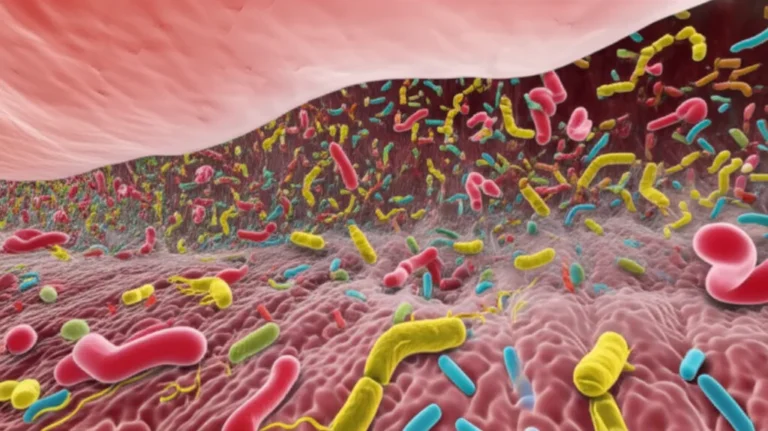
11. The Gut Feeling: Probiotics, Prebiotics, and Digestive Health 🦠
A happy gut is key to overall health.
Probiotics
- Live beneficial bacteria found in yogurt, kefir, sauerkraut, and kimchi.
- Support digestion and immune function.
Prebiotics
- Non-digestible fibers that feed good bacteria.
- Found in garlic, onions, leeks, asparagus, and bananas.
Adding these to your diet can improve digestion, mood, and even skin health.
12. Healthy Eating on a Budget: Smart Strategies for Every Wallet 💰
Eating well doesn’t have to break the bank.
Budget-Friendly Tips
- Buy seasonal fruits and vegetables.
- Choose frozen produce — just as nutritious and often cheaper.
- Plan meals and shop with a list to avoid impulse buys.
- Cook in bulk and freeze leftovers.
- Use affordable protein sources like beans, lentils, and eggs.
13. Navigating Dietary Restrictions: Allergies, Intolerances, and Preferences 🚫
Everyone’s dietary needs are unique.
Common Restrictions
- Gluten intolerance or celiac disease.
- Lactose intolerance.
- Vegetarian and vegan lifestyles.
- Food allergies (nuts, shellfish, etc.).
Tips
- Read labels carefully.
- Explore alternative ingredients (e.g., almond milk, gluten-free grains).
- Consult with a dietitian for personalized advice.
14. Supplements: Are They Necessary? Separating Fact from Fiction 💊
Supplements can fill nutrient gaps but aren’t a substitute for a healthy diet.
When to Consider Supplements
- Vitamin D in low sunlight areas.
- B12 for vegans.
- Iron for those with anemia.
Caution
- Avoid megadoses.
- Choose reputable brands like Nature Made or Garden of Life.
- Consult your healthcare provider before starting.
15. Meal Planning and Prep: Your Roadmap to Success 🗓️🍲
Planning ahead makes healthy eating easier and less stressful.
Benefits
- Saves time and money.
- Reduces food waste.
- Helps control portions and ingredients.
How to Start
- Pick a day to plan weekly meals.
- Prepare ingredients or full meals in advance.
- Use versatile staples like rice, beans, and roasted veggies.
16. The Social Side of Eating: Balancing Joy and Health 🎉
Food is culture, connection, and celebration.
Tips for Healthy Social Eating
- Don’t arrive hungry to social events.
- Offer to bring a healthy dish.
- Practice moderation, not deprivation.
- Focus on the company, not just the food.
17. Busting Common Food Myths: Separating Science from Superstition 🧪
Let’s debunk some popular myths:
- Myth: Carbs make you fat.
Fact: Quality and quantity matter; whole grains are beneficial. - Myth: Fat-free means healthy.
Fact: Often higher in sugar; healthy fats are essential. - Myth: Detox diets cleanse your body.
Fact: Your liver and kidneys do that naturally.
For more myth-busting, visit our Health Myth Busters section.
18. When Things Go Wrong: Dealing with Cravings and Setbacks 🚧
We all stumble — it’s part of the journey.
Strategies to Get Back on Track
- Identify triggers (stress, boredom).
- Keep healthy snacks handy.
- Practice self-compassion; one slip isn’t failure.
- Revisit your goals and motivations.
Remember, healthy eating is about progress, not perfection.
Ready for the final wrap-up? Stay tuned for the conclusion!
✨ Conclusion: Your Journey to a Healthier You Starts Now!

Wow, what a ride! We’ve unpacked everything from the power of plants to the art of mindful munching, and even tackled sneaky sugar and salt villains. Remember, healthy eating isn’t about perfection or deprivation — it’s about balance, variety, and enjoying the journey.
By embracing whole foods, controlling portions, staying hydrated, and moving your body, you’re setting yourself up for a vibrant, energized life. And don’t forget: mindful eating and social connections make the experience richer and more sustainable.
If you ever feel overwhelmed, just recall our quick tips — they’re your trusty compass back to wellness. Healthy eating is a lifelong adventure, and every small step counts. So, grab that colorful plate, savor each bite, and celebrate your progress. Your body and soul will thank you!
🔗 Recommended Links: Trusted Resources for Your Health Journey
Ready to stock your kitchen and bookshelf with the best? Here are some top picks from Health Facts™:
Whole Grains & Plant-Based Staples
-
Bob’s Red Mill Whole Grains:
Amazon | Bob’s Red Mill Official Website -
Nature’s Path Organic Cereals:
Amazon | Nature’s Path Official Website
Healthy Oils and Fats
-
Chosen Foods Avocado Oil:
Amazon | Chosen Foods Official Website -
Bragg Organic Apple Cider Vinegar (Great for digestion):
Amazon | Bragg Official Website
Supplements
-
Garden of Life Vitamin D3:
Amazon | Garden of Life Official Website -
Nature Made Vitamin B12:
Amazon | Nature Made Official Website
Books for Deeper Dive
-
How Not to Die by Dr. Michael Greger — A science-backed guide to nutrition and longevity.
Amazon -
The Blue Zones Kitchen by Dan Buettner — Recipes and insights from the world’s longest-lived people.
Amazon
🔥 FAQ: Your Burning Questions Answered

What are the most important nutrients to include in a healthy diet?
A healthy diet prioritizes macronutrients — carbohydrates, proteins, and fats — alongside essential micronutrients like vitamins and minerals.
- Carbohydrates: Preferably from whole grains and vegetables, providing energy and fiber.
- Proteins: Necessary for tissue repair and immune function; sources include lean meats, fish, legumes, and nuts.
- Fats: Focus on unsaturated fats for heart health; limit saturated and avoid trans fats.
- Vitamins & Minerals: Vitamins A, C, D, calcium, potassium, and iron are crucial for various bodily functions.
- Fiber: Supports digestion and satiety.
Balancing these nutrients supports energy, growth, and disease prevention. For more, check out WHO’s healthy diet guidelines.
Read more about “17 Mind-Blowing Did You Know Facts About Healthy Foods! 🥦 (2025)”
How can I create a balanced meal plan for optimal health and wellness?
Start by:
- Including all food groups: Fruits, vegetables, whole grains, lean protein, and healthy fats.
- Portion control: Use visual cues like half your plate for veggies, a quarter for protein, and a quarter for grains.
- Variety: Rotate different foods to cover a broad nutrient spectrum.
- Meal prepping: Plan and prepare meals to avoid last-minute unhealthy choices.
- Listening to your body: Eat when hungry, stop when satisfied.
Apps like MyFitnessPal or meal planning templates can help track and organize your meals. Remember, flexibility and enjoyment are key to sustainability.
Read more about “10 Eye-Opening Facts About Health You Need to Know (2025) 🧬”
What are some common unhealthy eating habits that I should avoid?
- Skipping meals, especially breakfast: Can lead to overeating later and energy dips.
- Overconsumption of processed foods: High in sugar, salt, and unhealthy fats.
- Mindless snacking: Eating while distracted often leads to excess calorie intake.
- Relying on sugary drinks: Major source of empty calories.
- Ignoring portion sizes: Even healthy foods can contribute to weight gain if overeaten.
Awareness is the first step to change. Try mindful eating and keep healthy snacks accessible.
What are the benefits of incorporating more fruits and vegetables into my daily meals?
Fruits and vegetables are nutritional powerhouses:
- Rich in vitamins and minerals: Support immune function, skin health, and energy metabolism.
- High in fiber: Promotes digestive health and satiety.
- Low in calories: Helps with weight management.
- Antioxidants: Protect cells from damage and reduce inflammation.
- Disease prevention: Linked to lower risk of heart disease, stroke, and certain cancers.
Aim for a colorful variety to maximize benefits. Frozen and canned (without added salt/sugar) are great options too!
📚 Reference Links: The Science Behind Our Advice
- NHS: How to Eat a Balanced Diet
- CDC: Healthy Eating Tips
- World Health Organization: Healthy Diet Fact Sheet
- American Heart Association: Fats
- Bob’s Red Mill Official Website
- Nature’s Path Official Website
- Garden of Life Official Website
- Nature Made Official Website
We hope this comprehensive guide lights up your path to healthier eating! Remember, every meal is a chance to nourish your body and soul. Here’s to vibrant health and joyful eating! 🎉🍽️