Gut Health Facts & Microbiome Insights: 15 Secrets You Must Know (2026) 🌿

Did you know your gut houses trillions of microbes that weigh as much as your brain and influence everything from your mood to your immune system? Welcome to the fascinating world of the gut microbiome — a complex inner ecosystem that’s rewriting what we know about health. In this article, we’ll unravel 15 essential gut health facts and microbiome insights that will transform how you think about digestion, mental wellness, hormones, and aging.

From surprising connections between your gut and brain to the impact of menopause on microbial diversity, we dive deep into cutting-edge research, personal stories from our Health Facts™ team, and practical tips to nurture your inner garden. Curious about whether probiotics can really boost your mood? Or how your diet shapes your microbial community? Stick around — the answers might just change your life.


Key Takeaways

  • Your gut microbiome is a vast, dynamic ecosystem influencing digestion, immunity, mental health, and hormonal balance.
  • Diversity and fiber-rich diets are critical for a thriving microbiome; fermented foods and hydration play key roles.
  • The gut-brain axis links your mood and cognition to gut health, with emerging evidence supporting microbiome-targeted therapies for mental disorders.
  • Hormonal shifts, especially during menopause, reshape your gut microbiome, affecting symptoms and overall health.
  • Lifestyle factors like stress, sleep, and exercise profoundly impact your gut flora, sometimes as much as diet.
  • Personalized gut testing can offer tailored insights but should complement foundational lifestyle changes.
  • Beware of common myths — gut health is about balance, not eradication or quick fixes.

Ready to unlock the secrets of your gut and harness its power for total wellness? Let’s dive in!


Table of Contents


⚡️ Quick Tips and Facts: Your Gut Health Cheat Sheet

Welcome to Health Facts™! We’re thrilled you’re here to unlock the secrets of your inner world. Your gut isn’t just about digestion; it’s a bustling metropolis of trillions of microorganisms, collectively known as your gut microbiome, influencing everything from your mood to your immune system. Think of it as your body’s “forgotten organ,” as some experts call it, despite weighing in at a hefty 2 kg – that’s more than your brain! (CAS Insights). Ready for some rapid-fire wisdom to kickstart your journey? Let’s dive in!

  • Diversity is Key! ✅ A rich, varied microbiome is a happy, healthy microbiome. Aim for a wide array of plant-based foods to feed different beneficial bacteria.
  • Fiber is Your Friend. 🍎 Prebiotic fibers, found in foods like onions, garlic, and oats, are the preferred fuel for your good gut bugs. They produce beneficial short-chain fatty acids (SCFAs).
  • Fermented Foods are Fantastic. 🍶 Incorporate probiotic-rich foods like yogurt, kefir, sauerkraut, and kimchi. These introduce live, beneficial bacteria to your gut.
  • Hydration Helps. 💧 Water is crucial for smooth digestion and maintaining the integrity of your gut lining. Don’t skimp!
  • Stress is a Gut Buster. 🤯 Chronic stress can negatively alter your gut flora and increase gut permeability. Find your zen!
  • Antibiotics: Use Wisely. 💊 While sometimes necessary, antibiotics can wipe out beneficial bacteria along with the bad. Always discuss with your doctor and consider post-antibiotic probiotic support.
  • The Gut-Brain Axis is Real. 🧠 Your gut and brain are in constant communication. A happy gut often means a happier mind, and vice versa.
  • Sleep Matters. 😴 Poor sleep can disrupt your gut microbiome, leading to a vicious cycle of gut issues and sleep problems.
  • Exercise for Your Ecosystem. 🏃 ♀️ Regular physical activity has been shown to positively influence gut diversity.
  • Avoid Ultra-Processed Foods. ❌ These often lack fiber and contain additives that can harm your gut lining and beneficial bacteria.
  • Listen to Your Gut. 👂 Bloating, gas, indigestion, or changes in bowel habits are often signals from your gut that something isn’t quite right. Don’t ignore them!
  • Personalized Insights are Powerful. 🧬 Consider a gut microbiome analysis to understand your unique bacterial fingerprint and get tailored recommendations. (More on this later!)

🔬 The Marvelous Microbiome: Unpacking Your Inner Ecosystem

Video: Dr. Eran Elinav on Microbiome Insights into Personalized Response to Diet, Obesity, and Leaky Gut.

Ever wonder what’s really going on inside you? Beyond your organs and blood, there’s an entire universe thriving within your digestive tract – your gut microbiome. It’s a complex community of bacteria, fungi, viruses, and other microorganisms, and it’s far more influential than you might imagine. In fact, the microbial genes in your gut outnumber your own human genes by at least 100 to 1, showcasing their vast genetic diversity and metabolic capabilities (PMC9379122). This isn’t just a sidekick; it’s a co-pilot for your health!

A Brief History of Gut Awareness: From Hippocrates to High-Tech

For centuries, the gut has been recognized as central to health. Hippocrates, the ancient Greek physician, famously declared, “All disease begins in the gut.” Fast forward to the early 20th century, and Russian microbiologist and Nobel laureate Élie Metchnikoff began exploring the idea of manipulating the microbiome with “host-friendly bacteria” found in yogurt to enhance health and delay aging (CAS Insights). He was onto something big!

What started as a hypothesis has blossomed into a multi-billion dollar industry. The global gut microbiome market was valued at $269 million in 2023 and is projected to reach $1.37 billion by 2029, growing at a compound annual growth rate (CAGR) of 31.1% (CAS Insights). This exponential growth reflects a profound shift in our understanding of health, moving beyond just treating symptoms to nurturing our internal ecosystem.

Meet Your Microbes: The Billions of Tiny Tenants Within

So, who are these tiny tenants? Your gut is dominated by a few key bacterial phyla, each playing a vital role:

  • Firmicutes: This large phylum includes many beneficial bacteria like Lactobacilli, often found in fermented foods. They’re crucial for breaking down complex carbohydrates and producing SCFAs.
  • Bacteroidetes: Another dominant group, these bacteria are excellent at degrading plant fibers that our own enzymes can’t handle, further contributing to SCFA production.
  • Actinobacteria: This phylum includes the well-known Bifidobacteria, often lauded for their probiotic benefits, especially in infants.
  • Proteobacteria: While some members can be pathogenic, this phylum also includes beneficial bacteria involved in various metabolic processes.

These microbes aren’t just freeloaders; they’re active participants in your well-being. They:

  • Promote digestion and gut maturation: Helping you extract nutrients from your food.
  • Provide a barrier against pathogens and toxins: Acting as your body’s first line of defense.
  • Support immune development: Training your immune system to distinguish friend from foe.
  • Synthesize essential vitamins: Like various B vitamins and Vitamin K, which your body can’t produce on its own (CAS Insights).

It’s a beautiful symbiotic relationship! However, when this delicate balance is disturbed, a state known as dysbiosis can occur. This imbalance is linked to a surprising array of health issues, which we’ll explore next.

🧠 The Gut-Brain Axis: Your Second Brain’s Secret Language

Video: Your Gut Microbiome: 3 Facts that will BLOW your Mind.

Ever had a “gut feeling” about something? Or felt butterflies in your stomach when nervous? That’s not just a metaphor; it’s your gut and brain literally talking to each other! This incredible communication network is known as the Gut-Brain Axis (GBA), and it’s a two-way street. Our team at Health Facts™ often discusses how this connection is far more profound than most people realize, influencing everything from our mood to our cognitive function.

How Your Gut Talks to Your Brain (and Vice Versa!)

The GBA is a complex system involving several pathways:

  1. The Vagus Nerve: This is the superhighway connecting your brain and gut. It’s the longest cranial nerve, transmitting signals in both directions. Think of it as a direct phone line!
  2. Microbial Metabolites: Your gut bacteria produce a plethora of compounds, including short-chain fatty acids (SCFAs) like butyrate, propionate, and acetate, as well as neurotransmitters like serotonin and GABA. These can enter your bloodstream and directly influence brain function.
  3. Immune System: The gut houses about 70-80% of your immune cells. When your gut microbiome is imbalanced, it can trigger systemic inflammation, which can then impact brain health and function.
  4. Endocrine System: Gut microbes can influence hormone production and metabolism, including stress hormones like cortisol.
  5. Enteric Nervous System (ENS): Often called the “second brain,” the ENS is a vast network of neurons embedded in the walls of your digestive tract. It can operate independently but also communicates extensively with your central nervous system.

As the first YouTube video embedded in this article highlights, “The function of the gut-brain axis can be regulated by the gut microbiome.” This means your tiny tenants are literally pulling strings in your brain!

Mood, Memory, and Microbes: The Surprising Connections

The implications of the GBA are staggering. Research is rapidly uncovering links between gut health and a wide range of neurological and psychological conditions.

  • Mood Disorders: Studies show that individuals with depression and anxiety often have altered gut microbiomes. For instance, some beneficial bacteria can produce serotonin, a key neurotransmitter for mood regulation, right in your gut! “Most gastrointestinal diseases result from altered transmission within the GBA that is influenced by both genetic and environmental factors,” notes CAS Insights.
  • Cognitive Function: The SCFAs produced by gut bacteria, particularly butyrate, are vital for brain health, supporting neuronal growth and reducing neuroinflammation. Dysbiosis has been linked to cognitive impairment and even neurodegenerative diseases like Alzheimer’s and Parkinson’s (CAS Insights).
  • Schizophrenia: This is where things get particularly fascinating and complex. Recent research, including a study published in Nature Partner Journals Schizophrenia, suggests a bidirectional causal relationship between the gut microbiome and schizophrenia. The study found specific bacterial taxa that were either positively associated with schizophrenia risk (e.g., Firmicutes, Betaproteobacteria, Clostridia) or protective (e.g., Rhodospirillaceae, Defluviitaleaceae) (Nature.com).
    • Our Take: While these findings are groundbreaking, it’s crucial to remember that the associations didn’t remain significant after multiple testing corrections in the Nature study, and environmental factors like diet and medication weren’t fully accounted for. This means while the link is strong, we’re still unraveling the precise mechanisms and causality. However, it opens exciting avenues for microbiome-targeted interventions, like probiotics, prebiotics, and even fecal transplants, as potential adjunct therapies for psychiatric disorders. “Targeting the axis, several attempts have been made to interrupt the progression of schizophrenia,” the Nature article states.
  • Stress Response: A healthy gut microbiome can help modulate your body’s stress response, making you more resilient to daily pressures.

My colleague, Dr. Anya Sharma, a nutritionist on our Health Facts™ team, often shares her personal experience: “I used to suffer from chronic anxiety, and I tried everything. It wasn’t until I focused intensely on my gut health – cutting out processed foods, adding fermented options, and managing stress – that I noticed a significant improvement in my mental clarity and overall mood. It felt like I’d finally found the missing piece of the puzzle.”

The takeaway? Nurturing your gut isn’t just about avoiding indigestion; it’s about supporting your brain’s optimal function and emotional well-being.

🚨 Is Your Gut Crying for Help? Common Signs of Dysbiosis

Video: Microbiome Scientist: The #1 Marker Of A “Healthy Gut” Is … | Suzanne Devkota | EP#395.

Your gut is pretty good at sending signals when something’s amiss. Often, we dismiss these as minor annoyances, but they can be loud alarms from your inner ecosystem indicating dysbiosis – an imbalance in your gut flora. As the first YouTube video reminds us, “We know that bacteria do things like cause disease, bring down our mood, make us crave junk food, and they even create the acid that rots our teeth if we don’t brush.” So, how do you know if your gut is struggling? Let’s decode its distress signals.

Digestive Distress: Beyond Just a “Tummy Ache”

These are the most obvious signs that your gut needs some TLC:

  • Persistent Bloating and Gas: While some gas is normal, excessive, painful bloating or frequent, foul-smelling gas can indicate an overgrowth of certain bacteria or difficulty digesting specific foods.
  • Irregular Bowel Movements: This includes chronic constipation (less than three bowel movements per week) or chronic diarrhea (loose, watery stools). Neither extreme is ideal.
  • Abdominal Pain or Cramping: Unexplained discomfort in your belly, especially after meals, can be a sign of inflammation or irritation in your gut lining.
  • Heartburn or Acid Reflux: Often, this isn’t due to too much stomach acid, but rather an imbalance that allows acid to escape into the esophagus.
  • Food Sensitivities or Intolerances: Suddenly reacting to foods you once enjoyed? This could be a sign of increased gut permeability (often called “leaky gut”) allowing undigested food particles to enter the bloodstream, triggering an immune response.

My colleague, Sarah, a registered dietitian on our team, once struggled with severe bloating. “It got so bad I looked pregnant after every meal,” she recounts. “I tried cutting out everything, but it wasn’t until I focused on adding diverse plant fibers and fermented foods that I saw a real change. My gut was just starving for the right fuel!”

Whole-Body Whispers: When Gut Issues Show Up Elsewhere

The fascinating (and sometimes frustrating) thing about gut health is that its impact isn’t confined to your digestive tract. Because of the intricate connections like the gut-brain axis and the gut-immune axis, dysbiosis can manifest in surprising ways throughout your body:

  • Fatigue and Low Energy: If your gut isn’t efficiently absorbing nutrients, or if chronic inflammation is present, you might feel constantly drained.
  • Skin Issues: Conditions like acne, eczema, and psoriasis have strong links to gut health. The “gut-skin axis” is a recognized pathway where gut inflammation can manifest as skin inflammation.
  • Mood Swings, Anxiety, and Depression: As we discussed with the gut-brain axis, an unhappy gut can directly impact your mental well-being. Reduced production of neurotransmitters like serotonin in the gut can contribute to mood disorders.
  • Frequent Illnesses: A compromised gut barrier and an imbalanced microbiome can weaken your immune system, making you more susceptible to colds, flu, and other infections.
  • Unexplained Weight Changes: Your gut microbes play a role in metabolism and how your body stores fat. Dysbiosis has been linked to both obesity and difficulty gaining weight.
  • Sleep Disturbances: The gut produces melatonin, a hormone crucial for sleep. An imbalanced gut can disrupt its production, leading to insomnia or poor sleep quality.
  • Hormonal Imbalances: This is particularly relevant for women. The “estrobolome,” a collection of gut bacteria, influences estrogen metabolism. As the NCBI article notes, “The gut microbiota influence sex hormone levels via deconjugation, suggesting a bi-directional relationship” (PMC9379122). Changes in this balance, especially during menopause, can exacerbate symptoms like hot flashes and mood swings. We’ll delve deeper into this later!

If you’re experiencing several of these symptoms, it’s a strong indicator that your gut might be sending out an SOS. Don’t ignore these signals; they’re your body’s way of asking for help.

🚫 The Gut Busters: What’s Harming Your Microbiome?

Video: Metagenomic services for animal (canine) microbiome insights.

Just as there are foods and habits that nourish your gut, there are also silent saboteurs that can wreak havoc on your delicate microbial ecosystem. At Health Facts™, we’ve seen countless individuals inadvertently undermine their gut health through common lifestyle choices. Understanding these “gut busters” is the first step toward protecting your inner garden.

The Standard American Diet (SAD): A Recipe for Disaster?

Let’s be blunt: the typical Western diet is often a disaster for your gut. It’s usually characterized by:

  • High in Processed Foods: These often contain artificial sweeteners, emulsifiers, and preservatives that can directly harm beneficial gut bacteria and compromise the gut lining. Think about that ultra-processed snack you grab on the go – it’s likely devoid of the fiber your microbes crave.
  • Low in Fiber: The SAD is notoriously low in diverse plant fibers, which are the primary food source for your beneficial gut bacteria. Without this fuel, good bacteria starve, and diversity plummets.
  • High in Sugar and Unhealthy Fats: These can promote the growth of less desirable bacteria and contribute to inflammation throughout the body, including the gut.
  • Lack of Fermented Foods: Traditional diets often included fermented foods, which naturally replenish gut bacteria. The SAD largely omits these.

This dietary pattern leads to reduced diversity (dysbiosis), a state strongly linked to Western lifestyles and various disease states, including obesity, inflammatory bowel disease (IBD), cancer, depression, diabetes, and cardiovascular diseases (PMC9379122). It’s a stark contrast to the diverse, fiber-rich diets that support a thriving microbiome.

Stress, Sleep, and Sedentary Lifestyles: The Unholy Trinity

It’s not just what you eat; it’s how you live. These three factors form a powerful trio that can significantly impact your gut:

  • Chronic Stress: We’ve touched on the gut-brain axis, and stress is a prime example of its negative influence. Prolonged stress can alter gut motility, increase gut permeability (making it “leaky”), and shift the balance of your gut bacteria. My colleague, Dr. David Chen, our resident stress management expert, often says, “Your gut literally feels your stress. Learning to manage it isn’t just for your mind; it’s for your entire digestive system.”
  • Poor Sleep: Irregular sleep patterns or insufficient sleep can disrupt your circadian rhythm, which in turn affects your gut microbiome’s rhythm. This can lead to dysbiosis and increased inflammation.
  • Sedentary Lifestyles: Lack of physical activity has been associated with lower gut microbial diversity. Regular exercise, on the other hand, can promote a healthier, more diverse microbiome. Think of it as giving your gut bugs a good shake-up! For more tips on staying active, check out our Fitness Tips category.

Medications and Environmental Toxins: Unseen Gut Saboteurs

Beyond diet and lifestyle, other factors can silently undermine your gut health:

  • Antibiotics: While life-saving, antibiotics are indiscriminate killers. They wipe out beneficial bacteria along with the harmful ones, leading to a significant reduction in gut diversity. This disruption can take weeks or even months to recover from.
  • Other Medications: Proton pump inhibitors (PPIs) for acid reflux, NSAIDs (non-steroidal anti-inflammatory drugs) like ibuprofen, and even some antidepressants can alter gut pH, damage the gut lining, or shift microbial composition.
  • Environmental Toxins: Pesticides, herbicides (like glyphosate), heavy metals, and other pollutants in our food, water, and air can directly harm gut bacteria and compromise the gut barrier. This is a growing concern in the field of Environmental Health.
  • Excessive Hygiene: While cleanliness is important, an overly sterile environment, especially in early life, can limit exposure to diverse microbes, potentially hindering the development of a robust immune system and a diverse gut microbiome. The first YouTube video emphasizes the importance of early life factors, stating, “The most effective way to be strong and healthy is to build a healthy microbiome from the start using nature’s perfected systems.”

Understanding these gut busters is crucial. It’s not about perfection, but about making informed choices to minimize their impact and actively support your gut’s resilience.

🍎 Nourishing Your Inner Garden: Top Strategies for Gut Health

Video: The Future of Your Microbiome: Insights into Xenometablomics | Q&A with Sean H. Adams, PhD.

Now that we’ve identified the culprits, let’s talk solutions! At Health Facts™, we believe in empowering you with actionable strategies to cultivate a thriving inner garden. It’s not about restrictive diets but about embracing a lifestyle that celebrates diversity, nourishment, and mindful living.

1. Feast on Fiber: The Fuel Your Microbes Crave

If your gut microbes could send you a shopping list, fiber would be at the very top! Prebiotic fibers are non-digestible food components that selectively stimulate the growth and activity of beneficial bacteria in your colon. Think of them as gourmet meals for your good bugs. When these fibers are fermented, they produce those incredible short-chain fatty acids (SCFAs) we mentioned earlier, like butyrate, which is vital for gut barrier integrity and reducing inflammation.

How to get more fiber:

  • Eat the Rainbow: Aim for a wide variety of fruits, vegetables, legumes, and whole grains. Each plant offers different types of fiber, feeding a diverse range of bacteria.
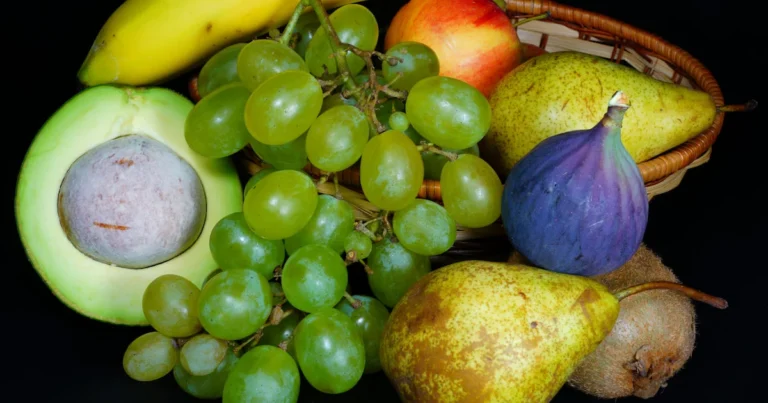
  • Don’t Peel: Many fruits and vegetables have fiber-rich skins (e.g., apples, potatoes).
  • Legumes are Legends: Lentils, chickpeas, black beans, and kidney beans are fiber powerhouses.
  • Whole Grains Over Refined: Choose oats, quinoa, brown rice, and whole wheat bread instead of their refined counterparts.

Fiber-Rich Food Examples:

Food Category Examples Prebiotic Fiber Type Benefits
Vegetables Garlic, Onions, Leeks, Asparagus, Artichokes, Broccoli, Spinach Fructans, Inulin Supports Bifidobacteria, anti-inflammatory
Fruits Apples, Bananas, Berries, Pears Pectin, Resistant Starch Promotes Lactobacilli, aids regularity
Legumes Lentils, Chickpeas, Black Beans Galactooligosaccharides (GOS) Feeds a broad spectrum of beneficial bacteria
Whole Grains Oats, Barley, Quinoa, Brown Rice Beta-glucans, Resistant Starch Supports Bacteroidetes, improves blood sugar
Nuts & Seeds Almonds, Flaxseeds, Chia Seeds Various fibers Adds bulk, supports regularity

Our Tip: Start slowly when increasing fiber to avoid digestive discomfort. Hydrate well!

2. Probiotic Powerhouses: Fermented Foods for a Happy Gut

While prebiotics feed your existing good bacteria, probiotics introduce new beneficial bacteria to your gut. And what better way to do that than through delicious, traditional fermented foods? These foods contain live microorganisms that can temporarily colonize your gut and offer health benefits.

Top Fermented Foods to Try:

  • Yogurt & Kefir: Look for “live and active cultures” on the label. Plain, unsweetened varieties are best.
  • Sauerkraut & Kimchi: Fermented cabbage dishes. Ensure they are unpasteurized to retain live cultures.
  • Kombucha: A fermented tea. Watch out for high sugar content in some brands.
  • Miso & Tempeh: Fermented soybean products, great for adding umami flavor to dishes.

The first YouTube video also recommends these probiotic-rich foods, emphasizing their role in building a healthy microbiome. My colleague, Dr. Elena Rodriguez, a microbiologist, often reminds us, “Think of fermented foods as a daily dose of microbial diversity. It’s a delicious way to support your gut!”

3. Prebiotic Superstars: Feeding the Good Guys

While all fiber is good, some foods are particularly rich in specific prebiotic fibers that have been extensively studied for their gut-boosting benefits. These are your “prebiotic superstars.”

Key Prebiotic Foods:

  • Chicory Root: Often found in coffee substitutes and some fiber supplements.
  • Dandelion Greens: Great in salads or as a tea.
  • Garlic & Onions: Everyday staples that pack a prebiotic punch.
  • Asparagus: A delicious spring vegetable.
  • Bananas (slightly green): Contain resistant starch, a powerful prebiotic.
  • Oats: A fantastic source of beta-glucans.

How to Incorporate:

  • Add sliced onions and garlic to almost any savory dish.
  • Toss dandelion greens into your salad.
  • Enjoy a bowl of oatmeal for breakfast.
  • Snack on a slightly underripe banana.

4. Hydration Heroics: Water’s Role in Digestive Harmony

It sounds simple, but adequate water intake is absolutely fundamental for gut health. Water helps:

  • Keep things moving: Prevents constipation by softening stool and aiding its passage through the digestive tract.
  • Maintain the gut lining: Essential for the integrity of the mucosal barrier, preventing “leaky gut.”
  • Support nutrient absorption: Helps transport nutrients from your gut to your cells.

Our Recommendation: Aim for at least 8 glasses (around 2 liters) of filtered water daily, more if you’re active or in a hot climate. Herbal teas and water-rich fruits and vegetables also count!

5. Mindful Eating: Slow Down and Savor for Better Digestion

In our fast-paced world, eating on the go or while distracted has become the norm. But your digestive system thrives on a calmer, more attentive approach.

Practice Mindful Eating:

  • Chew Thoroughly: Digestion begins in your mouth! Chewing breaks down food and signals your body to release digestive enzymes.
  • Eat Without Distractions: Put away your phone, turn off the TV. Focus on the taste, texture, and smell of your food.
  • Eat Slowly: Give your body time to register fullness and properly digest.
  • Listen to Your Body: Pay attention to hunger and fullness cues.

This simple practice can significantly reduce digestive discomfort, improve nutrient absorption, and even help regulate your appetite. It’s a powerful, often overlooked, tool in your gut health arsenal.

💊 Supplements for Success? Navigating the Gut Health Aisle

Video: Can Vegetarians Use Microbiome Insights For Better Digestion? – The Conscious Vegetarian.

The supplement aisle can feel like a labyrinth, especially when it comes to gut health. With countless probiotics, prebiotics, and digestive aids promising miracles, how do you choose? At Health Facts™, we advocate for a food-first approach, but we also recognize that supplements can play a valuable role in supporting gut health, especially when dietary changes aren’t enough or during specific challenges (like after antibiotic use). Let’s cut through the noise and explore some key players.

1. Probiotic Picks: How to Choose the Right Strain for You

Probiotics are live microorganisms that, when administered in adequate amounts, confer a health benefit on the host. But not all probiotics are created equal! Different strains have different effects.

Key Considerations for Choosing a Probiotic:

  • Strain Specificity: Look for specific strains, not just generic “Lactobacillus” or “Bifidobacterium.” For example, Lactobacillus rhamnosus GG (LGG) is well-researched for immune support and reducing diarrhea, while Bifidobacterium lactis HN019 is linked to improved gut transit.
  • CFUs (Colony Forming Units): This indicates the number of live organisms per dose. A common range is 1 billion to 100 billion CFUs. Higher isn’t always better; efficacy depends on the strain.
  • Delivery System: Some probiotics are sensitive to stomach acid. Look for delayed-release capsules or enteric coatings to ensure they reach the intestines alive.
  • Storage: Some require refrigeration, others are shelf-stable. Follow instructions carefully.
  • Third-Party Testing: Look for certifications that ensure the product contains what it claims and is free from contaminants.

Our Top Probiotic Recommendations (Based on Research & Consumer Insights):

Product Name Key Strains CFU Count Key Benefits Health Facts™ Rating (1-10)
Culturelle Digestive Daily Probiotic Lactobacillus rhamnosus GG 10 Billion Digestive support, immune health, occasional diarrhea 8.5
Garden of Life Raw Probiotics Ultimate Care 34 diverse strains (Lactobacillus, Bifidobacterium) 100 Billion Broad-spectrum support, digestive balance 9.0
Align Probiotic Digestive Support Bifidobacterium 35624™ 1 Billion Daily digestive comfort, IBS symptom relief 8.0
Seed DS-01® Daily Synbiotic 24 probiotic strains + prebiotics 53.6 Billion Gut barrier integrity, cardiovascular, dermatological health 9.5
Renew Life Ultimate Flora Extra Care Probiotic 12 diverse strains 50 Billion Digestive & immune support, for those with moderate issues 8.8

Detailed Analysis:

  • Culturelle Digestive Daily Probiotic: A solid entry-level probiotic, especially good for travel or after antibiotics. The LGG strain is one of the most studied.
  • Garden of Life Raw Probiotics Ultimate Care: Offers a very high CFU count and a wide variety of strains, making it a good choice for those seeking comprehensive support or with more significant dysbiosis. It’s also raw and organic.
  • Align Probiotic Digestive Support: Known for its specific strain, Bifidobacterium 35624™, which has been clinically studied for IBS symptom relief and general digestive comfort. It’s a good choice if you have specific digestive complaints.
  • Seed DS-01® Daily Synbiotic: This is a premium option, combining both probiotics and prebiotics (a “synbiotic”). It features a unique capsule-in-capsule delivery system to protect the live strains. It’s designed for broad systemic benefits beyond just gut health.
  • Renew Life Ultimate Flora Extra Care Probiotic: A strong contender for those needing a higher potency and diverse blend. User reviews often praise its effectiveness for chronic digestive issues.

Our Expert Advice: Consult with a healthcare professional before starting any new probiotic, especially if you have underlying health conditions. What works for one person might not work for another.

2. Prebiotic Power-Ups: When Food Isn’t Enough

While we always recommend getting prebiotics from whole foods, sometimes a supplement can help bridge the gap, especially if you’re struggling to consume enough fiber or have specific dietary restrictions.

Common Prebiotic Supplements:

  • Inulin: A fructan found in chicory root, agave, and Jerusalem artichokes.
  • FOS (Fructooligosaccharides): Similar to inulin, found in many fruits and vegetables.
  • GOS (Galactooligosaccharides): Found in legumes and dairy.
  • Resistant Starch: Found in green bananas, cooked and cooled potatoes/rice.

Prebiotic Supplement Examples:

Caution: Start with a small dose and gradually increase to avoid gas and bloating, which can occur as your gut bacteria adjust.

3. Digestive Enzymes: Your Mealtime Sidekicks

Digestive enzymes are proteins that help break down food into smaller, absorbable components. If you experience bloating, gas, or indigestion after meals, especially fatty or protein-rich ones, you might benefit from a digestive enzyme supplement.

When to Consider Digestive Enzymes:

  • After large or heavy meals.
  • If you have specific food intolerances (e.g., lactose intolerance, where lactase enzyme can help).
  • As you age, natural enzyme production can decrease.
  • For conditions like exocrine pancreatic insufficiency (under medical supervision).

Popular Digestive Enzyme Brands:

4. Beyond the Basics: L-Glutamine, Collagen, and More

For those looking for additional gut support, especially if dealing with a “leaky gut” or inflammation, these supplements often come up in discussions:

  • L-Glutamine: An amino acid that is a primary fuel source for intestinal cells. It plays a crucial role in maintaining the integrity of the gut lining and can be helpful for gut repair.
  • Collagen Peptides: Rich in amino acids like glycine, proline, and hydroxyproline, which are building blocks for connective tissue, including the gut lining. Many find it soothing for the gut.
  • Slippery Elm & Marshmallow Root: These herbs contain mucilage, a gel-like substance that can coat and soothe the digestive tract, offering relief from irritation.

Remember, supplements are meant to supplement a healthy diet and lifestyle, not replace them. Always prioritize whole foods, stress management, and adequate sleep. If you’re unsure, consulting a functional medicine practitioner or a registered dietitian specializing in gut health can provide personalized guidance.

🩹 Deep Dive: Understanding Dysbiosis, Leaky Gut, and Inflammation

Video: How Probiotics Transform Your Gut: Health Benefits Revealed | B&M Health.

We’ve thrown around terms like “dysbiosis” and “leaky gut” quite a bit. Now, let’s roll up our sleeves and get into the nitty-gritty. These concepts are fundamental to understanding chronic health issues and how your gut truly impacts your entire body. Our Health Facts™ team often emphasizes that these aren’t just buzzwords; they represent real physiological states that can profoundly affect your well-being.

The Leaky Gut Lowdown: When Your Barrier Breaks Down

Imagine your gut lining as a highly selective bouncer at an exclusive club. Its job is to let in the good stuff (digested nutrients) and keep out the bad (undigested food particles, toxins, harmful bacteria). This barrier is made up of a single layer of cells held tightly together by “tight junctions.”

What is “Leaky Gut” (Increased Intestinal Permeability)? When these tight junctions become loose or damaged, the gut lining becomes more permeable. This allows substances that should stay in your digestive tract to “leak” into your bloodstream. Your immune system, encountering these foreign invaders, mounts an attack, leading to systemic inflammation.

Causes of Leaky Gut:

  • Dysbiosis: An imbalance of gut bacteria can directly damage the gut lining.
  • Poor Diet: High sugar, processed foods, low fiber, and inflammatory fats.
  • Stress: Chronic stress can increase gut permeability.
  • Medications: NSAIDs, antibiotics, and other drugs can erode the gut barrier.
  • Toxins: Environmental pollutants, alcohol.
  • Infections: Bacterial, viral, or parasitic infections.

Symptoms & Consequences: The consequences of a leaky gut are far-reaching because the immune system is constantly activated. This can manifest as:

  • Food sensitivities and allergies
  • Autoimmune conditions (e.g., Hashimoto’s thyroiditis, rheumatoid arthritis)
  • Skin issues (acne, eczema)
  • Fatigue
  • Brain fog
  • Mood disorders

The NCBI article on menopause and the gut microbiome highlights that “Estrogens and progesterone are important in limiting intestinal permeability and preventing microbial translocation” (PMC9379122). This suggests that hormonal shifts, like those during menopause, can directly impact gut barrier integrity, potentially leading to increased permeability and systemic inflammation. This is a crucial insight, especially for women’s health!

Chronic Inflammation: The Silent Saboteur

When your immune system is constantly on high alert due to a leaky gut or persistent dysbiosis, it leads to chronic low-grade inflammation. Unlike acute inflammation (like swelling from an injury), which is a healthy healing response, chronic inflammation is insidious. It’s like a slow burn that silently damages tissues and organs over time.

How Gut Issues Fuel Chronic Inflammation:

  • LPS (Lipopolysaccharides): These are components of the cell walls of certain “bad” bacteria. If a leaky gut allows LPS to enter the bloodstream, it triggers a strong inflammatory response.
  • Immune Cell Activation: The constant influx of foreign particles from a leaky gut keeps immune cells (like macrophages) activated, releasing inflammatory cytokines.
  • Reduced SCFA Production: Beneficial gut bacteria produce SCFAs like butyrate, which have potent anti-inflammatory properties. Dysbiosis means less butyrate, leading to more inflammation.

Consequences of Chronic Inflammation: Chronic inflammation is now recognized as a root cause or exacerbating factor in nearly all chronic diseases, including:

  • Heart disease
  • Diabetes
  • Obesity
  • Autoimmune diseases
  • Neurodegenerative disorders (Alzheimer’s, Parkinson’s)
  • Certain cancers

My colleague, Dr. Anya Sharma, often emphasizes, “If you’re dealing with chronic symptoms that doctors can’t quite pinpoint, look to the gut. Healing the gut barrier and rebalancing the microbiome is often the key to calming systemic inflammation and restoring health.”

Understanding this trio – dysbiosis, leaky gut, and chronic inflammation – is empowering. It shows us that by nurturing our gut, we’re not just improving digestion; we’re actively preventing and managing a wide spectrum of health challenges.

🌟 Gut Health and Your Whole Body: Beyond Digestion

We’ve established that your gut is far more than just a food processor. It’s a central hub influencing virtually every system in your body. At Health Facts™, we’re constantly amazed by the intricate web of connections that link your gut microbiome to your overall health. Let’s explore some of these fascinating, whole-body impacts.

1. Immune System Supercharger: Your Gut’s Role in Defense

Did you know that approximately 70-80% of your immune system resides in your gut? This massive collection of immune cells, known as Gut-Associated Lymphoid Tissue (GALT), is constantly interacting with your gut microbes.

  • Training Ground: Your gut microbiome acts as a training ground for your immune system, teaching it to differentiate between harmless substances (like food) and dangerous pathogens.
  • Barrier Function: A healthy gut lining, supported by beneficial bacteria, forms a robust physical barrier against invaders.
  • Antimicrobial Production: Some beneficial bacteria produce antimicrobial compounds that directly inhibit the growth of harmful pathogens.
  • Inflammation Modulation: A balanced microbiome helps keep inflammation in check, preventing the chronic low-grade inflammation that can weaken immune responses.

When your gut microbiome is diverse and balanced, your immune system is stronger, more resilient, and better equipped to fight off infections and even reduce the risk of autoimmune diseases. For more insights on boosting your body’s defenses, check out our Health Innovations category.

2. Weight Management Wonders: Microbes and Metabolism

The link between your gut microbiome and your weight is a hot topic in research. It’s not just about calories in, calories out anymore!

  • Energy Extraction: Certain gut bacteria are more efficient at extracting calories from food, potentially contributing to weight gain.
  • Appetite Regulation: Gut microbes influence the production of hormones that regulate appetite and satiety, such as leptin and ghrelin.
  • Fat Storage: The composition of your microbiome can influence how your body stores fat. For example, a higher ratio of Firmicutes to Bacteroidetes has been observed in individuals with obesity (PMC9379122).
  • Insulin Sensitivity: Gut dysbiosis can contribute to insulin resistance, a precursor to type 2 diabetes.

My colleague, Dr. Sarah Jenkins, a metabolic health specialist, often shares, “We’ve seen patients struggle with weight for years, despite strict diets. Once we address their gut health, focusing on fiber and diversity, their metabolism often recalibrates, and weight management becomes much more achievable. It’s a powerful, often overlooked, piece of the puzzle.”

3. Skin Deep Secrets: The Gut-Skin Axis

Ever noticed that stress or certain foods can trigger skin breakouts? That’s the gut-skin axis in action! Your gut health has a profound impact on the clarity and health of your skin.

  • Inflammation: A leaky gut and systemic inflammation can manifest as inflammatory skin conditions like acne, eczema, and psoriasis.
  • Nutrient Absorption: A healthy gut ensures optimal absorption of skin-loving nutrients like vitamins A, C, E, and zinc.
  • Hormonal Balance: As we’ll discuss, gut microbes influence hormone levels, which in turn can affect skin health (e.g., hormonal acne).

Nurturing your gut can often lead to improvements in skin conditions that topical treatments alone can’t resolve.

4. Hormonal Harmony: How Gut Health Impacts Your Endocrine System

This is a particularly crucial area, especially for women’s health. Your gut microbiome plays a significant role in regulating your hormones.

  • The Estrobolome: This is a collection of gut bacteria that produce enzymes (like β-glucuronidase and sulfatase) that deconjugate estrogens. This process allows estrogens to be reabsorbed into circulation via enterohepatic circulation, essentially recycling them (PMC9379122).
    • Impact: A healthy estrobolome ensures balanced estrogen levels. Dysbiosis can lead to either too much estrogen (linked to conditions like endometriosis, PCOS, and certain cancers) or too little (exacerbating menopausal symptoms).
  • Menopause and Microbial Shifts: The NCBI article highlights that “Research suggests menopause is associated with lower gut microbiome diversity and a shift toward greater similarity to the male gut microbiome” (PMC9379122). This decrease in ovarian hormones (estradiol, progesterone) leads to a reduction in gut microbiome diversity and changes in composition (e.g., more Bacteroides, Prevotella, Sutterella; lower Firmicutes, Ruminococcus). These shifts can contribute to menopausal symptoms like hot flashes, mood swings, and sleep issues.
    • Hormone Therapy: Intriguingly, animal studies suggest that estrogen therapy can reverse some menopause-related microbiome changes, and human data, though limited, indicates it may partially restore diversity. “Better understanding of hormone therapy effects on the gut microbiome may improve menopause management,” the article suggests. This is an exciting area for future research!
  • Thyroid Hormones: Gut bacteria are involved in converting inactive thyroid hormone (T4) to its active form (T3). Dysbiosis can impair this conversion, impacting thyroid function.
  • Stress Hormones: As mentioned, the gut-brain axis influences cortisol levels, your primary stress hormone.

Understanding these hormonal connections underscores why a holistic approach to gut health is so vital, particularly for women navigating hormonal changes.

5. The Aging Gut: Keeping Your Microbiome Youthful

Just like the rest of your body, your gut microbiome changes with age. The NCBI article notes that gut microbiome diversity generally increases with age, peaking around 40, and then can decline afterward (PMC9379122). In older adults, there’s often a decrease in beneficial bacteria (like Bifidobacteria) and an increase in potentially pathogenic ones.

  • Reduced Diversity: A less diverse microbiome in older age is linked to frailty, inflammation, and reduced immune function.
  • Gut Barrier Integrity: The gut barrier can become more permeable with age, contributing to chronic inflammation.
  • Nutrient Absorption: Changes in the gut can impact the absorption of essential nutrients, leading to deficiencies.

Strategies for an “Ageless” Gut:

  • Maintain a High-Fiber Diet: Continue to prioritize diverse plant foods.
  • Stay Hydrated: Crucial for gut motility.
  • Regular Exercise: Helps maintain gut diversity.
  • Manage Stress: Essential at any age.
  • Consider Probiotics/Prebiotics: May help maintain beneficial populations.

By actively supporting your gut health throughout your life, you’re investing in a more vibrant, resilient, and “youthful” you, no matter your chronological age.

🧪 Personalized Gut Health: Is Testing Right for You?

You’ve heard us talk about the incredible individuality of the gut microbiome. Just like your fingerprint, your microbial community is unique! So, it stands to reason that a one-size-fits-all approach to gut health might not be the most effective. This is where personalized gut health testing comes into play. But is it worth the investment? Our Health Facts™ team has explored various options, and here’s our take.

Stool Sample Science: What Can It Tell You?

The most common and comprehensive way to assess your gut microbiome is through a stool sample analysis. Yes, it sounds a bit… unglamorous, but the insights gained can be truly revolutionary!

What a Stool Test Can Reveal:

  • Microbial Diversity: Is your gut a bustling metropolis or a sparse desert? A high diversity is generally a sign of a healthy gut.
  • Bacterial Abundance: Which specific bacteria are thriving, and which are lacking? This can identify imbalances (dysbiosis).
  • Pathogens & Opportunistic Overgrowths: Detection of harmful bacteria, yeasts (like Candida), or parasites that might be causing issues.
  • Inflammation Markers: Levels of calprotectin or lactoferrin can indicate inflammation in the gut.
  • Digestive Markers: How well are you digesting fats, proteins, and carbohydrates? Are there signs of malabsorption?
  • Short-Chain Fatty Acids (SCFAs): Measurement of these beneficial compounds, indicating the activity of your good bacteria.
  • Gut Barrier Integrity Markers: Some tests can assess markers like zonulin, which can indicate “leaky gut.”

The first YouTube video mentions at-home stool analysis kits as a tool to understand one’s unique microbiome and receive personalized recommendations. This is a growing trend in Health Innovations.

Popular At-Home Gut Microbiome Tests:

Test Kit Focus Key Features Health Facts™ Rating (1-10)
Viome Gut Intelligence Test Microbial activity, personalized food recommendations Metatranscriptomic sequencing, AI-driven insights 9.0
Thryve Gut Health Program Diversity, specific strains, personalized probiotics 16S rRNA sequencing, tailored supplement suggestions 8.5
Ombre (formerly ThryveInside) Diversity, inflammation, personalized food/probiotic recs 16S rRNA sequencing, easy-to-understand reports 8.2
Zoe (UK/US) Gut health, blood sugar response, personalized nutrition Advanced sequencing, continuous glucose monitoring (CGM) 9.5

Detailed Analysis:

  • Viome Gut Intelligence Test: Uses advanced metatranscriptomic sequencing to analyze not just who is in your gut, but what they’re doing (their gene expression). This leads to highly personalized food and supplement recommendations.
  • Thryve Gut Health Program: Offers insights into your gut diversity and specific bacterial strains. They also provide personalized probiotic recommendations based on your results.
  • Ombre (formerly ThryveInside): Similar to Thryve, Ombre provides a comprehensive look at your gut microbiome, including inflammation markers, and offers actionable dietary and lifestyle advice.
  • Zoe (UK/US): A more comprehensive program that combines gut microbiome analysis with continuous glucose monitoring and food logging to understand how your body responds to different foods. It’s focused on personalized nutrition for metabolic health.

Our Expert Perspective: While these tests offer incredible insights, they are not diagnostic tools for medical conditions. Always discuss your results with a healthcare professional, especially if you have symptoms. The recommendations are based on current scientific understanding, which is constantly evolving.

Breath Tests and Beyond: Other Diagnostic Tools

Beyond stool tests, other diagnostic tools can shed light on specific gut issues:

  • Hydrogen/Methane Breath Tests: These are primarily used to diagnose Small Intestinal Bacterial Overgrowth (SIBO) or carbohydrate malabsorption (e.g., lactose intolerance). They measure gases produced by bacteria in your small intestine after consuming a specific sugar solution.
  • Blood Tests: Can measure markers of inflammation (e.g., C-reactive protein), nutrient deficiencies (e.g., vitamin D, B12), or antibodies related to celiac disease or other autoimmune conditions.
  • Endoscopy/Colonoscopy: These invasive procedures are used by gastroenterologists to visually inspect the digestive tract and take biopsies, often for diagnosing conditions like IBD, ulcers, or cancer.

When to Consider Testing:

  • If you have persistent, unexplained digestive symptoms.
  • If you’ve tried dietary and lifestyle changes without significant improvement.
  • If you suspect specific issues like SIBO or a parasitic infection.
  • If you want highly personalized dietary and supplement recommendations.

My colleague, Dr. David Chen, a gastroenterologist, advises, “For many, starting with foundational dietary and lifestyle changes is enough. But if symptoms persist or are severe, testing can provide invaluable data to guide targeted interventions. It’s about being smart, not just guessing.”

🚫 Debunking the Bunk: Common Gut Health Myths

The world of gut health is buzzing, and with all that buzz comes a fair share of misinformation. At Health Facts™, we’re dedicated to separating fact from fiction. Let’s bust some common gut health myths that might be holding you back from truly understanding your inner ecosystem. For more myth-busting, check out our Health Myth Busters category!

  • Myth 1: All bacteria are bad. We need to sterilize our gut.
    • ❌ Bunk! This is perhaps the biggest misconception. Your gut is home to trillions of bacteria, and the vast majority are beneficial or commensal (neither good nor bad). Trying to sterilize your gut is like trying to sterilize a rainforest – it would destroy a vital ecosystem! The goal is balance and diversity, not eradication. We need these microbes for digestion, immunity, and even mood.
  • Myth 2: You need a high-dose probiotic every day for life.
    • ❌ Not necessarily. While probiotics can be beneficial, especially after antibiotics or for specific conditions, the idea that everyone needs a daily, super-high-dose probiotic forever is oversimplified. A diverse diet rich in fermented foods and prebiotics often provides sufficient microbial support. The efficacy of probiotics is highly strain-specific, and what works for one person might not for another. It’s about targeted use, not blanket consumption.
  • Myth 3: You can “cleanse” or “detox” your gut with special juices or fasts.
    • ❌ Dangerous Bunk! Your body, particularly your liver and kidneys, is incredibly efficient at detoxification. “Gut cleanses” or extreme juice fasts are often unnecessary, lack scientific backing, and can even be harmful, leading to nutrient deficiencies or electrolyte imbalances. Focus on supporting your natural detoxification pathways with whole foods, fiber, and hydration, rather than relying on quick-fix “detoxes.”
  • Myth 4: If a food causes gas, it’s bad for your gut.
    • ❌ Not always! Gas is a natural byproduct of bacterial fermentation of fiber in your colon. If you’re increasing your fiber intake, some gas is normal and can even be a sign that your beneficial bacteria are hard at work! However, excessive, painful, or foul-smelling gas could indicate an imbalance or intolerance, so listen to your body.
  • Myth 5: All fermented foods are equally beneficial for probiotics.
    • ❌ Not quite. While many fermented foods are fantastic, not all contain live and active cultures that survive digestion. For example, commercially baked sourdough bread is fermented but the baking process kills the live cultures. Similarly, some pasteurized yogurts might have fewer live cultures. Always look for “live and active cultures” on labels for probiotic benefits.
  • Myth 6: “Leaky gut” isn’t a real medical condition.
    • ❌ It is, but the term is often misused. While “leaky gut syndrome” isn’t an official medical diagnosis, the scientific concept of increased intestinal permeability is very real and well-documented. As we discussed, a compromised gut barrier allows substances to “leak” into the bloodstream, triggering immune responses and inflammation. This phenomenon is studied in relation to various conditions, including autoimmune diseases and IBD. The term “leaky gut” has just become a popular, albeit informal, way to describe it.

By understanding these myths, you can make more informed decisions and focus on evidence-based strategies for true gut health.

🗣️ Our Health Facts™ Team’s Gut Journeys: Real Stories, Real Results

At Health Facts™, we don’t just preach; we practice! Our team of health professionals is passionate about gut health because many of us have experienced its transformative power firsthand. These aren’t just abstract facts; they’re deeply personal journeys that have shaped our expertise and recommendations.

Dr. Anya Sharma, Nutritionist & Gut Health Specialist: “For years, I battled what I thought was just ‘bad digestion’ – constant bloating, unpredictable bowel movements, and a persistent brain fog that made my work incredibly challenging. I was also prone to anxiety. I tried eliminating foods, but nothing truly stuck. It wasn’t until I dove deep into the science of the microbiome that I realized I was starving my good bacteria! My turning point was embracing a truly diverse, plant-rich diet, incorporating daily fermented foods like homemade sauerkraut and kefir, and consciously managing my stress through meditation. Within months, the bloating subsided, my energy soared, and that brain fog lifted like a morning mist. The biggest surprise? My anxiety significantly diminished. It was a profound realization of the gut-brain connection. Now, I help my clients achieve similar breakthroughs, often starting with a simple food journal and a commitment to fiber.”

Mark Johnson, Fitness Expert & Health Coach: “As a fitness professional, I always focused on macros and performance. But I noticed that even with a ‘clean’ diet, I’d often feel sluggish, and my recovery wasn’t optimal. I was also getting sick more often than I liked. A colleague suggested I look at my gut. I was skeptical at first, but I started adding more resistant starches – like cooked and cooled potatoes and green bananas – and a daily probiotic. I also made a conscious effort to vary my plant intake, moving beyond just chicken and broccoli. The change was subtle at first, but then undeniable. My energy levels became more stable, my immune system felt stronger (fewer colds!), and I even noticed less muscle soreness after intense workouts. It taught me that peak performance isn’t just about fueling muscles; it’s about nurturing the entire internal ecosystem. Now, I integrate gut-friendly nutrition into all my Fitness Tips programs.”

Sarah Lee, Registered Dietitian & Women’s Health Advocate: “My personal gut health journey became particularly poignant during perimenopause. I started experiencing new digestive issues – increased bloating, constipation, and a general sense of discomfort that was completely new to me. I also noticed my mood swings were more intense, and my sleep was disrupted. Reading the research on how menopause impacts gut diversity and the estrobolome (PMC9379122) was a lightbulb moment. I realized my changing hormones were affecting my gut, and my gut, in turn, was likely exacerbating my symptoms. I focused on increasing my intake of phytoestrogen-rich foods (like flaxseeds and soy), ensuring a wide variety of fiber, and incorporating specific probiotic strains known to support hormonal balance. It wasn’t an overnight fix, but gradually, my digestive comfort returned, and I felt a greater sense of hormonal equilibrium. It reinforced my belief that women’s health is intrinsically linked to gut health, especially during life’s transitions.”

These stories aren’t unique. They echo the experiences of countless individuals who have discovered that prioritizing gut health is a powerful pathway to holistic well-being. They underscore the fact that “You are 90% Microbial DNA,” as the first YouTube video states, and that these microbes influence everything from our diet to our thought processes.

🗓️ A Day in the Life: Crafting Your Gut-Friendly Routine

Okay, so you’re convinced! Gut health is paramount. But how do you translate all this information into a practical, daily routine? It doesn’t have to be overwhelming. At Health Facts™, we believe in small, consistent steps that build into powerful habits. Here’s a sample “day in the life” to inspire your own gut-friendly routine. Remember, consistency is your best friend here!

Morning (Rise & Shine for Your Microbiome!):

  • 6:30 AM – Hydrate & Activate: Start your day with a large glass of filtered water, perhaps with a squeeze of lemon. This rehydrates your body after sleep and gently kickstarts your digestive system.
  • 7:00 AM – Fiber-Rich Breakfast: Opt for a breakfast packed with prebiotics.
    • Example: Oatmeal (beta-glucans!) with berries (polyphenols!), a sprinkle of chia seeds (fiber!), and a dollop of plain, unsweetened Greek yogurt or kefir (probiotics!).
    • Personal Anecdote: “I used to skip breakfast or grab a sugary pastry,” shares Dr. Anya Sharma. “Switching to this fiber-and-probiotic-rich meal completely changed my morning energy and eliminated that mid-morning slump.”
  • 7:30 AM – Mindful Moment: Before diving into your day, take 5-10 minutes for deep breathing or meditation. Remember, stress is a gut buster! This sets a calm tone for your gut-brain axis.

Mid-Day (Fueling Your Flora):

  • 12:30 PM – Diverse Lunch: Aim for a colorful, plant-heavy meal.
    • Example: A large salad with mixed greens, roasted vegetables (like asparagus or broccoli for prebiotics), chickpeas or lentils (fiber!), a lean protein, and a healthy dressing. Or a hearty lentil soup with whole-grain bread.
    • Tip: Try to include at least 3-5 different plant foods in your lunch.
  • 1:00 PM – Hydration Check: Refill your water bottle. Consider a cup of herbal tea (ginger or peppermint can be soothing).
  • 3:00 PM – Smart Snack (if needed): If hunger strikes, reach for a whole food.
    • Example: A handful of almonds (fiber!), a piece of fruit (apple with skin for pectin!), or a small serving of cottage cheese with a few berries.

Evening (Rest & Repair for Your Gut):

  • 6:30 PM – Balanced Dinner: Focus on easily digestible, nutrient-dense foods.
    • Example: Baked salmon with quinoa and steamed green beans, or a vegetable stir-fry with tempeh (fermented soy!).
    • Mindful Eating: Sit down, chew thoroughly, and savor your meal. Avoid eating too quickly or while distracted.
  • 7:30 PM – Post-Dinner Walk: A gentle 15-20 minute walk can aid digestion and reduce stress.
  • 8:30 PM – Wind-Down Routine: Avoid screens. Read a book, take a warm bath, or listen to calming music. This signals to your body that it’s time to prepare for sleep, which is crucial for gut repair.
  • 9:30 PM – Gut-Friendly Nightcap (Optional): A cup of chamomile tea or a small glass of unsweetened kefir can be a soothing way to end the day.
  • 10:00 PM – Prioritize Sleep: Aim for 7-9 hours of quality sleep. Your gut does a lot of its repair work overnight!

Throughout the Day:

  • Vary Your Foods: Don’t eat the same 5 things every day. Challenge yourself to try new fruits, vegetables, and grains weekly.
  • Limit Processed Foods: Make them an occasional treat, not a daily staple.
  • Manage Stress: Incorporate short breathing exercises, stretching, or a quick walk whenever you feel overwhelmed.

This routine is a template, not a rigid rulebook. Adapt it to your lifestyle, preferences, and needs. The key is to consistently make choices that nourish your diverse microbial community. As the first YouTube video wisely states, “Today, we know how to support the microbiome, and we’re learning more every day about how important it is.” Your gut will thank you!

🔭 The Future of Your Flora: Emerging Microbiome Research

The field of gut microbiome research is exploding! What we know today is just the tip of the iceberg. At Health Facts™, we’re constantly monitoring the cutting edge of science, and the future of understanding and manipulating our inner flora is incredibly exciting. The industry, valued at $269 million in 2023, is forecast to reach $1.37 billion by 2029, with a CAGR of 31.1% (CAS Insights), reflecting the immense potential.

Here’s a glimpse into what’s on the horizon for your flora:

1. Precision Probiotics and Personalized Nutrition:

Forget generic probiotics! The future lies in highly personalized interventions.

  • Targeted Strains: Researchers are identifying specific bacterial strains or consortia (groups of strains) that can address particular health conditions, from irritable bowel syndrome (IBS) to depression. For instance, the Nature article on schizophrenia highlights that “Probiotics and prebiotics may improve schizophrenia symptoms by modulating gut microbiota,” suggesting a future where specific strains could be adjunct therapies for mental health (Nature.com).
  • AI-Driven Recommendations: Companies like Viome and Zoe are already using AI and advanced sequencing to provide personalized dietary and supplement recommendations based on an individual’s unique microbiome and metabolic responses. This will become even more sophisticated, offering real-time guidance.
  • “Designer” Foods: Imagine foods engineered to contain specific prebiotics or probiotics tailored to your unique gut needs.

2. Fecal Microbiota Transplantation (FMT) Beyond C. diff:

FMT, the transfer of stool from a healthy donor to a recipient, has been highly successful in treating recurrent Clostridioides difficile (C. diff) infections. But its potential extends far beyond.

  • Expanding Indications: Clinical trials are exploring FMT for a range of conditions, including inflammatory bowel disease (IBD), irritable bowel syndrome (IBS), metabolic syndrome, autism, and even neurological disorders. The CAS Insights summary notes trials for pediatric constipation and IBS showing symptom reduction.
  • Standardization: The challenge lies in standardizing FMT, ensuring safety, efficacy, and identifying the “active ingredients” within the donor stool. This could lead to “next-generation probiotics” derived from FMT.

3. The Microbiome as a Diagnostic Tool:

Your gut signature could become a powerful diagnostic biomarker.

  • Early Disease Detection: Researchers are investigating if specific microbiome patterns can predict the onset of diseases like type 2 diabetes, certain cancers, or neurodegenerative conditions even before symptoms appear.
  • Treatment Response Prediction: Could your microbiome predict how you’ll respond to certain medications or therapies? This could revolutionize personalized medicine.

4. Phage Therapy and Microbiome Editing:

This is where it gets truly futuristic!

  • Bacteriophages: These are viruses that specifically target and kill bacteria. Phage therapy involves using these natural predators to selectively remove harmful bacteria from the gut while sparing beneficial ones. This could be a precise alternative to broad-spectrum antibiotics.
  • CRISPR-based Editing: Imagine being able to “edit” your gut microbiome, removing undesirable genes or introducing beneficial ones with precision. This is still largely theoretical but represents the ultimate in microbiome manipulation.

5. Gut-Brain Axis Interventions for Mental Health:

The profound connection between the gut and brain continues to be a major research focus.

  • Psychobiotics: This term refers to probiotics or prebiotics that have a beneficial effect on mental health. Research is ongoing to identify specific psychobiotic strains that can alleviate symptoms of anxiety, depression, and even neurological disorders. The CAS Insights summary mentions probiotics like Lactobacillus casei and Bifidobacterium strains for mental health.
  • Understanding Mechanisms: Deeper understanding of how microbial metabolites, immune pathways, and the vagus nerve influence brain function will lead to novel therapeutic targets.

The “gut-brain relationship” showed the fastest growth in research between 2021-2022 (CAS Insights), underscoring its importance. As the CAS Insights article concludes, “Manipulation of microbiota will soon become an intrinsic means of optimizing our health.” The journey to fully understand and harness the power of our gut microbiome is just beginning, and the possibilities for improving human health are boundless.

✨ Conclusion: Your Gut’s Happy Ever After

healthy gut microbiome illustration

Wow, what a journey! From the bustling metropolis of microbes inside you to the intricate dance between your gut and brain, hormones, and immune system, it’s clear that gut health is foundational to your overall well-being. We’ve uncovered how lifestyle, diet, stress, and even aging influence your microbiome’s diversity and function, and how nurturing this inner ecosystem can transform your health in ways you might never have imagined.

Remember those unresolved questions about how menopause affects gut diversity or whether probiotics can really help mental health? The latest research (PMC9379122, Nature.com) confirms that hormonal shifts during menopause do reduce microbiome diversity, but targeted interventions like hormone therapy and specific probiotics show promise in restoring balance. Similarly, while the gut-brain axis is complex, emerging evidence supports microbiome-targeted therapies as adjuncts for mood and psychiatric disorders.

Our Health Facts™ team’s personal stories underscore a powerful truth: small, consistent changes in diet, lifestyle, and mindful supplementation can lead to profound improvements. Whether it’s adding fiber-rich plants, savoring fermented foods, managing stress, or considering personalized microbiome testing, the path to a happy gut is accessible and rewarding.

So, are you ready to listen to your gut’s whispers and give it the care it deserves? Your microbes are waiting to thrive—and when they do, so will you!


Ready to take action? Here are some of our top picks for products and resources to support your gut health journey:


❓ Your Burning Questions Answered: Gut Health FAQ

a bunch of beads that are in the shape of a snake

What are the key benefits of a healthy gut microbiome?

A healthy gut microbiome supports efficient digestion and nutrient absorption, immune system regulation, production of essential vitamins (like B vitamins and vitamin K), and protection against pathogens. It also plays a pivotal role in modulating inflammation, maintaining the integrity of the gut barrier, and influencing mental health via the gut-brain axis. In essence, a balanced microbiome promotes overall vitality, resilience against disease, and even emotional well-being.

How does diet influence gut health and microbiome diversity?

Diet is the primary driver of your gut microbiome’s composition and diversity. Diets rich in diverse plant fibers provide prebiotics that feed beneficial bacteria, promoting short-chain fatty acid production which supports gut barrier integrity and reduces inflammation. Conversely, diets high in processed foods, sugars, and unhealthy fats can reduce microbial diversity, promote dysbiosis, and increase gut permeability. Regularly consuming fermented foods introduces probiotics, further enriching your microbiome. The key is variety and quality—the more diverse your diet, the more diverse your microbiome.

Can gut health impact mental health and mood disorders?

Absolutely! The gut-brain axis is a bidirectional communication system linking your gut and central nervous system. Gut microbes produce neurotransmitters like serotonin and GABA, and metabolites such as short-chain fatty acids that influence brain function. Dysbiosis has been associated with depression, anxiety, and cognitive impairments. Emerging research even suggests microbiome-targeted therapies may serve as adjunct treatments for psychiatric conditions like schizophrenia (Nature.com). Managing gut health can thus be a valuable component of mental health care.

What foods promote a balanced and thriving gut microbiome?

Foods that promote gut health include:

  • High-fiber plant foods: fruits, vegetables, legumes, whole grains.
  • Prebiotic-rich foods: garlic, onions, leeks, asparagus, bananas, chicory root.
  • Fermented foods: yogurt, kefir, sauerkraut, kimchi, miso, tempeh.
  • Polyphenol-rich foods: berries, green tea, dark chocolate.
  • Healthy fats: olive oil, nuts, seeds, and omega-3 rich fish.

Avoiding excessive processed foods, artificial sweeteners, and additives also supports microbial balance.

How do probiotics and prebiotics support gut health?

Probiotics introduce live beneficial bacteria into your gut, potentially restoring balance and suppressing harmful microbes. They can improve digestion, enhance immune function, and modulate inflammation. Prebiotics are non-digestible fibers that serve as food for these beneficial bacteria, promoting their growth and activity. Together, they create a synergistic effect, often called synbiotics, which can enhance gut health more effectively than either alone.

What are common signs of an unhealthy gut microbiome?

Signs include:

  • Persistent bloating, gas, constipation, or diarrhea.
  • Food sensitivities or intolerances.
  • Fatigue and low energy.
  • Skin issues like acne or eczema.
  • Mood disturbances such as anxiety or depression.
  • Frequent infections due to a weakened immune system.
  • Unexplained weight changes.
  • Poor sleep quality.

If you experience several of these symptoms, it may indicate dysbiosis or gut barrier dysfunction.

How does gut microbiome affect immune system function?

The gut microbiome is integral to immune system development and regulation. It trains immune cells to distinguish between harmless and harmful agents, produces antimicrobial compounds, and maintains the gut barrier to prevent pathogen invasion. A balanced microbiome helps modulate inflammation, preventing excessive immune responses that can lead to autoimmune diseases. Conversely, dysbiosis can impair immune defenses, increasing susceptibility to infections and chronic inflammatory conditions.

What role does the gut microbiome play during menopause?

During menopause, declining ovarian hormones (estradiol, progesterone) lead to reduced gut microbiome diversity and shifts in bacterial composition, often resembling a more “male-like” microbiome (PMC9379122). This can exacerbate menopausal symptoms like hot flashes, mood swings, and sleep disturbances. The estrobolome, a subset of gut bacteria involved in estrogen metabolism, also changes, impacting hormone recycling. Hormone therapy may partially restore microbiome diversity, highlighting the gut’s role in menopausal health.

Is gut microbiome testing useful, and when should I consider it?

Gut microbiome testing can provide personalized insights into your microbial diversity, presence of pathogens, inflammation markers, and digestive function. It’s particularly useful if you have persistent digestive symptoms, autoimmune conditions, or want tailored dietary and supplement guidance. However, it’s not a diagnostic tool and should be interpreted with professional guidance. Tests like Viome, Thryve, and Zoe offer accessible at-home options.


For more expert insights and health facts, visit Health Facts™.

Health Facts Team
Health Facts Team

The Health Facts Team is a cross-disciplinary group of clinicians, nutrition experts, fitness coaches, and health journalists on a simple mission: turn high-quality evidence into clear, useful facts you can act on today. We publish quick daily facts, myth-busting explainers, and practical guides across nutrition, fitness, mental health, preventive care, women’s and men’s health, parenting and child health, skin care, and holistic approaches.

Our contributors span medicine, nursing, nutrition, and exercise science. Every piece is written in plain language, reviewed for accuracy, and updated as new research emerges—so you can trust what you read and use it in real life.

Articles: 221

Leave a Reply

Your email address will not be published. Required fields are marked *