Support our educational content for free when you purchase through links on our site. Learn more
17 Mind-Blowing Did You Know Facts About Healthy Foods! 🥦 (2025)

Ever wondered if that creamy avocado on your toast is actually a fruit? Or if broccoli really packs more vitamin C than an orange? Welcome to a whirlwind tour of 17 mind-blowing facts about healthy foods that will change the way you see your plate forever! From surprising nutrient powerhouses to hidden healthy food traps, we’re diving deep into the science and stories behind what makes food truly nourishing.
But wait—there’s more! Did you know that frozen veggies can sometimes be more nutritious than fresh? Or that mindful eating can boost digestion and satisfaction? Stick around as we unravel these tasty mysteries and arm you with the knowledge to eat smarter, live healthier, and enjoy every bite. Ready to have your mind—and your taste buds—blown? Let’s dig in!
Key Takeaways
- Healthy foods hide surprising secrets: Avocados are fruits loaded with potassium, broccoli outranks oranges in vitamin C, and dark chocolate can be heart-healthy in moderation.
- Not all “healthy” foods are created equal: Beware of hidden sugars and unhealthy fats lurking in seemingly good-for-you snacks.
- Frozen produce can be just as nutritious as fresh, thanks to flash-freezing at peak ripeness.
- Fermented foods and pulses are gut-friendly powerhouses supporting digestion and immunity.
- Mindful eating and hydration play crucial roles in maximizing nutrient absorption and overall wellness.
- Personalize your plate based on your lifestyle, age, and health goals for optimal results.
- Sustainable eating benefits both you and the planet—think local, seasonal, and waste reduction.
Ready to stock your kitchen with these superstars?
- 👉 Shop Avocados: Amazon | California Avocado Commission
- Grab Frozen Broccoli & Veggies: Amazon
- Indulge in Dark Chocolate: Lindt on Amazon | Ghirardelli Official
- Explore Fermented Foods: Amazon
Dive into the full article to unlock all 17 facts and transform your eating habits today!
Table of Contents
- ⚡️ Quick Tips and Facts
- 🍎 The Fascinating History & Evolution of Healthy Eating Habits
- 🤯 Did You Know? Unbelievable Healthy Food Facts That Will Blow Your Mind!
- The Avocado: A Fruit, Not a Veggie, and a Potassium Powerhouse! 🥑
- Broccoli: More Vitamin C Than an Orange? You Bet! 🥦
- Sweet Potatoes: Not Just for Thanksgiving, But a Visionary Veggie! 🍠
- Dark Chocolate: Your Heart’s Secret Antioxidant Weapon (in Moderation!) 🍫
- Water: The Most Underrated “Nutrient” for Optimal Health 💧
- Spices & Herbs: Flavor Boosters and Disease Fighters! 🌶️🌿
- Frozen vs. Fresh Produce: The Surprising Truth About Nutrient Content ❄️
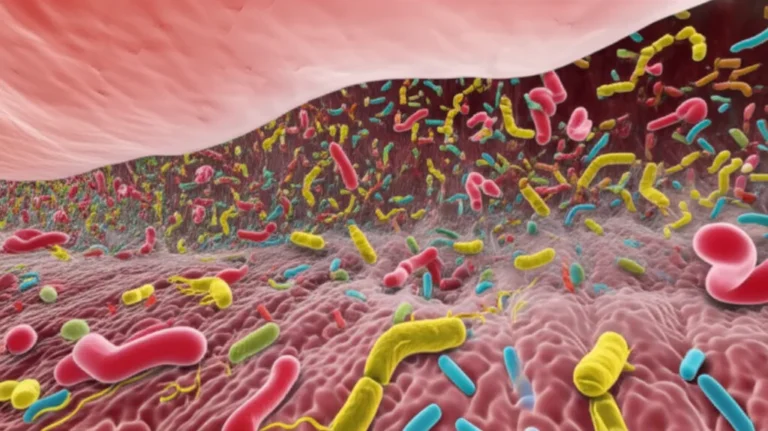
- Fermented Foods: Your Gut’s Best Friends for Digestive Health 🦠
- The Power of Pulses: Tiny Legumes, Mighty Health Benefits! 🌱
- Eggs: Cholesterol Culprit or Nutritional Goldmine? The Science Speaks! 🥚
- The “Healthy” Food Traps: Beware of Hidden Sugars and Fats! 🤫
- Fiber: The Unsung Hero of Digestive Wellness and Satiety 🌾
- Healthy Fats: Not All Fats Are Created Equal – Embrace the Good Ones! 🥑🥜
- Protein: More Than Just Muscle – It’s Essential for Everything! 💪
- Carbohydrates: Friend or Foe? Understanding Complex vs. Simple Carbs 🍞🍚
- The Rainbow Diet: Why Eating a Variety of Colors Matters 🌈
- Mindful Eating: Savoring Your Food for Better Digestion and Satisfaction 🧘♀️
- Beyond the Plate: Lifestyle & Healthy Food Synergy for Holistic Wellness 🏃♀️🧘♂️
- Decoding Food Labels: Your Nutritional GPS to Smarter Choices 🗺️
- The Truth About Superfoods: Hype vs. Health – What Really Delivers? 💪
- Common Healthy Food Myths Debunked: Separating Fact from Fiction 🕵️♀️
- Making Healthy Choices on a Budget: Smart Eating, Smart Wallet 💰
- Personalizing Your Plate: Tailoring Nutrition to Your Unique Needs 🧬
- Healthy Food Preparation Hacks: Maximize Nutrients, Minimize Fuss 🍳
- The Role of Hydration: Water’s Unsung Power in Your Daily Diet 💧
- Healthy Eating for Different Life Stages: From Kids to Seniors 👶👵
- Sustainable Eating: Good for You, Good for the Planet 🌍
- Overcoming Healthy Eating Obstacles: Strategies for Success 🚀
- Conclusion
- Recommended Links
- FAQ
- Reference Links
⚡️ Quick Tips and Facts
To kick-start your journey to a healthier lifestyle, check out our article on 30 Surprising Health Facts That Will Blow Your Mind! 🤯. Here are some quick tips to get you started:
- Eat a rainbow of fruits and vegetables to ensure you’re getting a wide range of vitamins and minerals 🌈.
- Hydrate adequately throughout the day, aiming for at least 8 cups (64 ounces) of water 💧.
- Incorporate physical activity into your daily routine, such as a brisk walk or jog 🏃♀️.
- Limit your intake of sugary drinks and processed foods, opting for whole, nutrient-dense foods instead 🍔👎.
- Get enough sleep, aiming for 7-9 hours per night, to help your body repair and recharge 🛋️.
🍎 The Fascinating History & Evolution of Healthy Eating Habits

The concept of healthy eating has undergone significant transformations over the centuries. From ancient civilizations to modern times, our understanding of nutrition and its impact on health has evolved substantially. Let’s delve into the fascinating history of healthy eating habits and explore how they’ve shaped our current approach to nutrition.
Ancient Civilizations
In ancient Greece, Hippocrates (460-370 BCE) emphasized the importance of diet in maintaining health and preventing disease 🏯. The Greek physician believed that a balanced diet, combined with regular exercise and a healthy lifestyle, was essential for overall well-being. Similarly, in ancient China, the concept of yin and yang was applied to food, with certain foods considered either yin (cooling) or yang (warming) to promote balance in the body 🍜.
Middle Ages to Industrial Revolution
During the Middle Ages, the concept of humorism dominated the understanding of health and disease 🏰. People believed that the body contained four fluid-like substances (blood, phlegm, yellow bile, and black bile) that needed to be kept in balance to maintain health. The Industrial Revolution marked a significant shift in food production and consumption, with the introduction of processed foods and preservatives 🍔👎.
Modern Era
In the 20th century, the discovery of vitamins and minerals revolutionized our understanding of nutrition 🧬. The development of nutrition science as a distinct field of study has continued to shape our approach to healthy eating. Today, we recognize the importance of a balanced diet, regular physical activity, and a healthy lifestyle in maintaining overall health and well-being 🌟.
🤯 Did You Know? Unbelievable Healthy Food Facts That Will Blow Your Mind!
Here are some amazing facts about healthy foods that will leave you speechless:
- The Avocado: A Fruit, Not a Veggie, and a Potassium Powerhouse! 🥑
- Avocados are a rich source of potassium, an essential mineral that helps maintain healthy blood pressure and promotes bone health 🌟.
- They’re also a good source of healthy fats, which can help lower cholesterol levels and reduce the risk of heart disease ❤️.
- Broccoli: More Vitamin C Than an Orange? You Bet! 🥦
- Broccoli is packed with vitamin C, a powerful antioxidant that helps boost the immune system and protect against chronic diseases 🌟.
- It’s also a rich source of fiber, which can help promote digestive health and support healthy blood sugar levels 🍞.
- Sweet Potatoes: Not Just for Thanksgiving, But a Visionary Veggie! 🍠
- Sweet potatoes are an excellent source of vitamin A, a vital nutrient that helps maintain healthy vision, immune function, and skin health 🌟.
- They’re also rich in fiber and antioxidants, making them a great addition to a healthy diet 🍴.
- Dark Chocolate: Your Heart’s Secret Antioxidant Weapon (in Moderation!) 🍫
- Dark chocolate contains flavonoids, powerful antioxidants that can help lower blood pressure and improve heart health ❤️.
- However, it’s essential to consume dark chocolate in moderation, as it’s high in calories and sugar 🍬.
- Water: The Most Underrated “Nutrient” for Optimal Health 💧
- Water is essential for maintaining proper hydration, which is crucial for physical performance, cognitive function, and overall health 🌟.
- Aim to drink at least 8 cups (64 ounces) of water per day to stay hydrated and support overall well-being 🌿.
- Spices & Herbs: Flavor Boosters and Disease Fighters! 🌶️🌿
- Many spices and herbs, such as turmeric, ginger, and basil, contain powerful antioxidants and anti-inflammatory compounds that can help protect against chronic diseases 🌟.
- Incorporate a variety of spices and herbs into your diet to add flavor and boost the nutritional value of your meals 🍴.
- Frozen vs. Fresh Produce: The Surprising Truth About Nutrient Content ❄️
- Frozen produce can be just as nutritious as fresh produce, as it’s often picked at peak ripeness and frozen to preserve nutrients 🌟.
- However, it’s essential to choose flash-frozen or individually quick-frozen produce to ensure optimal nutrient retention 📦.
- Fermented Foods: Your Gut’s Best Friends for Digestive Health 🦠
- Fermented foods, such as yogurt, kefir, and sauerkraut, contain probiotics, which can help support gut health and boost the immune system 🌟.
- Incorporate a variety of fermented foods into your diet to promote digestive health and overall well-being 🍴.
- The Power of Pulses: Tiny Legumes, Mighty Health Benefits! 🌱
- Pulses, such as lentils, chickpeas, and black beans, are rich in protein, fiber, and antioxidants, making them a great addition to a healthy diet 🌟.
- They’re also sustainable and affordable, making them an excellent choice for environmentally conscious consumers 🌿.
- Eggs: Cholesterol Culprit or Nutritional Goldmine? The Science Speaks! 🥚
- Eggs are an excellent source of protein, vitamins, and minerals, making them a nutritious addition to a healthy diet 🌟.
- However, it’s essential to consume eggs in moderation, as they’re relatively high in cholesterol 🥓.
- The “Healthy” Food Traps: Beware of Hidden Sugars and Fats! 🤫
- Many “healthy” foods, such as granola and energy bars, can be high in added sugars and unhealthy fats 🍞.
- Always check the label and choose whole, nutrient-dense foods to avoid these hidden traps 📝.
- Fiber: The Unsung Hero of Digestive Wellness and Satiety 🌾
- Fiber is essential for maintaining healthy digestion, promoting satiety, and supporting healthy blood sugar levels 🌟.
- Aim to consume at least 25-30 grams of fiber per day from whole foods, such as fruits, vegetables, and whole grains 🍞.
- Healthy Fats: Not All Fats Are Created Equal – Embrace the Good Ones! 🥑🥜
- Healthy fats, such as avocado, nuts, and seeds, are essential for maintaining heart health and supporting brain function 🌟.
- Choose unsaturated fats over saturated and trans fats to promote overall health and well-being ❤️.
- Protein: More Than Just Muscle – It’s Essential for Everything! 💪
- Protein is vital for maintaining healthy muscles, bones, and organs, as well as supporting immune function and hormone regulation 🌟.
- Aim to consume 0.8-1 gram of protein per kilogram of body weight per day from whole foods, such as lean meats, fish, eggs, dairy, and legumes 🍗.
- Carbohydrates: Friend or Foe? Understanding Complex vs. Simple Carbs 🍞🍚
- Complex carbohydrates, such as whole grains, fruits, and vegetables, are rich in fiber, vitamins, and minerals, making them a great addition to a healthy diet 🌟.
- Simple carbohydrates, such as sugary drinks and refined grains, can be high in empty calories and added sugars, making them a less desirable choice 🍬.
- The Rainbow Diet: Why Eating a Variety of Colors Matters 🌈
- Eating a rainbow of fruits and vegetables can provide a wide range of vitamins, minerals, and antioxidants, supporting overall health and well-being 🌟.
- Aim to include a variety of colors on your plate, such as red (tomatoes, bell peppers), orange (carrots, sweet potatoes), yellow (bananas, corn), green (broccoli, spinach), blue/purple (berries, eggplants) 🌟.
- Mindful Eating: Savoring Your Food for Better Digestion and Satisfaction 🧘♀️
- Mindful eating involves paying attention to the sensory experience of eating, including the taste, texture, and smell of food 🌟.
- Practice mindful eating by eating slowly, savoring each bite, and enjoying the experience of eating 🍴.
Beyond the Plate: Lifestyle & Healthy Food Synergy for Holistic Wellness 🏃♀️🧘♂️
A healthy lifestyle extends beyond the plate, incorporating regular physical activity, stress management, and social connections to promote holistic wellness 🌟. Here are some tips to help you achieve a balanced lifestyle:
- Exercise regularly: Aim for at least 150 minutes of moderate-intensity aerobic exercise, or 75 minutes of vigorous-intensity aerobic exercise, or a combination of both, per week 🏃♀️.
- Practice stress management: Engage in activities that help you relax and reduce stress, such as meditation, yoga, or deep breathing exercises 🧘♂️.
- Stay connected: Nurture your social connections by spending time with loved ones, volunteering, or joining a community group 🌟.
Decoding Food Labels: Your Nutritional GPS to Smarter Choices 🗺️
Food labels can be overwhelming, but understanding what to look for can help you make informed choices 📊. Here are some tips to help you decode food labels:
- Check the ingredient list: Look for whole foods and recognizable ingredients, and avoid products with long lists of unfamiliar or artificial ingredients 📝.
- Watch for added sugars: Choose products with less than 8 grams of added sugars per serving 🍬.
- Be mindful of sodium: Opt for products with less than 200 milligrams of sodium per serving 💸.
The Truth About Superfoods: Hype vs. Health – What Really Delivers? 💪
Superfoods are often touted as miracle foods, but what’s the real truth behind these nutritional powerhouses? 🤔 Let’s separate the hype from the health benefits and explore what really delivers 🌟.
What Are Superfoods?
Superfoods are nutrient-dense foods that offer exceptional health benefits 🌟. They’re often rich in antioxidants, fiber, and essential vitamins and minerals 🌿.
Examples of Superfoods
Some examples of superfoods include:
- Berries: Packed with antioxidants and fiber, berries are a great addition to a healthy diet 🍓.
- Leafy Greens: Spinach, kale, and collard greens are rich in vitamins and minerals, making them a nutritious choice 🌟.
- Nuts and Seeds: Almonds, chia seeds, and flaxseeds are high in healthy fats and fiber, supporting heart health and digestion 🥜.
Common Healthy Food Myths Debunked: Separating Fact from Fiction 🕵️♀️
Don’t believe everything you hear about healthy foods 🤔. Here are some common myths debunked, separating fact from fiction 📚:
- Myth: Low-fat foods are always healthy 🥑
- Reality: Many low-fat foods are high in added sugars and refined carbohydrates, making them a less desirable choice 🍬.
- Myth: All sugar is bad 🍮
- Reality: While added sugars can be detrimental to health, naturally occurring sugars in whole foods like fruits and vegetables are essential for energy and overall health 🌟.
Making Healthy Choices on a Budget: Smart Eating, Smart Wallet 💰
Eating healthy doesn’t have to break the bank 🤑. Here are some tips to help you make smart choices on a budget:
- Plan your meals: Cook at home using whole ingredients to save money and reduce food waste 🍳.
- 👉 Shop smart: Buy in bulk, choose seasonal produce, and avoid processed foods to stretch your budget 📈.
- Use coupons and discounts: Take advantage of sales, coupons, and discounts to reduce your grocery bill 📊.
Personalizing Your Plate: Tailoring Nutrition to Your Unique Needs 🧬
Everyone’s nutritional needs are different 🌈. Here are some tips to help you personalize your plate:
- Consider your lifestyle: If you’re physically active, you may need more protein and calories to support muscle growth and energy needs 🏋️♀️.
- Think about your health goals: If you’re trying to lose weight, you may need to focus on portion control and balanced macronutrients 📊.
- Listen to your body: Pay attention to how different foods make you feel, and adjust your diet accordingly 🤔.
Healthy Food Preparation Hacks: Maximize Nutrients, Minimize Fuss 🍳
Healthy food preparation doesn’t have to be complicated or time-consuming 🕒. Here are some hacks to help you maximize nutrients and minimize fuss:
- Meal prep: Cook in bulk and portion out meals for the week to save time and reduce food waste 📦.
- One-pot wonders: Choose recipes that can be cooked in one pot to reduce cleanup and cooking time 🍲.
- Slow cooker magic: Use a slow cooker to cook meals while you’re busy or away from home 🕒.
The Role of Hydration: Water’s Unsung Power in Your Daily Diet 💧
Hydration is essential for overall health and well-being 🌟. Here are some tips to help you stay hydrated:
- Drink plenty of water: Aim for at least 8 cups (64 ounces) of water per day to support physical performance, cognitive function, and digestive health 🌿.
- Monitor your urine: If your urine is pale yellow or clear, you’re likely hydrated 🌟.
- Eat hydrating foods: Incorporate water-rich foods like watermelon, cucumbers, and celery into your diet to support hydration 🍉.
Healthy Eating for Different Life Stages: From Kids to Seniors 👶👵
Nutritional needs vary across different life stages 🌈. Here are some tips to help you eat healthy at every stage:
- Children: Focus on whole foods, variety, and portion control to support growth and development 🍎.
- Adolescents: Emphasize balanced meals, regular physical activity, and healthy snacks to support energy needs and overall health 🏋️♀️.
- Adults: Prioritize whole foods, portion control, and regular physical activity to support weight management, heart health, and overall well-being 🌟.
- Seniors: Focus on nutrient-dense foods, easy-to-digest options, and social eating to support health and independence 🍴.
Sustainable Eating: Good for You, Good for the Planet 🌍
Sustainable eating is not only good for your health, but also for the planet 🌟. Here are some tips to help you eat sustainably:
- Choose local: Opt for locally sourced foods to reduce carbon footprint and support local economies 🌳.
- Select seasonal: Eat seasonal produce to reduce transportation emissions and support local farmers 🍅.
- Reduce food waste: Plan meals, use up leftovers, and compost to reduce food waste and support sustainable agriculture 📦.
Overcoming Healthy Eating Obstacles: Strategies for Success 🚀
Healthy eating can be challenging, but with the right strategies, you can overcome obstacles and achieve success 🌟. Here are some tips to help you stay on track:
- Set realistic goals: Start small, set achievable goals, and celebrate progress to maintain motivation and confidence 🎉.
- Find healthy alternatives: Discover healthy substitutes for your favorite unhealthy foods to make healthy eating more enjoyable and sustainable 🍔.
- Seek support: Share your goals with friends and family, and join a community to stay accountable and motivated 🌟.
Conclusion

Wow, what a delicious deep dive into the world of healthy foods! From the surprising potassium power of avocados 🥑 to the gut-loving benefits of fermented foods 🦠, we’ve uncovered a treasure trove of facts that prove eating well is both fascinating and fun. Remember, healthy eating is not about perfection but progress—embracing variety, savoring your meals mindfully, and balancing nutrients tailored to your unique needs.
If you ever felt overwhelmed by the flood of nutrition info, we hope this guide cleared the fog and gave you actionable insights. Whether you’re aiming to boost immunity, manage weight, or simply feel more energized, the key lies in whole, nutrient-dense foods and lifestyle harmony.
No product reviews here, but if you’re curious about adding superfoods or supplements, always check labels carefully and consult trusted sources. And don’t forget: hydration and physical activity are your best friends on this journey!
Ready to turn these facts into flavorful habits? Your body—and taste buds—will thank you! 🍽️💪
Recommended Links
Ready to shop or learn more? Here are some top picks and resources to fuel your healthy eating adventure:
- Avocados:
Shop Avocados on Amazon | California Avocado Commission - Broccoli & Frozen Produce:
Shop Fresh & Frozen Broccoli on Amazon - Dark Chocolate (70%+ Cocoa):
Lindt Excellence Dark Chocolate on Amazon | Ghirardelli Official - Fermented Foods (Yogurt, Sauerkraut):
Shop Yogurt & Sauerkraut on Amazon - Chickpeas & Pulses:
Shop Chickpeas on Amazon | Pulse Canada - Healthy Fats (Nuts & Seeds):
Shop Almonds & Chia Seeds on Amazon - Books on Healthy Eating:
“How Not to Die” by Michael Greger, MD
“The Blue Zones Kitchen” by Dan Buettner
FAQ

What are the top 10 healthiest foods to eat every day?
Great question! While the “healthiest” foods can vary based on individual needs, here’s a solid list of nutrient powerhouses to consider daily:
- Leafy Greens (spinach, kale) – rich in vitamins A, C, K, and fiber
- Berries (blueberries, raspberries) – antioxidants and fiber
- Avocados – healthy monounsaturated fats and potassium
- Nuts and Seeds (almonds, chia seeds) – healthy fats, protein, and minerals
- Whole Grains (quinoa, oats) – fiber and B vitamins
- Legumes (lentils, chickpeas) – protein and fiber
- Fatty Fish (salmon, mackerel) – omega-3 fatty acids
- Cruciferous Vegetables (broccoli, Brussels sprouts) – vitamins and cancer-fighting compounds
- Sweet Potatoes – vitamin A and fiber
- Yogurt or Fermented Foods – probiotics for gut health
These foods provide a broad spectrum of nutrients that support heart, brain, and immune health. For personalized advice, consider consulting a registered dietitian.
Read more about “30 Surprising Health Facts That Will Blow Your Mind! 🤯 (2025)”
How can I incorporate more nutritious foods into my daily diet?
Incorporating nutritious foods is easier than you think! Here are some practical tips:
- Start your day with a colorful smoothie packed with spinach, berries, and chia seeds.
- Swap refined grains for whole grains like brown rice or quinoa.
- Snack on nuts or fresh fruit instead of processed snacks.
- Add legumes like chickpeas or lentils to salads and soups.
- Experiment with herbs and spices to flavor meals without added salt or sugar.
- Plan and prep meals ahead to avoid last-minute unhealthy choices.
Remember, small consistent changes beat drastic overhauls. Check out our Healthy Food Preparation Hacks for more ideas!
Read more about “12 Nutrition Health Facts You Can’t Afford to Miss in 2025 🍎”
What are some unhealthy foods that I should avoid for a healthier lifestyle?
Avoiding certain foods can dramatically improve your health:
- Sugary drinks and sodas: High in added sugars and empty calories.
- Highly processed snacks: Often loaded with trans fats, sodium, and additives.
- Refined grains: White bread, pastries, and many baked goods lack fiber and nutrients.
- Fried foods: High in unhealthy fats and calories.
- Excessive red and processed meats: Linked to heart disease and some cancers.
Instead, focus on whole, minimally processed foods. For myth-busting on “healthy” foods, visit our Health Myth Busters section.
Read more about “15 Random & Fascinating Health Facts You Didn’t Know! 🧬 (2025)”
Are there any specific healthy foods that can help prevent common diseases like diabetes and heart disease?
Absolutely! Certain foods have been shown to reduce the risk of chronic diseases:
- Oats and whole grains: Help regulate blood sugar and cholesterol.
- Fatty fish (salmon, sardines): Rich in omega-3s that protect heart health.
- Nuts and seeds: Improve lipid profiles and reduce inflammation.
- Berries: Antioxidants help reduce oxidative stress linked to diabetes.
- Leafy greens: High in fiber and nutrients that support vascular health.
Pair these foods with an overall balanced diet and active lifestyle for best results. The WHO’s healthy diet fact sheet offers excellent guidance.
Reference Links
- World Health Organization – Healthy Diet Fact Sheet: https://www.who.int/news-room/fact-sheets/detail/healthy-diet
- EatFirst – Fun Facts About Food: https://www.eatfirst.com.au/en-au/c/blog/fun-facts-about-food
- We Make Kids Smile – 10 Fun Food Facts for Kids: https://wemakekidssmile.net/10-fun-food-facts-for-kids/
- California Avocado Commission: https://www.californiaavocado.com/
- Ghirardelli Chocolate Official: https://www.ghirardelli.com/
- Pulse Canada: https://www.pulsecanada.com/
- Health Facts™ Categories:
Health Myth Busters | Environmental Health | Fitness Tips | Children’s Health | Holistic Medicine